

Moldova Drink Guide
From the world’s largest wine cellar and a 4,000-year-old winemaking tradition to ice-cold Divin in a Chişinău enoteca — Moldova is one of Europe’s great undiscovered drink destinations.
The label reads Feteasca Neagra. You’ve never heard of it. But as the sommelier at Invino pours a glass — dark plum, forest floor, a quiet power — you realise you’re drinking one of Europe’s oldest and most compelling grape varieties. Moldova has been growing wine grapes for four thousand years. It also has the world’s largest wine cellar, a named wine tradition that predates most European appellations, and a brandy — Divin — that rivals Cognac for craft and longevity.
Yet Moldova remains largely unknown to international visitors, which is precisely what makes it extraordinary. The underground wine cities at Cricova and Mileştii Mici are a revelation: 120 and 200 kilometres of tunnels cut from limestone beneath the central plateau, where millions of bottles age at perfect temperature. Above ground, the vineyard estates — Castel Mimi, Château Purcari, Chateau Vartely — win medals against Bordeaux and Burgundy. And Chişinău has one of the most welcoming wine bar scenes in Eastern Europe. Here are the places worth visiting in person.
This guide contains information about alcoholic beverages and is intended for adults of legal drinking age in their country.
Wine — Underground Cellars & Vineyard Estates
A small country with a giant wine tradition — Moldova has more vineyards per capita than France, a sub-surface wine culture unlike anywhere on earth, and indigenous grape varieties found almost nowhere else in the world. Burgundy’s latitude, warm continental summers, and deep limestone soils do the rest.
Underground Moldova — the Wine Cities
Carved from the same limestone used to build Chişinău, the underground wine complexes at Cricova and Mileştii Mici are the most extraordinary wine cellars in the world. Cricova’s 120km of tunnels form a complete underground city — with cobbled streets named after wine styles, banquet halls built for heads of state, and more than a million bottles aging in constant darkness at 12–14°C. Mileştii Mici surpasses even that: 55 active kilometres storing 1.5 million bottles — a Guinness World Record — explored by electric cart, bicycle, or personal car. To the south-east, Château Purcari has been producing wine on the same estate since 1827, in cellars dating back to 1560.
Key grapes: Fetească Neagră · Fetească Albă · Fetească Regală · Rară Neagră · Saperavi · Cabernet Sauvignon

Cricova Winery
Cricova, 14km north of Chişinău
Founded in 1952 in old limestone quarries, Cricova is Moldova’s most iconic winery — a complete underground city with 120km of tunnels at 60 metres depth, maintaining a constant 12–14°C year-round. Streets run through the darkness named Cabernet, Dionis, Feteasca. The National Collection holds rare vintages from 1902 onwards; notable guests have included Yuri Gagarin. Tours explore the tunnels by electric cart with multilingual guides and end with a tasting of four or five wines plus sparkling in the dramatic underground halls. Designated a National Cultural Heritage by Moldova’s Parliament in 2003. The Classic or Business package gives the most complete experience.
⏱ Daily tours available · 💰 From MDL 400/person · 📅 Book online in advance · 📍 Cricova, Chişinău District
Visit Cricova → Reviews and book →
Mileştii Mici — World’s Largest Wine Cellar
Ialoveni District, 20km south of Chişinău
The numbers are staggering: 200km of limestone tunnels, 55km active, 1.5 million bottles — the Guinness World Record for the largest wine collection on earth. Unlike Cricova’s theatrical presentation, Mileştii Mici feels genuinely vast and almost otherworldly. Visitors explore by electric cart, bicycle, or their own car — the tunnel network is wide enough to drive through. The winery specialises in Fetească Neagră alongside European whites. Tasting packages include wines served with Moldovan dishes in the underground dining rooms. The Grand Cellar package (MDL 1,300) is the one to book for a full experience. Over 20,000 tourists visit annually from more than 50 countries.
⏱ Open daily · 💰 MDL 350–1,300 depending on package · 📍 Mileştii Mici, Ialoveni District
Visit Mileştii Mici → Reviews and book →
Château Purcari
Purcari, Ştefan Vodă District
One of the oldest continuously operating wineries in the region — producing wine since 1827, with historic cellars dating to 1560. Located in the Valul lui Traian wine zone between the Dniester River and the Black Sea, Purcari specialises in indigenous varieties: Rară Neagră (found almost nowhere else), Fetească Neagră, and the rare Saperavi brought from Georgia. The estate also hosts a boutique hotel and two restaurants in beautifully restored historic buildings. Multiple tasting packages from the Classic (MDL 450, five wines) to the full Academia experience (MDL 950, five reserve wines). Book online; tours run daily 10:00–19:00.
⏱ Daily 10:00–19:00 · 💰 From MDL 300 (tour only) to MDL 950 · 🏨 Hotel on-site · 📍 Purcari, 80km south-east of Chişinău
Visit Château Purcari → More about Purcari →Vineyard Estates of the Codru
The Codru wine zone at the heart of Moldova produces the country’s most refined estate wines. Two estates have become internationally acclaimed: Castel Mimi — rated among the 15 most beautiful wineries in the world, with more than 200 international medals — and Chateau Vartely in Orhei District, whose French château architecture and extensive cellar complex have made it one of Moldova’s most visited wine destinations. Both are within an hour of Chişinău and offer complete visitor experiences including cellar tours, tastings, and on-site restaurants.
Key grapes: Cabernet Sauvignon · Merlot · Fetească Neagră · Fetească Albă · Chardonnay
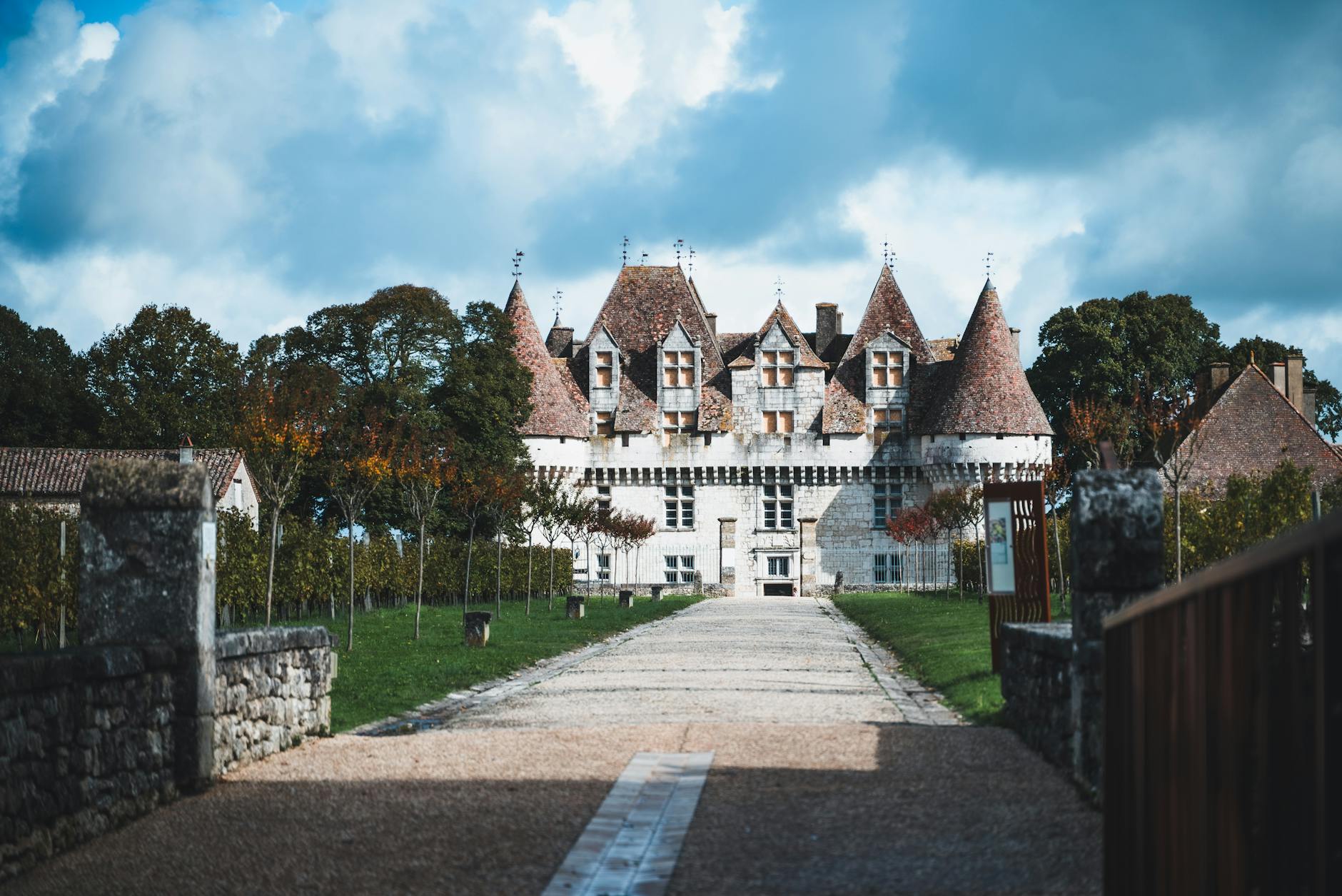
Castel Mimi Wine Resort
Bulboaca, Anenii Noi, 35km from Chişinău
Built in 1893 by Constantin Mimi — the last governor of Bessarabia — and restored into one of Eastern Europe’s most celebrated wine estates. More than 30,000 visitors from 80 countries come annually to taste wines that have won over 200 medals at Mundus Vini, Decanter, and Berliner Wine Trophy. Seven tour packages run from a family afternoon to the full Romantic Couple experience. In 2024, a 5-star zero-emission hotel opened on-site — solar-powered, 68 rooms, with a wine spa and swimming pool. Castel Mimi is one of the most complete wine resort experiences in Eastern Europe — and one of the most underrated in the world.
⏱ Wed–Sun 12:00–18:00 · 💰 Tour packages from MDL 350 · 🏨 5-star hotel on-site · 📍 Bulboaca, 35km south of Chişinău
Visit Castel Mimi → Reviews and book →
Chateau Vartely
Orhei District, 45km from Chişinău
Inspired by French château architecture and set in the rolling hills of Orhei District, Chateau Vartely was founded in 2008 and has grown rapidly into one of Moldova’s most recognised wine producers. The estate owns 260 hectares across the Codru and Valul lui Traian zones, cultivating both European varieties and indigenous Fetească Neagră. Four tour packages are available — from the 45-minute Inspiro tour (MDL 200) to the two-hour Taraboste gastronomic experience (MDL 650) with full wine and food pairings. Three guest villas and a restaurant serving traditional Moldovan cuisine make Vartely a natural overnight stop on any wine tour of the country. Reserve by phone or online.
⏱ Tours by reservation · 💰 From MDL 200 (Inspiro) to MDL 650 (Taraboste) · 🏨 Guest villas on-site · 📍 Orhei District
Visit Chateau Vartely → More about Vartely →🍷 Practical Wine Tips
- Moldova’s wine tour circuit covers most major estates comfortably in 2–3 days by car or taxi from Chişinău — a taxi to and from each winery typically costs MDL 400–600 round trip
- Underground cellar tours at Cricova and Mileştii Mici book up in summer — reserve in advance via their official websites; bring a light jacket (12°C underground, year-round)
- Mileştii Mici allows visitors to drive their own car through the tunnel network — one of the most unusual self-drive experiences in Europe
- Wine purchases at cellar door are usually available at far better prices than Chişinău retail — bring Moldovan Lei or a card accepted in Moldova
- The Codru harvest season (September–October) brings outdoor tastings and the chance to pick grapes at some estates — ask in advance
- For a structured overview before touring the estates, start with an evening at Invino enoteca in Chişinău — the sommeliers will map the regions and varieties for you
Wine Bars & Enotecas
Chişinău’s wine scene has transformed in the past decade. A generation of sommelier-run enotecas — stocked with bottles from 30+ Moldovan wineries, open seven days a week, and staffed by people who genuinely love what they pour — has made the capital one of the best places in Eastern Europe to discover Moldovan wine without leaving the city.
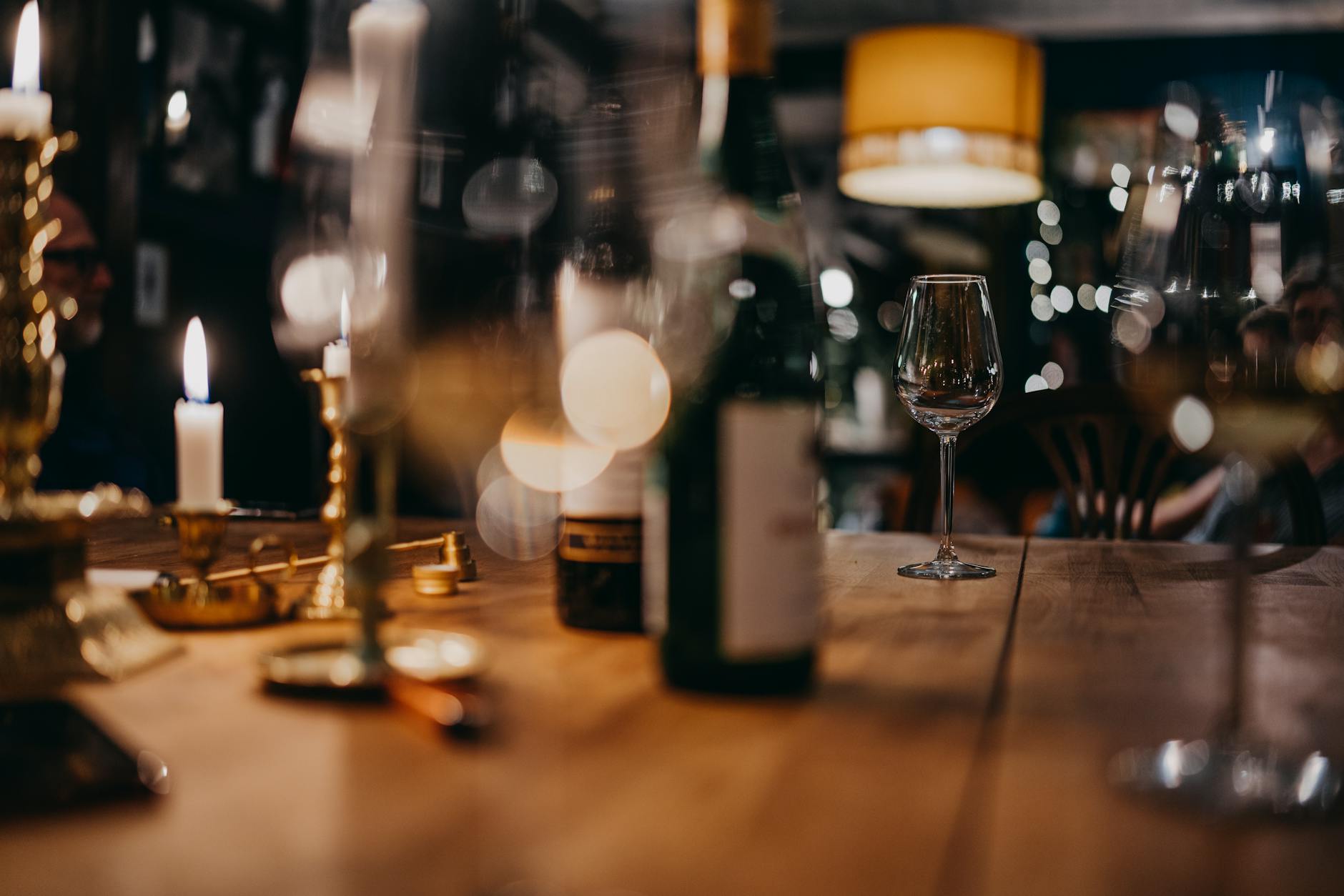
Invino
Str. Bănulescu-Bodoni 41, Chişinău
Moldova’s finest wine shop and enoteca — and genuinely one of the best wine bars in Eastern Europe. Opened in 2016, Invino’s collection of over 250 Moldovan wines is curated entirely by professional sommeliers who know every bottle and will guide you through the differences between a Codru Fetească Neagră and a Valul lui Traian Rară Neagră with genuine passion and zero pretension. Wines are available by the glass from MDL 100 upwards; cheese boards and charcuterie complete the picture. Invino also runs a sommelier school and regular tasting events. The room itself — soft lighting, warm wood tones, quiet music — creates an atmosphere where time genuinely slows down. The most important stop on any Chişinău wine evening.
📍 Str. Bănulescu-Bodoni 41, Chişinău (near Cathedral Park) · Open Mon–Sun 10:00–22:00
Visit Invino →
Carpe Diem Wine Shop & Bar
Chişinău city centre
Chişinău’s first dedicated wine bar — open since 2011 and still among the best. Carpe Diem stocks over 200 quality wines from all Moldovan wine regions, with 10–15 available by the glass at any one time. The selection rotates regularly, with a focus on smaller producers from the Codru zone and Valul lui Traian. The atmosphere is relaxed and unhurried; this is where Chişinău residents actually go for a weeknight glass. For those wanting to compare, Wine Republic (nearby, rated 4.7/5 on Google) offers a similar quality level with a particularly strong cheese and charcuterie board and an outdoor terrace in summer.
📍 Chişinău city centre · Wine by the glass from MDL 80 · 200+ wines in stock
Carpe Diem in Chişinău →Know Your Wine
When you visit a Moldovan winery, you’ll encounter grape names that sound unfamiliar but taste extraordinary. Moldova’s four ancient indigenous varieties are found almost nowhere else in the world — and they are what sets Moldovan wine apart from any other wine country.
Moldova has dozens of small producers making wines from these indigenous varieties in tiny quantities — many available only from the winery or from Chişinău enotecas like Invino. Ask specifically for indigenous-variety wines: they are what no other wine country on earth can offer.
Spirits & Distilleries — Divin
Divin is Moldova’s signature grape brandy — and one of the world’s great aged spirits. Made exclusively from wine distillates aged in oak barrels under PGI protection, with production standards that ban synthetic additives and require a minimum three years of barrel maturation. The result: a spirit of remarkable depth, produced with 130 years of unbroken craft tradition.
Divin — Moldova’s Signature Spirit
The name comes from “distvin” (wine distillate) — but it also means “divine” in Moldovan. Divin must be produced exclusively from wine distillates aged in Moldovan oak barrels, with no synthetic additives permitted at any stage. Four quality tiers exist: VS (minimum three years), VSOP (five years), XO (seven years), and XXO (twenty years) — with exceptional producers releasing expressions aged fifty to seventy years. Moldova’s first distillery opened in Călăraşi in 1896; by 1990, the country held three million decalitres of aged spirit stock — one of the great untold stories of European distilling.
Age tiers: VS (3 years) · VSOP (5 years) · XO (7 years) · XXO (20 years) · Vintage expressions aged 50–70 years

KVINT Distillery
Tiraspol, Transnistria (40km from Chişinău)
Moldova’s most internationally recognised Divin producer — founded in 1897, appearing on the five-Transnistrian-ruble banknote, and one of the great stories of European distilling. KVINT operates 2,000 hectares of vineyards and produces more than 30 Divin expressions aged three to sixty years, alongside 70 wine and liqueur varieties. Three Super Grand Prix awards, 20+ Grand Prix prizes, and approximately 230 gold medals internationally — and bottles have been sent to the Vatican and into space. Tours of the production facility, museum, and barrel storehouse are available in three levels: Standard (USD 15), Premium (USD 35), and VIP (USD 70) per person, with multilingual guides. Advance booking required at least five working days ahead. The trip to Tiraspol is straightforward for tourists with no visa complications.
⏱ Mon–Fri 9:00–17:00 · 💰 USD 15–70/person · 📅 Book 5 working days ahead · 📍 Tiraspol (40km from Chişinău)
About KVINT → Book a Divin tour →
Discovering Divin in Chişinău
Enotecas & wine bars, Chişinău
You don’t need to travel to Tiraspol to discover Divin. Every quality wine bar and enoteca in Chişinău stocks a comprehensive selection — from young VS expressions at MDL 50–80 per glass to vintage VSOP and XO at the higher end. Invino’s sommelier team can guide you through a structured Divin tasting alongside Moldovan cuisine. The most remarkable feature of aged Divin: expressions from the 1970s, 1980s, and 1990s still exist in private producer reserves, having aged forty to sixty years in oak — available in small quantities at specialist shops. These represent some of the most extraordinary aged spirits available at their price point anywhere in the world. Ask specifically for XO or vintage expressions at enotecas.
💰 MDL 50–80/glass at enotecas · 📍 Chişinău enotecas and wine bars
About Divin PGI →🥃 Divin — What to Know
- Divin is not Cognac — the name was adopted in 1996 when Moldova joined international agreements protecting French geographic terms, but the craft predates the French by decades on this soil
- The four age tiers — VS, VSOP, XO, XXO — reflect the minimum age of the youngest spirit in the blend, not the average; older batches within the blend may be significantly more aged
- Moldovan oak gives KVINT and some other Divin producers a distinctive slightly resinous character — different from the vanilla and caramel of Limoges oak used in most Cognac
- Divin is exceptional value compared to French Cognac — a quality KVINT XO (7-year) costs MDL 300–400 in local shops versus €80–120 for comparable Cognac
- Divin is traditionally drunk neat at room temperature from a tulip glass — not chilled, not in cocktails (though young VS expressions are used locally in mixed drinks)
- KVINT Divin is available in duty-free at Chişinău International Airport — the XO range makes an excellent and unusual gift
Craft Beer — Breweries & Taprooms
Moldova’s craft beer scene is small but serious. Two Chişinău breweries — LaBREWtory and Lake House — have established the benchmark for quality in a market that has traditionally been dominated by mass-produced lager. Both brew on-site, both offer taprooms with fresh-poured beer, and both have attracted an enthusiastic local following that has nothing to do with tourism.
Chişinău’s Craft Beer Scene
Craft beer arrived late to Moldova — but the two leading breweries have made up for it. LaBREWtory (founded 2017, Moldova’s first American-owned craft taproom) and Lake House (also 2017, now an 80-hectoliter independent brewery on the city’s main boulevard) between them offer everything from unfiltered pale ales and IPAs to weekly experimental releases and dessert stouts. Both are within easy reach of Chişinău’s city centre.
Styles to look for: American Pale Ale · IPA · Amber Ale · Porter · Experimental & seasonal releases

LaBREWtory Brewing Company
Şos. Muncesti 77, Chişinău
Moldova’s first American-owned craft brewery and taproom — open since 2017 and the standard-bearer for craft beer in the country. All beers are all-natural, unfiltered, and unpasteurized, with five or more brews on tap at any time: American Pale Ale, Amber Ale, and the popular Mamaliga Cream (named after traditional Moldovan polenta) among the regulars. The taproom itself is warm and characterful — cable reels as tables, a half-cut bathtub converted into a couch, and a large outdoor terrace with free grills for customers in summer. Free brewery tours run in English, Russian, and Romanian. Events throughout the year include concerts, team-building nights, and cooking competitions. Five minutes by car from Chişinău train station.
⏱ Open 6 days a week including Sunday 14:00–20:00 · 🍺 5+ beers on tap · 📍 Şos. Muncesti 77, Chişinău
Visit LaBREWtory →
Lake House BrewPub
Bd. Ştefan cel Mare şi Sfânt 182, Chişinău
An independent 80-hectoliter craft brewery serving fresh beer directly from the tanks at their bar and restaurant on Chişinău’s main boulevard. Founded in 2017 with a philosophy of constant experimentation — the team releases a new beer almost every week alongside their core lineup of Red Rye, Gidigich IPA, and Midnight Porter. Special releases include Watermelon Ale, cask-aged wine-beer hybrids, dessert stouts, and limited-edition seasonal brews. The restaurant serves a full food menu. Brewery excursion packages are available for groups wanting a deeper look at the production process. An easy walk from the city centre and open late into the weekend.
⏱ Tues–Thurs 14:00–2:00 · Fri 14:00–2:00 · Sat–Sun 12:00–2:00 · 📍 Bd. Ştefan cel Mare, Chişinău
Visit Lake House → Brewery excursion →Coffee Culture & the Chişinău Café
Moldova is in the middle of a quiet coffee revolution. Whole-bean imports have overtaken instant coffee for the first time — a remarkable shift in a market that was almost entirely instant until recently. Chişinău now has a growing specialty coffee scene, and beneath it, a traditional café culture with roots in Ottoman coffee ritual that is worth knowing about.

Chişinău’s Specialty Cafés
City centre, near Cathedral Park
Chişinău’s specialty café scene has developed quickly. Pasio Coffee is known for precise V60 and Chemex filter brewing — one of the few places in the region where filter coffee is as carefully prepared as the espresso. CoffeeMolka is the city’s boutique coffee-museum concept: 30+ international recipes, local roasting standards that have been compared to those in northern Italy, and a small-batch selection that changes monthly. Pause Café offers a quieter atmosphere for working or reading, with a thoughtfully sourced espresso menu and single-origin filter options. All three are within 15 minutes of Cathedral Park and offer a serious alternative to the wine-focused evenings that dominate Chişinău’s visitor culture. Moldovans now drink over 200 cups of coffee per adult annually — higher than most of Eastern Europe.
📍 Chişinău city centre, near Cathedral Park · ☕ V60, Chemex, espresso, single-origin options
Cafés in Chişinău →
The Traditional Moldovan Coffee Ritual
Village cafés & traditional restaurants, Moldova
Before the specialty coffee wave, Moldovan coffee was something quite different — and in rural areas and traditional cafés, it still is. Café de Casă is a robust, slow-brewed coffee sweetened with local honey or sugar-beet syrup. The Moldovan spice brew adds cloves, cinnamon, or nutmeg. Some village cafés serve Iaurt cu cafea — coffee blended with yogurt, a local tradition that sounds unusual and tastes unexpectedly pleasant. Coffee is always served in small tulip-shaped cups alongside a traditional pastry, often Plăcintă cu brânză (baked pastry with cheese). In rural Moldova, over 60% of coffee consumption still follows these traditional styles. Asking for “cafea naturală” (natural coffee) gets you brewed coffee rather than instant in most cafés. A reminder that local coffee culture here has roots going back centuries before the third wave arrived.
📍 Traditional cafés throughout Moldova and Chişinău · ☕ Ask for cafea naturală for brewed coffee
Top-rated café in Chişinău →💡 Good to Know
- 🍷 Moldova is one of Europe’s most affordable wine destinations — a bottle of quality Codru estate wine costs MDL 150–300 (approximately €8–15) at cellar door; the same wine costs double in Chişinău restaurants
- 🍺 Craft beer in Chişinău costs MDL 40–80 per glass at taprooms — comparable to Western European prices, making it a relative splurge in the local economy
- 🍷 Wine tasting at Cricova and Mileştii Mici includes the cellar tour — afternoon visits at both wineries give the most atmospheric experience as the light changes through the entrance tunnels
- 🥃 Divin is exceptional value compared to French Cognac — a KVINT XO (7-year) costs MDL 300–400 in local shops versus €80–120 for comparable Cognac; take advantage of this at duty-free departing Chişinău airport
- ☕ Ask for “cafea naturală” in Moldovan cafés to get real brewed coffee rather than instant — the distinction still matters outside Chişinău city centre
- 🍷 “Noroc!” (no-rock) is cheers in Moldovan/Romanian — always with eye contact when you clink glasses, as in France and much of Eastern Europe