

Cyprus Drink Guide
From the world’s oldest named wine in the Troodos foothills to a shot of ice-cold Zivania at a village kafeneion — Cyprus drinks with four thousand years of tradition behind every glass.
Commandaria — documented in writing since 800 BC, named by the Crusaders in the 12th century — is the world’s oldest named wine still in commercial production. It was poured at the wedding of Richard the Lionheart in 1191 and called “the wine of kings and the king of wines.” That alone makes Cyprus one of the most remarkable wine islands in the world. But the story doesn’t end with one sweet amber jewel: in the Troodos Mountains, a generation of boutique winemakers has revived indigenous grape varieties that existed nowhere else on earth, producing dry, complex wines of real distinction.
Then there is Zivania — the fiery, crystal-clear pomace spirit that every Cypriot family has made at home for five hundred years. And the kafeneion, the traditional coffee house where an espresso-sized cup of Cyprus coffee has anchored village life since Ottoman times. Here are the places worth visiting in person.
This guide contains information about alcoholic beverages and is intended for adults of legal drinking age in their country.
Wine — Vineyards & Cellars
The Troodos Mountains rise to 1,952 metres — high enough to give Cyprus a cool microclimate that produces wines of surprising finesse. Below them, across 14 designated villages, the ancient Commandaria zone makes the world’s oldest continuously produced named wine.
Troodos Highlands
The villages of the Pitsilia and Krasochoria wine zones cluster at altitudes between 700 and 1,460 metres on the southern and western slopes of the Troodos Mountains. The combination of volcanic soils, sea breezes from both coasts, and long cool nights allows indigenous grape varieties to develop a freshness and complexity entirely at odds with Cyprus’s Mediterranean reputation. These are not the heavy, sunbaked wines of the coastal plains. The wineries here — mostly family-owned estates with twenty years of international recognition behind them — are the quality face of modern Cypriot winemaking.
Key grapes: Xynisteri · Maratheftiko · Mavro · Yiannoudi · Promara

Tsiakkas Winery
Pelendri, Pitsilia
Cyprus’s highest-altitude winery — vines growing at up to 1,460 metres in the Pitsilia forest, producing wines of striking freshness and precision. Founded by Costas and Marina Tsiakka in 1988, Tsiakkas was one of the first Cypriot estates to champion indigenous varieties like Yiannoudi and Promara, which had nearly vanished under decades of mass-market production. The 18-label range spans from approachable entry wines to single-vineyard expressions that are among the finest made in Cyprus. Guided tours include the cellar, vineyard, and a curated three-wine tasting in the panoramic tasting room with views across Troodos.
⏱ May–Oct 11:00–17:00, Nov–Apr 10:00–16:00, Sat 11:00–17:00, closed Sun · 💰 Guided tour with tasting · 📍 Pelendri village, Limassol
Visit Tsiakkas → Opening hours & booking →
Vlassides Winery
Koilani, Limassol Mountains
The winery that changed perceptions of what a Cypriot cellar could look like. Vlassides’s building — a vine-clad modern structure shortlisted for the Mies van der Rohe Architecture Award — sits on hillside vineyards over 100 years old, originally planted by the owner’s grandfather. Winemaker Sophocles Vlassides is known for unconventional vinification, including skin-contact whites and sparkling wines using the traditional method. The signature visitor experience, “Our Wines @ RIEDEL,” demonstrates how glass shape transforms the same wine — an illuminating hour for anyone curious about how we taste. Wines available by the glass.
⏱ Mon–Sat 11:00–16:00 by appointment · 💰 Guided tasting · 📍 Koilani village, 45 min from Limassol
Visit Vlassides → Book a tour →
Zambartas Wineries
Agios Amvrosios, Krasochoria
The name behind the revival of Cyprus’s indigenous grape heritage. In the 1990s, oenologist Akis Zambartas led the research that identified twelve native Cypriot varieties on the verge of extinction — and validated their uniqueness with French ampelographer Pierre Galet. His son Marcos now runs the winery, producing wines exclusively from those rescued varieties under organic and regenerative farming principles. The Winemaker’s Selection tasting centres entirely on indigenous grapes and closes with a barrel sample of Commandaria — the most educational 90 minutes you can spend in Cypriot wine. Open seven days a week; tours at 11:00, 13:00, and 15:00 daily.
⏱ Mon–Fri 10:00–17:00, Sat–Sun 10:00–18:00 · 💰 Guided tasting · 📍 Agios Amvrosios, Limassol
Visit Zambartas → Book a tour →The Commandaria Villages
Fourteen villages on the southern Troodos foothills share the exclusive right to produce Commandaria — a sweet amber wine made from sun-dried Xynisteri and Mavro grapes, fortified after fermentation. The name dates to the Crusader period: the Knights of St John called this territory the “Commanderie,” and the wine took the name. Documentation of wine from this zone extends to at least 800 BC, making Commandaria the world’s oldest named wine still produced commercially. Bottles range widely in price; the best examples are intensely aromatic, with raisin, apricot, honey, and dried fig layered over earthy, mineral depth. You can taste it directly in the villages where it has been made for three millennia.
Commandaria grapes: Xynisteri (white) · Mavro (red)

SODAP Kamanterena Winery
Stroumbi, Paphos
Founded in 1947 by a cooperative of 10,000 families from 144 vine-growing villages, SODAP’s Kamanterena Winery in Stroumbi is one of the largest and most modern production facilities in Cyprus. Their Commandaria St. Barnabas is the most widely exported Commandaria in the world, but the winery also produces award-winning dry wines using indigenous varieties including Maratheftiko — the island’s noblest red grape. The Kamanterena estate welcomes visitors with guided cellar tours and tastings of the full range, from crisp Xynisteri whites to the flagship Commandaria. An essential stop for understanding the scale and heritage of Cypriot wine.
⏱ Weekday visits 08:30–15:00; weekends by arrangement · 📍 Stroumbi village, Paphos region
Visit SODAP → Visit Kamanterena →
Co-op Commandaria Winery, Kalo Chorio
Kalo Chorio, Commandaria Zone
Of the 14 villages with the right to produce Commandaria, Kalo Chorio is perhaps the most rewarding to visit. At 700 metres altitude, 21km from Limassol, the Co-op Winery offers audio-visual presentations on Commandaria production — the drying of grapes on mats in the sun, the slow fermentation, the fortification and ageing — in Greek or English. The village also hosts the Commandaria Museum, where the cultural and historical context of the world’s most documented wine is explained through exhibits spanning the Bronze Age, the Crusader period, and modern production. Tastings from the barrel are possible during visits and are an experience unlike anything in a hotel bar.
⏱ Visits arranged by phone · 📍 Kalo Chorio village, 21km from Limassol
More about Kalo Chorio → Reviews & info →🍷 Practical Wine Tips
- All three Troodos highland wineries — Tsiakkas, Vlassides, and Zambartas — require advance booking; same-day walk-ins are sometimes possible but not guaranteed
- The Krasochoria wine route groups over 20 wineries within a short drive of each other — an ideal full-day itinerary with lunch at a village taverna between tastings
- Commandaria prices at cellar door are significantly lower than in hotels or restaurants — buy a bottle to take home
- Most wineries are 45–60 minutes from Limassol; a rental car is strongly recommended; public bus connections exist but are slow
- Cypriot wine festivals run from August through October — the Limassol Wine Festival (September) is the biggest and includes free wine with entry
Wine Bars & Tasting Rooms
A small but quality-focused wine bar scene is emerging across Cyprus, with experts who know Cypriot wine deeply and take the time to explain what makes it different.

Pambos’ Tasting Room
Episkopi, Paphos Region
A private tasting room run from the countryside home of Pambos — a sommelier whose philosophy is equal parts education, entertainment, and Cypriot hospitality. Pambos designs personalised wine tasting itineraries around each group’s curiosity: indigenous grape varieties, the Commandaria traditions, natural wine producers, or comparative tastings across regions. No two sessions are the same. He also runs halloumi-making workshops and wood-fired cooking experiences — pairing food and wine as Cypriot tradition always did. Private groups of two to ten people; advance booking essential. Experiences priced per person.
⏱ Fri–Mon by appointment · 💰 Priced per person · 📍 Episkopi, near Paphos
Visit Pambos Tasting Room →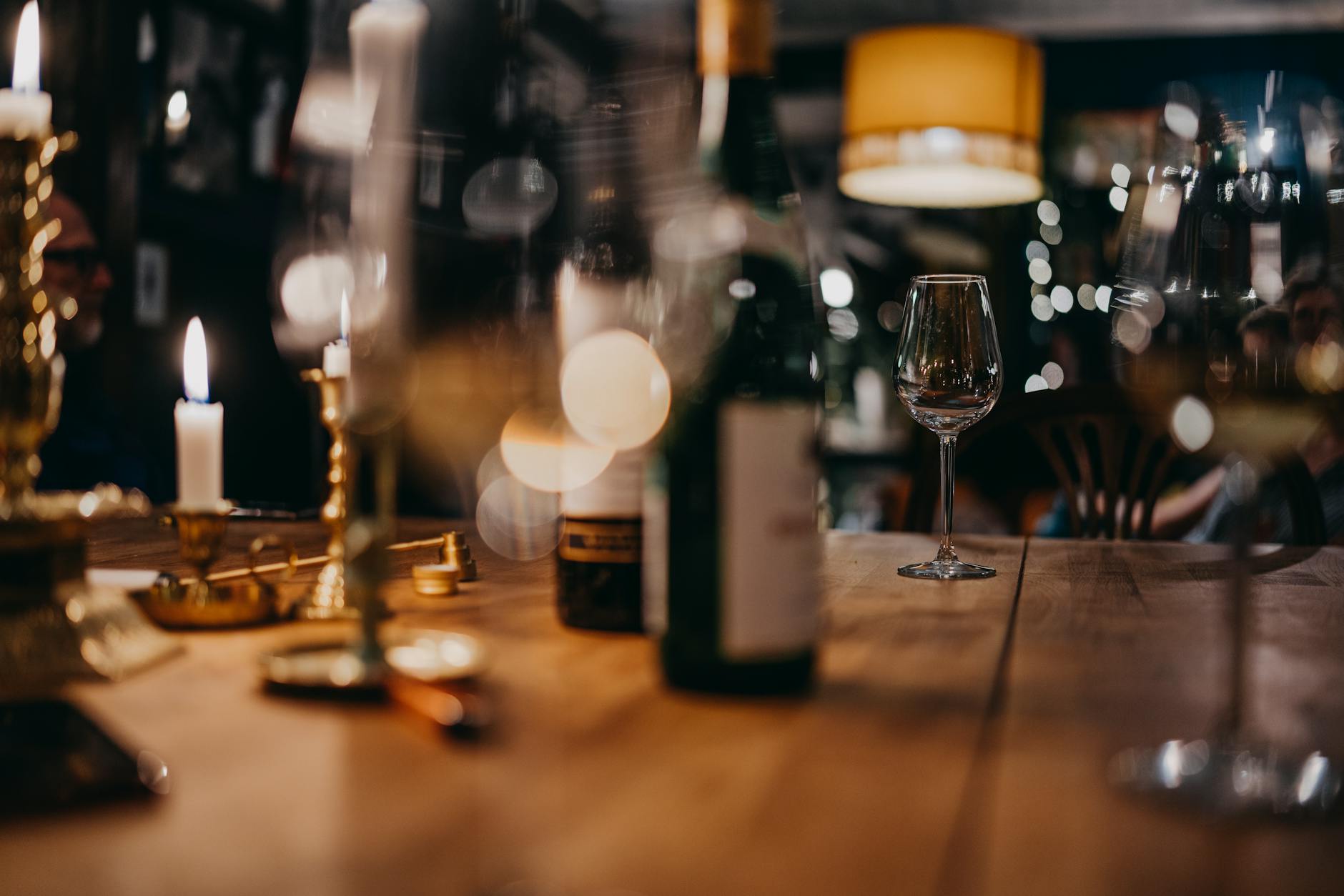
Vinarte Wine Bar
Saripolou Square, Limassol
A small, cosy wine bar tucked just off Saripolou Square in Limassol’s old town — the most liveable and walkable neighbourhood in Cyprus. Vinarte focuses on Cypriot wines, offering a carefully curated selection by the glass alongside wine flights, and pairing them with cheese and charcuterie boards. Affordable prices, unpretentious atmosphere, knowledgeable staff. The old town of Limassol — with its castle, craft shops, and buzzing bar scene — makes Vinarte a natural stop on any evening walkabout. Arrive without a booking; this is the kind of wine bar that rewards turning up and seeing what’s open.
📍 Saripolou 31, Limassol Old Town · From early evening onwards
Explore Cyprus Wine Routes → Reviews & info →Know Your Wine
Cyprus has one of the oldest wine cultures in the world — and some of the most unique grape varieties. Here are the terms you’ll encounter at cellars and on labels.
Cyprus wine was nearly destroyed during the Ottoman occupation (1571–1878), when commercial wine production was prohibited on the island. The modern revival — led by oenologist Akis Zambartas and followed by a generation of estate winemakers — has retrieved twelve indigenous varieties that would otherwise have vanished.
Spirits & Distilleries
Zivania — crystal-clear, fiery, fragrant with raisins — is Cyprus’s national spirit and the drink that ties every village celebration and guest welcome together. And in Limassol, the KEO plant has been ageing brandy alongside beer and wine since 1927.
Zivania — The Cypriot Spirit
Island-wide tradition
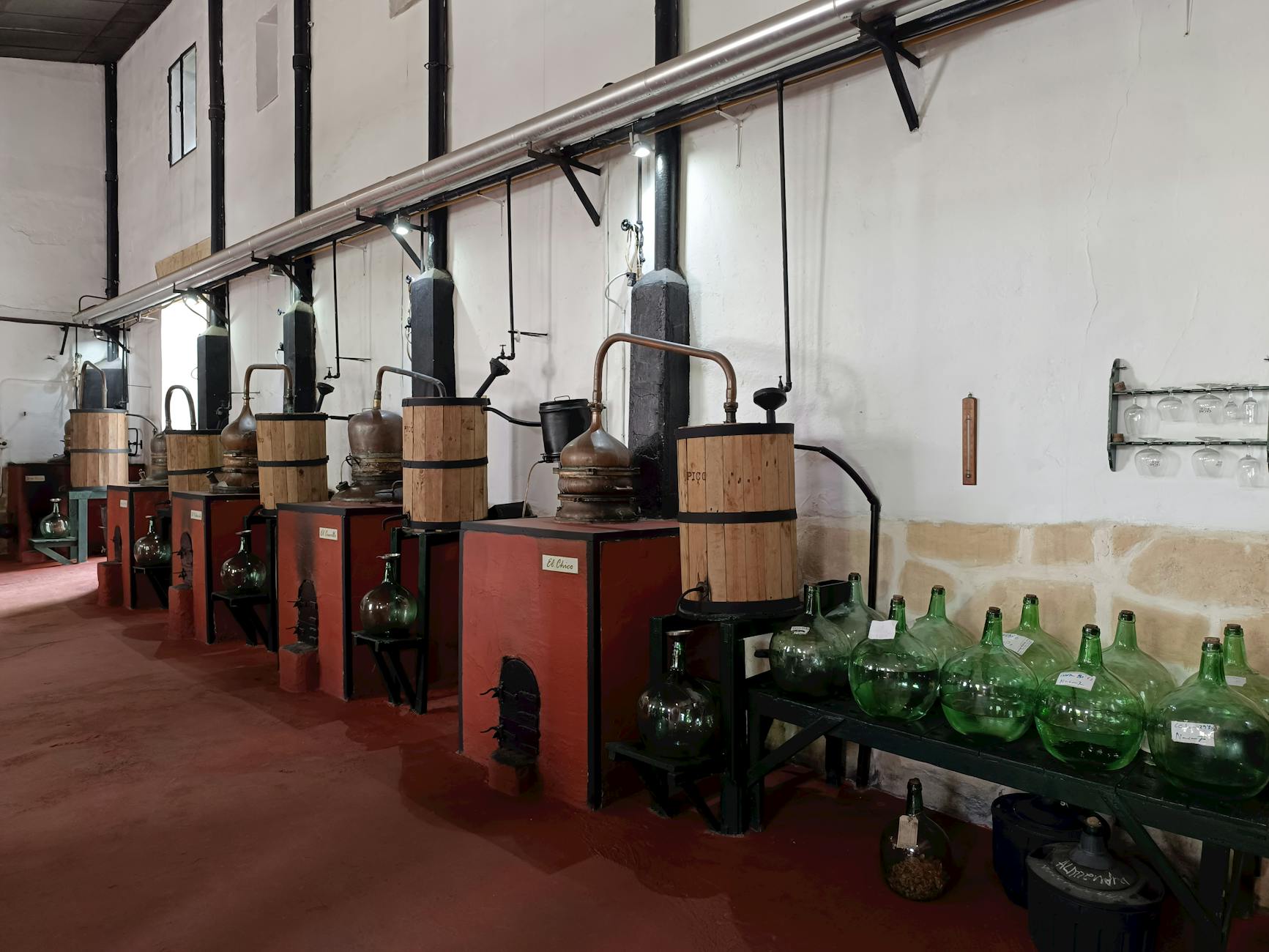
Made for over 500 years in Cypriot homes, Zivania is a pomace brandy — distilled from the grape skins, seeds, and stems left after winemaking, mixed with local dry wine and redistilled in copper kazans (pot stills). Crystal clear, between 40 and 60% ABV, with a characteristic light aroma of dried grape and mountain herbs. It is protected by EU geographical indication status since 1989 as a product unique to Cyprus. Traditionally served ice-cold in small shot glasses alongside meze — halloumi, olives, loukaniko sausage. If a Cypriot host produces a bottle when you arrive, accept the glass; refusing is considered unusual. The best artisanal versions — including barrel-aged varieties — are made by SODAP and small village distillers.
☕ Served with meze · 💰 Sold by the bottle at cellar door · 🍶 40–60% ABV
The Complete Zivania Guide →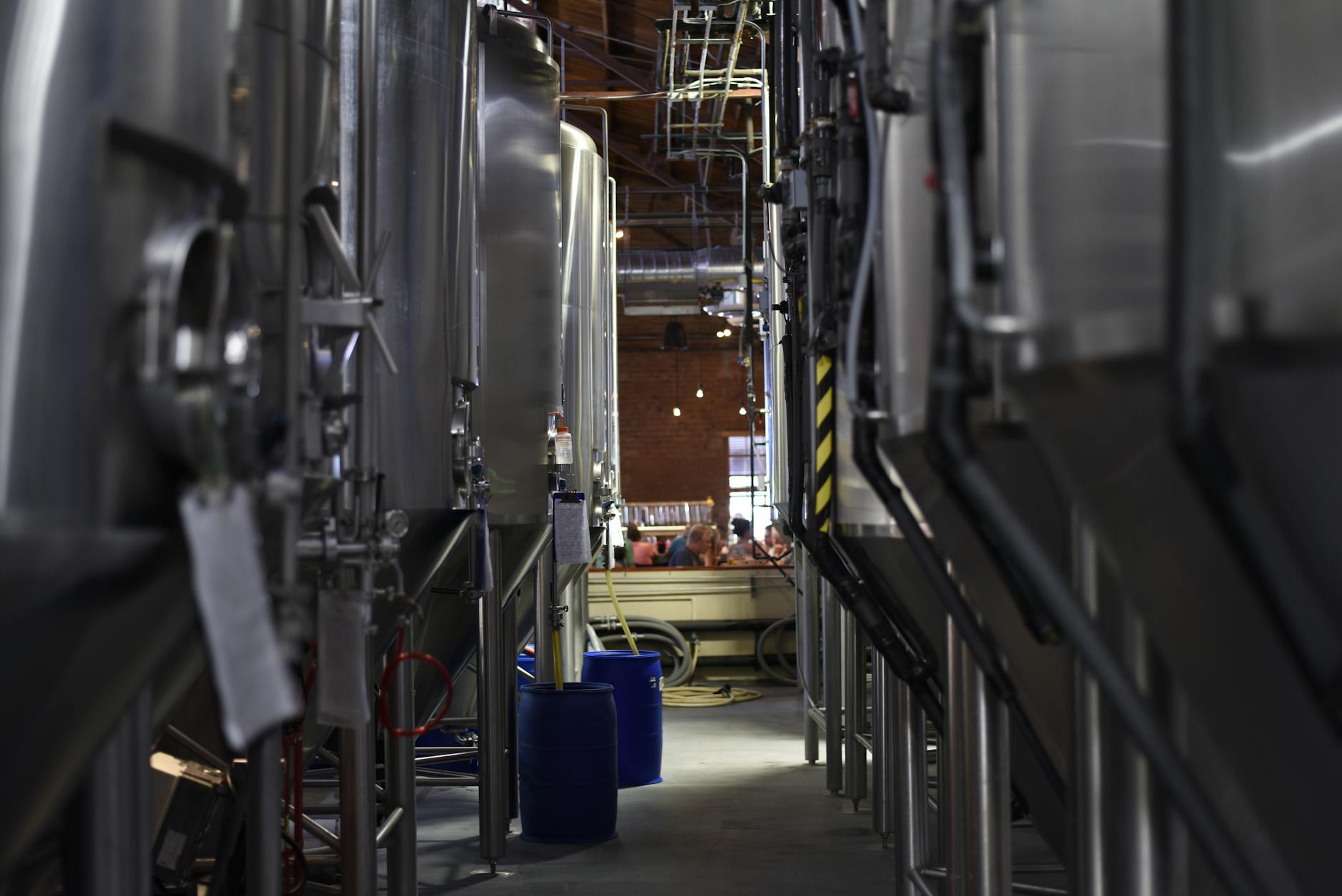
KEO Brewery & Winery
Limassol
Cyprus’s most historic drinks factory — founded in 1927 as the Cyprus Wine Company, KEO grew to produce beer, wine, brandy, Zivania, ouzo, gin, and non-alcoholic beverages all under one roof. The flagship KEO beer — a crisp, straw-coloured lager brewed since 1951 with a recipe developed in collaboration with Czechoslovakia — won a gold medal at the Brewing Industry International Awards in 1987 and remains the island’s most-consumed beer. The KEO plant offers free guided tours of the production facility including the wine cellars, distillery, and brandy ageing halls, followed by complimentary tastings. The Five Kings brandy, produced at the plant since the 1950s, remains one of Cyprus’s best-known export spirits.
⏱ Free tours of the plant · 📍 Franklin Roosevelt Ave, Limassol
Visit KEO Group →Craft Beer — Breweries & Taprooms
Cyprus’s craft beer scene is small but inventive — and in a country where the national brewery has a century of history, these newcomers are finding their own identity through local ingredients and ancient recipes.

Aphrodite’s Rock Microbrewery
Tsada, 15 min from Paphos
A family-run microbrewery set in the leafy courtyard of a converted village winery in Tsada — 15 minutes from Paphos Old Town in the Mediterranean countryside. The brewery uses water from its own spring and produces a rotating selection of craft beers, lagers, and ciders, including a German Oktoberfest lager, an Austrian Helles, an American IPA, and English real ales. The tasting paddle — five 200ml glasses — is the recommended way to explore the range. Free brewery tours run Tuesday through Friday for restaurant diners. Arrive early on weekends; the courtyard fills quickly.
⏱ Mon–Sun 12:00–varies · 📍 E704 Tsada, Paphos 8540 · Tours Tue–Fri for diners
Visit Aphrodite’s Rock →
Octo.beer — Cyprus’s First Craft Brewery
Nicosia
Cyprus’s first craft brewery, founded in 2012, and still the most curious. Octo.beer’s standout creation is the Cyprus Figs and Herbs Ale — a 5% Bronze Age revival made from a recipe dating to 1800 BC, brewed with local figs and mountain herbs. The brewery also produces a Cyprus Grape Ale in two versions: a ruby (8% ABV) brewed with Xynisteri grapes, and a gold (9% ABV) in collaboration with Tsiakkas Winery. The brewery tour includes a tasting of seven unique beers, a visit to their small beer museum covering 3,800 years of Cyprus brewing history, and access to limited-edition experimental batches. Book in advance; the team is small and tours require confirmation.
⏱ Tours by advance booking · 💰 Priced per person · 📍 Nicosia
Visit Octo.beer →Coffee Culture & the Kafeneion
In Cyprus, coffee is not consumed in a hurry. The kafeneion — the traditional village coffee house — is where life has been discussed, argued over, and resolved for centuries. A single small cup can anchor two hours of conversation.

The Kafeneion — Village Coffee Culture
Village squares across Cyprus
The kafeneion has been the social infrastructure of Cypriot village life since the Ottoman period. It is not a coffee shop in the modern sense: it is the village square made indoors — a place for backgammon, politics, gossip, and the slow passage of time. Cyprus coffee is brewed in a small copper briki, heated on hot sand, and served in a tiny porcelain cup with the grounds settling at the bottom. You order it sketos (no sugar), metrios (medium sweet), or glykos (sweet). The traditional kafenia worth visiting include Plateia in Vouni — operating for over 111 years — and Mary’s Cafeneio in Askas village. Sitting for an hour over one small cup is not exceptional; it is expected.
☕ Open from early morning · 📍 Village squares island-wide
Food & Drink in Cyprus →
Limassol Old Town Café Scene
Saripolou & Anexartisias, Limassol
Limassol’s old town has undergone a transformation over the past decade — from a sleepy port neighbourhood to one of the most enjoyable bar and café districts in the eastern Mediterranean. The pedestrianised streets around Saripolou Square are lined with café terraces open from morning to midnight. The Limassol Marina boardwalk adds another dimension: open-air cafés with sea views, where the Cyprus coffee culture meets the modern city’s appetite for outdoor life. Nicosia, the divided capital, offers its own distinct café scene inside the walled old city — including clusters of coffee houses in the Laiki Geitonia neighbourhood that preserve more of the original kafeneion spirit.
☕ Open from morning · 📍 Saripolou Square, Limassol old town
Reviews & info →Planning Your Wine Trip
Two practical questions every Cypriot wine trip runs into.
Compare rental cars in Cyprus →
Find hotels in Limassol → · Find hotels in Paphos →
💡 Good to Know
- 🍷 “Yiamas!” (yamas) is the Cypriot toast — short for eis igian mas, meaning “to our health”. Make eye contact when you clink glasses.
- 🥃 Never refuse Zivania when a host offers it — accepting the glass is a form of respect for Cypriot hospitality; it can always be sipped slowly
- 🍇 The Limassol Wine Festival in September offers free wine tasting with entry to Limassol Municipal Gardens — the most accessible and social way to try dozens of Cypriot wines in one evening
- ☕ Cyprus coffee (sometimes called Greek coffee) is never stirred — the grounds settle at the bottom and you stop drinking before you reach them
- 🍺 KEO lager and KEAN orange juice are both Cypriot — the KEO plant in Limassol makes both, and both have been on the island for over 60 years
- 🍷 House wine in village tavernas is almost always local and inexpensive — ask for krassi tis imeris (wine of the day) and you will usually get a good local carafe