

Slovenia Drink Guide
From the hilltop estates of Goriška Brda and the wind-swept Vipava Valley to the world’s oldest vine in Maribor — Slovenia pours with quiet confidence.
Slovenia makes wine in three distinct worlds. In the southwest, the Mediterranean slides in from the Adriatic — sun-soaked slopes produce Rebula whites of rare mineral precision and Teran reds of deep earthy character. In the Vipava Valley, the fierce burja wind shapes wines unlike anything made anywhere else: intensely aromatic, with indigenous varieties found nowhere else on earth. In the continental northeast, ancient cellars in Ptuj and the world’s oldest living grapevine in Maribor complete the picture.
Then there’s everything else: a medica and žganje tradition rooted in every farmhouse and village festival, a craft distillery scene emerging from Maribor, and a café culture built for long afternoons beside Ljubljana’s slow-moving river. These are the places worth visiting in person.
This guide contains information about alcoholic beverages and is intended for adults of legal drinking age in their country.
Wine — Vineyards & Cellars
Three wine regions, 52 vine varieties, and a winemaking heritage stretching back two millennia. Small country, enormous range — and one of Europe’s best-kept wine secrets.
Goriška Brda
Slovenia’s answer to Tuscany — and Tuscans would rather you didn’t know. The Brda hills roll along the Italian border, and in Collio just across the line the same grapes grow in the same soils producing wines that compete at the highest international level. Here the focus is on Rebula, the indigenous white that thrives on the region’s ponca (sandstone-marl) soils. Biodynamic and natural wine pioneers have made Brda their base: orange wines aged in clay amphoras, minimal-intervention Rebula that ages for decades, and pét-nat sparkling wines that feel nothing like Champagne but are deeply satisfying in their own way.
Key grapes: Rebula (Ribolla Gialla) · Malvazija · Merlot · Cabernet Sauvignon · Pinot Gris

Movia
Ceglo, Goriška Brda
The most iconic estate in Slovenian wine — and one of the defining names in natural winemaking worldwide. The Kristančič family has farmed these slopes organically since 2004, biodynamically in spirit since long before that. Their Puro, a sparkling Rebula disgorged tableside in a bucket of water, is one of the most theatrical wine experiences in Europe. Visits run Monday to Saturday from 13:00 to 18:00 — go without an appointment and walk into something genuinely special.
⏱ Mon–Sat 13:00–18:00 · 📍 Ceglo 18, Dobrovo v Brdih
Visit Movia → Book a tour →
Edi Simčič Wine Estate
Vipolže, Goriška Brda
Father Edi and son Aleks Simčič run one of the most acclaimed family estates in Slovenia — 60,000 bottles of exceptional Rebula, Malvazija, and single-vineyard blends. Their Klasik tasting (6 wines, 1.5 hours) takes you through the full range; the Premium version (8 wines) adds older vintages in magnum bottles. Both include a guided cellar tour. Rated 4.9 stars and consistently among the top winery experiences in the Brda region.
⏱ By appointment · 💰 Klasik and Premium tastings available · 📍 Vipolže, Dobrovo
Visit Edi Simčič → Book a tour →
Klet Brda
Dobrovo, Goriška Brda
Slovenia’s largest wine cooperative — founded in 1957, now uniting over 400 local growers across the Brda hills. The most accessible entry point to the region: self-guided tastings of 24 different wines, no appointment needed. Their signature Rebula and sparkling Penine (traditional method) are where most visitors start. The cooperative’s estate cellar also offers guided group visits with premium and de luxe tasting packages, including an escape room wine experience unlike any other winery in Slovenia.
⏱ Walk-in tastings available · 💰 Self-guided tastings · 📍 Dobrovo 34, Goriška Brda
Visit Klet Brda →Vipava Valley
The burja — the fierce bora wind that howls down from the Karst plateau — defines this valley as surely as the soil. It dries the vines after rain, concentrates sugars in the grapes, and gives Vipava wines a tension and aromatic lift that distinguishes them from any other Slovenian wine. Here grow two grapes found almost nowhere else: Zelen, a fragrant white with notes of nettle and elderflower, and Pinela, a softer, more textural white with peach and hazelnut. The valley runs just 25km from Ajdovščina to the Karst edge — compact enough for a day trip from Ljubljana or Goriška Brda, remarkable enough to justify its own dedicated visit.
Key grapes: Zelen · Pinela · Malvazija · Merlot · Barbera

Vipava 1894
Vipava, Vipava Valley
The valley’s historic cooperative winery — founded in 1894, now working with over 300 grape growers across Vipava’s terraced vineyards. Their cellar is one of the largest and oldest in Slovenia, and guided tours offer a genuine education in the region’s remarkable indigenous varieties. The Lanthieri collection — named for the noble family that once owned the valley — is where to start: hand-harvested, elegant Zelen and Pinela that express the burja-blown character of Vipava at its most assured. Visits by inquiry; the cellar tour includes a full wine tasting with a winemaker’s commentary.
⏱ Guided tours by inquiry · 📍 Vipava, 45 min from Ljubljana
Visit Vipava 1894 → Book a tour →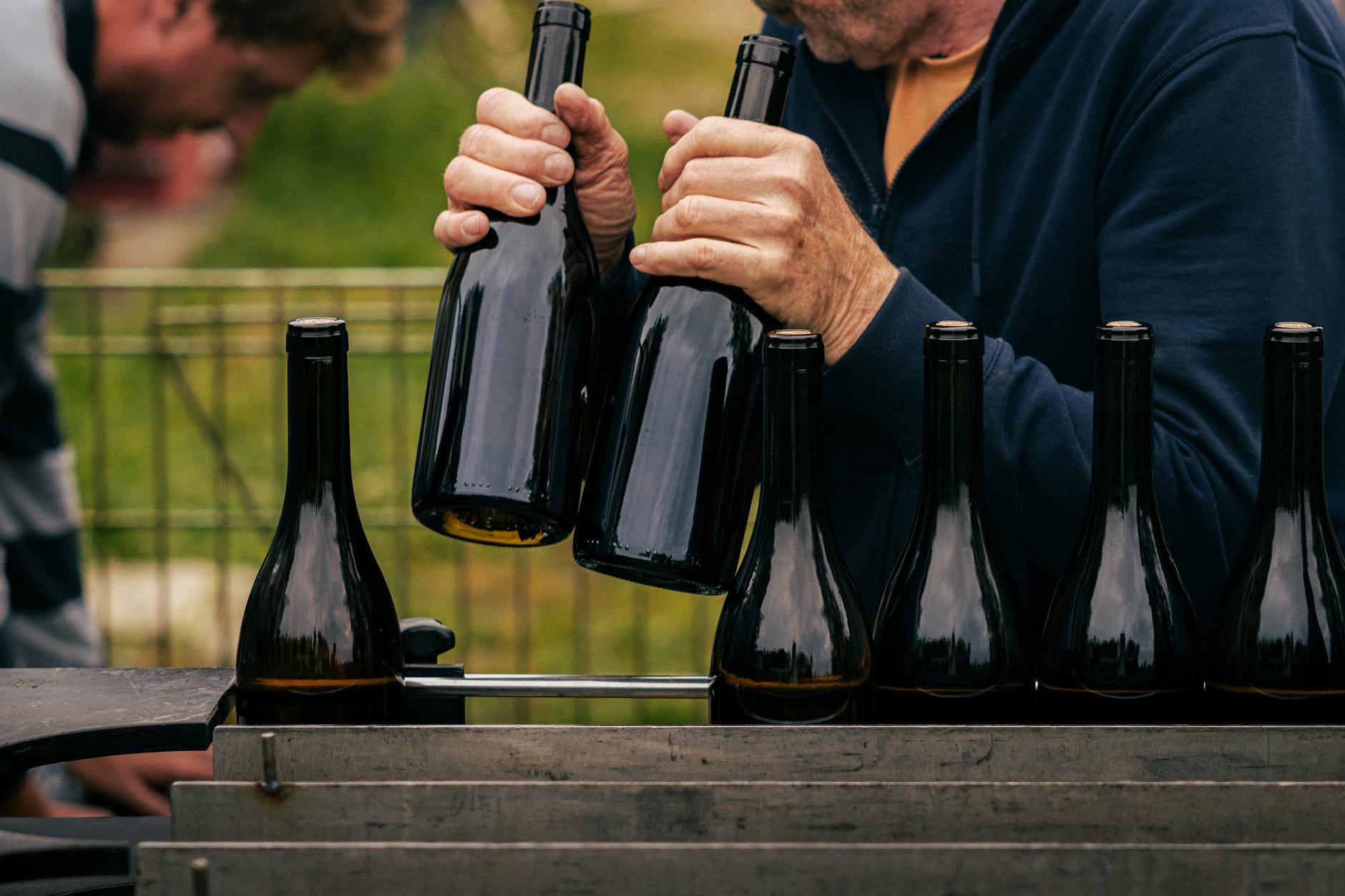
Wipach Estate
Lože, Vipava
A small, family-run boutique winery named after the ancient Celtic word for the Vipava Valley — “the valley beneath the rocks.” Wipach makes wines using the bâtonnage method (periodic lees stirring during aging), which gives their whites a cream-like texture and smooth intensity found in few other Vipava producers. All wines are aged in barriques without artificial additives. The tasting room welcomes walk-in visitors during summer hours; a short visit here alongside Vipava 1894 gives you both scales of Vipava winemaking in a single afternoon.
⏱ Open summer hours · 📍 Lože 18b, Vipava
Visit Wipach →Podravje & Štajerska
Slovenia’s largest wine region stretches across the continental northeast — rolling hills bordering Austria and Hungary, a cooler climate producing almost entirely white wines of remarkable precision. Ptuj, one of the oldest cities in Central Europe, has been making wine since at least 1239. Maribor, 25km north, is home to something even older: a single Modra kavčina grapevine planted in the 16th century, still producing grapes every autumn, recognised by the Guinness World Records as the world’s oldest living vine.
Key grapes: Šipon (Furmint) · Laški Rizling (Welschriesling) · Chardonnay · Sauvignon Blanc · Traminac

Ptujska Klet
Ptuj, Podravje
Slovenia’s oldest and most awarded wine cellar — its symbolic origins traced to 1239 when Minorite monks built a cellar beneath their monastery in Ptuj. The vaulted galleries hold one of the most significant wine archives in Central Europe, including the oldest surviving Slovenian wine from 1917 and nearly every vintage since 1945. The Vinski hram tasting room offers three experience levels: the Basic tour (4 wines), the culinary pairing (7 wines + food), and the extraordinary “Meeting of Centuries” (10 wines across different vintages). Ptuj itself is one of Slovenia’s most beautiful small cities — plan the whole day.
⏱ Mon–Sat 9:00–17:00 · 💰 Tastings by appointment · 📍 Vinarski trg 1, Ptuj
Visit Ptujska Klet →
The Oldest Vine Museum
Lent, Maribor
Maribor’s most extraordinary attraction — a 460-year-old Modra kavčina grapevine that has been growing on the wall of the Old Vine House in the Lent district since the second half of the 16th century. Entered in the Guinness Book of Records in 2004, it still produces 35–55kg of grapes each harvest, yielding up to 100 bottles of Queen’s Wine each year. A numbered bottle from this vine is the official protocol gift of the Mayor of Maribor — past recipients include the Pope and Emperor Akihito. The museum tells the vine’s story through an animated film, a full exhibition, and a wine tasting included with entry.
⏱ Tue–Sun 10:00–18:00 · 💰 Tastings available · 📍 Vojaniška ulica 14, Maribor
Visit Oldest Vine Museum → Book a tour →🍷 Practical Wine Tips
- Most Brda estates are small family operations — email or phone ahead for tastings; walk-in is possible at Klet Brda and Movia during opening hours
- The Goriška Brda Wine Route is best explored by car or bicycle — the hills are gentle but the distances add up; allow a full day
- Vipava Valley is only 45 minutes from Ljubljana — an ideal half-day escape paired with a visit to the Karst and Lipica stud farm
- Ptuj is an easy day trip from Maribor (25km) — combine Ptujska Klet with Maribor’s Oldest Vine for a full Podravje wine day
- Many cellars offer direct sales at cellar door prices — bring cash for smaller producers who may not take cards
Wine Bars & Tasting Rooms
Ljubljana has become one of Europe’s most exciting cities for natural wine — small bars stacked with bottles from Slovenia’s pioneering producers, knowledgeable staff, and a relaxed energy that makes every visit feel personal.
Kletvica
Komenskega, Ljubljana
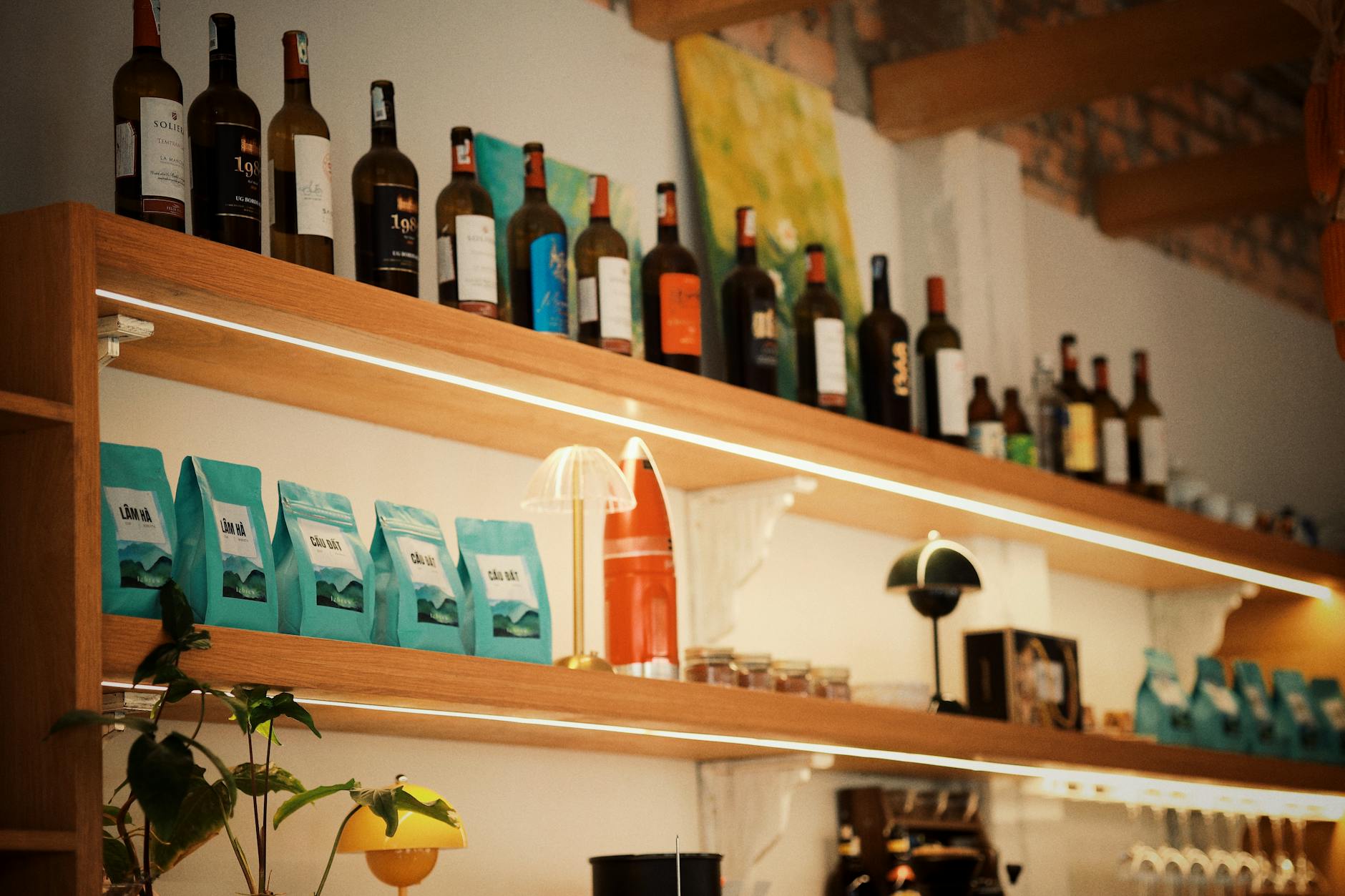
Ljubljana’s most celebrated natural wine bar — five minutes from Prešeren Square, hidden down a quiet street. Founded by sommelier Nejc Zupan with a mission to showcase Slovenia’s pioneering low-intervention producers, Kletvica stocks wines made using permaculture, biodynamic and zero-additives methods. The atmosphere is low-key and 1950s café in feel, with plants throughout and knowledgeable staff who genuinely love talking about what’s in the bottles. Regular tasting events with guest winemakers make it worth checking their calendar before you visit. Rated 4.8 stars — easily the best wine bar in Ljubljana.
📍 Komenskega ulica 30, Ljubljana · Wed–Sun, from 15:00
Visit Kletvica → Book a tour →
Movia Vinoteka
Mestni trg, Ljubljana Old Town
The Ljubljana wine bar of the legendary Movia estate — set right on the main square of the old town, a short walk from the castle. The full range of Movia’s biodynamic and organic wines are poured by the glass, including the iconic Puro sparkling Rebula. It is the easiest way to experience what makes Goriška Brda’s most famous winery special without driving to Dobrovo. An excellent place to start or end an evening in Ljubljana’s old town. Open Monday to Saturday from midday to midnight.
📍 Mestni trg 2, Ljubljana Old Town · Mon–Sat 12:00–24:00, Sun 12:00–22:00
Visit Movia Vinoteka → Book a tour →
Vinoteka Brda
Dobrovo, Goriška Brda
The official wine tasting hub of the Goriška Brda wine region — the best place to taste across the full range of Brda producers in a single sitting without booking individual estate visits. Located in the centre of Dobrovo, the vinoteka pours wines from both large cooperatives and tiny family estates, many of which have no tasting room of their own. An essential stop when visiting the Brda hills: go here first to understand the region, then seek out the individual estates that appeal most.
📍 Dobrovo, Goriška Brda · Wine route information on brda.si
Explore Brda Wine Route →Know Your Wine
When you visit a Slovenian winery, you might notice words like bio, naravno or brez sulfitov on their labels. Here’s what they actually mean.
Recent research suggests conventional wines worldwide may contain elevated levels of persistent chemicals from pesticide use. Those seeking a cleaner glass may prefer organic, biodynamic or natural producers — many of whom welcome visitors for tastings.
Spirits & Distilleries
Žganje — fruit brandy — is Slovenia’s traditional spirit. Medica (honey schnapps) sweetens the mix. And in Maribor, a craft gin distillery is bringing something entirely new to the glass.
Žganje, Medica & Craft Spirits
Žganje is the Slovenian word for home-distilled fruit brandy — made from whatever grows in abundance: plums (šljivočka), pears (hruškovec), apples, figs, or elderflower. Every farmhouse in the Karst, the Brda hills, and the Posavje valley has a family recipe passed down for generations. Medica — honey schnapps — is softer and more accessible, made by fermenting local honey and then distilling. Both are served at room temperature in small glasses, often before or after a meal, never to be rushed.

Medica & Žganje Culture
Throughout Slovenia
There is no single distillery to visit for medica and žganje — that’s the point. This is a tradition of homes, farms, and village festivals. You will be offered a glass at a family konoba in the Karst, at a winery in Brda after a tasting, at a guesthouse in the Logarska valley. The best way to experience it is to accept every offer. Local varieties worth knowing: Medica (honey schnapps, sweet and warming), Borovničevec (blueberry schnapps, deep purple and rich), Hruškovec (pear brandy, fragrant and dry), and Viličnik (elderflower spirit, aromatic and distinctive).
📍 Found throughout Slovenia — especially in the Karst, Brda, and Posavje regions
Slovenia Food & Wine →
Svarog Distillery
Maribor, Podravje
Maribor’s craft gin distillery — a family operation run by Lidija and Bojan Lužnik using botanical ingredients grown in their own garden. Named after Svarog, the ancient Slavic god of fire and craftsmanship, the distillery follows the classic London Dry Gin method, distilling sugar molasses alcohol with hand-selected botanicals. Their range includes Citra Gin (hoppy and citrus-forward), Hops Gin (brewed with Slovenian hops), Star Gin, and the extraordinary Saffron Gin — made with genuine saffron from their garden. No artificial additives. Small batches. Worth seeking out in Maribor’s speciality drinks shops or ordering direct.
📍 Počehova 55c, Maribor · 💰 Gin available for purchase
Visit Svarog Distillery →🥃 Slovenian Spirits — What to Know
- Žganje is typically 40–55% alcohol — sip slowly in small glasses, never shoot
- Medica is sweeter and lower in alcohol than žganje — the most approachable starting point for visitors
- Borovničevec (blueberry brandy) is one of Slovenia’s most distinctive spirits — particularly from the Pokljuka plateau and Kobarid area
- In rural Karst and Brda guesthouses, a small glass of žganje before the meal is a ritual welcome — refusing is unusual; joining is expected
- Craft distilling is a new but fast-growing movement in Slovenia — look for artisan producers at Ljubljana’s farmer’s markets (Odprta kuhna, open market)
Craft Beer — Breweries & Taprooms
Ljubljana has more than 30 active craft breweries — remarkable for a capital of 300,000 people. The scene is young, creative, and genuinely good.
Ljubljana
The Slovenian craft beer scene is centred almost entirely in Ljubljana, where a dense cluster of microbreweries and taprooms has transformed the city’s drinking culture over the past decade. The emphasis is on quality: small batches, fresh ingredients, and a diversity of styles from Czech-style lagers to hazy IPAs, imperial stouts, and session ales. Most taprooms are informal, welcoming, and worth an afternoon of your time.
Styles to look for: Hazy IPA · Session Ale · Czech Lager · Imperial Stout · Pale Ale

Tektonik
Ljubljana
One of Ljubljana’s finest craft breweries — eight taps of original beer at the TEKTONIX taproom, including experimental batches you won’t find anywhere else. The brewing team has created over 48 different beers across styles from witbier to DIPA. Guided brewery tours run every Friday (book at least a day in advance) and are led by people who clearly love what they make. The taproom policy of keeping craft beer genuinely affordable sets a tone that other Ljubljana bars would do well to follow. Open Monday to Friday from 14:00, Saturday from 17:00.
⏱ Mon–Fri from 14:00, Sat from 17:00 · 📍 Likozarjeva ulica 1, Ljubljana
Visit Tektonik → Book a tour →
Loo-Blah-Nah
Črnuče, Ljubljana
A craft brewery in Ljubljana’s Črnuče neighbourhood — two metro stops from the city centre on Line 5 — with a taproom serving eight taps of house-brewed beer and cider, plus a TAPROOM SPECIAL series that changes every week. The brewery doubles as a café from 7:30am: Café Loo-Blah-Nah serves proper coffee alongside freshly brewed beer and makes for an unusually satisfying morning stop. Guided tours with tutored tastings are available for groups of six or more. Evening visits are the most atmospheric, when the taproom fills with a mix of regulars and beer-curious visitors.
⏱ Tue–Sat from 07:30 (café); taproom from 15:00 · 📍 Cesta 24. junija 25, Ljubljana
Visit Loo-Blah-Nah →Coffee Culture & the Slovenian Café
In Slovenia, coffee is not a drink to be consumed in transit. Ljubljana’s café terraces along the Ljubljanica river are among the most pleasant in Central Europe — and ordering one coffee, sitting for an hour, and going nowhere is not only acceptable but expected.
Ljubljana Riverside Cafés
Mestni trg & Wolfova, Ljubljana
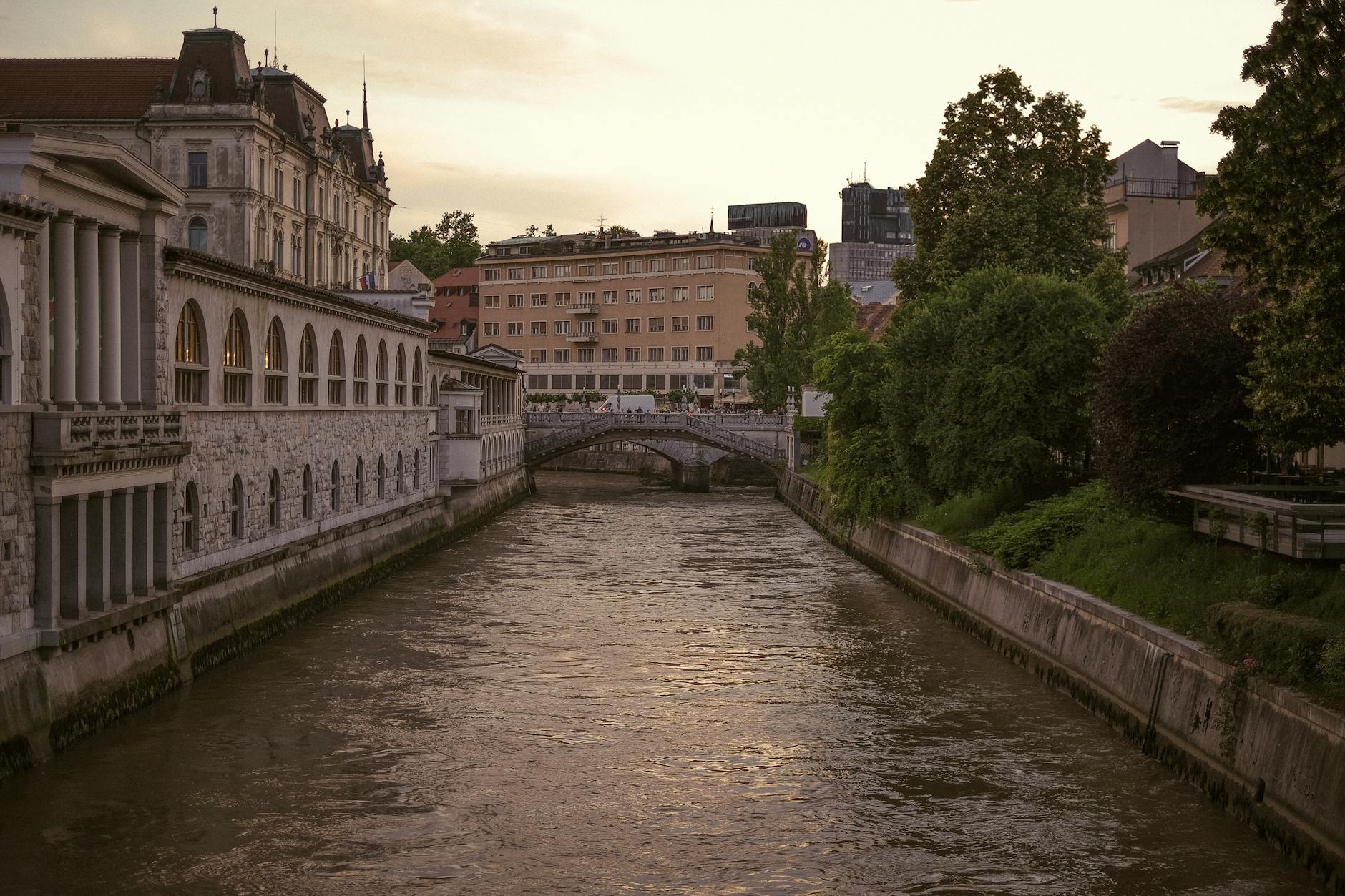
The Ljubljanica river runs through the old town and is flanked on both sides by café terraces that fill up from morning until late. This is where Ljubljana does its living: office workers between meetings, students with books and laptops, tourists who decided to stop walking and simply sit. The river bridges — particularly Tromostovje (Triple Bridge) and the Butchers’ Bridge — frame views that reward unhurried sitting with a coffee. Kavarna Zvezda on nearby Wolfova (since 1823) is the oldest café in Ljubljana — its cream cakes are as famous as its coffee.
☕ Open from early morning · 📍 Along the Ljubljanica, old town Ljubljana
Visit Ljubljana Food & Drink → Book a tour →
Lent & the Drava Terraces
Lent District, Maribor
Maribor’s Lent district — the oldest part of the city, along the banks of the Drava river — is where the world’s oldest vine grows and where the city sits down for coffee. The riverside terraces face west, catching the afternoon sun, and run alongside a string of bars, galleries, and wine shops that make Lent one of the most pleasant places in Slovenia to spend an afternoon. In summer, Lent becomes the stage for the annual Lent Festival — two weeks of concerts, food, and outdoor events that bring the entire city outdoors. Combine a morning visit to the Oldest Vine Museum with a long café afternoon in Lent.
☕ Café terraces open all day · 📍 Lent district, Maribor riverbank
Visit Maribor Tourism → Book a tour →Planning Your Wine Trip
Two practical questions every Slovenian wine trip runs into.
Compare rental cars in Slovenia →
Find hotels in Ljubljana → · Find hotels in Maribor →
💡 Good to Know
- 🍷 “Na zdravje!” (na zdra-vyeh) is cheers in Slovenian — make eye contact when you clink every time
- 🥃 Žganje is Slovenia’s universal hospitality gesture — if a host offers you a glass, accept it; refusing is considered unusual
- 🍺 Ljubljana’s craft beer scene is concentrated in a few neighbourhoods — Metelkova, Črnuče, and the old town — easy to visit on foot or by bike
- ☕ Coffee culture means you will never be rushed — order, sit, watch the river, stay as long as you like
- 🍷 House wine in local restaurants is often excellent and inexpensive — ask for kužno vino (house wine) at small trattorias
- 🌿 Many Brda and Vipava wineries pair tastings with local prosciutto, olive oil, and cheese — bring an appetite