
City Break Freetown
Your complete guide to Krio history, Lumley Beach Road, Atlantic sunsets and the capital’s nightlife
The Sea Bird Express picks you up at the Lungi dock at half past four, twenty minutes after your flight from Brussels landed. The crossing across the mouth of the Sierra Leone Estuary takes forty-five minutes — warm wind, the open Atlantic on your left, the green peninsula mountains slowly rising on your right. You arrive at the Aberdeen Marina in the soft pink dusk; the taxi to your hotel is another ten minutes. By eight o'clock you are on a Lumley Beach rooftop with a Star beer in your hand, the Atlantic crashing on the sand thirty metres below. This is one of the world's better airport transfers and a fitting introduction to a city that has more energy per square kilometre than almost anywhere on the West African coast.
Freetown is small, dense and intensely alive — just over a million people pressed up against the Atlantic on a narrow ribbon of peninsula, with forested mountains rising directly behind. Founded in 1787 as a settlement for freed slaves from Britain, Nova Scotia and Jamaica, the city's history is a unique compression of Krio (Creole), West African and colonial layers. Today it is a working capital with diaspora returnees, a young creative scene, the West African music industry's most underrated talent pool, and a food culture that bounces between Lebanese, Krio, jollof rice and Italian. You walk it in three districts — downtown for the museum and the old Cotton Tree stump, Aberdeen for the diaspora hotels and the marina, and Lumley Beach Road for the long Atlantic promenade where the food shacks, rooftop bars and Sierra Leone's most ambitious nightclub all sit in a single kilometre.
Three to four days is the right length for a Freetown city break, plus one full-day excursion (Bunce Island, Banana Islands or Tacugama) and one beach segment at Tokeh or River Number Two. November to April is the dry-season window when every bar, museum and ferry operates on full schedule. The diaspora returns in December, so book restaurants and hotels two months ahead for Christmas through Carnival in early January. Wilberforce and Aberdeen ATMs are reliable for cash leones, US dollars are widely accepted, and most restaurants and hotels above mid-range take cards.
Downtown and the Cotton Tree — Freetown's historic core
Central Freetown holds the dense layer of Krio history that makes the city different from anywhere else in West Africa. The old central reference point was the Cotton Tree at the junction of Siaka Stevens Street and Pademba Road — the 400-year-old kapok tree where the freed slaves first gathered to give thanks in 1792. The original tree fell in a 2023 storm; a young cotton tree planted on the site is now growing in its place, and the location remains the symbolic heart of the city.
The Sierra Leone National Museum sits beside the new Cotton Tree, in the old colonial railway station. The collection is modest but exceptional — nomoli stone sculptures more than 500 years old, country cloth, traditional masks from Mende, Temne and Limba culture, and the original carved staff of the country's first president. Two hours covers everything; combine with a walk to Maroon Church (built by former Jamaican slaves in 1808), St George's Cathedral (1828) and the Big Market three streets away.
Fourah Bay College, founded in 1827 on the eastern slope above the city, was the first Western-style university in sub-Saharan Africa — an institution that drew students from across the British West African empire and produced many of the region's first intellectuals. The original buildings (gutted in the 1990s civil war) are now under restoration. The newer campus on Mount Aureol above central Freetown offers a stunning view of the city and the estuary, especially at sunset.
King Jimmy Market and the Big Market are the two main central craft and food markets. King Jimmy is where the morning fishing boats land — bonga, snapper, lobster and crab brought up the steps direct from the boats by 6am. The Big Market on Wallace Johnson Street is the place for country cloth (gara tie-dye, kente strips), wooden masks, raffia bags and the Sierra Leone-specific basketry of the northern Temne. Bargain politely; a decent piece of country cloth costs a fraction of equivalent textiles in West African capitals.
Aberdeen and the Lumley Beach strip
Aberdeen is the diplomatic and hotel district at the western end of the peninsula. Sheltered by Cape Sierra and the Lumley headland, the neighbourhood holds the airport-water-taxi marina, most of the international hotels (Radisson Blu Mammy Yoko, Mamba Point, Hub Hotel and the Country Lodge above on Hill Station), the main beach strip and the city's most established food scene.
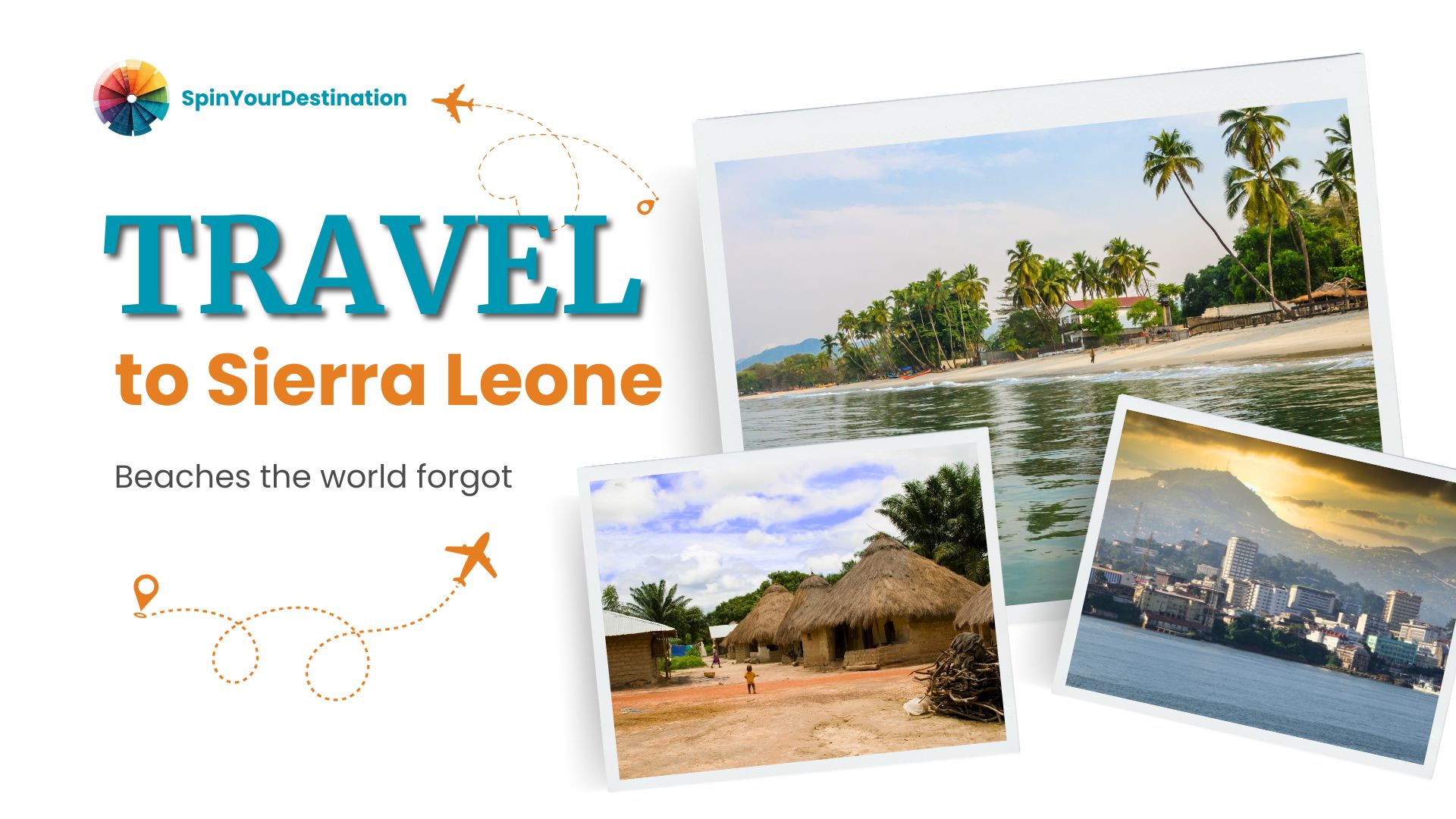
Lumley Beach Road runs four kilometres from Aberdeen Bridge in the north to the National Stadium and Cape Sierra lighthouse in the south. On your right is the open Atlantic and a low wall above the sand; on your left is the strip of beach bars, food shacks, fitness clubs, the Family Kingdom amusement park (busy on Sunday evenings) and a cluster of hotel rooftop bars and rooftop pools. Walk it at dusk and you have crossed paths with school football matches on the sand, the city's joggers, Lebanese teenagers in convertibles, women selling roasted bonga from charcoal stoves and the early evening crowd settling into the bars.
The Lumley sundown experience has a few classic stops. Roy's Hotel & Restaurant has been the easiest landing point for two decades — Lebanese-Sierra Leonean kitchen, grilled barracuda or chicken shawarma at the counter, a long sunset bar facing the Atlantic, and food served from 7am to 1am. The Cape Sierra Hotel rooftop is the older sunset terrace; the newer Chapter One opened in 2024 with Cloud Nine rooftop bar, Ocean Terrace restaurant and the city's most ambitious nightclub all on a single Lumley Beach plot.
Aberdeen is also the launching point for the day-trip boats — Sea Bird Express runs scheduled airport transfers and arranges private excursions to the Banana Islands, the estuary villages and the small offshore islands. Aberdeen Marina is a five-minute taxi from any Lumley hotel.
Day-trips from the city — Bunce, Banana, Tacugama
Three day-trips define the Freetown city-break itinerary — one for history, one for beaches, one for wildlife. All three are within ninety minutes of central Aberdeen.
Bunce Island, two hours by boat up the Sierra Leone River, is the country's most powerful day excursion. Between 1670 and 1808 the British slave-trading post on the small island shipped some 50,000 captured Africans to the rice plantations of South Carolina and Georgia — the gullah and geechee culture of the American Deep South traces directly back here. The ruins of the slave castle, the fort, the powder magazine and the prison yard remain. There is no museum and no gift shop — just rusted iron, broken brick and the river running silently past. Most tours combine Bunce with a stop at Tasso Island on the way back for lunch in the community-run eco-camp.
The Banana Islands lie just off the southern tip of the peninsula. Three small islands — Dublin, Ricketts and Mes-Meheux — reached by a short boat from Kent (a 90-minute drive from Aberdeen). Dublin has a freed-slave settlement from the 1820s, the Slave Hole, the Old Fort, St Luke's Church (1820s), and a beach lunch at Bafa or Old Turtle Bay. The reef around Ricketts is the best snorkelling in the country — corals, parrotfish, the occasional turtle.
Tacugama Chimpanzee Sanctuary, twenty minutes from downtown Freetown in the forest above Regent, holds more than 100 critically endangered Western chimpanzees rescued from the bushmeat and pet trades. The hour-long sanctuary tour at 10:30am and 12:00pm is the country's signature wildlife day-out. Combine with a hike on one of the four Tacugama-maintained forest trails (Congo Waterfalls is the easy choice) and you have a half-day from Aberdeen.
All three excursions are best booked in advance through Hello Sierra Leone, Yeama Leone Tours or direct with the sanctuary. Bunce in particular is dry-season only in practice — the estuary gets choppy from May onwards and boats are routinely cancelled.
Dining and nightlife — Krio, Lebanese, jollof and the rooftops
Freetown's food culture is a Krio-Lebanese-West African mash-up unlike anywhere else. Lebanese traders settled the city in the late 19th century and have shaped the restaurant scene ever since; Krio (the language and the culture of the freed slaves) shaped everything else. The result is a city where the best shawarma in West Africa and the best jollof rice live within fifty metres of each other.
Krio chop bars and street-side cookeries are the cheapest and most authentic places to eat — jollof rice (Sierra Leone's claim is arguably better than Ghana's or Nigeria's), cassava leaves with chicken or fish, groundnut stew, plassas (palm-oil stew with bonga fish), and pepper soup. The classic spots are along Wilkinson Road, around PZ in the centre, and in Lumley's small grid of side streets. A full plate costs less than the morning coffee at the international hotels.
Mid-range and upscale dining is concentrated in Aberdeen and along Lumley Beach Road. Roy's covers the casual sit-down and seafood end. Chapter One on Lumley Beach has the city's most ambitious chef-driven menu in its Ocean Terrace restaurant, plus Cloud Nine rooftop and the country's premium nightclub on the same plot. The Hub Hotel on Regent Road has a strong international menu and a 24-hour fitness centre for travellers who need a hotel meal late at night. Country Lodge on Hill Station has a fine-dining restaurant 200 metres above the city with the country's best view of the Atlantic.
For nightlife — Chapter One nightclub is the polished option, with international DJs and Afrobeat sets running to dawn at weekends. O'Casey's Bar on Lumley is the live-music venue where the Freetown Uncut Band plays back-to-back with reggae and traditional bands every Friday and Sunday. Papaya Bar is the casual pub option with live football, English-style food and a Friday live-music night. The Radisson Blu's Baw Baw bar has a Wednesday jazz night that draws an older expat crowd. Family Kingdom on Lumley Beach is the local Sunday-evening institution — barbecue, music, families and the country's biggest open-air gathering.
🌟 Top City Experiences
🚢 Seabird Express Water Taxi — Airport Crossing
The country's fastest airport transfer and a small adventure in itself. Thirty-minute scheduled water taxi between Lungi International Airport and Aberdeen Marina, matched to every commercial flight in and out. Boats are modern, life-jacketed, with onboard staff and an inflatable arrival pier at Aberdeen. Fixed one-way fares per adult passenger (Freetown→Lungi or Lungi→Freetown); children aged 2–7 fifty per cent off. Direct online booking via the official Seabird Express portal with passenger details, flight number and return journey all handled in a single form. Avoids the four-hour road and Tagrin ferry alternative. More info →
🏛️ Sierra Leone National Museum — Cotton Tree
The country's national collection, opened in 1957 and housed in the old colonial railway station beside the new Cotton Tree at the junction of Siaka Stevens Street and Pademba Road. Nomoli stone sculptures more than 500 years old, traditional masks from Mende and Temne secret societies, the original carved staff of Sir Milton Margai (Sierra Leone's first president), country cloth, gara tie-dye, and a small but moving exhibition on the freed-slave settlement of 1787. Allow ninety minutes. Symbolic heart of Freetown. Modest entry fee in leones; combine with a walk to the Maroon Church, St George's Cathedral and the Big Market. More info →
🍋 Freetown Oasis — Murray Town Café & Garden
The city's standout daytime escape, a Sierra Leonean woman-owned café and juice bar tucked just off Wilkinson Road on Murray Town Road, ten minutes from Lumley Beach. Fresh seasonal menu for breakfast, lunch and dinner, juices and smoothies pressed from fruit grown in the on-site garden, and good coffee in an air-conditioned indoor room or out under the flowers in the back garden. Within easy walking distance of grocery stores and the Wilkinson Road business district. The garden hall (air-conditioned, seating up to thirty-five) is rented for workshops, family reunions, birthday parties and small Freetown weddings. Catering, tables and chairs included on request. Open daily; reservations via the website or by email at oasisjuicebar@gmail.com. More info →
🏚️ 4-Day Bunce & Tasso City Package — Yeama Leone Tours
Yeama Leone Tours' easiest Freetown city-and-history package combining the heart of the capital with the country's most powerful day excursion. Day 1 airport arrival and transfer to your Freetown hotel. Day 2 Freetown City Tour with guide through the historic core, the Big Market, the National Museum and the Tacugama Chimpanzee Sanctuary. Day 3 boat trip to Bunce Island (the British slave castle) and Tasso Island (the community-run eco-camp lunch). Day 4 airport transfer and departure. Four-day package including guide fees, city-tour tickets and the Bunce/Tasso excursion; accommodation, vehicle and meals quoted separately. More info →
🌕 Freetown Coast & Country Tour — Big Market to Lumley Beach
The easiest way to see the historical and cultural heart of Freetown in one or two days — a flexible 1–3 day guided city tour run by Sierra Leone–based Coast and Country Tours-SL. Pickup from your hotel or Freetown International Airport, then a full day with English-speaking guide Sam (or one of his team) through the Big Market for handmade crafts, the iconic Cotton Tree, the Sierra Leone National Museum, the poignant King's Yard Gate where liberated Africans first arrived, and finishing on Lumley Beach for the sunset over the Atlantic. Add-on visits to the Tacugama Chimpanzee Sanctuary and dinner at a Krio kitchen on request. Flexible 1–3 day package including transport between all tour areas, entry fees, guided tours and water. Rated 5/5 on GetYourGuide. Free cancellation up to 24 hours, reserve now and pay later. More info →
🏠 Hotel Barmoi — Cape Road Boutique Stay
The veteran boutique hotel of Freetown, secluded on the cape of Aberdeen at 75C Cape Road with sweeping views of the Atlantic. Founded in 1999 by the late Dr Sheku T. Kamara and originally opened as the Cape Guest House, the property grew to thirty-six rooms and is the long-running favourite of returning visitors and diaspora travellers for its quiet, off-the-strip location. Most rooms have ocean views; on-site swimming pool, restaurant with Sierra Leonean and international menu, a bar known for fine lunches, free shuttle service, complimentary breakfast and meeting facilities for small events. Just off Aberdeen Beach Road and a short taxi from Lumley Beach. Direct booking via the website or by phone on +232 30 960016. More info →
💡 Insider Tips
- 🚢 Always take the water taxi from Lungi to Aberdeen: the road-and-ferry alternative takes four hours and is unpleasant in the dark. Sea Bird and Sea Coach both run scheduled crossings matched to all commercial flights. Book in advance through the operator's online portal — it's the smoothest arrival you'll have in West Africa.
- 🎉 December to early January is the city at full energy: the diaspora returns for Christmas and New Year, every restaurant runs reservations only, weddings and parties run every weekend, and the Lantern Parade lights up central Freetown. Plan two months ahead. February to April are still warm and lively but quieter, with easier hotel availability.
- 🌮 Three to four days for the city, plus one excursion and one beach segment: Freetown itself is best at three to four days — downtown walking, museum, Lumley sunset, a nightclub night. Add a full-day Bunce Island OR Tacugama excursion, then move to Tokeh, River Number Two or Bureh for two beach nights to finish.
- 🚚 Use InDriver or registered taxis after dark: petty theft happens on central Freetown streets and at the Lumley Beach strip after midnight. InDriver is widely used and shows the fare up front. Hotels can call a registered taxi for the return journey from a late dinner.
- 💵 Cash leones for street food and small bars; cards work at hotels: ATMs are reliable in Aberdeen and Wilberforce; markets and chop bars are cash-only in leones. The bigger restaurants (Roy's, Chapter One, Hub Hotel, Country Lodge) and all the international hotels accept Visa and Mastercard. Carry mid-denomination notes (NLe 20, NLe 50) — large notes are hard to break in markets.
- 🎗️ Order grilled fish at the beach shacks: between the Family Kingdom and Cape Sierra lighthouse you'll pass twenty informal beach food stalls grilling bonga (smoked herring), snapper, barracuda and chicken straight from charcoal stoves. A plate with rice and pepper sauce is cheap and plentiful. Choose a stall with a queue of locals; it's the freshest food in the city.