
🌟 What to Do & Local Tips
Explore experiences and tips to get the most from your trip in Iceland
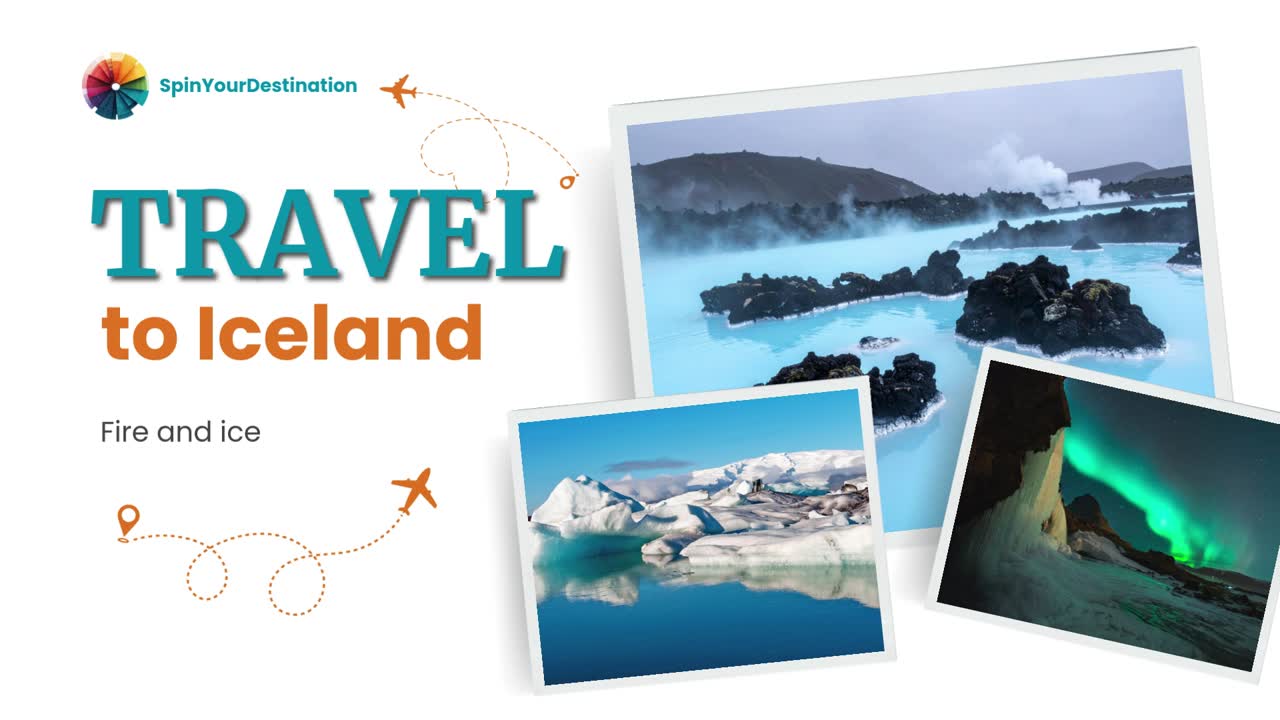
Iceland packs extreme geology into a small island—waterfalls every 20km, glaciers visible from roads, geothermal pools in parking lots. It's nature on display, accessible, dramatic.
Golden Circle, South Coast, Blue Lagoon dominate tourist itineraries. They're popular for reason—stunning and convenient. But Iceland rewards those who drive further—Westfjords, highlands, Snæfellsnes offer fewer crowds, equal beauty.
This is where you disconnect. Northern lights. Glacier hikes. Hot spring soaks. Budget 1 week minimum. Ring Road takes 7–10 days properly. Very Icelandic.
📍 Book Activities & Experiences
Northern Lights Tours
Aurora hunting Sept–March. Reykjavík, South Coast, Jökulsárlón. Guided tours with expert photographers, warm clothing provided, hot drinks. Unpredictable but magical. Best September–March. Peak Dec–Feb.
More info →Glacier Hiking & Ice Cave Tours
Walk on Sólheimajökull or Vatnajökull. Crampons, ice axes provided. Ice caves Oct–March only—natural blue caves inside glaciers. ISK 15,000–35,000. Book ahead. Essential Iceland experience.
More info →Golden Circle Day Tour
Þingvellir, Geysir, Gullfoss. Iceland's classic route. 6–8 hours. Do independently or tour (ISK 8,000–15,000). Morning start beats crowds. Geysir erupts every 5–10 minutes.
More info →Blue Lagoon & Hot Spring Experiences
Blue Lagoon: milky blue water, silica masks. ISK 9,000–20,000. Book weeks ahead. Mývatn Nature Baths cheaper alternative. Secret Lagoon: natural, ISK 3,500. Wild hot springs free at Reykjadalur, Landmannalaugar.
More info →⭐ Top Experiences in Iceland
⭐ Waterfall chasing
Seljalandsfoss (walk behind), Skógafoss (massive), Gullfoss (Golden Circle), Dettifoss (Europe's most powerful). Free, accessible. Visit early morning to beat crowds.
More info →⭐ Northern lights hunting
Sept–March. Reykjavík, South Coast, Jökulsárlón. Unpredictable but magical. Peak Dec–Feb. Guided tours or free viewing. Check vedur.is for aurora forecast.
More info →⭐ Glacier lagoon Jökulsárlón
Icebergs floating in black water. Seals swim by. Diamond Beach across road. Magical at sunrise/sunset. South Coast, 5h from Reykjavík.
More info →⭐ Hot springs & geothermal pools
Blue Lagoon, Mývatn Nature Baths, Sky Lagoon, Secret Lagoon. Wild springs: Reykjadalur (hike), Landmannalaugar. Free to expensive.
More info →⭐ Reynisfjara black beach
Black sand, basalt columns, Reynisdrangar sea stacks. South Coast near Vík. Dangerous waves—stay back. Free. Photogenic.
More info →⭐ Golden Circle
Þingvellir (rift valley), Geysir (erupting spring), Gullfoss (waterfall). 6–8 hours. Classic route. Self-drive or tour.
More info →⭐ Whale watching
Húsavík (north), Reykjavík (harbor). Minke, humpback, orcas. June–Aug best. ISK 10,000–15,000. Dress warm.
More info →⭐ Snæfellsnes Peninsula
"Iceland in miniature"—waterfalls, beaches, mountains, glacier. Kirkjufell iconic. Less touristy. 12–14h day from Reykjavík.
More info →⭐ Ice cave tours
Natural blue caves inside Vatnajökull. Oct–March only. Crystal Cave. ISK 25,000–35,000. Book weeks ahead. Magical.
More info →⭐ South Coast drive
Seljalandsfoss, Skógafoss, Reynisfjara, Jökulsárlón. 10–12h day. Self-drive best. Tours available. Long but rewarding.
More info →⭐ Landmannalaugar hiking
Colorful rhyolite mountains. Brennisteinsalda, Bláhnúkur. F-roads (4WD). June–Sept only. Free camping. Highlands adventure.
More info →⭐ Reykjavík food walk
Local food tours. Icelandic lamb, skyr, fresh fish. Learn about fermented shark (hákarl). Around ISK 15,000–25,000.
More info →⭐ Puffin watching
Látrabjarg (Westfjords), Dyrhólaey (South Coast), Ingólfshöfði. May–Aug season. Boat tours or cliff viewpoints. Free at cliffs.
More info →⭐ Svartifoss waterfall
Black basalt columns frame the falls. 45-min hike from Skaftafell parking. Unique geological formation. Popular but stunning.
More info →⭐ Westfjords remoteness
Ísafjörður, Dynjandi waterfall, Látrabjarg cliffs. Most remote. Fewer tourists. Puffins, hot springs. 2–3 days minimum.
More info →📋 Booking Tips
- Book popular tours early: Glacier hikes, ice caves, Blue Lagoon sell out—especially June–August
- Check cancellation policies: Weather changes hourly; flexible tours worth it
- Accommodation fills up fast: Book 3–6 months ahead for summer peak
- Compare platforms: GetYourGuide, Viator—prices vary.
- Read recent reviews: Ensure activity quality matches expectations
💡 Local Tips
Everything you need to know before you go
💡 Essential Info
ISK / kr
Icelandic króna
Largely cashless. Cards accepted everywhere. ATMs available. Tipping not expected.
Icelandic
Excellent—nearly everyone speaks fluent English, especially in tourist areas. Icelandic preserved, few loanwords.
+354
Emergency: 112 (police, fire, ambulance, medical)
Good mobile coverage on Ring Road. Free wifi common in accommodation, cafés.
No vaccines required. Routine vaccines recommended.
Tap water: Excellent—among world's cleanest. Drink freely from any tap. Hot tap smells sulfur—use cold for drinking.
🤝 Cultural Tips
💵 Tipping
Not expected: Service charge included. Rounding up appreciated but rare. Icelanders don't tip regularly. 5–10% only for exceptional service.
👋 Greetings
Formal: Handshake, direct eye contact. Icelanders reserved but friendly.
Informal: "Halló" or "Sæll". First names used. Equality valued. Personal space respected.
🍽️ Dining
Etiquette: Wait for host. Finish food. Expensive—budget ISK 3,000–5,000 per meal. Hot dogs (Bæjarins Beztu) cheap option.
Pace: Relaxed. Fish soup, lamb, skyr. Coffee culture strong.
⏰ Punctuality
Importance: Important. Be on time for tours—weather-dependent schedules.
Social: Icelanders value efficiency. If delayed, message.
👔 Dress Code
General: Practical, functional. Layers essential year-round. Waterproof jacket mandatory. Icelanders dress for weather. Outdoor gear normal everywhere.
🚨 Safety & Health
- Research local safety conditions before traveling
- Keep emergency contact numbers handy (112)
- Purchase travel insurance covering medical emergencies
- Stay aware—Reynisfjara waves dangerous, never turn back to sea
- Check weather (vedur.is) before outdoor activities—changes hourly
- Know the location of nearest embassy or consulate
💰 Money-Saving Secrets
- Cook own meals—groceries (Bónus, Krónan) much cheaper than eating out
- Many sights free—waterfalls, viewpoints, black beaches
- Secret Lagoon (ISK 3,500) vs Blue Lagoon (ISK 9,000+)—similar experience
- Book accommodation with kitchen facilities to save on meals
- Visit during shoulder season (Apr–May, Sept–Oct) for lower prices
- Drink tap water—free, excellent quality
📅 Best Time to Visit
Summer
June–August ~ 10–15°C, midnight sun (24hr daylight), all roads open
✅ Pros: Midnight sun, all F-roads open, highlands accessible, puffins, warmest weather, hiking season
❌ Cons: Peak prices, crowded tourist spots, no northern lights, accommodation sells out
Autumn
September–October ~ 5–10°C, shorter days, northern lights return
✅ Pros: Northern lights (Sept+), fewer tourists, lower prices, fall colors, fewer crowds
❌ Cons: Weather unpredictable, some F-roads close, rain common, days shorten rapidly
Winter
November–March ~ -5 to 5°C, short days (4–6hrs), northern lights peak
✅ Pros: Northern lights peak, ice caves (Oct–March), fewer tourists, snow, magical winter
❌ Cons: Very short days, some roads closed, cold, limited hiking, weather-dependent
Spring
April–May ~ 0–10°C, lengthening days, melting snow
✅ Pros: Northern lights still visible, lower prices, fewer tourists, waterfalls at peak from snowmelt
❌ Cons: Weather variable, some roads still closed, highlands inaccessible until June