

Australia Drink Guide
From the century-old Shiraz vines of the Barossa Valley to the Chardonnay estates of Margaret River, the natural wine bars of Melbourne and the world-class whisky distilleries of Tasmania — Australia's drinking culture is as serious and varied as any in the world.
Australia makes some of the most technically accomplished wine on earth — and some of its most distinctive. The Barossa Valley's old-vine Shiraz, grown from cuttings planted by German Lutheran settlers in the 1840s, produces wines of a concentration and depth found nowhere else. Phylloxera never reached South Australia, leaving a stock of irreplaceable old vines now over 160 years old. Clare and Eden Valley Riesling, aged under screwcap to preserve its lime-acid precision, is one of the few white wines that improves for twenty years. And Margaret River's Cabernet Sauvignon — coastal, restrained, structured — challenges the world's finest from Bordeaux and Napa alike.
Off the wine trail, Australia has developed a spirits and coffee culture that now wins global awards. Lark Distillery in Tasmania produced Australia's first legal small-batch whisky in 1992 and launched what is now a world-recognised whisky region. Four Pillars Gin in the Yarra Valley has become one of the most decorated gin producers on earth. And Melbourne's coffee culture — considered by the international specialty community to be the world's model for what a café should be — underpins a café scene that has shaped how the entire country eats and drinks. Here are the places worth visiting in person.
This guide contains information about alcoholic beverages and is intended for adults of legal drinking age in their country.
Wine — Wineries & Vineyards
Australia's wine identity was built in two places: the Barossa Valley, where German settlers planted Shiraz in the 1840s and left a legacy of old-vine material unmatched anywhere on earth; and Margaret River, where a 1965 academic report identified a near-perfect Bordeaux climate and a new wine region was created from jarrah forest and limestone within a generation.
Barossa Valley, South Australia — Old Vine Country
The Barossa Valley lies 60 kilometres northeast of Adelaide in the rain shadow of the Barossa Range. German Lutheran settlers arrived in the 1840s and planted Shiraz, Grenache and Riesling cuttings that survived phylloxera — the aphid that devastated European and most Australian vineyards in the late 19th century — because it never reached South Australia. The result is a living archive of pre-phylloxera vines: some Barossa Shiraz vines are now over 160 years old, their gnarled, head-pruned trunks producing small quantities of intensely concentrated fruit that cannot be replicated from younger rootstock. The wines are powerful, dark-fruited and long-lived — among the most cellar-worthy reds produced anywhere in the world.
Key grapes: Shiraz · Grenache · Mourvèdre · Cabernet Sauvignon · Riesling

Penfolds
Magill Estate, Adelaide & Nuriootpa, Barossa Valley
The most celebrated winery in Australia — and home of Grange, the country's most awarded wine. First made in 1951 by winemaker Max Schubert using techniques learned in Bordeaux, Grange was initially rejected by the Penfolds board and produced secretly for years before becoming a legend. Today it consistently earns 98–100 point scores from international critics and sells for AUD 900–1,200 per bottle. Penfolds operates two key visitor experiences: Magill Estate in eastern Adelaide — the original winery, with a restaurant (two hats, Good Food Guide) and the Make Your Own Blend experience (AUD 175) — and the Barossa Cellar Door in Nuriootpa, where the Recork program refills empty Penfolds bottles. The full Bin range from Bin 2 to Bin 707 is available for tasting; the RWT, St Henri and Yattarna experiences go deeper. A pilgrimage for any serious wine lover in Australia.
⏱ Daily from 10:00 · 💰 Tastings from AUD 35 · 📍 78 Penfold Rd, Magill & Tanunda Rd, Nuriootpa · Book in advance
Visit Penfolds → Reviews and book →
Henschke
Keyneton, Eden Valley, South Australia
Sixth-generation family winery and producer of Hill of Grace — one of Australia's most celebrated single-vineyard wines, and regularly ranked among the finest Shiraz wines in the world. The Hill of Grace vineyard in Springton, Eden Valley, takes its name from the Gnadenberg Lutheran church that stands at its boundary; the vines were planted in the 1860s and have never been grafted. The wine sells for AUD 900–1,000 per bottle and receives 99–100 point scores. The winery is run by winemaker Stephen Henschke and viticulturalist Prue Henschke, who have spent four decades restoring old-vine blocks across Eden Valley and Clare Valley. The Keyneton cellar door includes heritage walks through the original 1862 winery building, tastings of the full range including Mount Edelstone and Keyneton Estate, and access to library vintages. Visits are by appointment; the combination of family history, wine quality and vineyard access makes this one of the great winery visits in Australia.
⏱ By appointment Mon–Sat · 📍 Henschke Rd, Keyneton, Eden Valley · Book weeks in advance
Visit Henschke → Reviews and book →
Turkey Flat Vineyards
Bethany, Barossa Valley, South Australia
One of the great small Barossa family estates — the Schulz family has farmed the same property continuously since 1847, longer than any other winery in the valley. The Shiraz vines were planted in 1847 by Johann Fiedler, a German Lutheran settler; these are among the oldest continuously producing Shiraz vines in the world, pre-dating Penfolds Grange by over a century. Turkey Flat Barossa Shiraz is consistently rated among Australia's finest value high-quality Shiraz — typically AUD 35–45 retail — alongside a Grenache, Rosé, Mourvèdre and Marsanne that reflect the full range of old-vine Barossa varieties. The cellar door in Bethany occupies a historic 1870s butcher's shop; no bookings required for standard tastings; the property includes two heritage cottages for overnight stays. One of the most welcoming and unpretentious cellar-door experiences in the Barossa.
⏱ Daily 11:00–17:00 · 💰 Tasting free · 📍 Bethany Rd, Tanunda, Barossa Valley · No booking required
Visit Turkey Flat → Reviews and book →Margaret River, Western Australia — Bordeaux of the South
Margaret River lies 270 kilometres south of Perth, where the Indian Ocean meets the Southern Ocean on a cape of limestone and jarrah forest. The region was established as a wine region by a 1965 academic report by John Gladstones, who identified a near-perfect parallel with Bordeaux in the maritime climate — warm, dry summers, mild winters, cooling sea breezes from the west. Dr Tom Cullity planted the first vines at Vasse Felix in 1967, followed by a handful of other pioneering doctors and academics who saw the potential. Half a century later, Margaret River produces only 3% of Australia's wine by volume but over 20% by value — a concentration of quality at the top end that rivals any wine region in the world. The signature varieties are Cabernet Sauvignon (the finest Australian expression, full stop) and Chardonnay (considered by many critics to surpass Burgundy's best in strong vintages).
Key grapes: Cabernet Sauvignon · Chardonnay · Semillon · Sauvignon Blanc · Merlot

Leeuwin Estate
Margaret River, Western Australia
The founding estate of world-class Chardonnay in Australia — Leeuwin's Art Series Chardonnay has been produced since 1980 and is consistently rated one of the finest white wines in the Southern Hemisphere. Robert Mondavi visited the site in 1972 and recommended it; the Horgan family planted the first vines in 1974 with Mondavi's guidance. The Art Series Chardonnay regularly fetches AUD 130–160 per bottle and receives critical scores placing it alongside premier cru Burgundy; the 1987, 2005 and 2009 vintages are considered Australian wine landmarks. The estate also hosts the annual Leeuwin Estate Concert (held since 1985) in an amphitheatre on the property — a 6,000-person outdoor concert featuring artists from the London Philharmonic to Diana Ross. The cellar door is open daily with tasting flights from AUD 25; the Estate Restaurant (lunch daily, dinner Fri–Sat) is one of the finest in Western Australia.
⏱ Daily 10:00–17:00 · 💰 Tastings from AUD 25 · 📍 Stevens Rd, Margaret River · Restaurant booking recommended
Visit Leeuwin Estate → Reviews and book →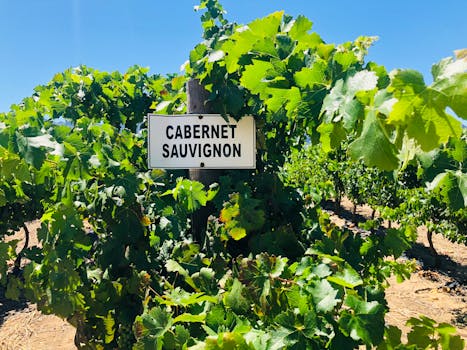
Vasse Felix
Cowaramup, Margaret River, Western Australia
The founding estate of Margaret River — established by cardiologist Dr Tom Cullity in 1967 as a weekend project after reading Gladstones' landmark report on the region's potential. Vasse Felix planted the first commercial vines in what would become one of the world's most significant wine regions. The winery today produces 30+ wines across four tiers, with the Heytesbury Chardonnay and Tom Cullity Cabernet Sauvignon as flagship expressions — the latter one of the most cellar-worthy reds made in Australia. Named Australia's Best Winery by the Halliday Wine Companion in 2021 and 2022. The cellar door at Cowaramup includes a gallery with a curated art collection that has documented Margaret River's history since 1987; the Vasse Felix Restaurant serves lunch daily in a glass-walled room overlooking the estate vines. The cellar door is among the most impressive in the country.
⏱ Daily 10:00–17:00 · 💰 Tastings from AUD 15 · 📍 Cnr Caves & Harman's S Rds, Cowaramup · Restaurant open daily for lunch
Visit Vasse Felix → Reviews and book →🍷 Practical Wine Tips
- Australian wine uses screwcap closures for the majority of its production — including many of the country's finest wines. The screwcap was pioneered in Clare Valley specifically to preserve Riesling aromatics and prevent cork taint; a screwcap on a top Australian wine is a quality decision, not a sign of cheap production
- Cellar-door prices in the Barossa and Margaret River are typically 20–30% lower than retail prices for the same wines — buying direct is strongly recommended. Most wineries offer free or low-cost tastings refundable against purchase
- Margaret River is 270 kilometres from Perth — a 3-hour drive. Plan at least two days; most wineries are clustered around Cowaramup and Margaret River town, and four or five excellent cellar doors can be visited in a single day
- Barossa harvest season runs February–April; the valley is beautiful during vintage, but book accommodation well in advance — Tanunda and Angaston fill up fast from late January
- The Barossa Old Vine Charter classifies vines by age: Survivor (35–70 years), Centenarian (70–100), Ancestor (100–130) and Barossa Old Vine (130+ years). Wines from Ancestor and Barossa Old Vine classifications command significant premiums and are genuinely irreplaceable
- Eden Valley Riesling and Clare Valley Riesling age exceptionally well under screwcap — buy direct at cellar door, store for 8–15 years and drink at double the price you paid. One of the best wine investments available in Australia
Wine Bars — Melbourne & Sydney
Melbourne and Sydney have developed wine bar cultures that are now internationally recognised — Melbourne particularly is considered one of the world's great cities for natural and minimal-intervention wine. Both cities have welcoming, knowledgeable bars where outstanding Australian and European wine is available by the glass, alongside food that takes the pairing seriously.

Embla
122 Russell St, Melbourne CBD
Probably the most influential wine bar in Australia — a 2015 opening by sommelier Christian McCabe and chef Dave Verheul that changed what a Melbourne wine bar could be. The list of 300+ wines skews heavily towards natural, low-intervention and organic producers from Australia, Europe and the Jura; every wine is available by the glass, with staff who can guide precisely through the list or simply recommend. The kitchen runs all day with a menu built around wood-fire cooking — dry-aged meats, vegetables from the charcoal grill, hand-made pasta — that stands independently of the wine program. Named in the World's 50 Best Bars for two consecutive years; cited in the Good Food Guide at two hats. The closest equivalent to a great European wine bar that exists in Australia — serious, warm, and entirely without pretension. Walk-ins welcome at the bar; tables bookable in advance.
⏱ Mon–Sat 12:00–late · 📍 122 Russell St, Melbourne CBD · Bar walk-ins welcome; tables bookable
Visit Embla → Reviews and book →
10 William St
10 William St, Paddington, Sydney
Sydney's most celebrated wine bar — a tiny, 25-seat Italian-inflected bar in Paddington opened in 2013 by the Swillhouse Group. 10 William St pioneered the small-plates/natural-wine format in Sydney before it became common: a list of over 250 wines (the majority Italian and Australian, skewed towards small producers and minimal intervention), available by the glass or bottle alongside anchovy toasts, arancini and rotating pasta dishes that are regularly cited among Sydney's finest small plates. The bar is deliberately intimate and informal — full-size bookings are essentially impossible; regulars know to sit at the counter, order whatever looks interesting and stay longer than planned. It has been replicated across Sydney a hundred times; none of the versions match the original. Arrive early or expect to wait — the wait is worth it.
⏱ Mon–Sun from 17:00, Sat from 12:00 · 📍 10 William St, Paddington, Sydney · Walk-in only; arrive early
Visit 10 William St → Reviews and book →
Wines of While
458 William St, Perth CBD
Perth's first and most celebrated natural wine bar — opened in 2018 and named GT's Bar of the Year in 2019. Housed in a Federation Art Nouveau shopfront on William Street, with worn timber floors, whitewashed walls and industrial steel wine racking, Wines of While stocks 600+ organic and biodynamic wines with a focus on minimal intervention and zero-sulphur producers from Australia and Europe. The bar is as serious about food as it is about wine: the menu is Mediterranean-inspired, changes daily based on seasonal produce from local organic farms, and is written on a chalkboard. The atmosphere is warm and electric — live jazz every other week, DJs monthly, knowledgeable staff who offer tastings before you commit. One of the best reasons to spend an evening in Perth.
⏱ Thu 16:00–22:00, Fri–Sat 12:00–23:00, Sun 14:00–21:00 · 📍 458 William St, Perth CBD · Walk-in; arrive early for outdoor seats
Visit Wines of While → Reviews and book →Know Your Australian Wine
Australia's wine classification system is based on Geographic Indications — a hierarchy of zone, region and sub-region — but the quality of the individual producer matters far more than any official designation. Here is what to look for before visiting a winery.
Australian wine labelling shows variety and region rather than classification tier — there is no Premier Cru or Gran Reserva system. Focus on the producer and the sub-region: Barossa Valley vs. Eden Valley for Shiraz; Margaret River for Cabernet and Chardonnay; Clare and Eden Valley for Riesling. When a winery uses the words “old vine” or “single vineyard,” take it seriously — these are meaningful distinctions in Australia, not marketing language.
Spirits — Whisky & Gin
Australia has produced two world-class spirits categories in the past three decades. Tasmanian whisky — pioneered by Lark Distillery in 1992 — now wins at the World Whiskies Awards alongside Scotland and Japan. And Australian craft gin, led by Four Pillars in the Yarra Valley and Archie Rose in Sydney, has become one of the most awarded gin categories in the world.
Tasmania, Yarra Valley & Sydney
Three of Australia's most important spirits addresses — from the distillery that founded Australian whisky, to the gin producer that put Australia on the world spirits map, to the multi-category distillery that has become Sydney's most awarded producer.
Key spirits: Tasmanian single malt whisky · Australian craft gin · White rye · Botanical spirits

Lark Distillery
Hobart, Tasmania
The distillery that founded modern Australian whisky. In 1992, Bill Lark discovered that a 164-year-old law prohibiting small-scale distilling in Tasmania was still on the books — and successfully lobbied parliament to change it, becoming the first licensed Tasmanian whisky distiller in the modern era. What followed was extraordinary: Lark's commitment to Tasmanian provenance — local barley, local peat harvested from the central highlands, soft Tasmanian water — created a house style that the 60+ distilleries that followed have tried to emulate. The core range includes the Classic Cask (approx. AUD 150 retail), Bourbon Cask and Peated Cask expressions; limited releases sell out on announcement. The Hobart cellar door at Sullivan's Cove offers tutored tastings (AUD 30–120) and immersive whisky experiences; the Distiller's Handcrafted program allows visitors to bottle their own cask sample. Named Australian Distillery of the Year multiple times at the World Whiskies Awards.
⏱ Daily 10:00–18:00 · 💰 Tastings from AUD 30 · 📍 14 Davey St, Hobart, Tasmania · Book tasting experiences in advance
Visit Lark Distillery → Reviews and book →
Four Pillars Gin
Healesville, Yarra Valley, Victoria
Australia's most internationally recognised craft gin — founded in 2013 in the Yarra Valley by Cameron Mackenzie, Matt Jones and Stuart Gregor, now the most awarded gin in the Southern Hemisphere. Four Pillars uses a custom-designed CARL copper still and sourcing that reflects where it is made: cold Yarra Valley water, Australian native botanicals (lemon myrtle, Tasmanian pepper leaf) alongside juniper, cardamom, star anise and lavender from around the world. The Rare Dry Gin is the foundation of the range; the Bloody Shiraz Gin — made by cold-macerating Yarra Valley Shiraz grapes in gin for eight weeks — has become a signature product and one of the most sought-after Australian gin purchases. Voted World's Best Contemporary Gin Brand at the World Gin Awards 2019 and 2020. The Healesville distillery includes a gin bar, restaurant, garden and interactive tour (from AUD 30) covering the entire production process from botanicals to bottling.
⏱ Daily 10:00–17:00 · 💰 Tours from AUD 30 · 📍 2 Lilydale Rd, Healesville, Yarra Valley · Book tours in advance
Visit Four Pillars → Reviews and book →
Archie Rose Distilling Co.
Rosebery, Sydney, New South Wales
Australia's most celebrated multi-category distillery — established in 2015 in Rosebery, inner Sydney, by Will Edwards as the first licensed Sydney distillery since 1853. Archie Rose produces gin, whisky, rum and vodka from a single distillery using 100% Australian grain; the White Rye (AUD 75) uses Australian rye malt and has won more than 30 international gold medals including World's Best Grain Whisky at the World Whiskies Awards 2019. The distillery bar and restaurant is open daily; Spirit School tastings (AUD 55, 2 hours) cover the production process, raw ingredients and guided tasting of all categories; private blending experiences allow visitors to create their own whisky blend. Rated number one Distillery in Australia by Concrete Playground readers 2023. For a single-venue spirits experience in Sydney, Archie Rose is unmatched.
⏱ Mon–Sat 10:00–22:00, Sun 10:00–17:00 · 💰 Spirit School from AUD 55 · 📍 85 Dunning Ave, Rosebery, Sydney · Bar walk-ins welcome
Visit Archie Rose → Reviews and book →Australian Spirits — What to Know
Tasmania, the Yarra Valley and Sydney have established themselves as the key Australian spirits addresses — but the broader craft distilling scene extends to every state. Here is what distinguishes Australian spirits from their international counterparts.
Tasmanian whisky distilleries are small, appointment-based and often sell out of specific expressions quickly. Lark, Sullivans Cove and Nant accept visitors by appointment; the standard tasting experience costs AUD 30–100. If you are planning a Hobart visit specifically for whisky, book distillery appointments alongside accommodation — the top expressions sell out at cellar door before they reach retail shelves.
Craft Beer — Breweries & Taprooms
Australia's craft beer revolution began in the 1980s in Western Australia — Little Creatures and Matilda Bay in Fremantle pioneered the category before it had a name. Today, the country has over 700 craft breweries, with particular concentrations in Melbourne's inner suburbs, Sydney's inner west and Byron Bay. The flagship Australian style — the Pacific Ale — has an identifiably local character built around Galaxy hops, tropical fruit and soft bitterness that has influenced craft brewing internationally.
Byron Bay, Fremantle & Melbourne
Three of Australia's most important craft beer addresses — the brewery that defined the Australian Pacific Ale style, the founding brewery of modern Australian craft beer, and Melbourne's most pioneering inner-city brewery.
Styles to look for: Pacific Ale · Session IPA · New England IPA · Lager · Pale Ale · Sour

Stone & Wood Brewing
Byron Bay, New South Wales
The brewery that defined Australian craft beer for a generation. Stone & Wood was founded in Byron Bay in 2008 by three former employees of major brewing companies who wanted to make beer that tasted like where it was from. The Pacific Ale (4.4% ABV) — brewed with Galaxy hops grown in Tasmania and a proportion of wheat malt, cloudy and tropical-fruited in the glass — is one of the most widely drunk craft beers in Australia and became the model for an entire local style. It has been imitated by hundreds of Australian breweries; none has surpassed the original. The Byron Bay brewery and taproom is open daily and serves pies, cheese and beer flights in a relaxed, garden-facing space; the Stone & Wood Garden in the Byron hinterland at Newrybar is the brewery's most scenic venue, open weekends, with excellent food and the full beer range on tap. A B Corporation-certified company since 2018.
⏱ Byron Bay daily from 11:00; Newrybar Garden Sat–Sun 11:00–17:00 · 📍 100 Centennial Circuit, Byron Bay
Visit Stone & Wood → Reviews and book →
Little Creatures Brewing
Fremantle, Western Australia
The founding brewery of modern Australian craft beer — established in Fremantle in 2000 by a group including Matilda Bay co-founder Phil Sexton, in a converted 1920s building on the Fremantle waterfront. Little Creatures Pale Ale was the beer that introduced hop-forward, unfiltered craft beer to mainstream Australian drinkers at a time when the national beer market was entirely controlled by two industrial lagers. The Fremantle brewery remains the spiritual home of the brand: harbour views from the terrace, a full restaurant kitchen, and the Pale Ale, Rogers' Amber Ale and Bright Ale on tap. The brewing production has moved to Geelong, Victoria, but what Fremantle offers is the original location and one of the great brewery venues in Australia — informal, spacious, and reliably good. A monument to the beer that changed what Australians drink.
⏱ Daily 11:00–late · 📍 40 Mews Rd, Fremantle, Western Australia · Harbour views from terrace
Visit Little Creatures → Reviews and book →
Mountain Goat Beer
North Richmond, Melbourne, Victoria
One of Melbourne's pioneering craft breweries — founded in 1997 in a North Richmond warehouse by Dave Golding and Cam Hines, who were early advocates of all-malt brewing at a time when adjuncts were universal in Australian commercial beer. Mountain Goat's Steam Ale and Hightail Ale established the brewery's reputation before the craft beer boom arrived; today the North Richmond site is one of the most reliable craft destinations in Melbourne, with a Brewery Bar open Thursday–Sunday and a Rare Breed experimental program that rotates weekly releases of small-batch and barrel-aged beers. The bar is intimate, unpretentious and genuinely local — a working brewery with a bar attached, not a themed experience. The food truck varies by week; the beers are consistently excellent and the environment is exactly what a Melbourne neighbourhood brewery bar should feel like.
⏱ Thu–Fri from 16:00, Sat–Sun from 12:00 · 📍 80 North St, Richmond, Melbourne · Rare Breed releases change weekly
Visit Mountain Goat → Reviews and book →Coffee Culture — Melbourne & Beyond
Melbourne is considered by the international specialty coffee community to be the world's premier coffee city — a claim that New York, London and Tokyo all make, but which Melbourne's historical dominance in technique, roasting innovation and café culture supports as well as anywhere. The tradition has its roots in the Italian immigration of the 1950s, which brought espresso culture to a city that had previously drunk instant; by the 1980s Melbourne had developed its own distinct café culture, and by the 2000s it was exporting that culture globally.

Patricia Coffee Brewers
Little Bourke St, Melbourne CBD
Melbourne's most celebrated small-batch specialty coffee bar — a standing-room-only space in the CBD that operates without chairs, tables or wifi, and is considered by many coffee professionals to be one of the best single espresso bars in the world. Patricia opened in 2013 and pioneered the relationship-based sourcing model in Melbourne: direct relationships with farms in Ethiopia, Colombia and El Salvador, roasted in-house, served at the bar by staff who know exactly where each coffee came from and can explain why it tastes the way it does. The flat white and single-origin filter are consistently ranked among Melbourne's finest. Queue at morning peak (8:00–9:00) is standard practice — arrive 15 minutes earlier and the wait is manageable. The experience of standing at the bench with a perfectly made flat white and nowhere particular to be is as close to Melbourne coffee culture as a single address can provide.
⏱ Mon–Fri 7:00–16:00, Sat 8:00–14:00 · ☕ Flat white, single-origin filter, cold brew · 📍 Little Bourke St, Melbourne CBD · Standing only
Visit Patricia Coffee → Reviews and book →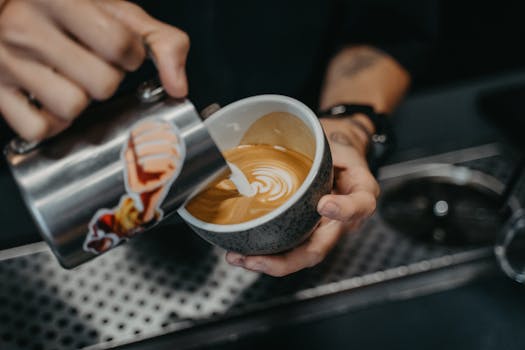
Market Lane Coffee
Multiple locations, Melbourne
Melbourne's finest specialty coffee roastery and café group — five locations across the city (Prahran Market, Carlton, Therry Street, Queen Victoria Market and Collins Street) with a roastery that exports to Japan, the UK and across Australia. Market Lane sources only from small farms, pays above-market prices and publishes all sourcing information transparently on its website: the farm, the region, the processing method and the price paid for every coffee. The specialty espresso program includes rotating seasonal single-origins and a year-round espresso blend; the retail bags are among the most sought-after Melbourne coffee souvenirs for visitors who want to take the taste home. The Queen Victoria Market location, open since 2011 in an original QVM stall, is the most atmospheric and the best starting point: order a flat white at the counter, take it to the market benches and spend the morning.
⏱ Hours vary by location; QVM: Mon, Wed, Fri–Sun from 7:00 · ☕ Flat white, single-origin filter, seasonal espresso · 📍 5 locations across Melbourne
Visit Market Lane → Reviews and book →
St Ali
12–18 Yarra Pl, South Melbourne, Victoria
The café that codified Melbourne's third-wave coffee culture and influenced specialty coffee globally — opened in South Melbourne in 2005 by Mark Dundon, who is credited with introducing traceability as a concept to the Melbourne café scene: the first local venue to publish the farm, region, processing method and price paid for every coffee on the menu. St Ali trained dozens of baristas who went on to found significant coffee companies across Australia and internationally; the culture it created — serious craft, complete transparency, zero snobbery — remains the defining model for Australian specialty coffee. The original South Melbourne site occupies a converted warehouse with high ceilings, exposed brick and long communal tables; the breakfast and lunch menu is full and well-executed. The coffee is still excellent. The original location has been joined by further Melbourne sites; the South Melbourne one remains the one to visit.
⏱ Mon–Fri 7:00–17:00, Sat–Sun 7:30–17:00 · ☕ Flat white, pour-over, seasonal espresso · 📍 12–18 Yarra Pl, South Melbourne · Full breakfast and lunch menu
Visit St Ali → Reviews and book →💡 Good to Know
- 🍷 Australian wine uses screwcap closures for the majority of its production — including many of the country's finest wines. The screwcap was pioneered in Clare Valley to preserve Riesling aromatics; if a top Australian producer uses screwcap, it is a quality decision, not a sign of cheap wine. Do not ask for a cork
- 🍷 Cellar-door prices in the Barossa, Margaret River and Yarra Valley are typically 20–30% lower than retail prices — buying direct is strongly recommended. Many wineries offer free tastings; where a fee applies it is generally refundable against purchase
- ☕ The Melbourne flat white is the standard order: stronger than a latte, smaller than a cappuccino, served in a ceramic cup (not a takeaway paper cup unless specifically requested). Melbourne café culture considers a takeaway paper cup a form of defeat — order properly and sit down, even if only for ten minutes
- 🍺 Stone & Wood's Pacific Ale is available across Australia and is the benchmark Australian craft beer style. If it's on tap anywhere you're drinking, order it — it's the style most Australians drink when they drink craft beer, and the original is still the best version of it
- 🏉 Tasmanian whisky distilleries are small and appointment-based — Lark, Sullivans Cove, Hellyers Road and Nant are the most accessible. Book appointments alongside accommodation if you're visiting specifically for whisky; production is limited and visitor capacity is small
- 🍷 Best Australian wine visiting months: Barossa Valley (February–April for harvest); Margaret River (February–March); Yarra Valley (March–May, cooler, earlier harvest). Harvest is the most atmospheric time to visit any wine region — but accommodation books out fast
- ☔ “Cheers” in Australia is just “cheers” — with genuine eye contact, a relaxed clink, and no particular ceremony. The Australian approach to drinking is direct, generous and entirely without formality. Rounds are expected: if someone buys you a drink, you will be expected to return the gesture before the evening ends