

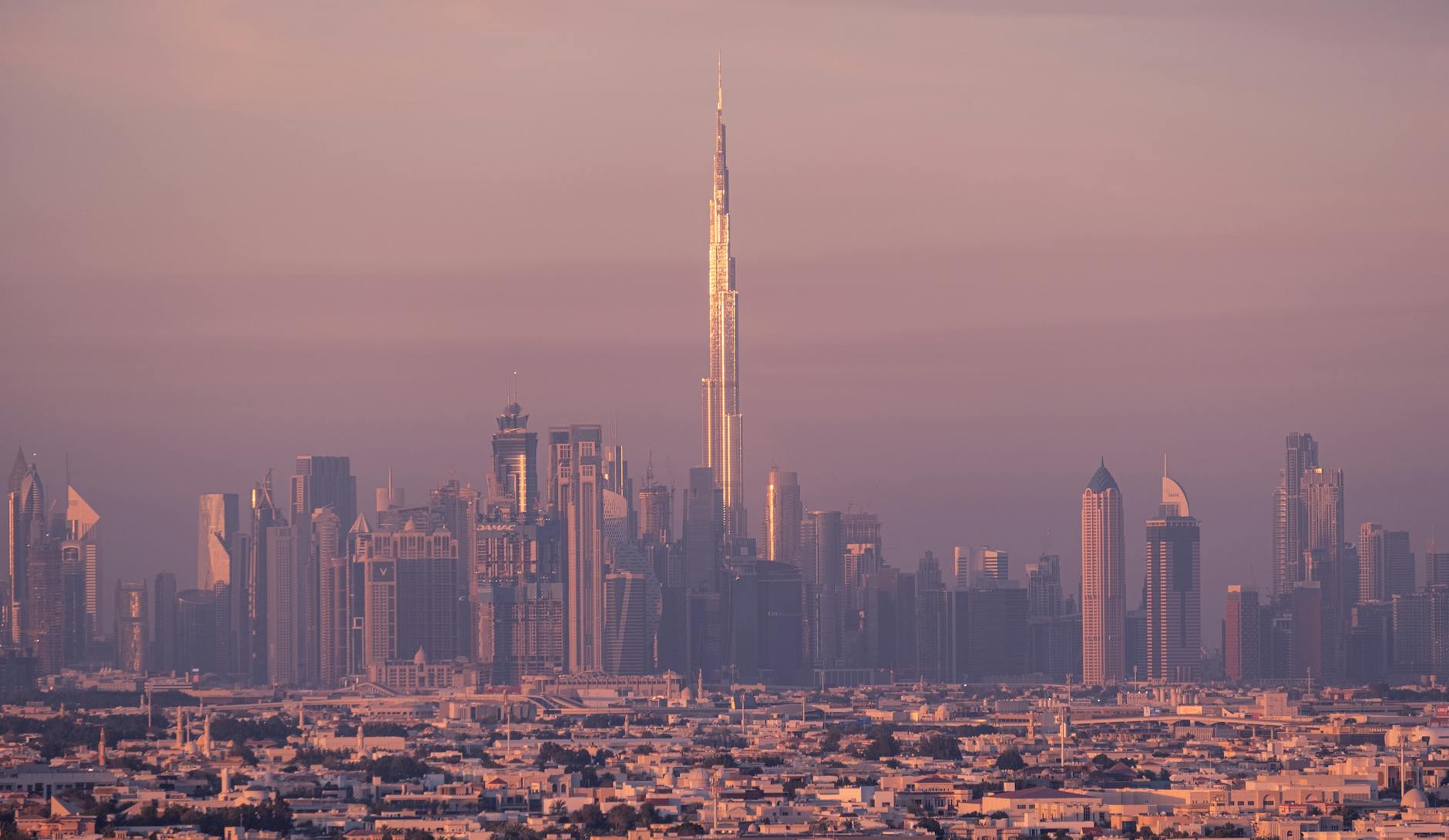
Dubai doesn't do modest. The Burj Khalifa is the world's tallest building at 828 meters. The Dubai Mall is massive. The artificial Palm Jumeirah is visible from space.
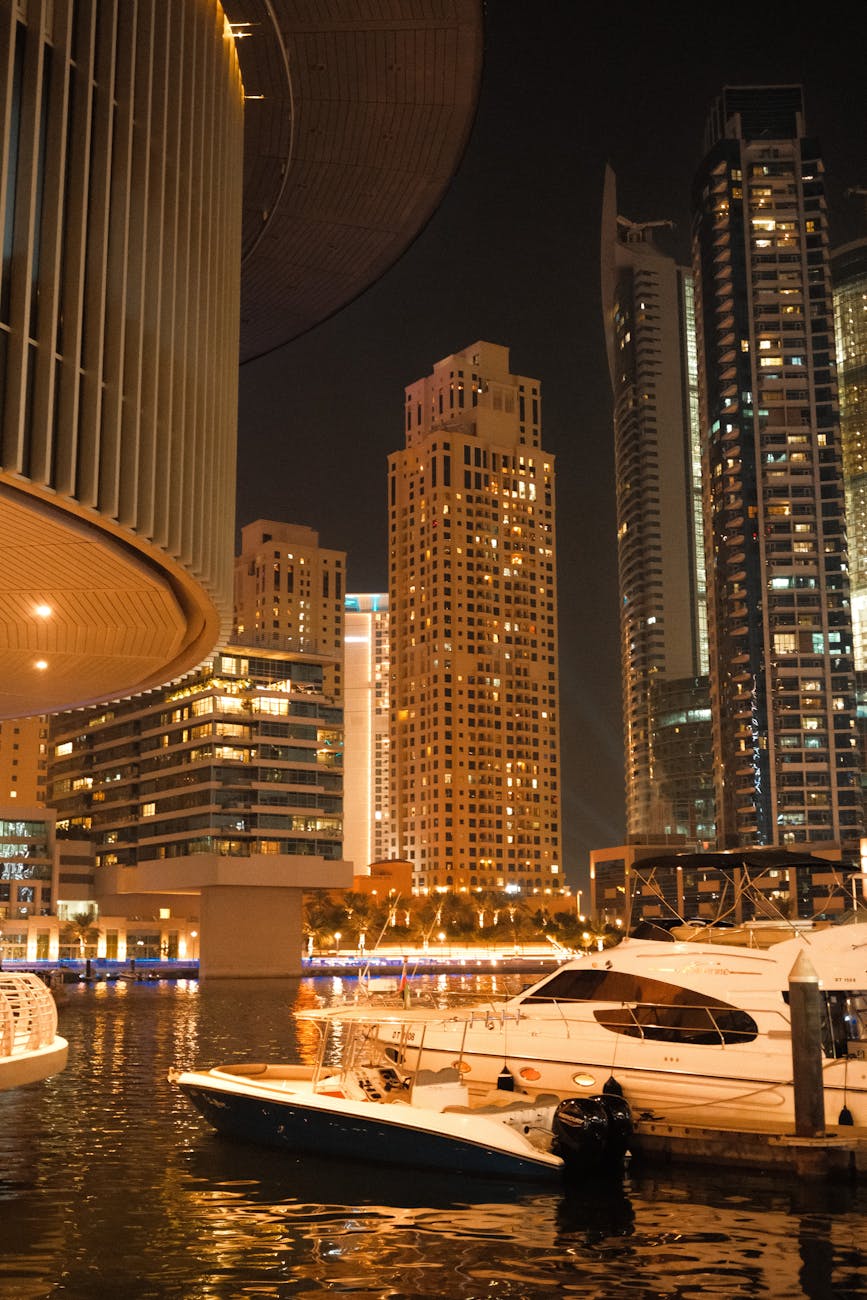
But beyond the superlatives, Dubai works as a destination. The metro is clean and efficient. English is widely spoken. The city feels safe, even late at night.
Old Dubai retains character. The Gold Souk and Spice Souk in Deira offer traditional trading atmospheres. Abra water taxis cross Dubai Creek for just a few dirhams.
Beach life centers on JBR (Jumeirah Beach Residence) and Kite Beach. Public beaches are well-maintained. Water temperature stays warm year-round.
Summer heat (June-September) is intense—40-45°C with high humidity. Most visitors come November-March when temperatures hover around 20-30°C.
Abu Dhabi moves at a calmer pace than Dubai. It's wealthier, more spacious, and more traditionally Emirati.
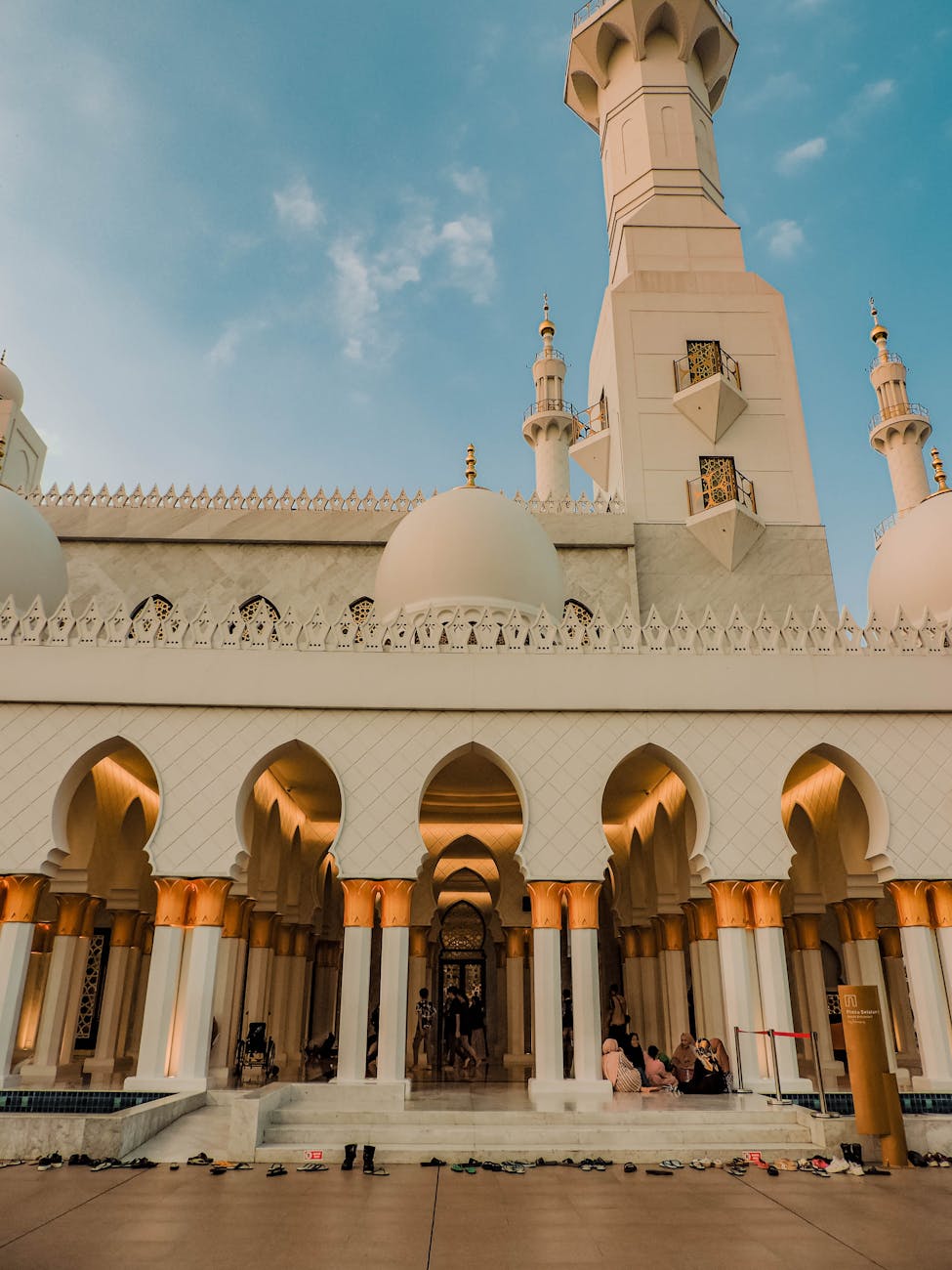
The Sheikh Zayed Grand Mosque is architecturally stunning. White marble. 82 domes. Capacity for 40,000 worshippers. Entry is free, but modest dress is required and strictly enforced.
The Corniche offers an 8km waterfront promenade with beaches, parks, and sea views. Perfect for evening walks when temperatures drop.
Louvre Abu Dhabi brings world-class art to the Gulf. The building itself—designed by Jean Nouvel—is worth the visit.
Abu Dhabi feels less touristy than Dubai. That's part of its appeal. It's where you see more Emirati daily life.
The desert is always close. Desert safaris from both Dubai and Abu Dhabi offer dune bashing in 4x4s, camel rides, sandboarding, and traditional Bedouin-style camps.
Al Ain, near the Oman border, preserves UAE heritage. The oasis has 147,000 date palms fed by ancient falaj irrigation systems (UNESCO-listed). Jebel Hafeet mountain offers dramatic views.
Liwa Oasis sits at the edge of the Empty Quarter (Rub' Al Khali). The Moreeb Dune rises 300 meters—one of the world's tallest sand dunes. It's remote and stunning.
Sharjah, the third emirate, maintains stricter cultural traditions. Alcohol is banned. Museums focus on Islamic art and heritage. It's more conservative, less flashy than Dubai.
The east coast (Fujairah, Khor Fakkan) offers quieter beaches, snorkeling, and mountains dropping to the Gulf of Oman. It's greener and less developed.
Currency is the UAE dirham (AED). Credit cards are widely accepted. ATMs are everywhere.
Many nationalities get visa-free entry or visa on arrival. The UAE introduced new visa reforms in 2026 with purpose-based visit options and expanded multiple-entry access.
Dubai and Abu Dhabi have excellent public transport—metro, buses, taxis. Between emirates, you'll need a car or bus. Roads are modern and well-maintained.
Alcohol is available in hotels and licensed venues in Dubai and Abu Dhabi. Public intoxication is illegal. Cultural sensitivity matters—dress modestly in public areas, especially outside tourist zones.
The UAE is politically stable and very safe. Crime rates are low. Tourism infrastructure is world-class. Language is not a barrier—English works almost everywhere.