
Copenhagen is consistently ranked among the world's most livable cities. It's easy to see why.
Bikes outnumber cars. The city is compact, walkable, and obsessively well-designed. Danish design principles—simplicity, functionality, beauty—are visible everywhere.
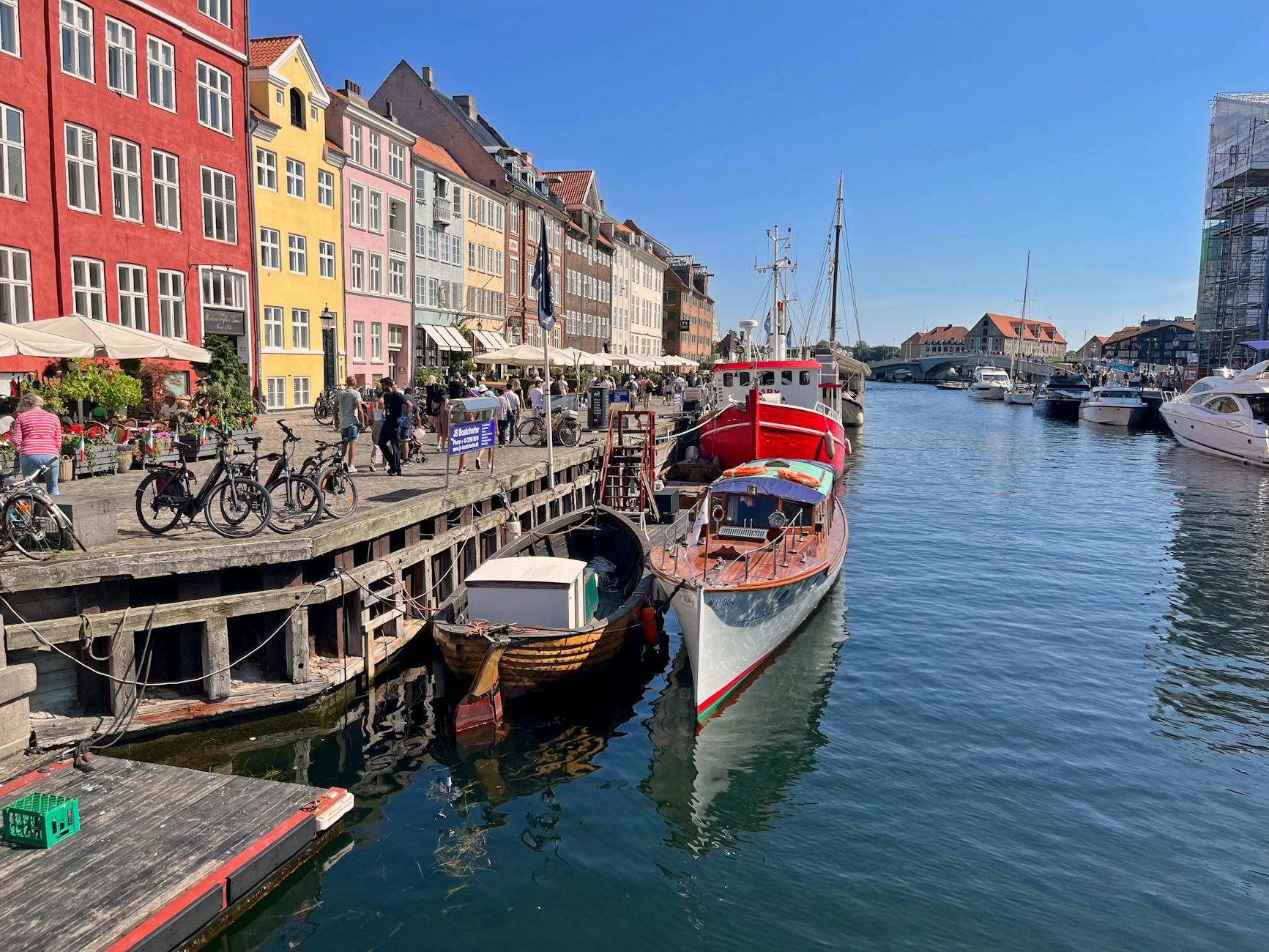
Nyhavn is the postcard shot. The 17th-century waterfront with colorful facades was once a rough sailors' district. Now it's restaurants, outdoor seating, and boats offering canal tours.
Amalienborg Palace is the Queen's residence—four rococo palaces around an octagonal courtyard. Watch the changing of the guard at noon daily. It's precise. Very Danish.
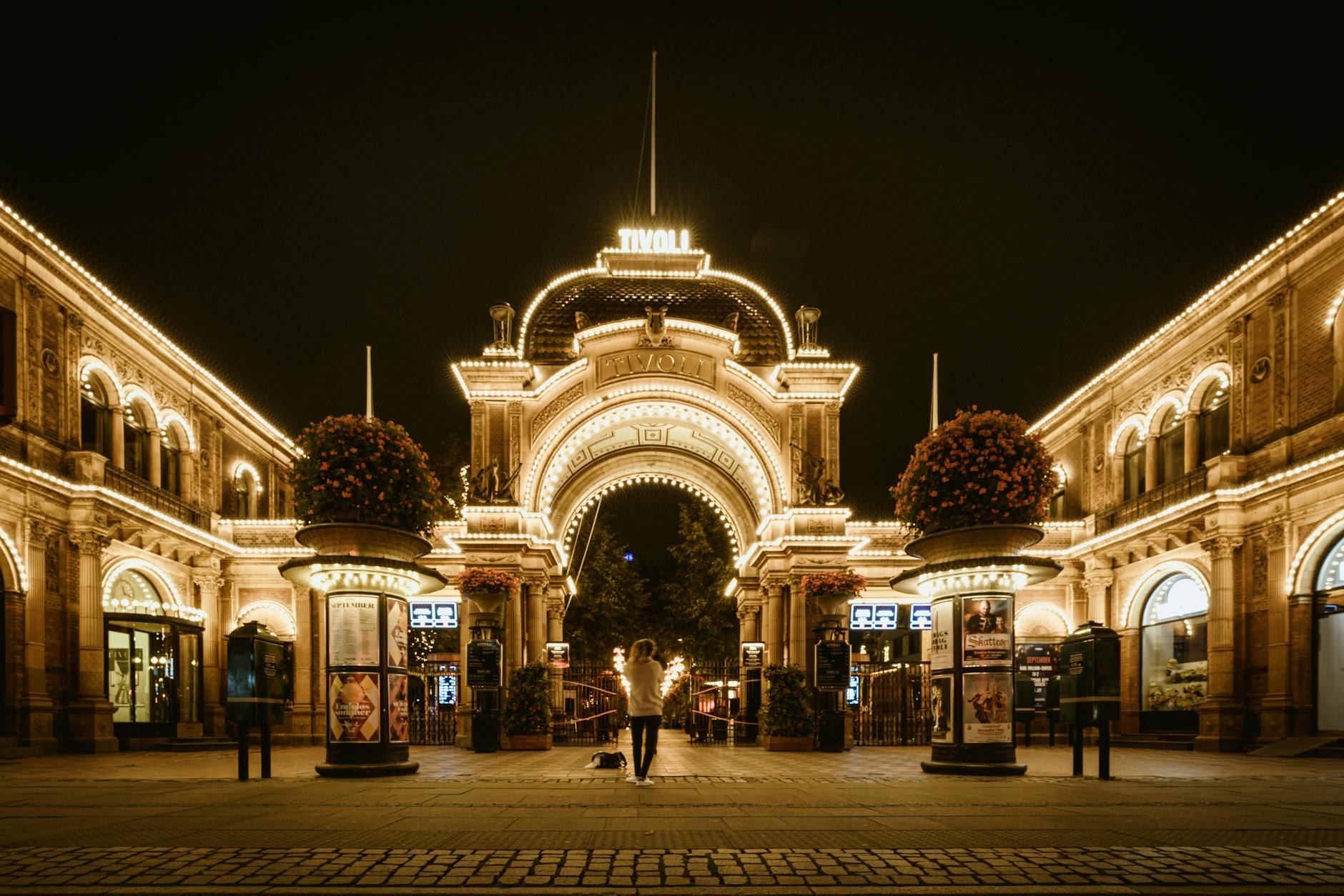
Tivoli Gardens opened in 1843, making it one of the world's oldest amusement parks. Over 30 rides, 100+ events annually, beautiful gardens, and excellent restaurants. It operates 255 days per year across multiple seasons.
Hygge (pronounced "hoo-gah") was added to the Oxford English Dictionary in 2017. It's Denmark's cultural export—a philosophy of comfort, coziness, and contentment.
It's candles at dinner. Thick socks. Friends around a table with wine. A quiet evening with a book. Time away from the daily rush to savor life's simpler pleasures.
Danish homes reflect hygge—soft textiles, natural materials, muted colors, and warm lighting. Seven out of 10 Danes report feeling most hygge at home.
Denmark's long, cold, dark winters make hygge essential. Indoor gatherings become central to social life. It's about creating warmth when nature provides little.
Hygge isn't just a buzzword. It's a genuine approach to living well that the Danes have perfected over centuries.
Denmark has 26 major castles and palaces spanning from Viking fortresses to Renaissance masterpieces.
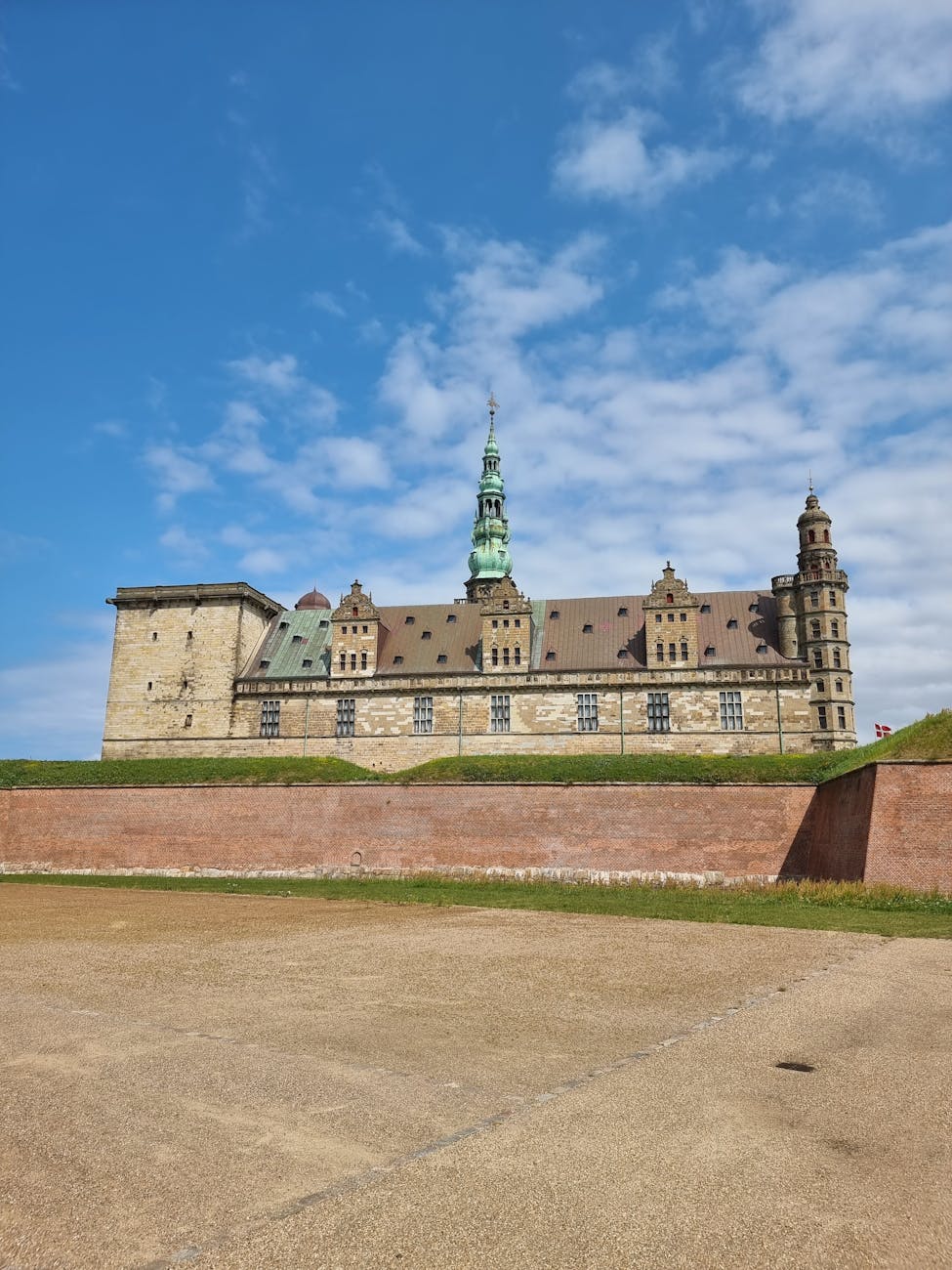
Kronborg Castle in Helsingør is a UNESCO World Heritage Site. Built in the 1500s, it inspired Shakespeare's Hamlet. Cannon-lined ramparts and star-shaped bastions overlook the Øresund Strait.
Frederiksborg Castle in Hillerød is called "The Nordic Versailles." It's Scandinavia's largest Renaissance residence, built by King Christian IV in the early 1600s. Ornate gables, copper spires, baroque gardens, and the Museum of National History.
The Jelling Monuments are Denmark's "birth certificate"—rune stones carved by Viking King Harald Bluetooth over 1,000 years ago. UNESCO-listed and central to Danish identity.
Roskilde's Viking Ship Museum displays five original Viking ships discovered in Roskilde Fjord. You can see how Vikings built and sailed these vessels.
Denmark is flat, green, and surrounded by water. The coastline stretches over 7,300 kilometers.
Møns Klint features dramatic white chalk cliffs south of Copenhagen. The cliffs rise 128 meters above the Baltic Sea. Rare flora, fossil beaches, and stunning views.
Thy National Park is Denmark's wildest national park. Untouched dunes, twisted forests, traditional seaside villages, red deer, and eagles. It's raw and beautiful.
Wadden Sea National Park is Denmark's largest at 1,459 km². UNESCO-listed for its unique tidal landscapes and biodiversity.
Danish beaches are clean, family-friendly, and often surprisingly warm in summer. The coastline offers everything from sandy beaches to rocky shores.