Belgium Drink Guide
From the sparkling wines of Haspengouw and Wallonia's organic vineyards to jenever distilleries, Trappist abbey cellars, and the lambic breweries of Brussels — Belgium drinks with uncommon depth.
Belgium's drinks story is told in layers. Wine comes first — a small but serious scene, with limestone terroirs in Flanders producing sparkling wines that have drawn international attention, and organic vineyards in Wallonia making wines of genuine quality. Then jenever, the original grain spirit from Hasselt, distilled here for over five centuries. Then beer — not just beer, but arguably the world's most complex beer culture: six Trappist abbeys, the last surviving lambic breweries in Brussels, over 1,500 documented styles. Step through any Belgian café door and every drink on the list has a story worth knowing.
This guide contains information about alcoholic beverages and is intended for adults of legal drinking age in their country.
Wine — Belgian Vineyards
Belgium's wine scene is small, fast-growing, and genuinely surprising. More than half of all Belgian wine is sparkling — produced on chalk and limestone terroirs that draw direct comparisons with Champagne. The country passed four million litres of production for the first time in 2025, with 350 registered estates across Flanders and Wallonia. Discovery is still part of the experience: most bottles never leave Belgium.
Flanders — Haspengouw & Hageland
The calcareous limestone hills of Haspengouw in eastern Flanders sit at the same latitude as Champagne and share similar soils — the conditions that give Belgian sparkling wines their fine acidity and elegance. The Genoels-Elderen estate near Riemst has been making the case for Flemish wine since 1991, and the Champagne authority Tom Stevenson's verdict — "exceptional" technical expertise — confirmed what local drinkers already knew.
Key varieties: Chardonnay · Pinot Noir · Auxerrois · appellation: Haspengouw · Hageland
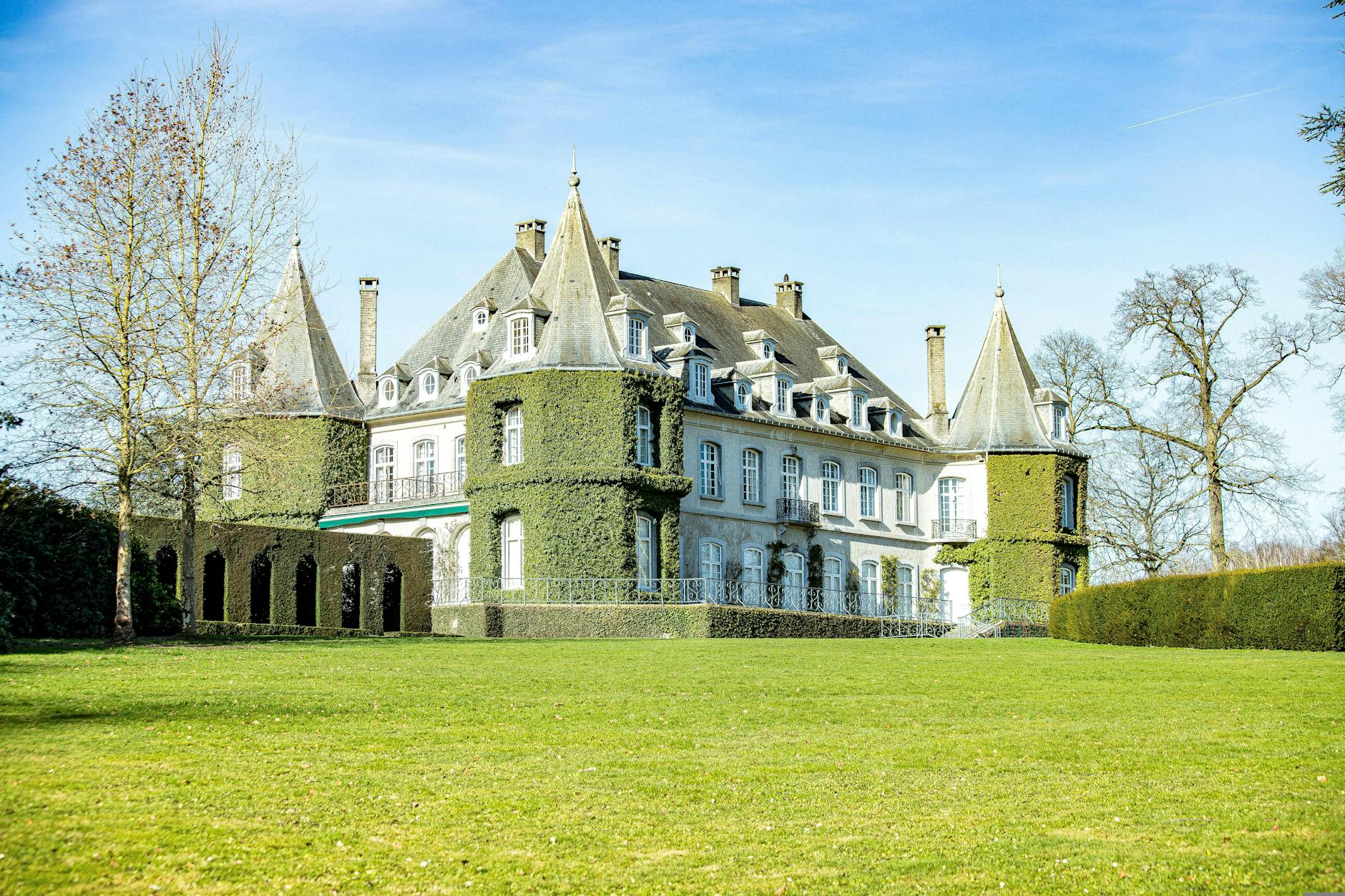
Wijnkasteel Genoels-Elderen
Riemst, Haspengouw, Flanders
Belgium's most internationally recognised wine estate — a genuine wine castle surrounded by 22 hectares of Chardonnay and Pinot Noir on the calcareous limestone soils of Haspengouw. Founded in 1991, the estate makes both sparkling wines by the traditional method (bottle-fermented, aged on lees) and still whites and reds. The wine bar is open without reservation: order by the glass, taste a flight, or share a bottle on the summer terrace in the rose garden. Guided tours cover the vineyards, the state-of-the-art cellar, and the distillery.
⏱ Wine bar open during estate hours · Summer terrace May–Aug · 📍 Elderenlaan 8, Riemst, Limburg · 🍾 Sparkling & still — Chardonnay, Pinot Noir
Visit Genoels-Elderen →Wallonia — Hainaut & Namur
Wallonia produces more wine than Flanders despite having less vineyard land — because Walloon producers concentrate on sparkling wine, which yields more per hectare. The chalk soils of Hainaut, south of Mons, are directly comparable to Champagne. Further east, near Namur, the Côtes de Sambre et Meuse appellation specialises in organic still wines made from disease-resistant PIWI varieties — a genuinely original wine style found nowhere else in the world.
Key varieties: Chardonnay · Pinot Noir · Rondo · Pinotin · Bronner · appellations: Crémant de Wallonie · Côtes de Sambre et Meuse
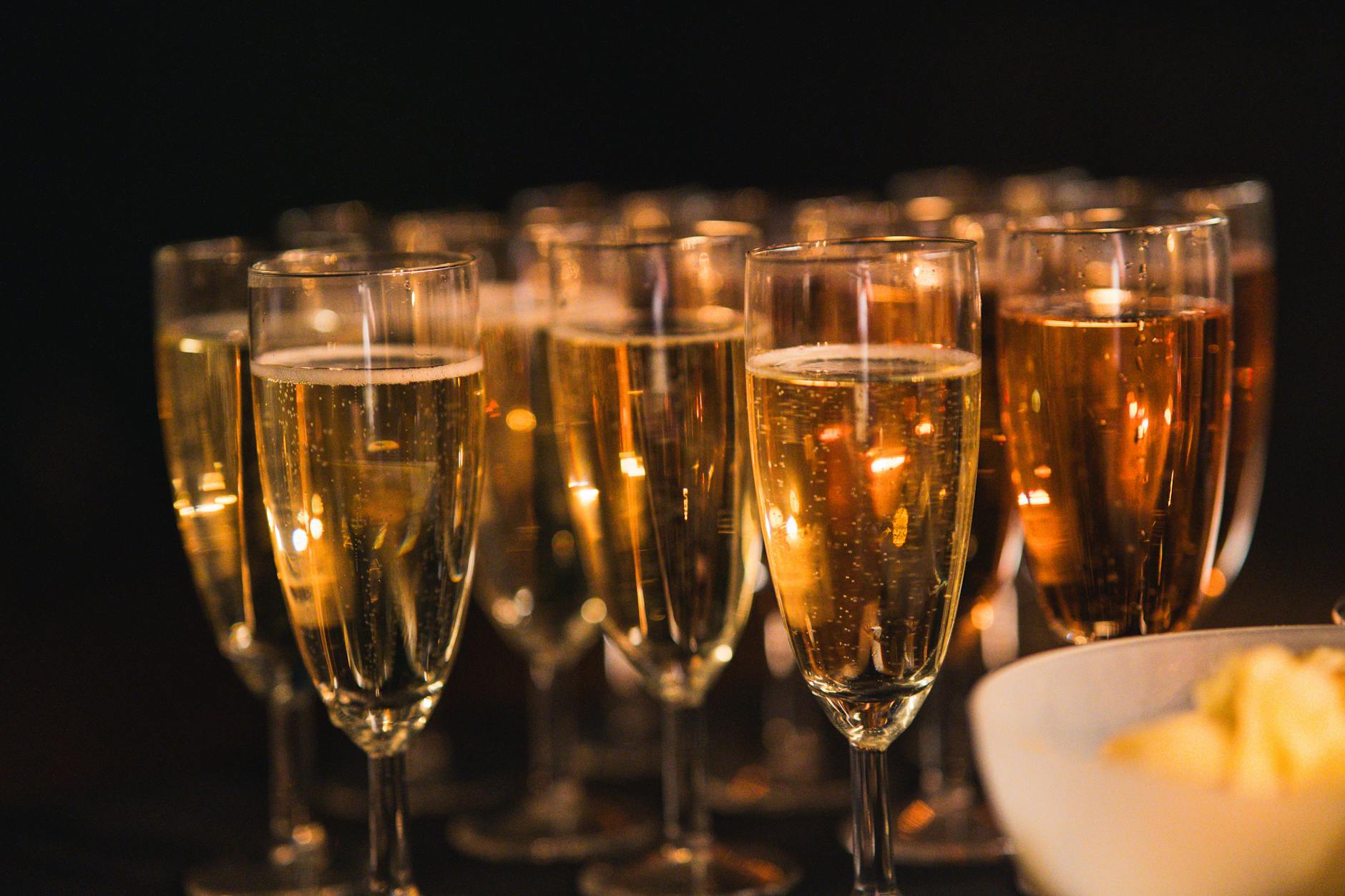
Domaine du Chant d'Éole
Quévy, south of Mons, Wallonia
Belgium's largest vineyard — 52 hectares of Chardonnay (97%), Pinot Noir, and Pinot Blanc on white chalk soils south of Mons, producing exclusively traditional-method sparkling wines. Founded in 2010 as a partnership between a family of Champagne winemakers and a Belgian farming family, Chant d'Éole is the country's most decorated estate: Grand Gold Medal (World's Best Bubble) at the Concours Mondial de Bruxelles 2019, Best Chardonnay in the World 2020, and multiple international gold medals since. Two gastronomic restaurants on site — an outstanding destination 40 minutes from Brussels.
⏱ Boutique Mon–Sat 10:00–18:00 · 📍 Grand'Route 58, Quévy, Hainaut · 🍾 100% sparkling, traditional method · Two on-site restaurants
Visit Chant d'Éole →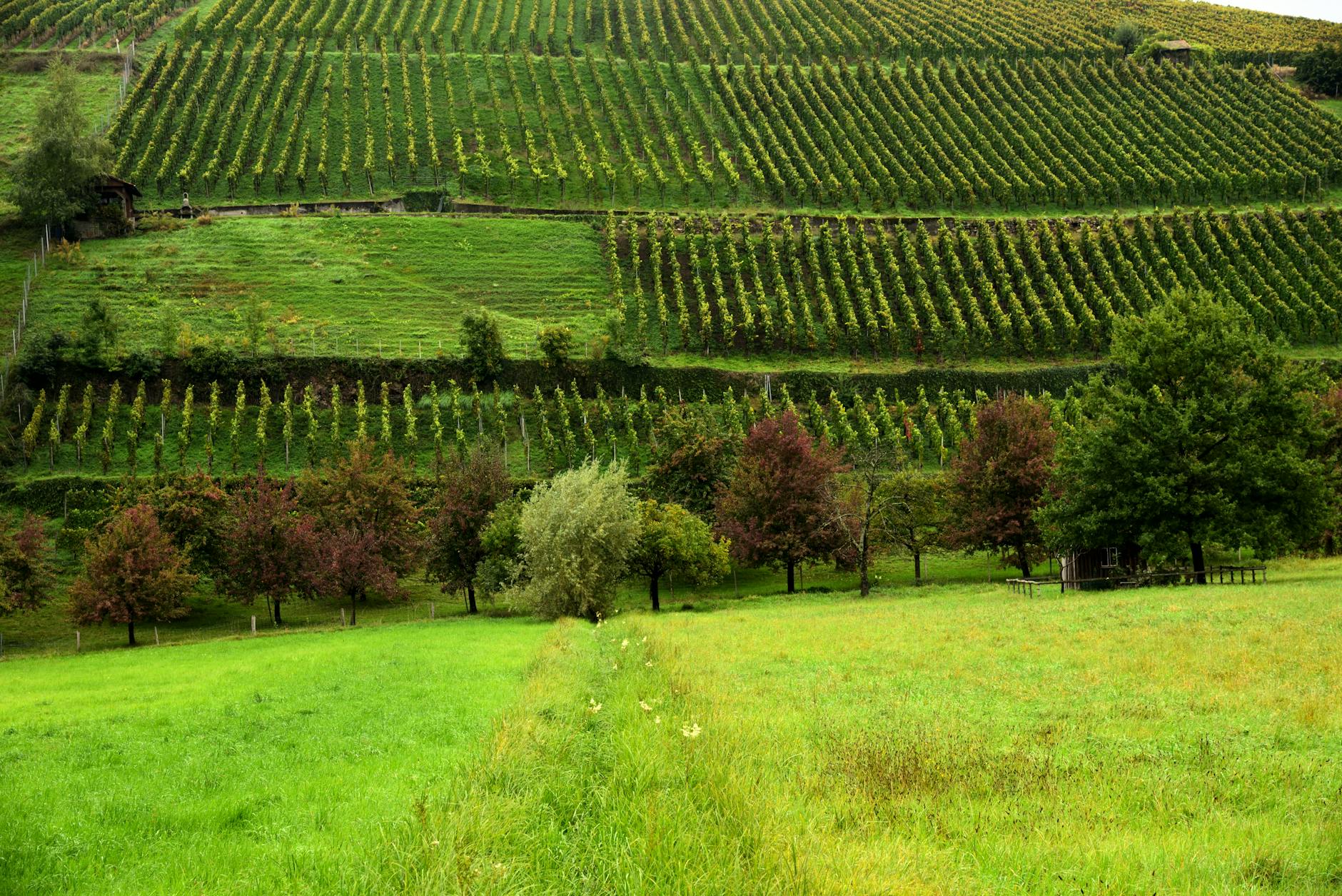
Domaine du Chenoy
Émines, near Namur, Wallonia
One of Belgium's most serious wine estates — a 10-hectare certified organic vineyard near Namur established in 2003, under the Côtes de Sambre et Meuse appellation. Domaine du Chenoy makes still whites and reds from disease-resistant PIWI varieties: Pinotin, Rondo, and Cabertin for reds; Bronner, Johanniter, and Solaris for whites. The assemblages are supervised by Éric Boissenot, consultant oenologist to some of Bordeaux's most celebrated grand cru châteaux. Guided tours with tastings run year-round by appointment.
⏱ By appointment · 💶 Tastings by appointment · 📍 Rue du Chenoy 1b, 5080 Émines, Namur · 🍷 Organic reds, whites & sparkling
Visit Domaine du Chenoy →🍾 Practical Wine Tips
- Belgian sparkling wine from Haspengouw uses the same method as Champagne — bottle-fermented, aged on lees — but at a fraction of the price; Genoels-Elderen's wine bar is open without reservation during estate hours
- Most Belgian wine is sold exclusively at the estate — very few bottles reach restaurants or shops outside Belgium; buy directly at the vineyard to find bottles unavailable anywhere else
- PIWI hybrid varieties (Rondo, Pinotin, Bronner, Solaris) mean most Belgian estates are certified organic or near-organic by default — the wines taste unlike anything French or German; try them on their own terms
- Côtes de Sambre et Meuse reds improve noticeably with 2–3 years in bottle — Domaine du Chenoy's Rondo and Pinotin blends drink best at three years or more; ask the estate what to cellar
- Hageland whites pair remarkably well with Belgian cuisine — Auxerrois with grey shrimp croquettes, Pinot Gris with waterzooi, and a light Pinot Noir with carbonnade flamande
- Visit May–September for summer terraces and full opening hours; many Belgian estates close or operate by appointment only in winter — always check before making the trip
Wine Bars & Tasting Rooms
Belgium's wine bar scene is small, serious, and growing fast. The bars that have appeared in Brussels and Antwerp over the past decade share a common ambition: to prove that Belgian wine deserves the same respect as French or German — not despite the fact that it's local, but because of it. These are the addresses where Belgian producers are championed by the glass.
Le Mépris
Rue Haute, Marolles, Brussels
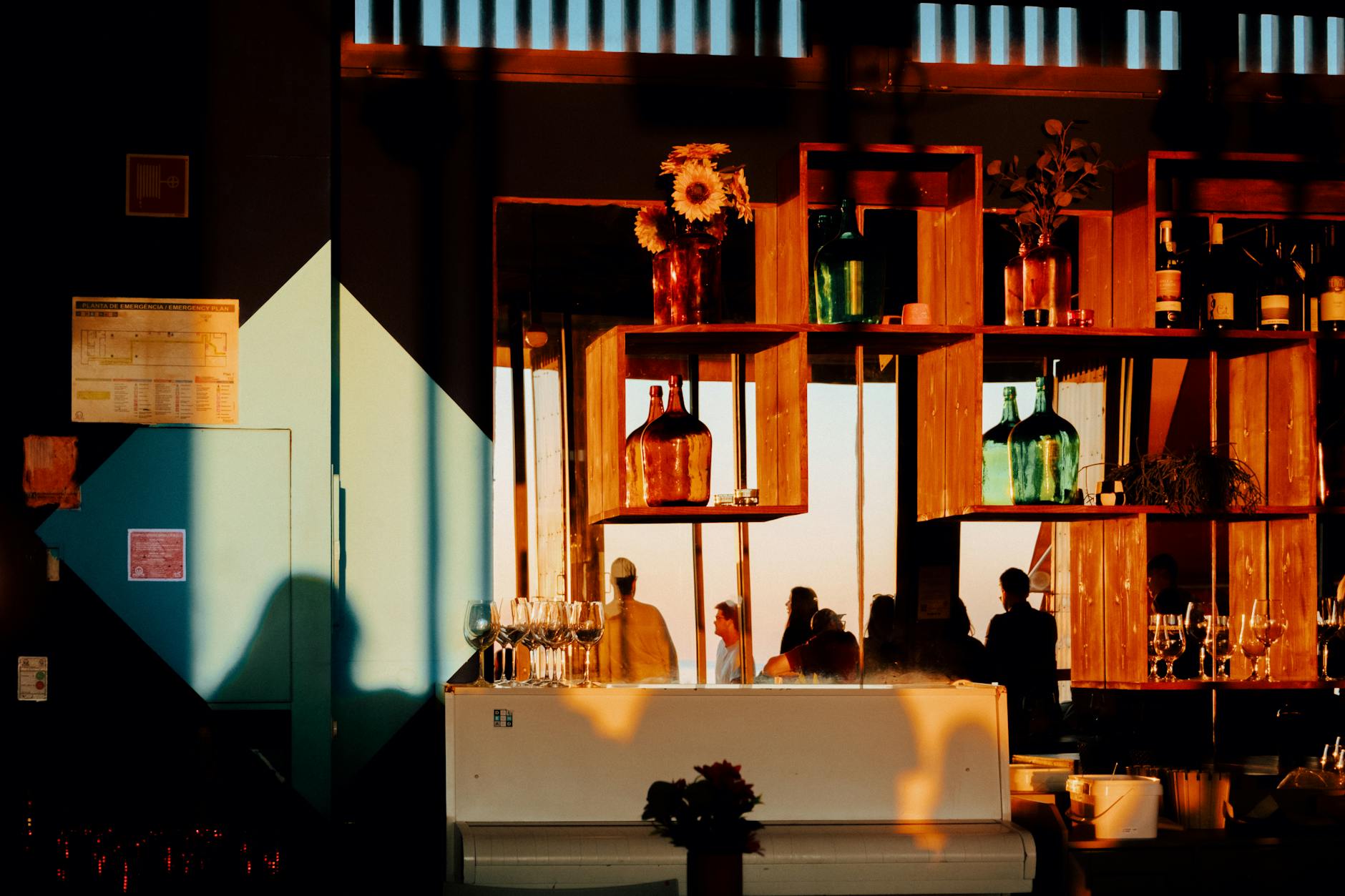
A wine bar and delicatessen devoted entirely to Belgian wine — the only one of its kind in the Marolles quarter of Brussels. Owners Bruno and Vanessa discovered Belgian wine almost by accident and built Le Mépris around the conviction that domestic producers deserve the same attention given to their French and Italian counterparts. Every wine on the list comes from a Belgian estate: Chardonnay from Kluisberg, red blends from Hageling Wijnbouw in the Hageland, organics from Domaine du Chenoy in Wallonia, and sparkling from the Genoels-Elderen limestone terroir in Haspengouw. Food comes from the same philosophy: Belgian artisanal cheeses, cured meats, and seasonal accompaniments sourced from local producers. Tasting evenings and curated gift boxes are available by request.
📍 Rue Haute 187, 1000 Brussels · 🍷 Exclusively Belgian wines by the glass and bottle · Belgian artisanal delicatessen
Visit Le Mépris →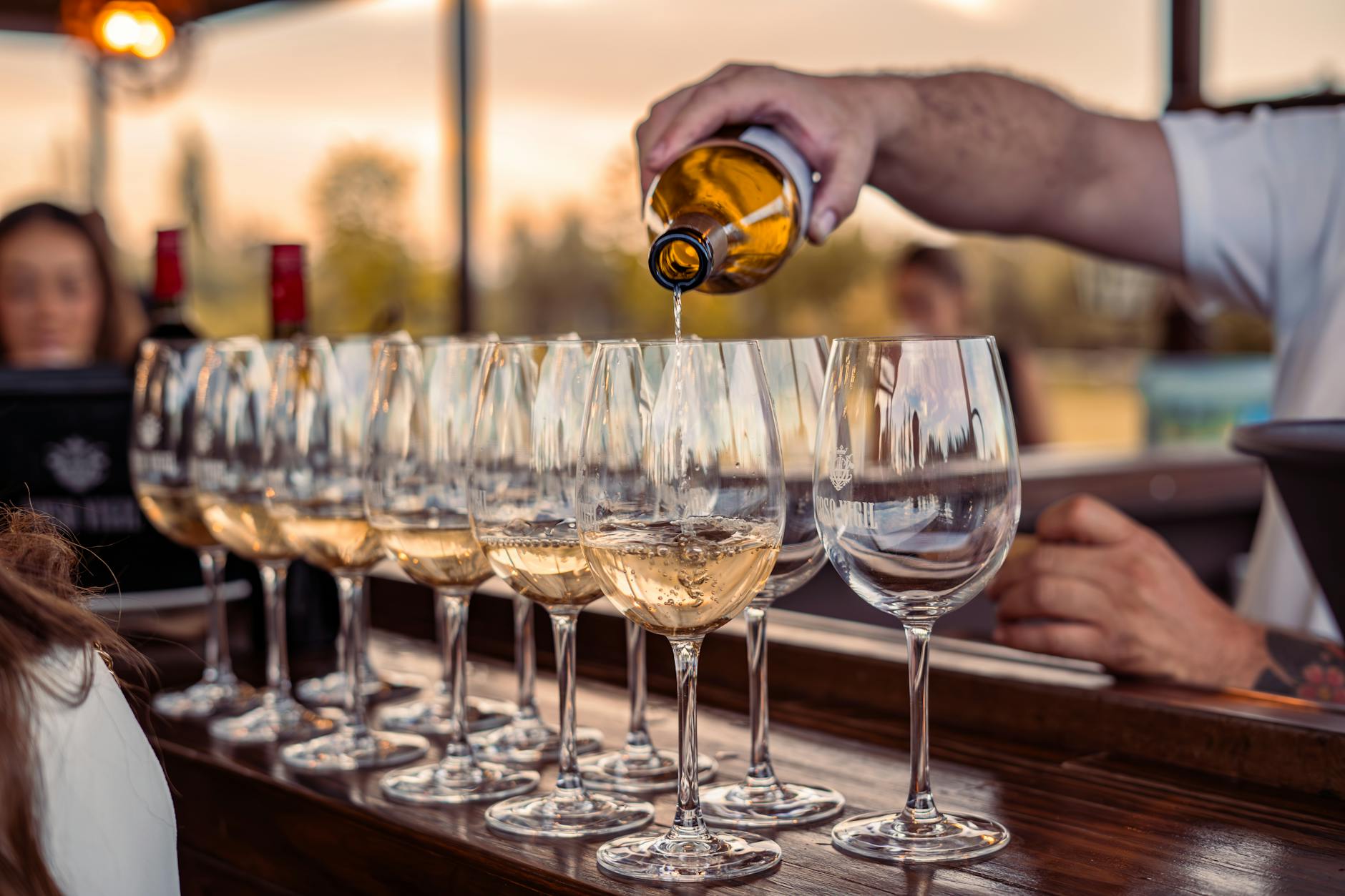
Belgian Wines Bar
Oudevaartplaats, near Theaterplein, Antwerp
A wine bar and shop on the edge of Antwerp's theatre and market district, founded in 2016 by sommeliers Jens and Jonas De Maere with a single purpose: to make Belgians take Belgian wine seriously. The bar menu lists over 40 wines — every one from a Belgian estate — served by the glass or bottle alongside cheese and charcuterie platters from local Belgian producers, plus the house speciality: artisanal prawn and cheese croquettes. The selection covers all major Belgian appellations: Hageland, Haspengouw, Côtes de Sambre et Meuse, and Pays de Herve. Guided Belgian wine tastings are available by reservation. The Saturday market at the adjacent Theaterplein makes this an ideal aperitif stop before a weekend afternoon in the city.
⏱ Wed–Fri 16:00–midnight · Sat–Sun 11:00–18:00 · 📍 Oudevaartplaats 24, 2000 Antwerp · Near Theaterplein · All 40 wines from Belgium
Visit Belgian Wines →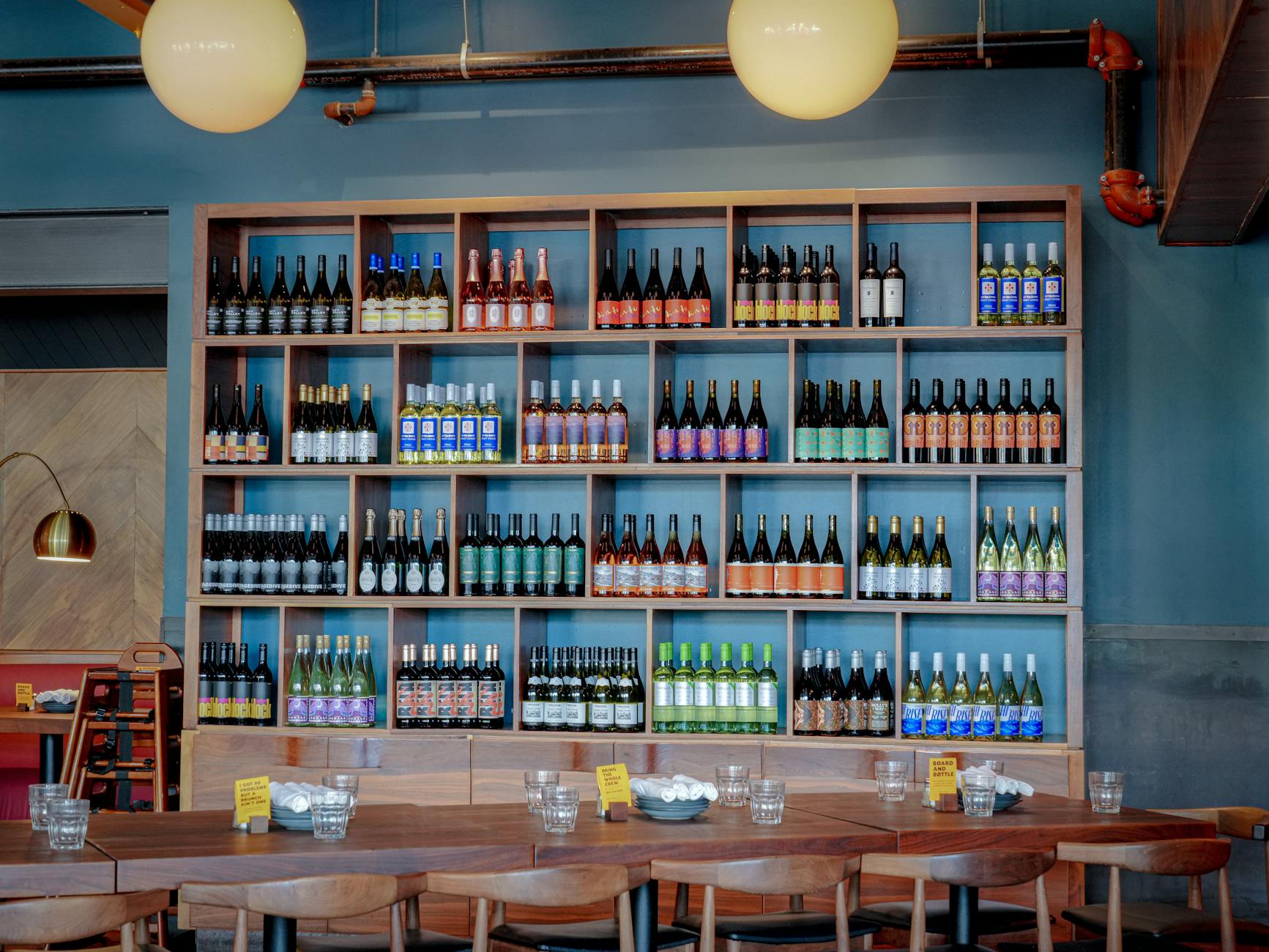
Le Wine Bar des Marolles
Rue Haute, Marolles, Brussels
The most serious wine address in the Marolles quarter — a wine bar, bistro, and shop in a 17th-century building on the Rue Haute, created by Vincent Thomaes, former sommelier at the two-Michelin-starred Château du Mylord in Ellezelles. The wine list is extensive, with strong representation of Belgian estates alongside a well-chosen French selection; the food menu — prepared by chef Alex Van Kalck — matches the kitchen's ambition to the glass. Two private dining rooms on the first floor make it one of the best addresses in Brussels for an evening built around wine. Next door, Le Marché du Wine Bar is simultaneously a wine shop, art gallery, and antiquaire — the kind of place that stocks natural wines, rare geuze, and curated objects alongside each other without any sense of contradiction.
📍 Rue Haute, Marolles, 1000 Brussels · Wine bar + bistro + shop · Private rooms available · Belgian & French wine focus
Visit Wine Bar des Marolles →Know Your Belgian Wine
Belgian wine is young, ambitious, and increasingly respected internationally. The country has four official appellations, a fast-growing number of estates, and a limestone terroir in Flanders that produces sparkling wines from Chardonnay and Pinot Noir that have surprised leading European wine critics.
Belgium's wine industry has expanded from fewer than 50 estates in 2000 to over 400 today — one of the fastest-growing wine regions in Europe. Production is still tiny by international standards (around 4 million bottles per year), which means most Belgian wine never leaves the country. The best strategy is to visit the estates directly.
Jenever — Belgium's Original Spirit
Before there was gin, there was jenever — a grain-based spirit distilled with juniper, malt wine, and botanicals, produced in the Low Countries for over five hundred years. The Belgian city of Hasselt, in Flemish Limburg, has been the country's jenever capital since at least the 18th century. UNESCO inscribed jenever culture on its Intangible Cultural Heritage list in 2008. The Jenevermuseum in Hasselt is one of the finest spirits heritage museums in Europe — housed in a working 19th-century distillery, with its original copper stills still operational and a tasting bar pouring over 130 varieties.
Hasselt — The Jenever Capital
Hasselt has been producing jenever commercially since at least the 1730s — the city's grain distilleries once numbered in the hundreds. The Jenevermuseum occupies a late-19th-century distillery complex with authentic production equipment, a collection of 2,150 historic bottles and 750 stoneware jugs, and a working still that the master distiller uses to produce the museum's own house jenevers and liqueurs.
Key styles: Oude Jenever (malty, oak-aged) · Jonge Jenever (lighter, modern) · Graanjenever (Hasselt grain style) · Korenwijn (51%+ malt wine, rarest)
Jenevermuseum Hasselt
Hasselt, Limburg, Flanders
The finest jenever museum in Belgium — operating from a genuine late-19th-century distillery with working steam stills, a collection of over 2,150 historic bottles and 750 stoneware jugs, and a tasting bar pouring more than 130 varieties. The permanent collection covers the full history of jenever in the Low Countries: production methods, distillery equipment, advertising archives, and regional traditions. The master distiller demonstrates the production process multiple times monthly using the original steam-driven still. The visit ends at the tasting bar with the museum's own house-distilled jenevers and liqueurs — produced in-house according to 19th-century recipes. Guided tours, workshops, and food pairings available. Hasselt city centre is 45 minutes from Brussels by train.
⏱ Tue–Sun · 📍 Witte Nonnenstraat 19, Hasselt · 🥃 Tasting bar with 130+ varieties · Museum + working distillery
Visit Jenevermuseum →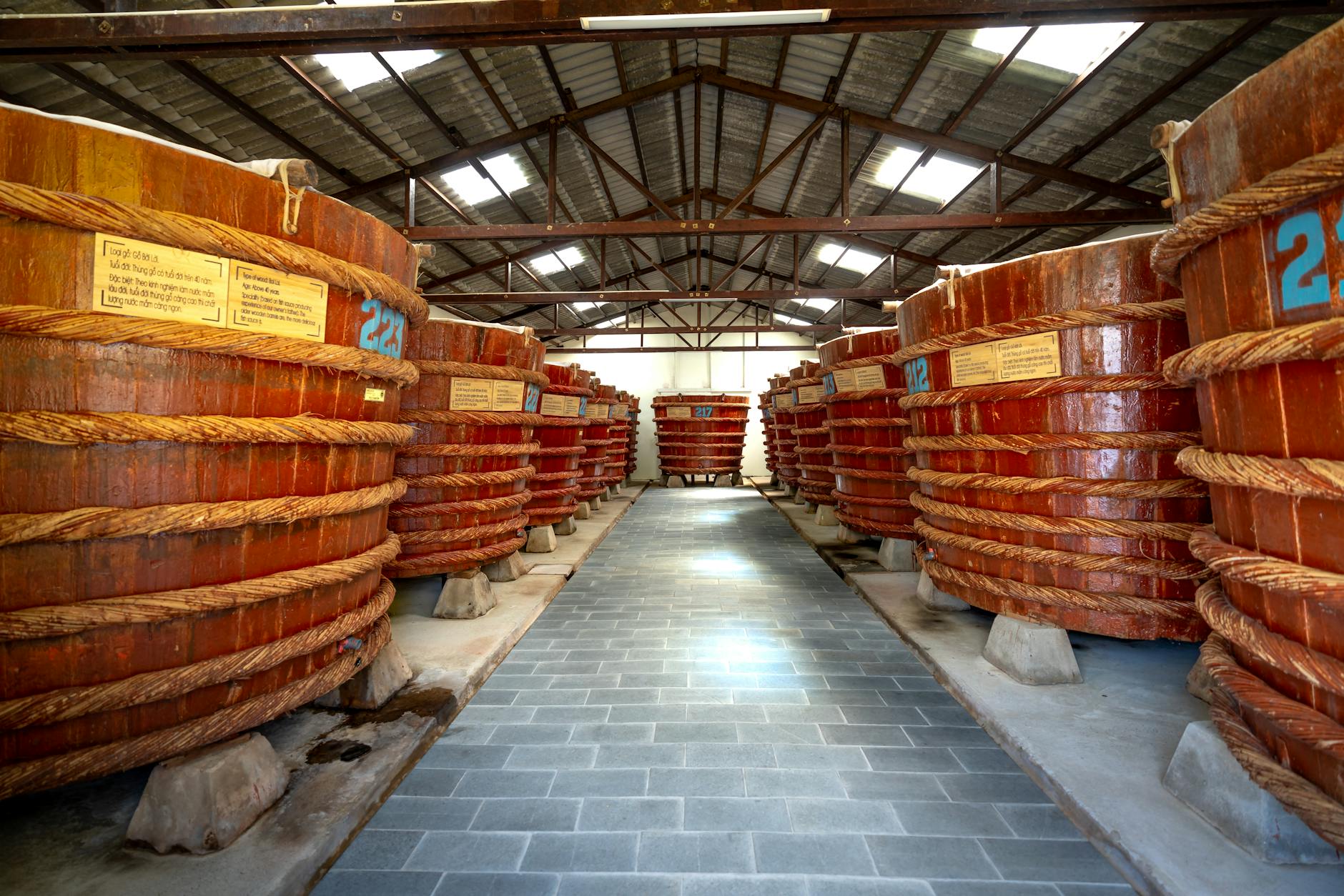
Filliers Distillery
Bachte-Maria-Leerne, East Flanders
One of Belgium's oldest and most important jenever distilleries — a family business in continuous production since 1880, in a village between Ghent and Bruges. The Filliers family distills both traditional jenever (their Graanjenever 5-year and Oude Graanjenever 8-year are benchmarks of the East Flemish style) and gin — the Filliers 28 Dry Gin, named after 28 botanicals, has won multiple international awards and is the distillery's most internationally recognised product. The visitor experience covers both worlds: copper pot stills, barrel aging rooms, a detailed distillery history, and a tasting of jenevers and gins produced on site. Guided distillery visits can be booked in advance. The distillery shop stocks the complete Filliers range at source prices.
⏱ Distillery tours by appointment · 📍 Bachte-Maria-Leerne, near Ghent · 🥃 Jenever, graanjenever, Filliers 28 gin · Tours include tasting
Visit Filliers Distillery →Antwerp Beer & Jenever Tasting
Antwerp old town
Antwerp drinks differently from Brussels, and this is the rare tour that puts a jenever in your hand as well as a beer — the two Belgian traditions in one afternoon.
- Six Belgian and local beers
- A genever tasting
- Belgian snacks: frites, cheeses, chocolate
Know Your Belgian Jenever
Jenever (also written genever or genièvre) is Belgium and the Netherlands' original grain spirit — the direct ancestor of gin. UNESCO inscribed jenever culture as Intangible Cultural Heritage in 2008. These are the styles you'll encounter in Belgian bars and distilleries.
How to drink jenever: always cold (stored in the freezer), never mixed, always in the correct tulip glass. The glass is filled to the brim — the traditional first sip is taken without lifting the glass. In Hasselt, it is common to order a jenever alongside a locally brewed beer: the combination is called a "half en half" and remains a living local tradition in the city's cafés.
Trappist Beer — Abbey Visits
Belgium is home to six of the world's fourteen Authentic Trappist Product breweries — Chimay, Orval, Rochefort, Westmalle, Westvleteren, and Achel. Each is brewed inside a working monastery, under monk supervision, with profits returned to the abbey and charitable causes. No other country has this concentration of Trappist beer. Several abbeys welcome visitors; each offers a completely different experience.
Wallonia — Chimay & Orval
Two of Belgium's most visitor-accessible Trappist breweries sit in the rolling farmland of Wallonia: Chimay in Hainaut province, and Orval among the wooded hills of the Belgian Ardennes. Both have invested in welcoming the public — through a dedicated experience centre at Chimay and one of the most dramatic Gothic abbey sites in Europe at Orval. Neither allows access to the brewery itself; both let you taste beers unavailable anywhere else this fresh.
Signature beers: Chimay Blue (10%) · Chimay Dorée (on-site only) · Orval (6.2%, Brett-fermented amber)
Espace Chimay — Chimay Experience
Bourlers, Hainaut, Wallonia
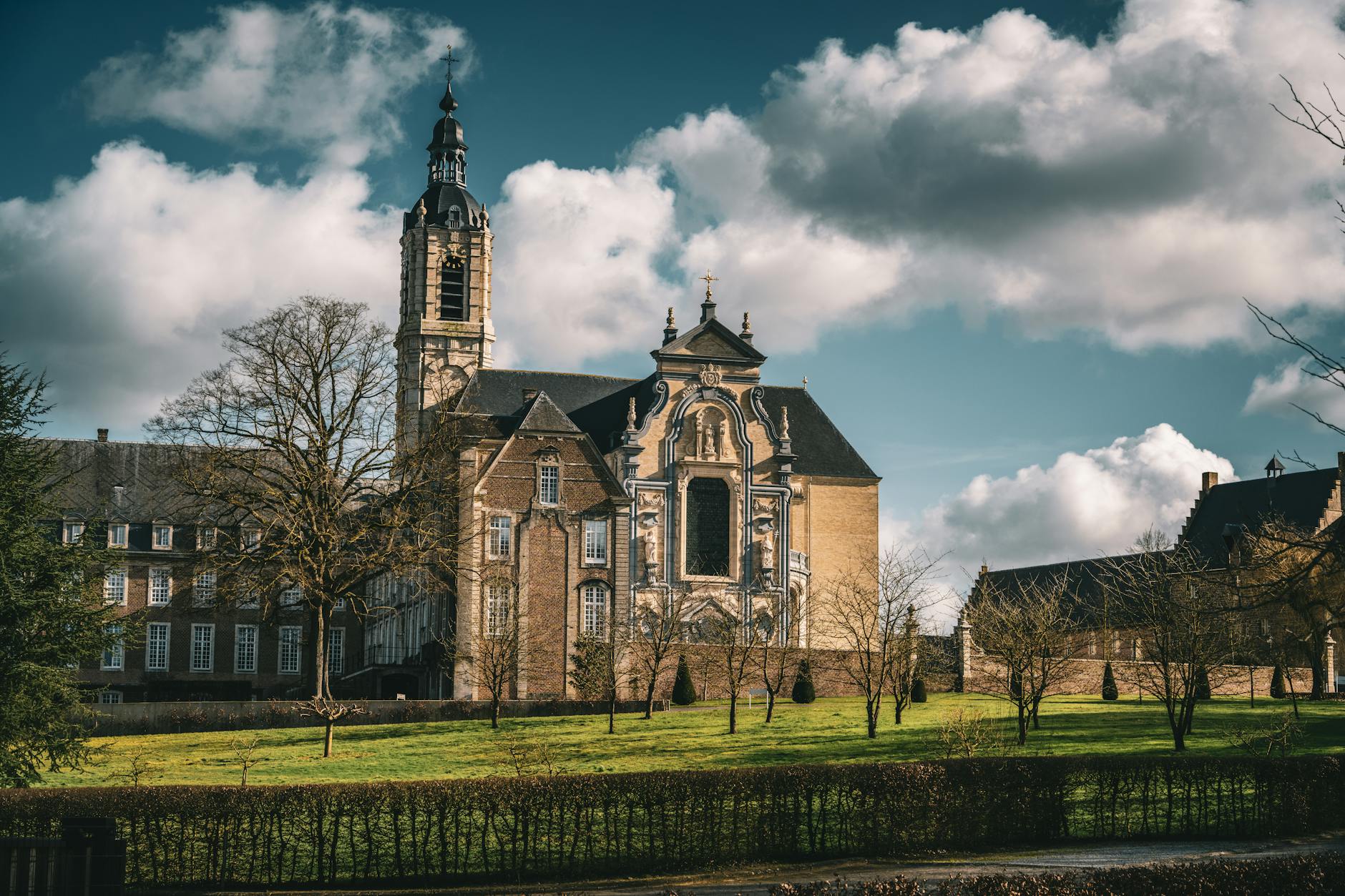
The most visitor-friendly Trappist experience in Belgium. The Chimay Experience sits near the Abbey Notre-Dame de Scourmont where the monks brew in seclusion — an interactive exhibition covers the secrets of Chimay's beers and cheeses, and a guided walk takes in the abbey's gardens, church, and monk's cemetery. The visit ends with a Chimay on tap at the Auberge de Poteaupré. The key reason to visit: Chimay Dorée — a golden table beer brewed only in small quantities, sold exclusively on-site, and never available anywhere else in the world. Come for the Dorée; stay for the Blue.
⏱ Tue–Sun 10:00–18:00 · 💶 Admission includes tasting · 📍 Bourlers, near Chimay · 🍺 Red, White, Blue, Triple, Dorée on tap
Visit Chimay Experience → Opening hours & booking →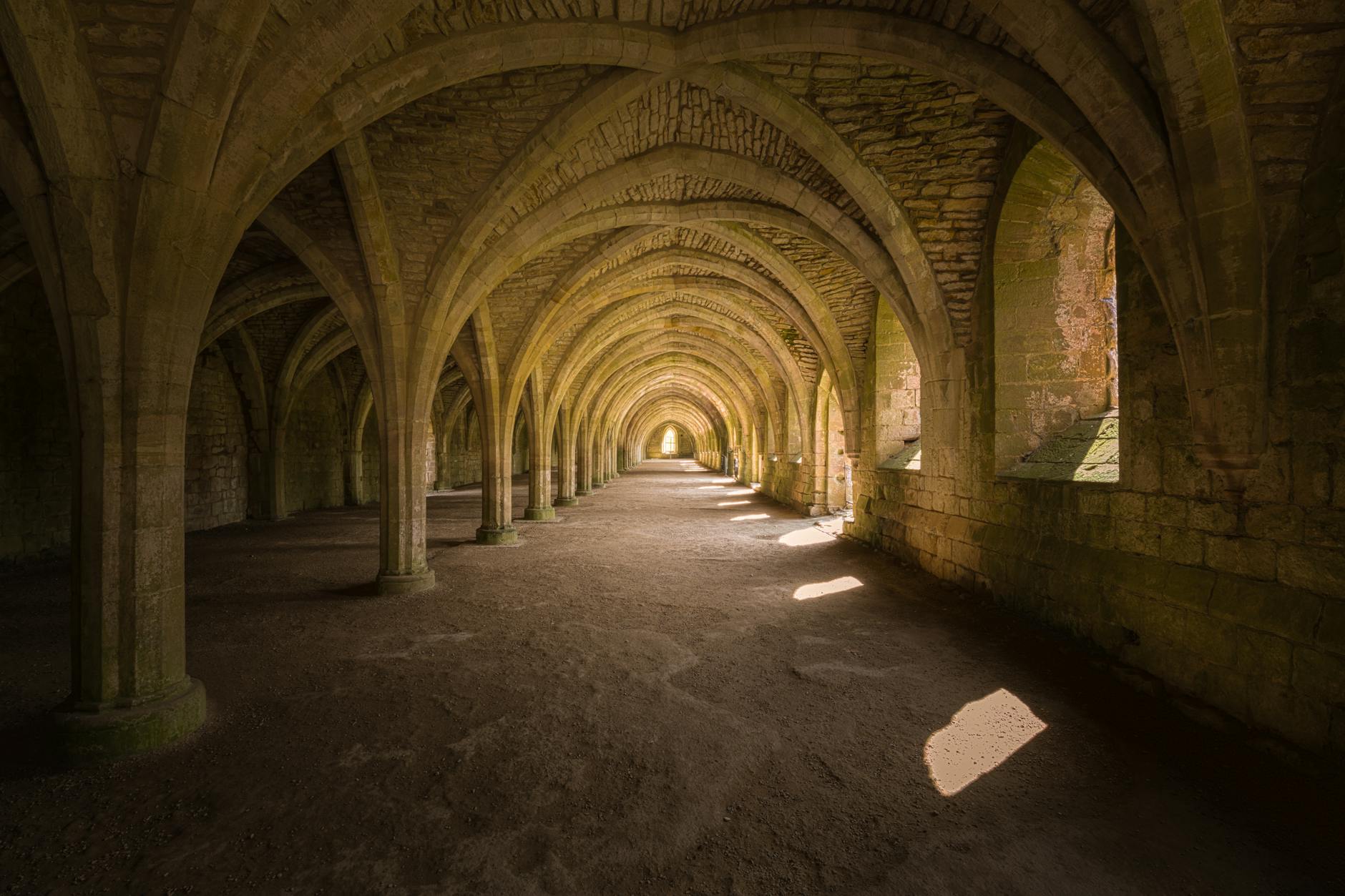
Abbaye Notre-Dame d'Orval
Florenville, Belgian Ardennes, Wallonia
The most atmospheric abbey in Belgium — a working Cistercian monastery built around 12th-century Gothic ruins in the Belgian Ardennes near the French border. The guided visit covers the spectacular ruins, a Hospitality House with videos on monastic life, and a museum dedicated specifically to brewing heritage. Orval produces a single beer — a dry-hopped amber ale fermented with wild Brettanomyces yeast, re-fermented in the bottle, and completely unlike any other Trappist. The abbey shop sells it fresh from the source. Orval becomes drier and more complex with age; the museum explains exactly how this works.
⏱ Jun–Sep 10:00–18:30 · Oct–May 10:30–17:30 · 📍 Route de Florenville, Villers-devant-Orval · 🍺 Single beer: Orval — amber, dry, Brett-fermented
Visit Orval Abbey → Opening hours & booking →Flanders — Westmalle & Westvleteren
In Flanders, two contrasting Trappist experiences: Westmalle — the abbey credited with inventing the Dubbel and Tripel styles that define Belgian brewing globally — and Westvleteren, a tiny West Flemish abbey that brews so rarely and in such small quantities that its Westvleteren 12 has been voted the best beer in the world multiple times. You cannot walk into a shop and buy it. You order it in advance online and drive to the abbey to collect it — or you go to In de Vrede, the café opposite.
Signature beers: Westmalle Tripel (9.5%) · Westmalle Dubbel (7%) · Westvleteren 12 (10.2%) · Westvleteren 8 (8%)
Westmalle — Café Trappisten
Westmalle, Antwerp Province, Flanders
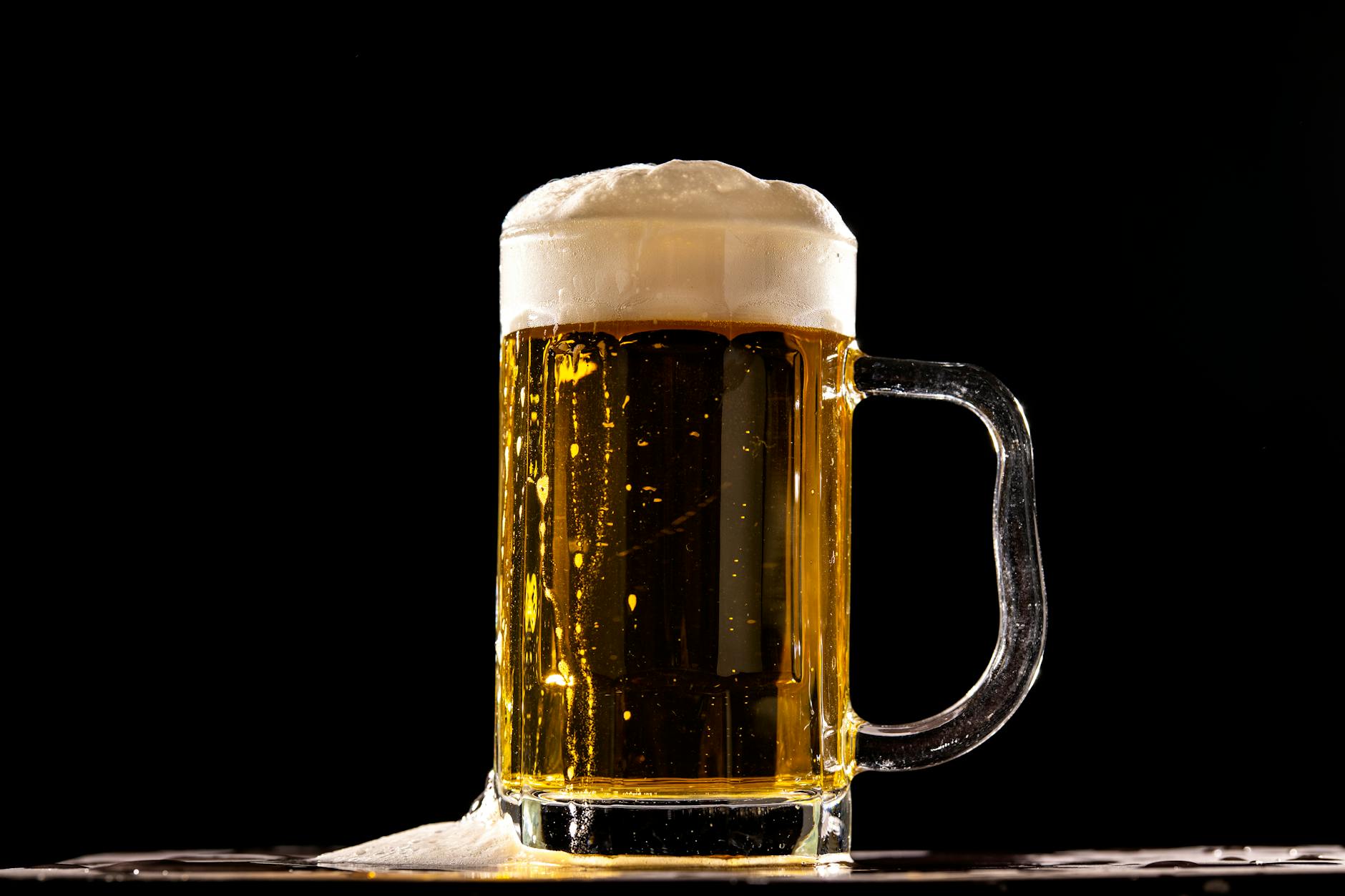
Westmalle is the abbey credited with developing both the Dubbel and Tripel styles that now define Belgian brewing worldwide. The brewery is not open to visitors except on its annual open day, but Café Trappisten — directly outside the abbey walls — is open regularly and serves all three beers from the source. This is the only place in the world where Westmalle Extra, a low-alcohol table beer brewed exclusively for the monks, is sold to the public. No guided tours — just a table, the correct glass, and exceptional beer. The abbey shop sells full ranges, gift packs, and glassware on Friday mornings between 07:30–11:30.
⏱ Café Trappisten: Wed–Mon · Shop: Fri 07:30–11:30 · 📍 Antwerpsesteenweg 496, Westmalle · 🍺 Extra, Dubbel, Tripel, seasonal Westmalle Duo on tap
Visit Westmalle →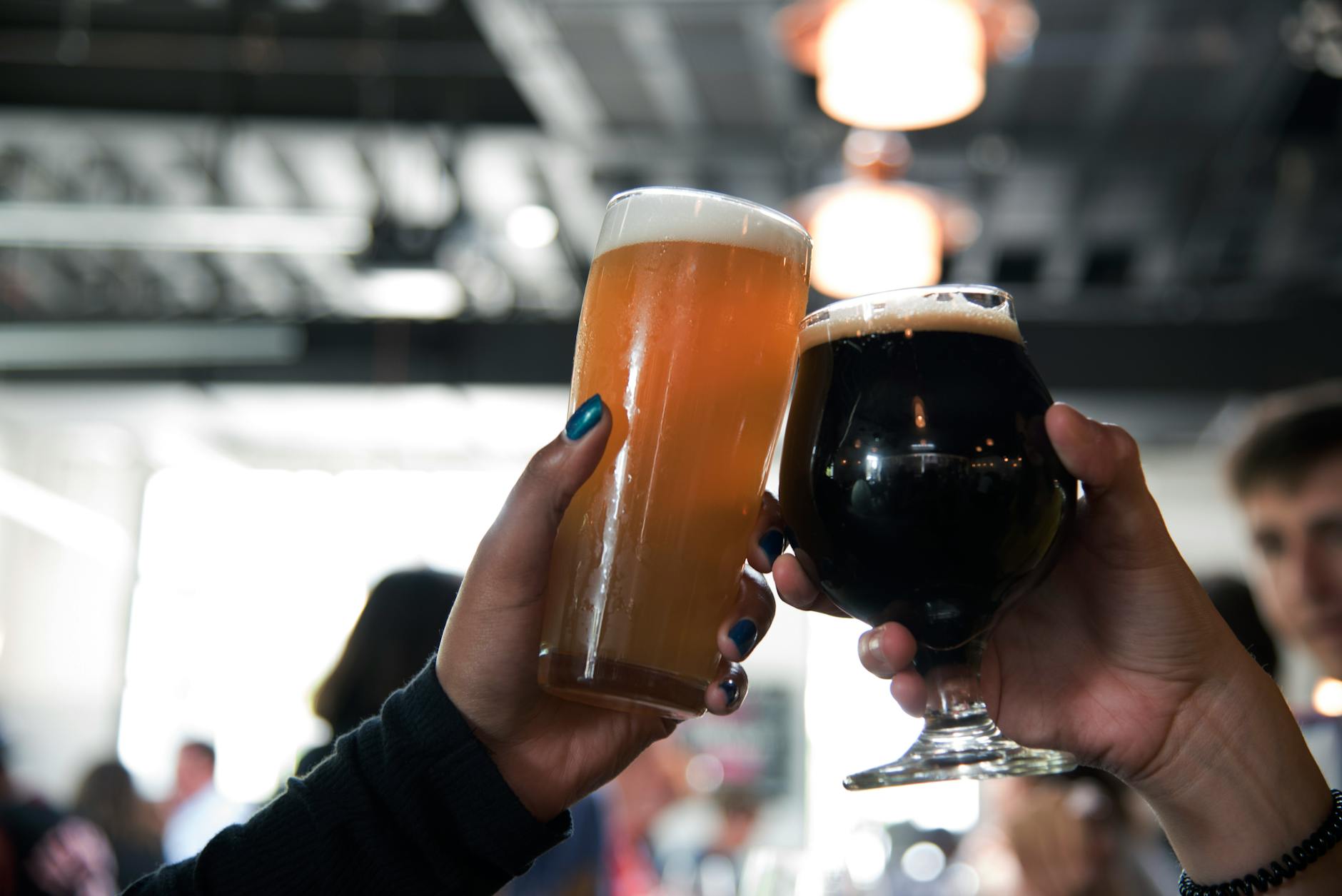
Westvleteren — In de Vrede
Westvleteren, West Flanders
Westvleteren 12 — a dark, complex quad at 10.2% — has been named the best beer in the world more times than any other. The monks of Sint-Sixtus Abbey produce it in tiny quantities and never allow it to be sold in shops. Ordering for home delivery requires advance reservation online; collection at the abbey follows a strict calendar. The visitor experience is deliberately minimal — but In de Vrede, the café opposite the abbey, is the only place in the world where you can order a cold Westvleteren 12, 8, and Blond at the source, in the correct glass, without the months of waiting that come with acquiring it elsewhere. The "Claustrum" information room inside the café explains monastic life and brewing history.
⏱ In de Vrede: Tue–Sun · 📍 Donkerstraat 13, Westvleteren · 🍺 Westvleteren Blond (5.8%), 8 (8%), 12 (10.2%) on site
Visit Westvleteren → In de Vrede café →⛪ Trappist Visiting Tips
- Chimay Dorée is a table beer brewed only for the monks — it's lighter and more delicate than the famous Blue or Red, and the only way to drink it is to visit Espace Chimay in person
- Orval is the only Belgian Trappist brewed with Brettanomyces yeast — it becomes drier, earthier, and more complex with age. The museum at Orval explains this process in detail
- Westvleteren 12 can be ordered via the official website (westvleteren.be) for home delivery or collected at the abbey during scheduled pickup times. In de Vrede is simpler for most visitors
- Rochefort, in Namur Province, makes three exceptional dark ales (6, 8, and 10) but has no visitor facilities — widely available in Belgian specialist bottle shops and restaurants
- Achel (De Achelse Kluis), near the Dutch border, offers guided abbey tours with tastings every Friday–Sunday — a low-profile but rewarding Trappist experience
Lambic & Gueuze — Spontaneous Fermentation
Lambic is among the oldest styles of beer still produced — and the world's most unusual. No yeast is added. Freshly boiled wort is spread in a shallow copper coolship, left open to the night air, and inoculated by wild yeasts and bacteria drifting over the Senne Valley west of Brussels. After years of barrel ageing, the result is sour, complex, and deeply local. Production is restricted to Brussels and the Pajottenland. This is not a flavour trend — it is a five-century-old tradition that nearly disappeared and is now recognised as irreplaceable.
Brussels & Pajottenland
Two essential addresses: the last surviving traditional lambic brewery inside Brussels, and — twenty minutes south in the Pajottenland countryside — the blendery that has become the benchmark for artisan gueuze worldwide.
Brasserie Cantillon
Anderlecht, Brussels
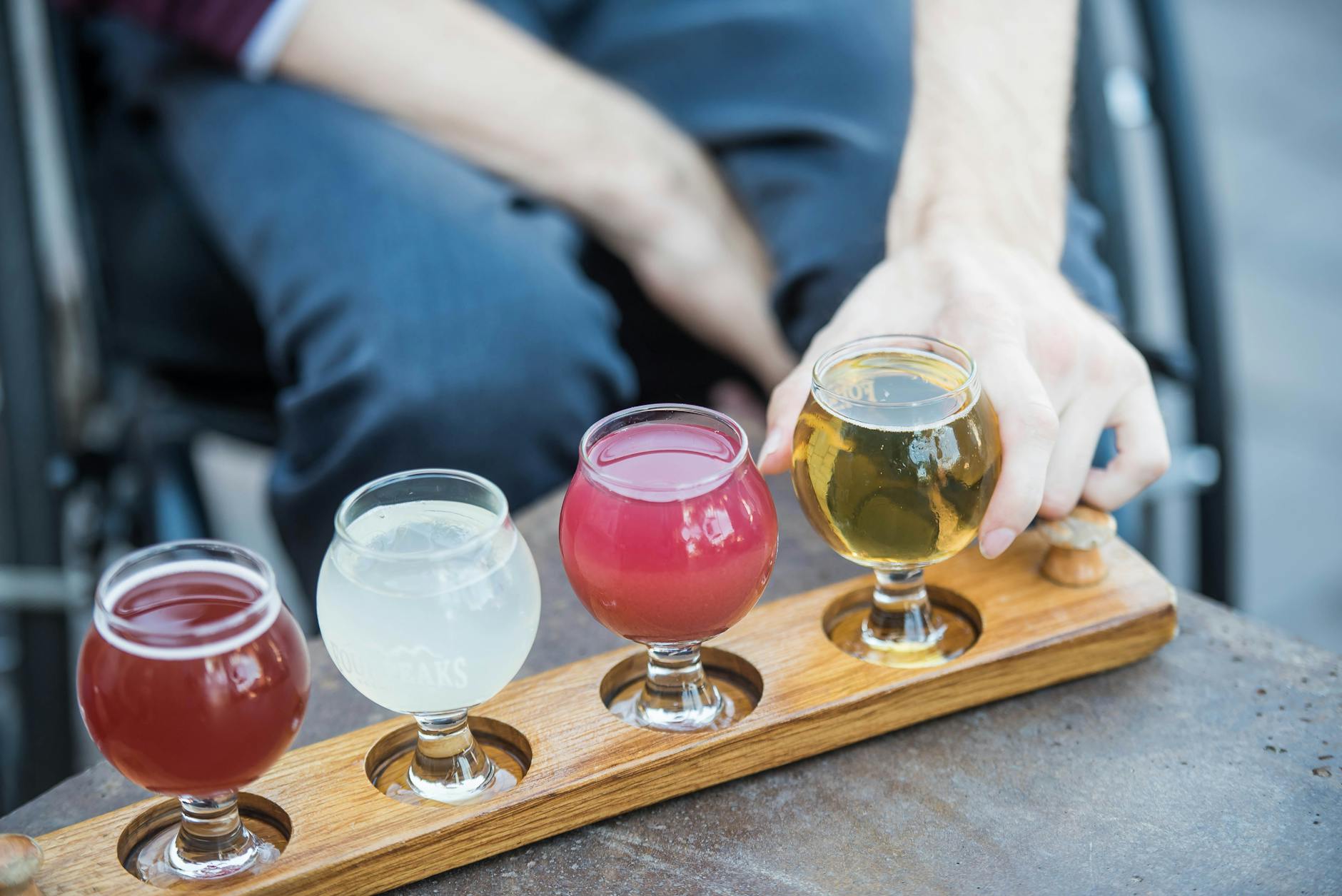
Cantillon is the last working lambic brewery inside Brussels — a living museum frozen in 1900, where nothing has been changed and nothing needs to be. The self-guided tour winds through the original copper kettle, the open coolship in the attic where wild fermentation happens each winter night, and the barrel room where lambic rests for one to three years in Bordeaux oak casks. Cobwebs are intentional — spiders keep the environment stable. The visit ends with three samples: plain lambic, gueuze, and a fruit blend. Cantillon is a functioning brewery run by the same family since 1900, in a Bruxelles neighbourhood that few tourists reach. That is the point.
⏱ Mon, Tue, Thu & Fri 10:00–17:00 · Closed Wed & Sun · 💶 Self-guided visit includes tastings · 📍 Rue Gheude 56, Anderlecht · Saturday: guided tours only, online booking required
Visit Cantillon → Opening hours & booking →
Brouwerij 3 Fonteinen
Lot (Beersel), Pajottenland — 10 min from Brussels
3 Fonteinen is a traditional brewery and blendery in Lot, just south of Brussels, that has been operating for over 135 years. The Lambik-O-Droom tasting room sits directly among the ageing oak barrels; a garden terrace overlooks the barrel room. Free public tours run every Friday and Saturday at 15:00 and every Sunday at 14:00 — maximum 20 people, no reservation required. The tasting room is open Friday through Sunday. The Oude Geuze and Oude Kriek from 3 Fonteinen represent the peak of spontaneous fermentation: sour, complex, and completely alive. Direct train from Brussels-Midi (Lot station, 10 minutes).
⏱ Fri–Sat 14:00–20:30 · Sun 13:00–19:30 · Free public tours daily (max 20 people) · 📍 Molenstraat 47, Lot–Beersel · 10 min by train from Brussels-Midi
Visit 3 Fonteinen →Know Your Belgian Beer
Belgium produces over 1,500 documented beer styles — more diversity per square kilometre than any country on earth. These are the styles that make Belgian brewing unique.
Belgian beers are almost always served in a dedicated glass specific to that brand. Asking for the wrong glass — or no glass — is considered inappropriate in Belgian café culture. When in doubt, the bartender will tell you which glass belongs to your beer. They always know.
Beer Bars — Brussels
Brussels has the densest concentration of exceptional beer bars in the world. Two stand apart: Delirium Café, which holds the Guinness World Record for the largest beer selection at any single bar, and Moeder Lambic — the quiet opposite, a focused, knowledgeable bar that treats Belgian beer with the same seriousness that Paris applies to wine.
Central Brussels & Saint-Gilles
Two completely different philosophies, both essential. Delirium is the spectacle: overwhelming, celebratory, and genuinely impressive in breadth. Moeder Lambic is the education: a curated rotating list, expert staff, and the best of Belgian brewing in a calm, unhurried room.
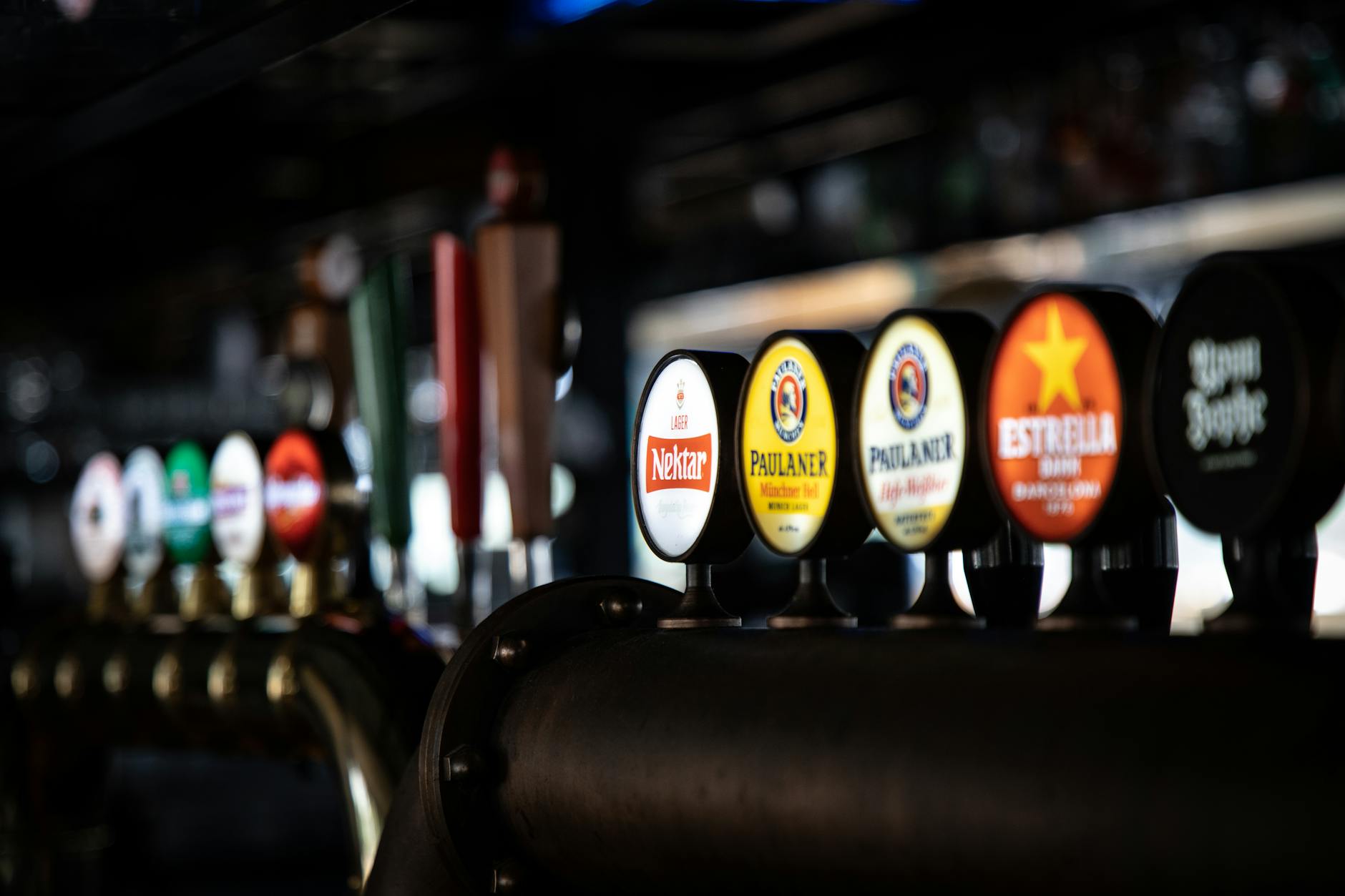
Delirium Café
Impasse de la Fidélité, Central Brussels
Delirium Café holds the Guinness World Record for the most beers offered at a single bar: 2,004, recorded in 2004. The bar occupies a narrow alley off the Grand Place and sprawls across multiple levels, decorated with vintage beer trays, advertising signs, and glasses. The menu resembles a phone book. The selection covers every major Belgian style — all six Belgian Trappists on tap or in bottle, the full Cantillon range, Duvel, De Koninck, Rochefort, every gueuze and kriek — alongside hundreds of international brews. The atmosphere is loud, cheerful, and genuinely international. The bartenders will guide you through the list. Arrive early or expect to wait for a table.
⏱ Daily 11:00–03:00 · 📍 Impasse de la Fidélité 4A, 1000 Brussels · 🍺 2,004 beers — all major Belgian styles on tap and in bottle
Visit Delirium Café → Opening hours & booking →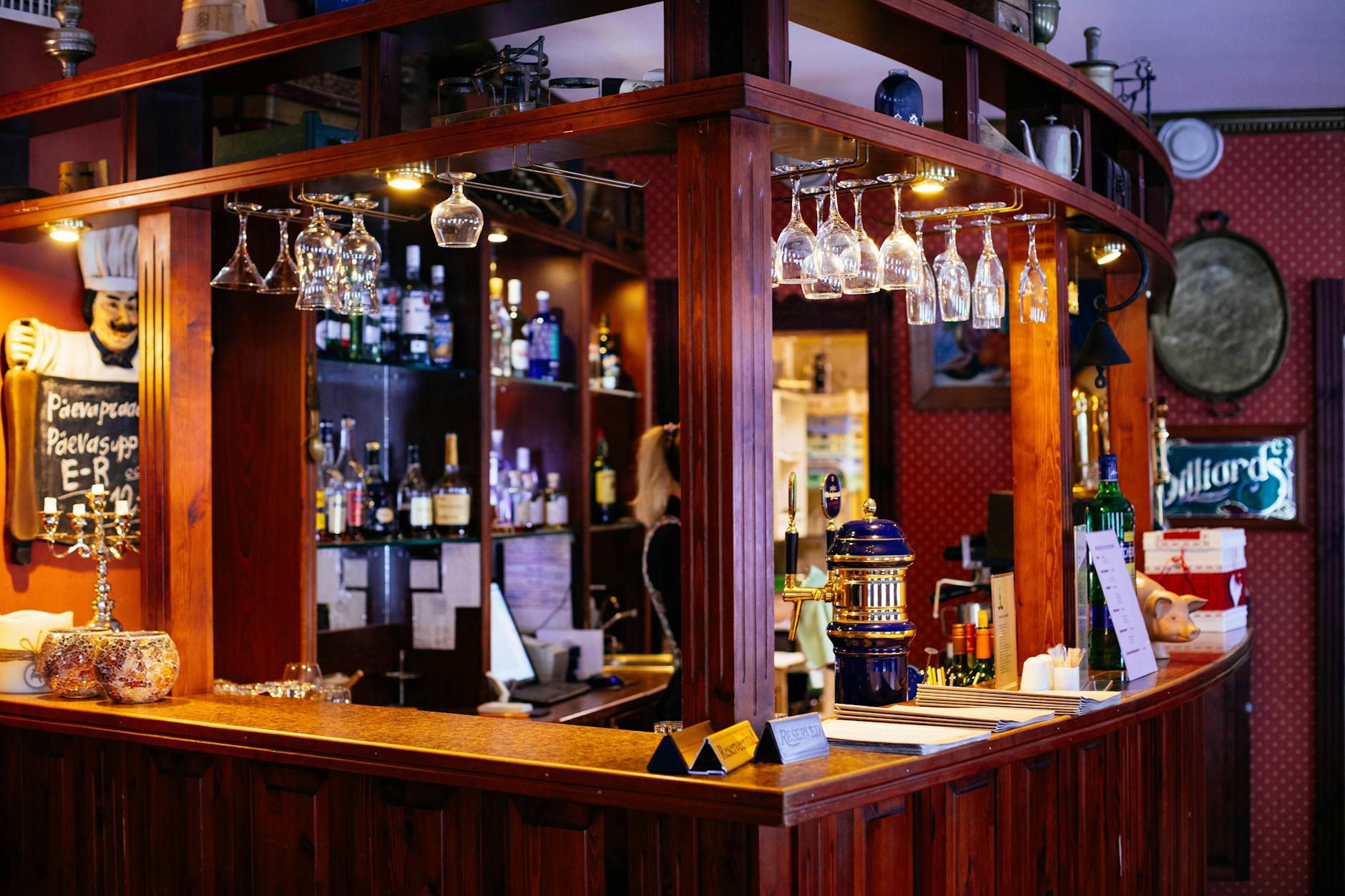
Moeder Lambic
Saint-Gilles & Fontainas, Brussels
Two locations in Brussels — the original in Saint-Gilles (Rue de Savoie 68, since 2006) and the Fontainas location near the Grand Place (Place Fontainas 8, since 2009) — both built on the same philosophy: a curated rotating selection of Belgian beer, served by staff who know every producer personally. The draft list changes constantly; lambic, gueuze, and kriek from Cantillon and 3 Fonteinen are always present alongside outstanding saisons, strong ales, and abbey beers that never appear in tourist-facing bars. No loud music. No themed décor. Just excellent beer and people who know exactly why it matters. The anti-Delirium — equally essential.
⏱ Both locations: daily from afternoon · 📍 Rue de Savoie 68 (Saint-Gilles) & Place Fontainas 8 (Brussels) · 🍺 Rotating draft + curated bottle list, specialist lambic focus
Visit Moeder Lambic →Brussels Beer Tasting Walk
Central Brussels
Belgium has more beer styles than anywhere on earth and no obvious way in. This walk picks two of Brussels' best beer bars and explains what you are drinking as you drink it.
- A bottle of Trappist ale at the first stop
- A three-beer tasting flight at the second
- Guide meets you inside Scott's Bar, city centre
Coffee & the Belgian Grand Café
Belgium's café culture is old, architectural, and deeply unhurried. The great cafés of Brussels, Antwerp, and Bruges are listed monuments — Art Nouveau rooms with stained glass, iron rafters, marble counters, and a tradition of sitting quietly for as long as you wish. Coffee arrives with a speculoos biscuit on the side, always. This is non-negotiable. The cup is never refilled; you order another if you want more.
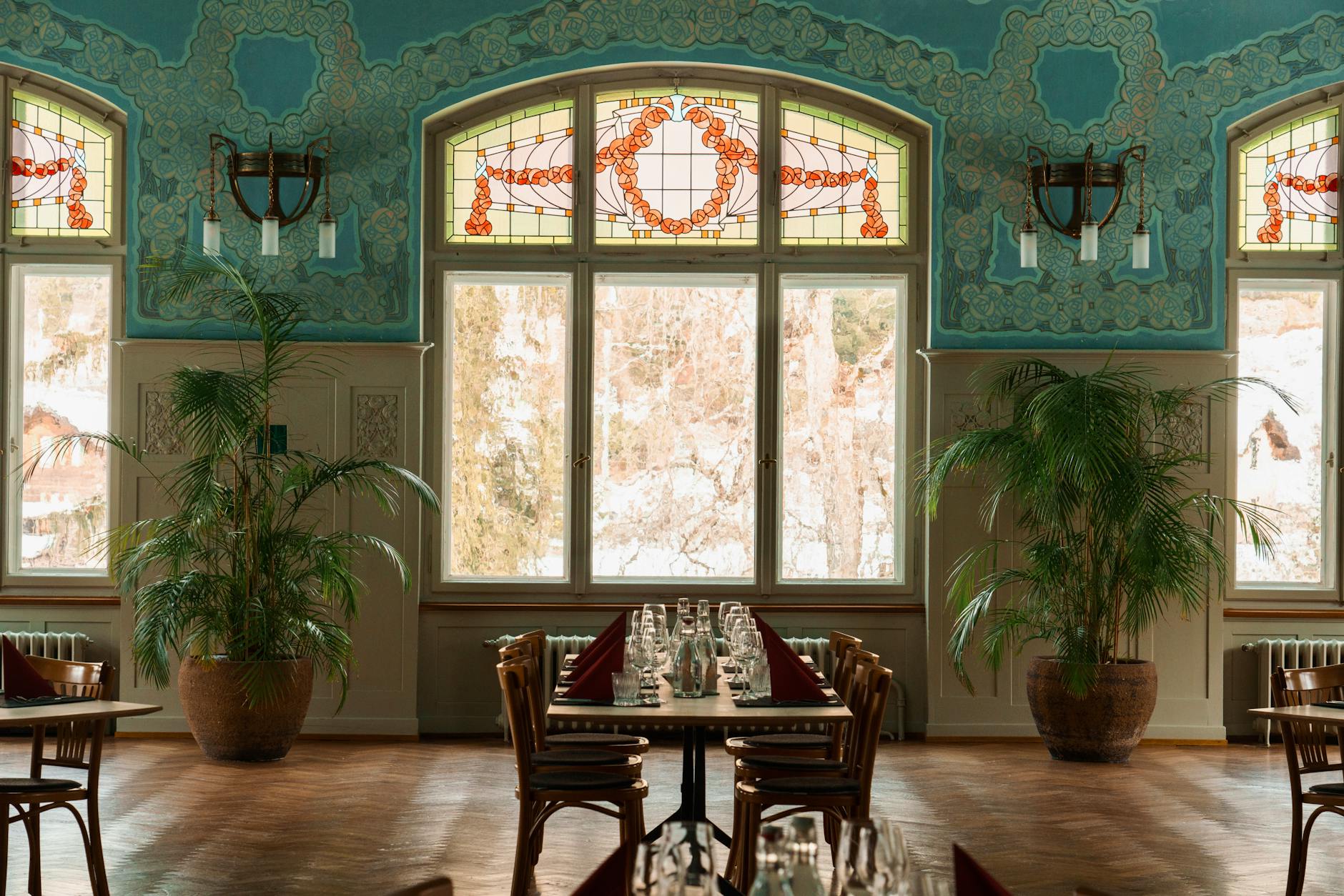
Le Falstaff
Rue Henri Maus, near the Bourse, Brussels
One of the most beautiful cafés in Belgium — a listed Art Nouveau monument directly opposite the Bourse in central Brussels, open since 1903. The interior was designed by Émile Houbion, a collaborator of Victor Horta, in a layering of Art Nouveau and 19th-century eclecticism: stained-glass windows, ornate woodwork, etched mirrors, and a wrought-iron staircase leading to a second floor with a glass ceiling. Le Falstaff is a working brasserie serving Belgian classics (moules-frites, waterzooi, stoemp) alongside excellent coffee and Belgian beer. The speciality of the house is the Half & Half — half Trappist, half gueuze. Order a café and the speculoos arrives automatically. The terrace opens onto the street in front of one of Brussels' great neoclassical facades.
⏱ Mon–Sun 10:00–midnight · ☕ Café, café au lait, cappuccino — always with speculoos · 📍 Rue Henri Maus 19, Brussels · 2 min from the Grand Place
Visit Le Falstaff →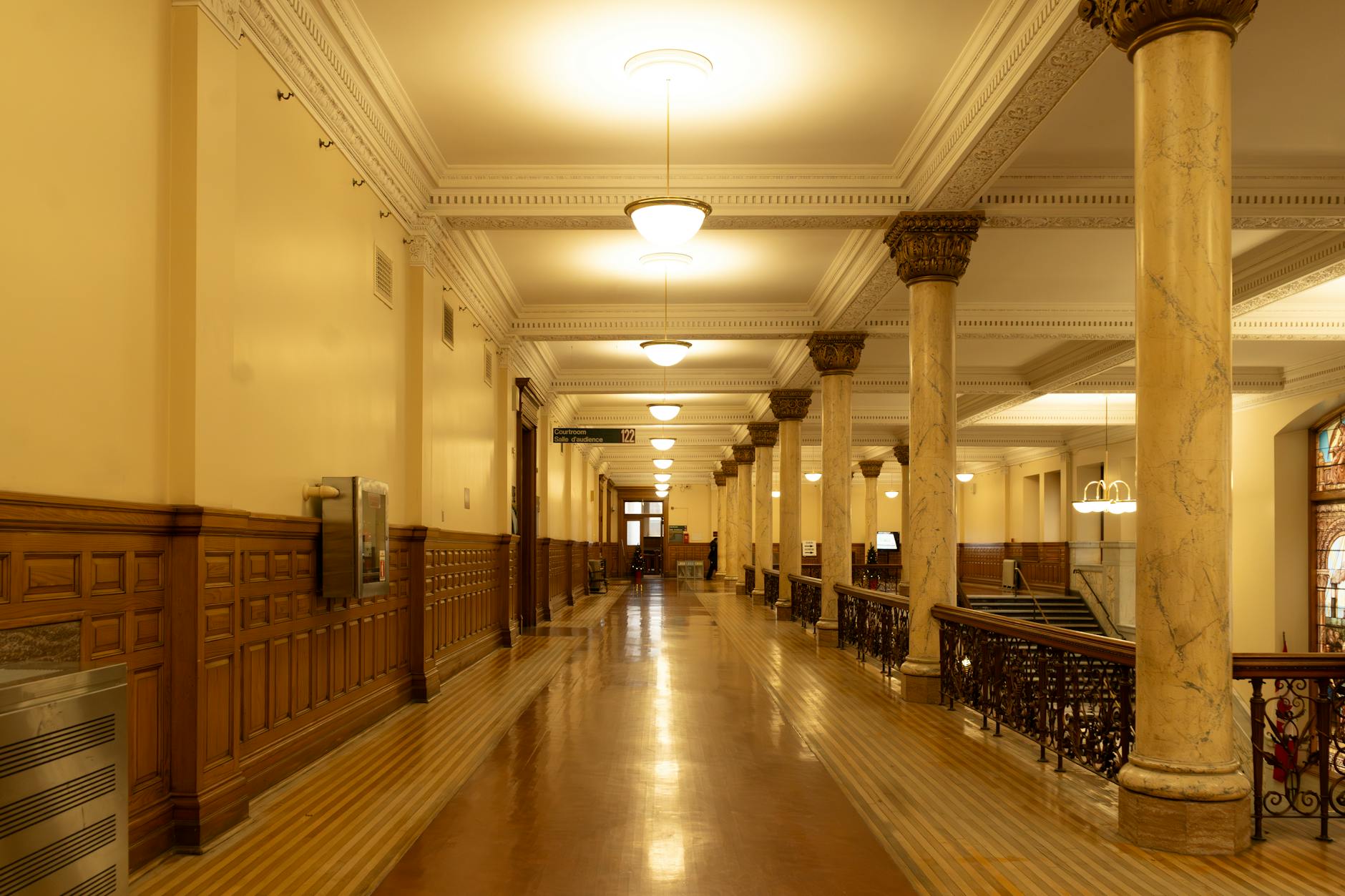
Grand Café Horta
Hopland, Antwerp City Centre
The most dramatically beautiful café in Antwerp — housed in a building whose iron rafters were salvaged from Victor Horta's Maison du Peuple in Brussels, demolished in 1965 despite international protest. These original Art Nouveau iron structures now form the monumental backbone of the Horta Grand Café: a soaring, light-filled interior in the heart of Antwerp's theatre and fashion district. Open seven days a week from breakfast to late evening, Horta serves coffee throughout the day alongside a full brasserie menu of seasonal Belgian dishes and signature cocktails. The heated terrace on Hopland is one of the best people-watching spots in the city. Upstairs, the Art Nouveau Hall hosts events and exhibitions beneath the full span of Horta's original structure.
⏱ Mon–Fri 10:00–22:00, Sat–Sun 9:00–22:00 · ☕ Full coffee menu + Belgian breakfast · 📍 Hopland 2, 2000 Antwerp · Between Meir and theatre district
Visit Grand Café Horta →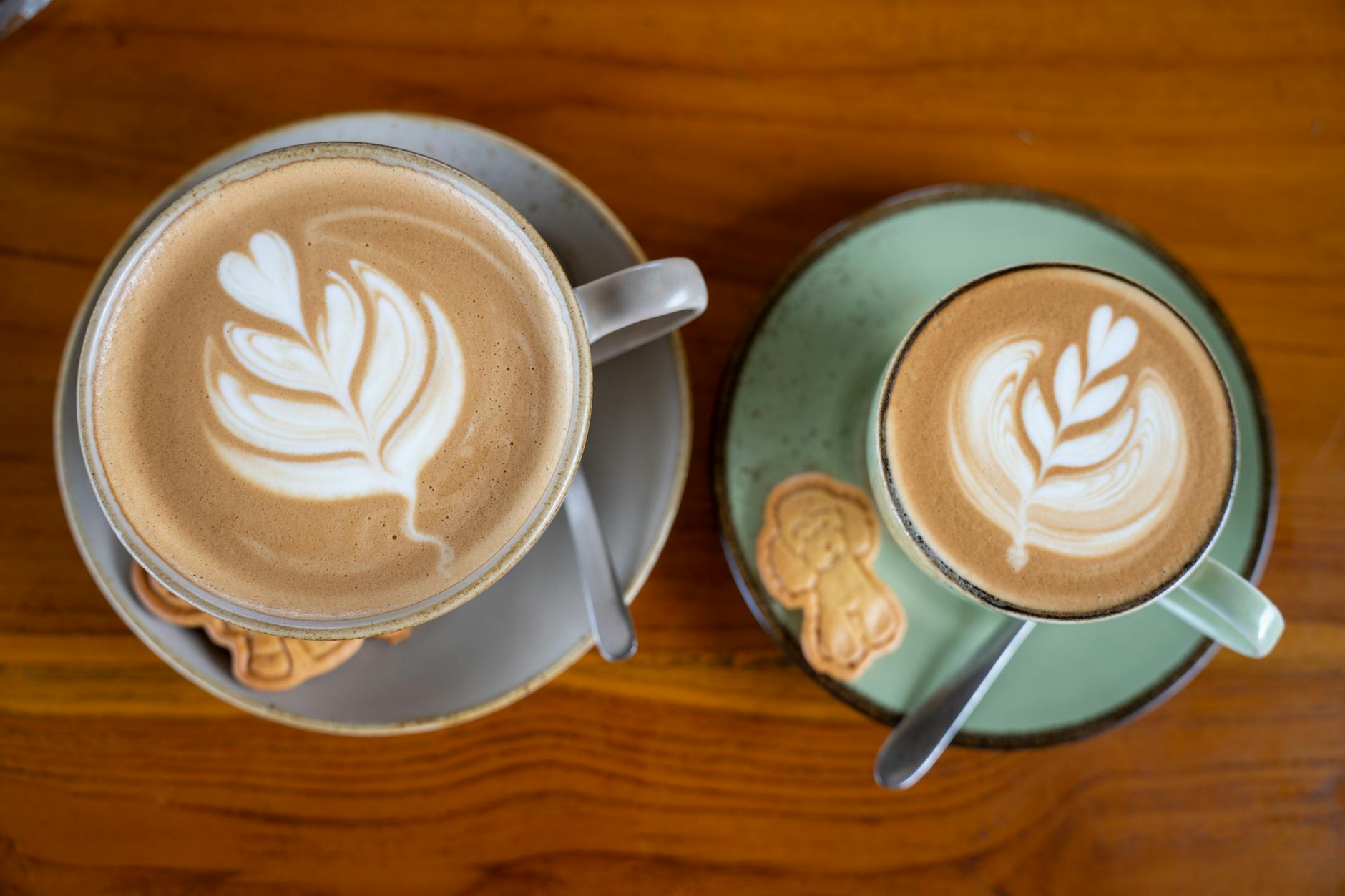
Café Vlissinghe
Sint-Anna Quarter, Bruges
The oldest surviving café in Belgium — the first written record dates to 1515, making Vlissinghe one of the oldest continuously operating cafés in Europe. Hidden in the quiet Sint-Anna quarter of Bruges, a ten-minute walk from the Markt, the building consists of two joined houses from the late 15th century; the interior — neo-baroque furniture, black marble fireplace, paintings and objects from centuries of neighbourhood life — is protected as a historic monument since 1998. The café has no background music. No brewery insignia on every surface. No themed décor. Just the original room, original furniture, and a glass of whatever you fancy. Coffee with speculoos, naturally. The garden terrace, enclosed behind the low houses of Sint-Anna, is one of the most serene outdoor spaces in Bruges.
⏱ Daily 11:00–21:00 · 📍 Blekerstraat 2, Bruges · Sint-Anna quarter
Visit Café Vlissinghe →Planning Your Drinks Trip
Two practical questions every Belgian beer trip runs into.
Compare rental cars in Belgium →
Find hotels in Brussels → · Find hotels in La Roche-en-Ardenne → · Find hotels in Bruges →
💡 Good to Know
- 🍾 Belgian sparkling wine from the Haspengouw appellation has earned serious international recognition — Genoels-Elderen's wines were called technically "exceptional" by the world's leading Champagne critic Tom Stevenson
- 🥃 Jenever in Hasselt is traditionally ordered alongside a local beer — the combination is called "half en half" and remains a living tradition in Hasselt cafés. Never mix jenever; always serve cold
- 🥂 Always ask for the correct glass — serving Belgian beer in the wrong glass is considered genuinely disrespectful. Every major Belgian beer has a dedicated glass designed over generations to maximise aroma, foam, and temperature
- 🍺 Belgian beers are served warmer than most drinkers expect — Trappist ales and strong ales typically at 8–12°C, not ice cold. The flavour opens up as the glass warms. This is intentional
- ⛪ Chimay Dorée is brewed exclusively for on-site consumption at Espace Chimay — lighter and more delicate than the Blue or Red, available nowhere else in the world
- 🪣 Lambic fermentation is seasonal — the coolship at Cantillon opens only between October and April, when ambient temperatures prevent bacterial contamination. Visit in summer for the tasting room and barrel room; brewing is paused
- 🚆 Cantillon is 15 minutes on foot from Brussels-Midi station. 3 Fonteinen is 10 minutes by direct train (Lot station). Hasselt Jenevermuseum is 45 minutes by train from Brussels
- 📅 Belgian Beer Weekend, held each September on the Grand Place in Brussels, brings 50+ breweries together for three days of free outdoor tastings and brewer meet-and-greets — one of Europe's largest beer events