
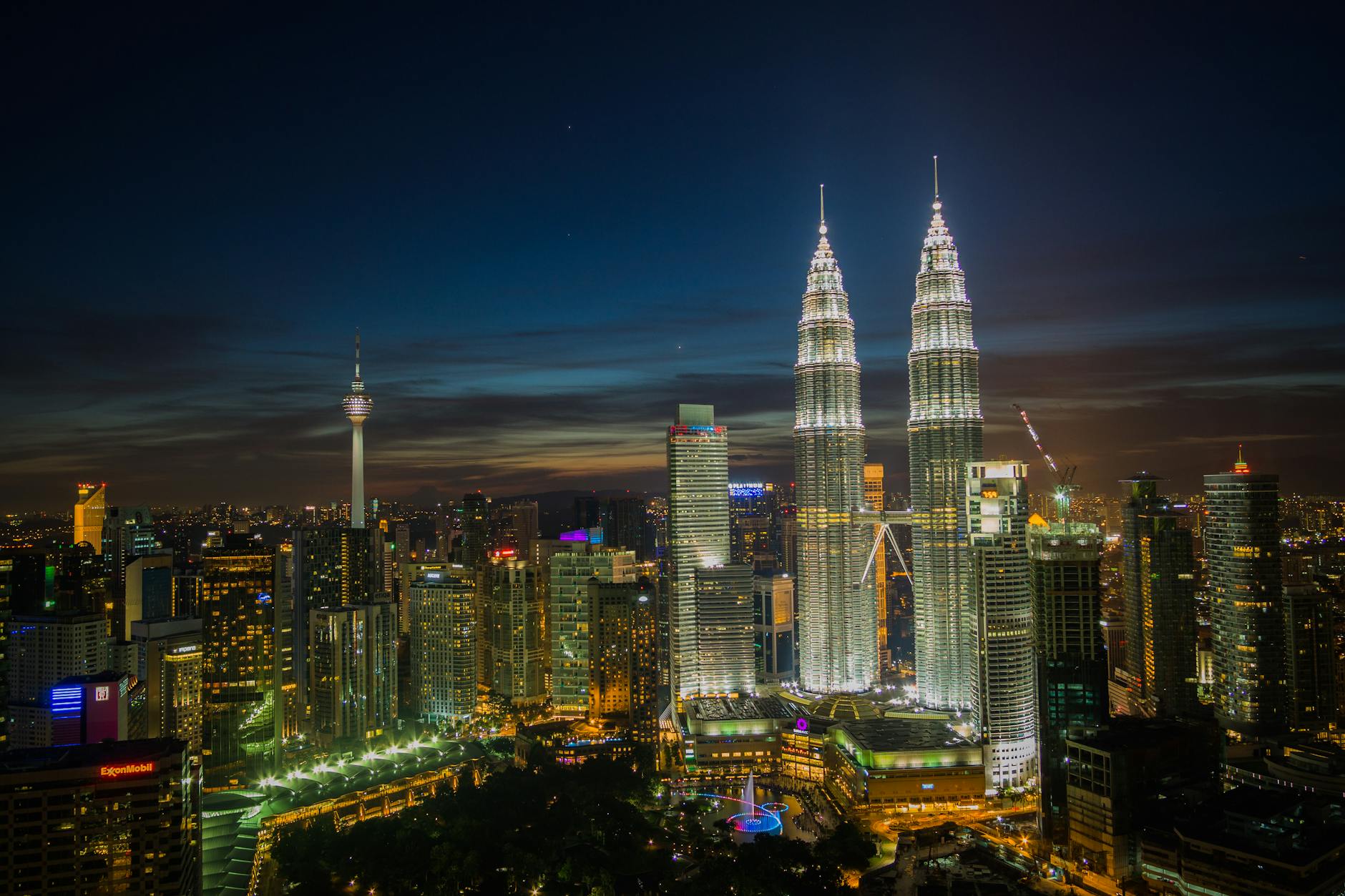
KL works. LRT trains are clean, on time, air-conditioned. The Petronas Towers dominate. Malls everywhere.
Batu Caves sits just outside—Hindu temple in limestone cave, 272 rainbow steps, monkeys. Touristy. Still impressive. Free entry.
Chinatown brings Petaling Street market—knockoff goods, food stalls, organized chaos. Jalan Alor (nearby) has street food until midnight.
Rooftop bars offer skyline views—Heli Lounge Bar on helipad, Marini's on 57. Expensive (RM50-100 drinks) but views stunning.
KL is transit hub. Efficient. Clean. But Penang calls for food. And Perhentian Islands for diving.
Penang is Malaysia's food capital. Hawker centers everywhere. Gurney Drive, Chulia Street, New Lane.
Char kway teow is local specialty—flat noodles, wok-fried, smoky. Every stall claims best. Try multiple. Locals argue forever.
George Town UNESCO site preserves colonial shophouses, clan jetties, street art. Ernest Zacharevic's murals made it Instagram famous.
Penang Hill funicular climbs to colonial station—RM30, views on clear days, cooler air. Often foggy. Morning best attempt.
Penang is where Malaysians go for food. Trust them. Eat everything.
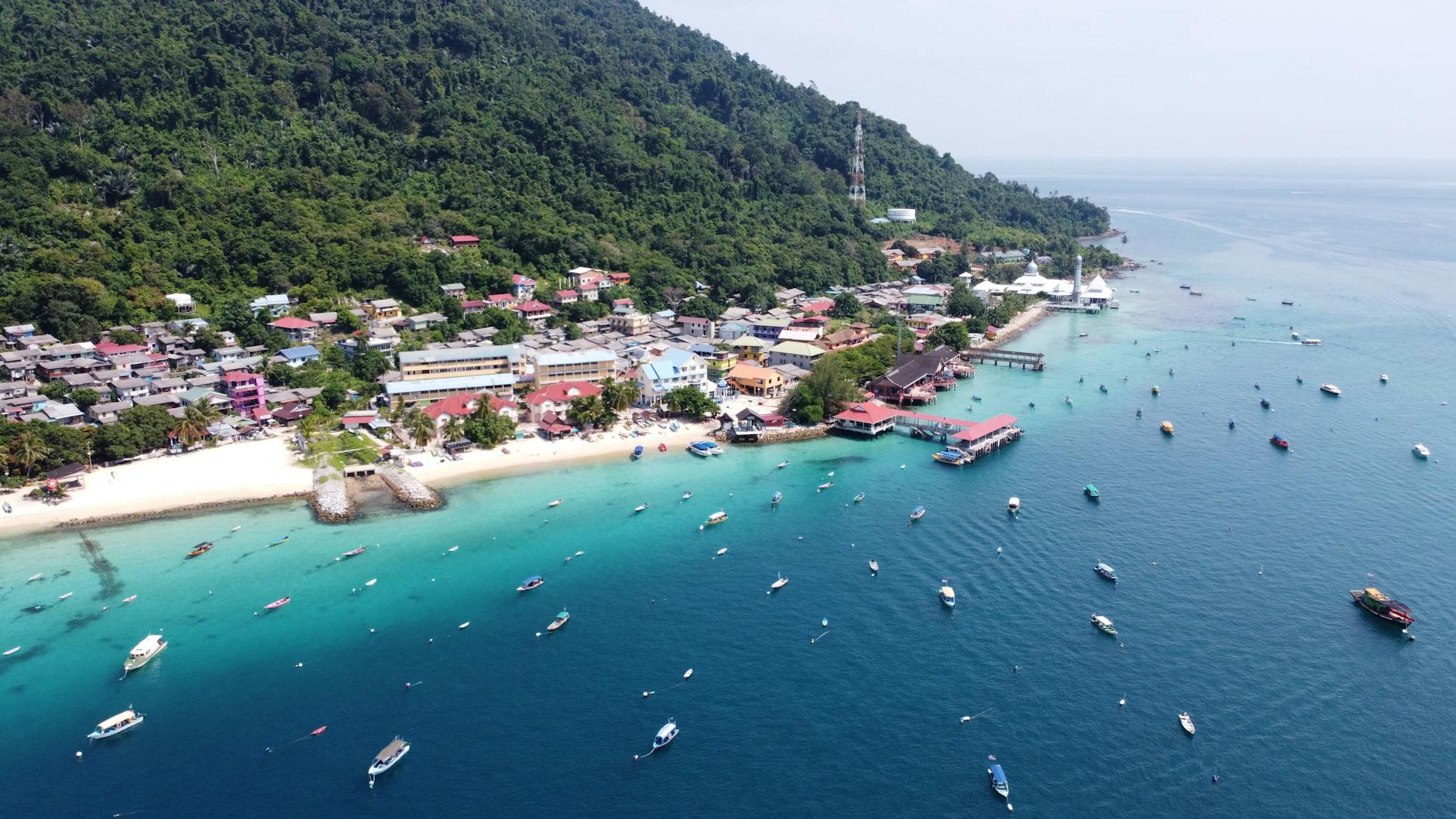
Perhentian splits into two islands—Kecil (small, backpackers, party) and Besar (big, families, quiet).
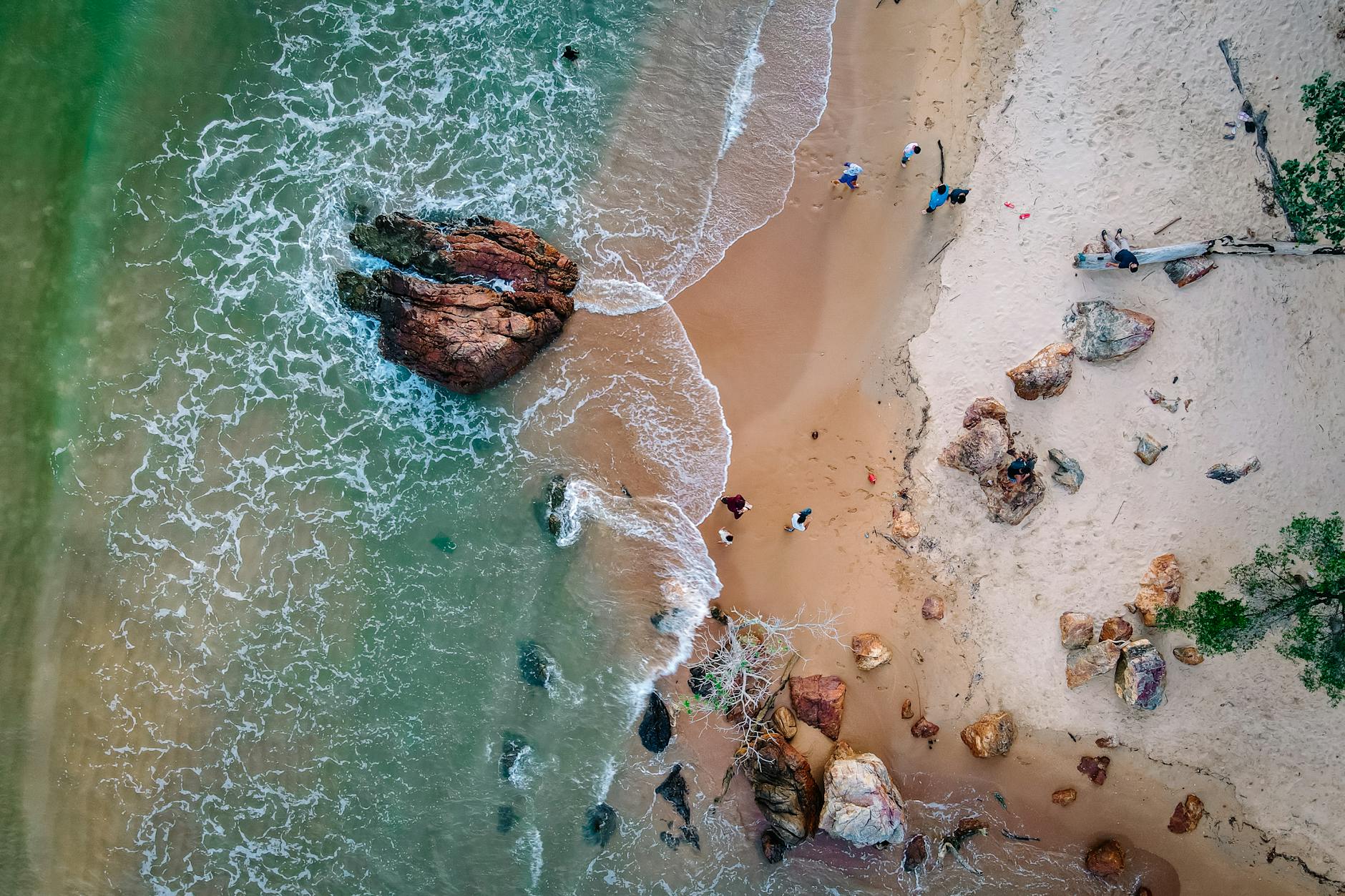
Snorkel from beach. Turtles swim 20m offshore. Blacktip reef sharks cruise the shallows. Coral reefs everywhere.
PADI diving certification costs RM1,000-1,400 all-in. Cheaper than Thailand. Clear water. Good instruction.
Beach bungalows RM80-250/night. Simple. Fan-cooled. Some have air-con (RM150+). Wake to ocean sound.
Season is March-October only. November-February monsoons close everything. Boats don't run. Plan accordingly.