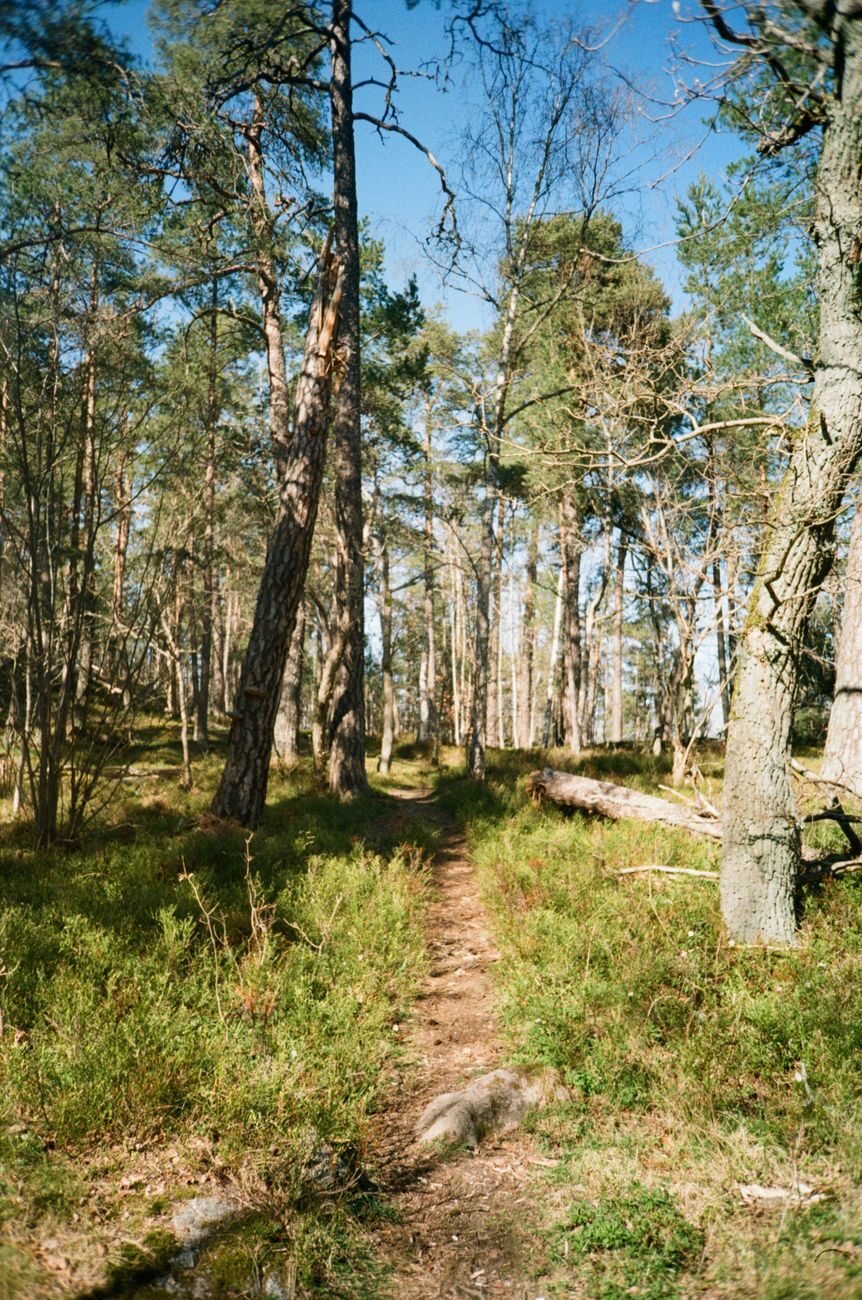
This is your destination guide for Sweden.
This is your destination guide for Stockholm Archipelago
📍 Part of SwedenThirty thousand islands reached by public ferry — granite rocks, red cottages, and a sauna at the end of the jetty.
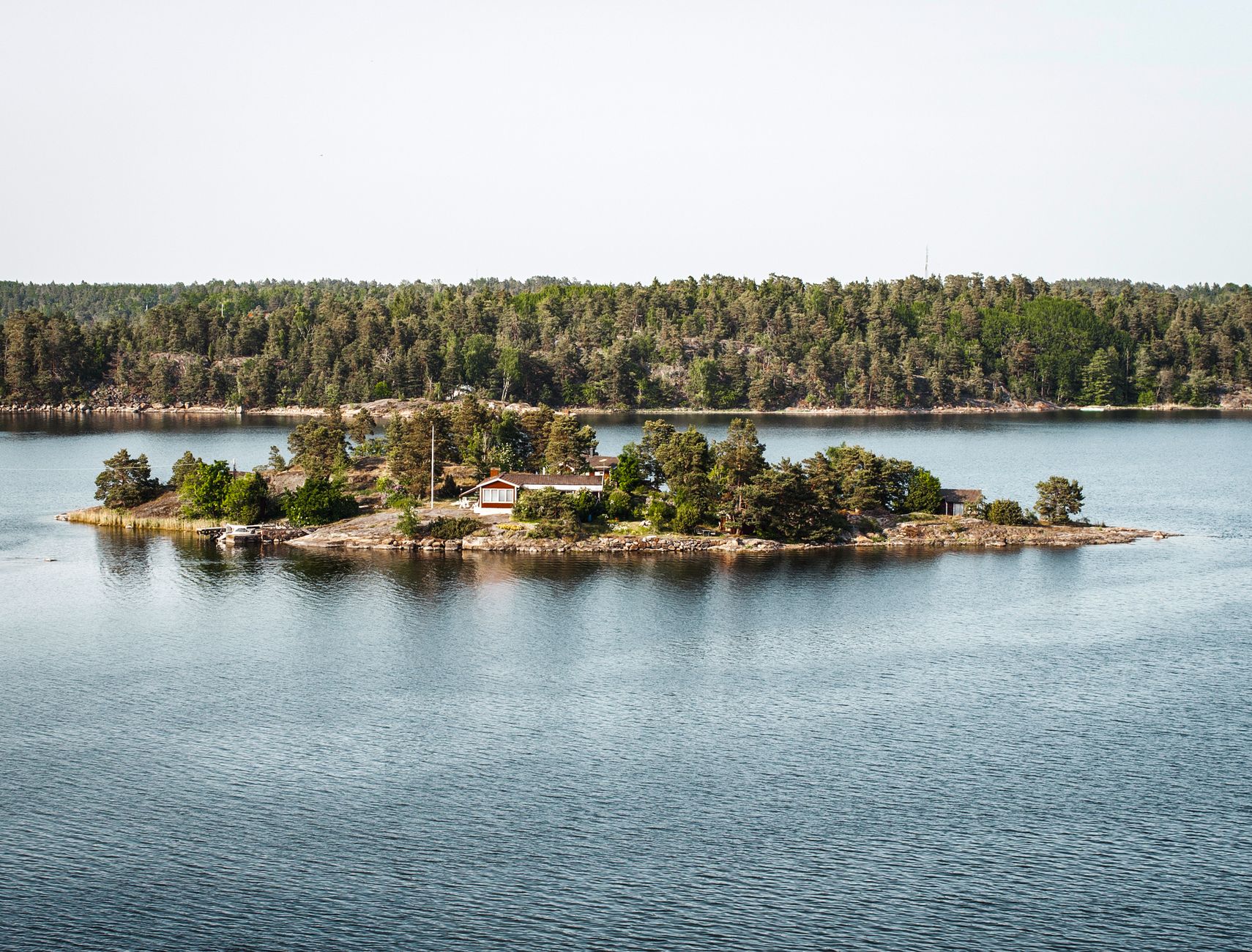

The reality: You board at Strandvägen with a paper ferry ticket and a bag of cinnamon buns. Ninety minutes later the city is gone — just pine, smooth granite, red cottages, and open Baltic. You step off at a jetty. There's a sauna, a swimming rock, and no car anywhere, because there are no roads. That's the whole idea.
The Stockholm archipelago is roughly 30,000 islands, skerries and rocks spread 80 kilometres east of the city. Most visitors never leave the inner ring — a boat to Vaxholm and back. The real archipelago starts where the day-trippers turn around: Möja's fishing village, Utö's cycle paths, Landsort's lighthouse at the far south. And since 2024 there's a 270-kilometre walking trail, the Archipelago Trail, linking 20 of these islands leg by leg, ferry by ferry.
You don't need a boat, and you don't need to be Swedish. You need a ferry timetable, decent shoes, and the patience to let the boat set the pace. Pick two or three islands, not ten. Swim off the rocks. Miss a ferry and have a coffee instead. The archipelago rewards people who slow down and quietly punishes anyone in a hurry.
The archipelago is usually split into three rings: inner (green, wooded, quick to reach), middle (the classic mix of forest and open water), and outer (bare rock, big skies, far fewer people). Pick one island from each ring and you've seen the whole range in a long weekend.

Fjäderholmarna — the closest islands, 25–30 minutes out. Craft workshops, a smokehouse, a couple of restaurants. The easy evening trip: dinner, a swim, last boat home. Good when your time is short.
Vaxholm — the archipelago's only proper town and the gateway everyone passes through. A wooden 19th-century grid, a fortress guarding the channel, cafés along the water. Ordinary SL tickets now reach here year-round. Pleasant — but it's the doorway, not the room.
Grinda — car-free, forested, about 90 minutes out. One inn, several swimming spots, paths across the whole island. Busy in July, yours by September. A good first "real" island.
Sandhamn — the sailing island, out at the mouth of the archipelago. The old Royal Swedish Yacht Club clubhouse is now the Seglarhotell; weekends bring boats, a bar, and Stockholmers in deck shoes. Sandy beaches on the far side, away from the harbour.
Möja — a working fishing village that never turned into a theme park. Old boat sheds, a chapel, one shop, herring smoked the way it always was. Cinderella no longer runs here — take Waxholmsbolaget. Come for the quiet.
Utö — bikes, beaches, and 400 years of iron-mining history you can walk through. Rent a bike at the jetty, ride to the Rånö sands, buy bread at the island bakery. The "do a bit of everything" island.
Finnhamn — a nature-reserve island with a hostel in an old yellow villa. Rocks, forest, sheltered swimming. A quiet base for walkers on the northern trail sections.
Arholma — the northern end of the Archipelago Trail. A red-cottage farm, a waterfront sauna, a WWII coastal-defence museum. Far enough out that day-trippers rarely bother.
Landsort (Öja) — the southern tip. Sweden's oldest working lighthouse, a retrofitted pilot's tower you can sleep in, and birdwatchers in spring and autumn. The end of the line, in the best way.
Opened in 2024, the Stockholm Archipelago Trail strung old footpaths — some made by Vikings, some by sheep — into 270 kilometres of marked walking across 20 islands, from Arholma in the north to Landsort in the south. National Geographic and TIME both put it on their 2025 lists, so it's no longer a secret. The trick of it: you walk one island, take a ferry, walk the next. No through-hiking, no logistics beyond a timetable.
The trail is cut into 21 legs, each marked easy, average or challenging, and each a standalone day. Almost nobody walks the whole thing. You pick a leg that suits your legs.
First walk: Utö or Finnhamn — gentle, well-marked, good swimming stops, ferries that turn up. Rånö is the family one: shallow water and sand.
Long day: Ornö has the longest single leg, forest and inland lakes, and you'll have most of it to yourself.
Blue-and-yellow ribbon markers keep you on track, with a thin reflective strip for failing light. Allemansrätten — the right to roam — lets you wild-camp a night on most stretches, within the usual rules: no fires on bare rock in summer, carry everything out.
For people who'd rather be in the water than beside it.
The archipelago is as much sea as land, and the best of it is only reachable — or only worth it — from the surface of the water.
Archipelago food is honest and seasonal: fish that was in the water that morning, bread from the island bakery, and whatever the forest is giving up that week. Nobody's chasing Michelin stars out here — they're chasing the last ferry.

Strömming — Baltic herring, fried or pickled, the everyday fish of these islands. Fried herring with mashed potato and lingonberry is the plate to order.
Smoked fish — whitefish, salmon and herring from island smokehouses. Fjäderholmarna and Möja both have them; buy a piece off the counter and eat it on the rocks.
The island inns — Grinda Wärdshus, Sandhamns Värdshus, Utö Värdshus and Fjäderholmarnas Krog all do proper sit-down archipelago cooking. Not cheap, but the setting is half the meal.
Utö Bageri — the island bakery worth planning a ferry around. Bread, buns, and the reason half of Utö smells of cardamom by mid-morning.
And everywhere, fika — coffee and a cinnamon bun, taken seriously. On the outer islands you bring your own, because there's no café for miles. That's not a hardship. A bun on a warm granite rock with the open sea in front of you is the whole holiday in one bite.
June and early September are the sweet spot. Long days (near-midnight light in June), water warm enough to swim, ferries running often, islands alive but not mobbed. This is when to come.
July — the archipelago at full volume. Every Stockholmer with a boat or a cottage is out, Sandhamn and Grinda are packed, and accommodation books out months ahead at the highest prices of the year. Beautiful, but you're sharing it. If July is your only window, aim for the outer, harder-to-reach islands where the crowds thin.
May and late September–October — the shoulder. Fewer ferries, some inns closed, but the trail is at its best and you may have a whole island to yourself. Bring layers; the Baltic wind ignores the calendar.
Winter — a different place entirely. Many ferries stop, outer islands can ice in, and most inns close. The inner islands stay reachable and the light on snow is worth seeing, but this isn't summer with fewer people — it's a proper Nordic winter. Plan accordingly.
The ferry is everything. No roads between islands, no bridges to speak of. Two operators cover it: Waxholmsbolaget (the public network, boats from Strömkajen reaching almost everywhere) and Cinderellabåtarna (Strömma's faster seasonal boats from Strandvägen to Vaxholm, Grinda, Gällnö and Sandhamn).
Tickets: buy Waxholmsbolaget tickets in the SL app or onboard by card — and keep the paper ticket, you hand it back when you step off. Ordinary SL tickets are now valid year-round on the Stockholm–Vaxholm stretch, which makes the gateway islands genuinely cheap to reach.
One catch: Cinderella no longer serves the Möja run in the middle archipelago — for Möja and the smaller middle-ring jetties, it's Waxholmsbolaget. For the gaps the timetable leaves (or a missed last ferry), the BOUT app now covers on-demand boat taxis across the whole archipelago.
On the islands it's your feet or a rental bike — Utö especially. If you drive out to a departure quay, leave the car in the mainland car park at Stavsnäs, Sollenkroka or Årsta havsbad.
Compare rental cars →Where you sleep decides what kind of trip you get. Pick an island and commit — hopping every night means spending the holiday on ferries.
Sandhamn Seglarhotell — for sailing, a harbour bar, and the busiest scene out here.
Grinda Wärdshus — a car-free island inn, forest and swimming from the door, easy from the city.
Utö Värdshus — bikes, beaches, and a village to explore; the all-rounder.
Finnhamn or Arholma hostels — cheap, simple, right for walkers on the trail.
Lotstornet, Landsort — a converted pilot's lookout tower at the southern tip; six rooms, endless sea, for the far-end romantics.
A rented cottage — the real thing: your own red cabin, a jetty, a sauna, no neighbours. Best for four nights or more.
The archipelago isn't cheap — Sweden rarely is — but the getting-around is public transport, so the real cost sits in the bed and the lunch, not the boat.
Prices in 2026 kronor (roughly €1 = 11.5 kr). Shoulder season (May, September) knocks 25–35% off the lodging.
Go if you want to island-hop by public ferry through 30,000 islands — swim off granite, sleep in a red cottage, and let the boat be the point. Skip if you need a car, a warm sea, or July without crowds.
Found this useful? Share it.
Still planning?
We don’t stop at “here’s the country.” Real places to stay, what to do, apps that matter, even how to find someone to travel with — plus guides for whatever vibe you’re after, from beach days to wine country to slow weekends. All up top. Spin for somewhere new when you’re done with this one.
👇 Tap one, or just type