
⭐ What to Do & Local Tips
Experiences and insider tips for getting the most from your time in Palau
Palau is the planet’s most intact coral ecosystem combined with some of the Pacific’s most significant WWII history, all concentrated in an island group smaller than most European cities. Most activities here happen on or under the water: drift diving Blue Corner, snorkelling the Rock Islands, kayaking through limestone passages, watching manta rays at German Channel.
Off the water there is more than most visitors expect: the Belau National Museum’s bai and storyboards, the battlefield at Peleliu with its rusted Japanese tanks and cave bunkers, the ancient monoliths of Babeldaob, and the very particular quiet of a small Pacific capital where the US dollar is the currency and the ocean is always fifteen minutes away.
December through April is peak season. Seas are calmest and visibility highest. June through October is wetter but uncrowded — diving remains excellent and prices drop. A Palau Green Fee of US$50 (valid 10 days) is charged on arrival.
📍 Book Activities & Experiences
Rock Islands, Jellyfish Lake, Milky Way & Beach Day
The essential Palau day: hotel pickup from Koror, speedboat to the Rock Islands Southern Lagoon, snorkelling the pristine reef, a stop at the Milky Way (white limestone mud lagoon), and a visit to Jellyfish Lake. 5–8 hours. Permit fees not included in the tour price—budget US$120 extra for Jellyfish Lake permit.
More info →Full-Day Scuba Diving with Hotel Transfer
Full day of diving with a certified guide at Palau’s best dive sites. Captain selects sites based on conditions — Blue Corner, German Channel, and WWII wrecks are common choices. Lunch on the water. Hotel pickup included. 93% of 27 reviewers recommend. Dive certification required. Equipment hire and state permit fees extra.
More info →Full Day Scuba Dive — Blue Corner & German Channel
Two-tank dive day with a small group (max 14) at Palau’s signature sites. Blue Corner drift dive alongside grey reef sharks and eagle rays. German Channel manta ray cleaning station. Lunch from Drop Off Bar and Grill. Free Nitrox for certified divers. Free cancellation up to 24 hours ahead.
More info →Palau Big Island Adventure — Babeldaob Cultural Tour
4–8 hour tour of Babeldaob island (Palau’s largest, mostly unexplored). Sam’s Tours covers historical sites, cultural landmarks, WWII relics, the ancient Badrulchau stone monoliths, and the hike to Ngardmau Waterfalls (Micronesia’s tallest). Hotel pickup from Koror. Ideal for a non-diving day or a cultural counterbalance to the underwater days.
More info →⭐ Top Experiences in Palau
⭐ Blue Corner & German Channel diving
Blue Corner is a sheer reef wall in Palau’s southern lagoon where strong currents deliver grey reef sharks, eagle rays, Napoleon wrasse, and barracuda in enormous numbers. Divers hook into the reef and hover as the fish parade past. German Channel is a manta ray cleaning station — the mantas rise from depth and circle overhead while cleaner wrasse work their gills. Both sites require current-diving experience. Best November–April for visibility of 30m+.
More info →⭐ Belau National Museum & Bai
Koror’s national museum traces Palauan history through Spanish, German, Japanese, and American colonial periods via artefacts, photographs, and carved storyboards. The grounds contain a full-scale reconstructed bai — the traditional community meeting house built without nails, carved and painted with Palauan mythology. Open Monday–Friday 9am–5pm, Saturday 10am–4pm. Entry US$10.
More info →⭐ Peleliu WWII battlefield
Two hours south of Koror by speedboat. One of the most intact Pacific War battlefields, with rusted Japanese tanks, aircraft, cave bunkers, and both American and Japanese memorials still visible in the jungle. Peleliu Adventures runs guided tours of the sites including Bloody Nose Ridge, the Japanese headquarters, and the Peleliu airfield. The WWII Memorial Museum provides context.
More info →⭐ Jellyfish Lake — Ongeim’l Tketau
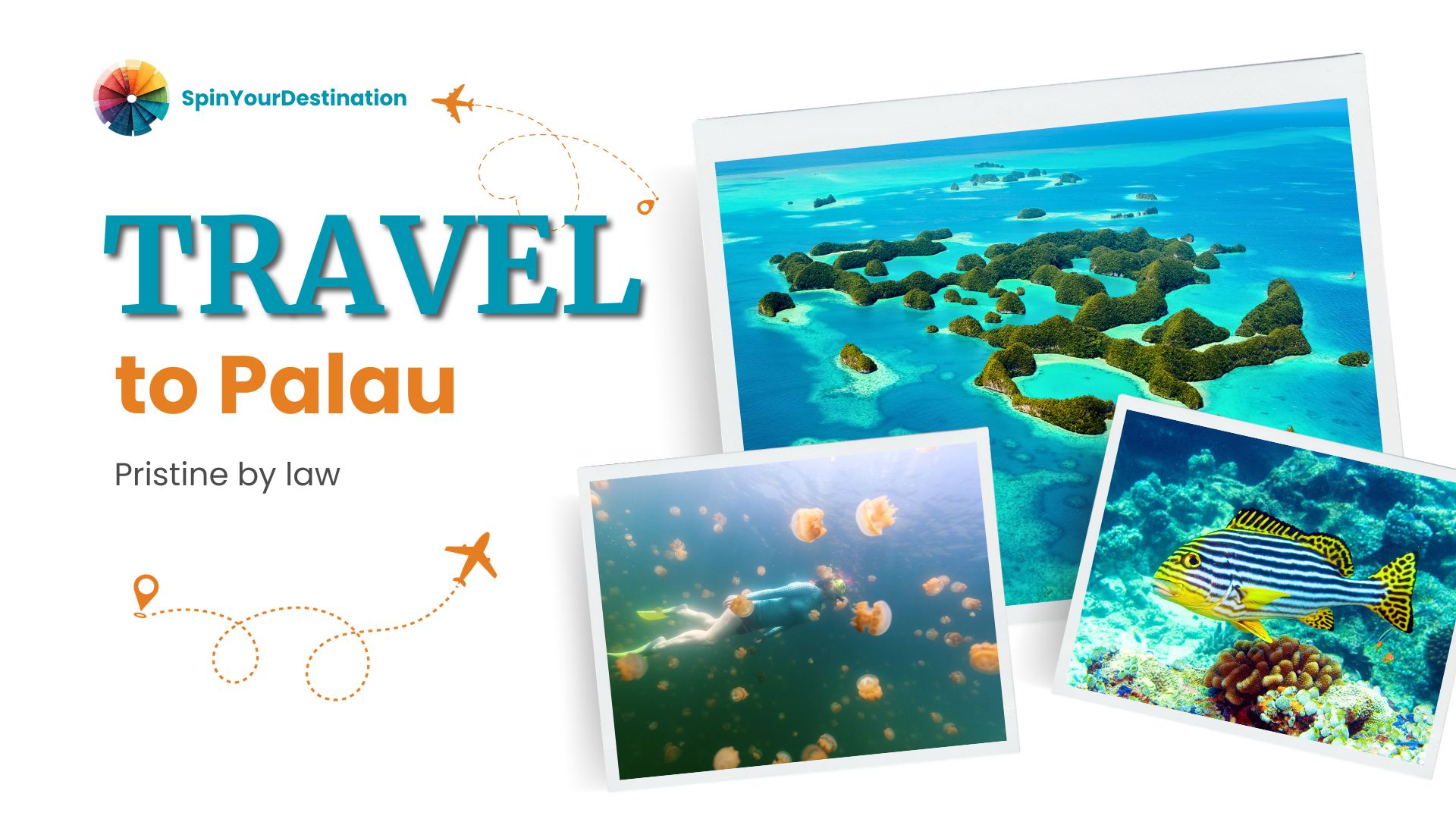
A marine lake on Eil Malk island, 45 minutes by speedboat from Koror, where millions of golden jellyfish evolved in isolation to lose their sting. Swimming through them is one of the most unusual wildlife encounters in the Pacific. Note: the jellyfish population is currently at a historic low (2024–2026) — check current conditions with tour operators before making this the centrepiece of your trip. Permit US$100, valid 5 days.
More info →⭐ Koror — waterfront & local life
The Drop Off Bar and Grill on Malakal Island is the de facto divers’ canteen and social hub — where the daily dive debrief happens over cold beer and fresh-grilled fish. The Palauan fresh market sells local produce, seafood, and handicrafts. Koror’s compact waterfront is walkable in an afternoon; Filipino and Japanese restaurants serve meals from US$8–15. The WCTC Shopping Center has the best selection of souvenirs and Palauan crafts.
More info →⭐ Ngardmau Waterfall & Babeldaob jungle
Babeldaob’s Ngardmau Waterfall is the tallest in Micronesia — a multi-tiered cascade through primary jungle on an old Japanese mining railway trail (40 minutes each way, US$10 entry). Combine with the Badrulchau Stone Monoliths in Babeldaob’s north — 52 basalt megaliths on a hilltop that predate written Palauan history — for a full day off the water. Rental car or guided Babeldaob tour from Koror.
More info →⭐ Milky Way Lagoon
A hidden cove in the Rock Islands where the seabed is fine white limestone powder. When stirred up, the water turns a bright opaque turquoise-white — unlike anything else in the Pacific. Boats anchor here and passengers coat themselves in the mineral-rich mud, said to be a natural exfoliant. Visited on most Rock Islands day tours. Spectacular in morning light. About 30–40 minutes by speedboat from Koror.
More info →⭐ Sam’s Tours Palau
Palau’s award-winning eco-adventure operator since 1981. Small-boat dive charters with free Nitrox, precise manta ray timing at German Channel, and snorkel/kayak charters for non-divers. Hotel pickup and lunch included on all full-day trips. Known for excellent divemaster briefings and fish identification pads. Booking online is straightforward.
More info →⭐ Rock Islands Southern Lagoon
445 uninhabited limestone islands rising from turquoise Pacific water — a UNESCO World Heritage Site since 2012. The mushroom-shaped islands are the result of millennia of undercutting erosion. The lagoon contains 52 marine lakes (more than anywhere else on earth), over 385 coral species, and 13 species of sharks and rays. Rock Island permit US$50 required for day entry. No construction is permitted anywhere within the heritage boundary. Rated #1 attraction in Palau.
More info →⭐ Etpison Museum — storyboards & Palauan art
Palau’s finest cultural museum, rated above the national museum by most local guides. Three floors of traditional Palauan money (glass, ceramic, and stone), master-carver storyboards depicting mythology and legend, rare shells, colonial photography, and a bird exhibit linked to the iBird app. Entry US$10. Open Monday–Friday 10am–5pm, weekends 12:30–5pm. Photography not permitted inside. Gift shop on the top floor sells high-quality Palauan art prints and jewellery.
More info →⭐ Fish ’n Fins Palau — since 1972
Palau’s original dive operator, PADI 5-star IDC certified and operating since 1972. Multi-day packages (3–10 days) include hotel, airport transfers, all dive permits, and lunch on the water. The Ocean Hunter liveaboards are the only way to reach Blue Corner at dawn before the day boats — prime conditions for the biggest shark aggregations. The Barracuda Café restaurant is on-site at Malakal dock. Also runs Rock Island kayak tours and off-road Babeldaob jungle expeditions.
More info →⭐ Long Beach sandbar
A natural sandbar in the Rock Islands Southern Lagoon that appears only at low tide — stretching nearly a kilometre through shin-deep turquoise water. Tour guides draw messages in the sand, and visitors wade the full length of the bar with an unobstructed view of the Rock Islands on both sides. One of the most photographed spots in Palau. Always included in full-day Rock Island tours. Check tide times before booking — at high tide the sandbar is completely submerged.
More info →⭐ Rock Islands kayaking
Paddling through the Rock Islands puts you into limestone arches, hidden mangrove channels, and deserted beaches that speedboats cannot reach. Planet Blue Sea Kayak Tours (Sam’s Tours kayak division) runs full-day and half-day guided paddles through the southern lagoon. No experience needed — water is calm inside the lagoon and temperatures are 28°C year-round. Some marine lakes along the route are paddleable but not swimmable (anoxic layers below surface). Half-day from US$80.
More info →⭐ Dining in Koror — local food & divers’ canteens
Drop Off Bar and Grill on Malakal is the after-dive institution — cold beers, grilled reef fish, and the stories of the day. Carp Restaurant serves fresh local seafood at reasonable prices. Palauan traditional dishes include fruit bat soup (coconut milk, ginger, and whole bat — a genuine cultural experience), taro, and breadfruit. Filipino and Japanese restaurants around downtown Koror serve full meals for US$8–15. Avoid resort restaurants where the same food costs 40% more.
More info →📋 Booking Tips
- Book dive days well in advance in peak season (Dec–Apr): Boats fill quickly. Most operators require at least 48 hours notice; some popular dive shops book out weeks ahead in January and February
- Check Jellyfish Lake conditions: The golden jellyfish population is currently very low. Ask your tour operator before adding this to your itinerary as the primary attraction
- Buy Green Fee and Rock Island permit at the airport: The US$50 Green Fee is mandatory and collected on arrival. The Rock Island permit (US$50) can be bundled with your day tour
- Free cancellation: Most Viator activities in Palau offer free cancellation up to 24 hours before — book early and cancel if plans change due to weather
- Peleliu requires planning: The boat crossing is 2 hours each way. Day trips are possible but long. An overnight stay on Peleliu gives much more time at the sites
💡 Local Tips
Everything you need to know before you go
💡 Essential Info
USD (US Dollar)
Palau uses the US dollar exclusively. Cards are accepted at hotels and dive shops; bring cash for small restaurants, local markets, and boat tips. ATMs exist in Koror but the selection is limited — withdraw before leaving Koror for outer islands.
Palauan and English
Both are official languages. English is spoken at all hotels, dive shops, restaurants, and tourist services. Signage is bilingual. No translation needed for any tourist-facing interaction.
+680
Emergency: 911
Mobile coverage is good in Koror, patchy in outer islands and on Babeldaob. Download everything offline before leaving Koror. Local SIM cards available. US phones may roam on local networks — check your carrier.
No mandatory vaccines for most nationalities. Malaria-free. Tap water in Koror is generally safe; bottled water is safer on outer islands. Sun protection is critical — Pacific equatorial UV is intense. Bring high-SPF reef-safe sunscreen (mandatory by Palau law).
🤝 Cultural Tips
💵 Tipping
Not mandatory but appreciated. 15–20% at restaurants where service is not included. Dive guides: US$10–20 per person per day is standard for quality service. Boat captains: US$5–10 per day. Do not tip with non-cash goods — cash only.
🌿 The Palau Pledge
Signed in your passport at immigration. A commitment to act responsibly toward Palau’s natural environment. It is not symbolic — standing on coral, touching marine life, littering, or removing natural items can result in significant fines. Reef-safe sunscreen is required in Palau’s protected waters.
🍽 Dining
Palauan cuisine centres on fish, taro, and coconut. Fruit bat is a traditional delicacy found in some local restaurants. Japanese food is widespread and well-prepared (reflecting decades of Japanese influence). The Drop Off Bar and Grill on Malakal is the de facto divers’ canteen and reliably good. Koror has several Filipino and Asian restaurants at modest prices.
📷 Photography
Always ask before photographing Palauan people, particularly at cultural events. The bai at the Belau National Museum is freely photographable. Inside both museums, photography restrictions apply — check at the entrance. Underwater photography is encouraged but touching subjects to position them for photos is a serious conservation violation.
👗 Conservation Rules
Palau has some of the strictest environmental laws in the Pacific. Do not collect shells, coral, or sand. No fishing without a permit. No shark feeding. Reef-safe sunscreen only — oxybenzone and octinoxate are banned and fines are enforced. The Green Fee (US$50) and permits fund conservation directly.
🚨 Safety & Health
- Palau is a very safe destination — violent crime is rare. The main risks are marine: currents at Blue Corner are powerful; only dive there if current diving is within your certification and experience level
- The anoxic layer in Jellyfish Lake starts at 15 metres — scuba diving in the lake is prohibited (hydrogen sulfide is lethal). Snorkelling only
- Purchase travel insurance covering dive accidents and medical evacuation — decompression injuries require recompression treatment and Palau’s chamber may have limited availability
- On Peleliu, stay on marked trails — unexploded ordnance from WWII is still occasionally found. Do not enter unmarked caves or bunkers without a guide
- Dehydration is common on boat days — drink water constantly and apply reef-safe SPF 50+ every two hours
- DAN (Divers Alert Network) membership is strongly recommended for any trip combining multiple days of scuba diving
💰 Money-Saving Secrets
- Book a multi-day dive package — daily rates drop significantly from the fourth dive day onwards with most operators
- Local restaurants in Koror serve meals for US$8–15; dive resort restaurants charge US$20–40 for the same quality
- Join group day charters to split boat costs with other visitors rather than booking a private charter
- Avoid staying in private island resorts unless you specifically want seclusion — Koror guesthouses provide the same access to dive sites at a fraction of the price
- Travel in June or November — shoulder months with good conditions, fewer visitors, and 20–30% lower accommodation rates than peak season
📅 Best Time to Visit
Dry Season Peak
December–April ~ 25–30°C, dry, calmest seas, best visibility
✅ Pros: Highest visibility (30m+), calmest boat conditions, all operators fully active, prime time for Blue Corner and German Channel
❌ Cons: Peak prices, dive boats fill up, accommodation books 2–3 months ahead; January and February are the busiest
Shoulder Season
May and November ~ 27–30°C, transitional, still mostly good
✅ Pros: 20–30% cheaper, fewer divers on the boats, visibility still excellent (20–30m), all sites accessible
❌ Cons: Occasional rain squalls, some days the sea is rougher — operator flexibility important
Wet Season
June–October ~ 27–30°C, afternoon showers, calmer mornings
✅ Pros: Lowest prices, very few tourists, diving is genuinely good (plankton-rich water attracts whale sharks and mantas), outer sites less crowded
❌ Cons: Afternoon tropical showers, occasional rough seas on outer sites, some smaller operators reduce schedules
Year-Round
28°C water temperature always, 25–30°C air temperature year-round
✅ Pros: No real bad season for diving. Water stays warm, coral is healthy, marine life is present regardless of the month
❌ Cons: No true “off-season” deal as Palau has no cheap period — only a less expensive one