
Luxembourg Drink Guide
From the Crémant cellars of the Moselle to a new generation of wine bars in Luxembourg City — a small country with a serious drinks culture.
Luxembourg's drinks story is told along one river. The Moselle forms the country's entire eastern border with Germany — and along this 40km strip, vines have been cultivated since Roman times. The wines are white, aromatic, and dry: Riesling, Auxerrois, Pinot Gris, Pinot Blanc. But the signature drink is Crémant de Luxembourg — a bottle-fermented sparkling wine made by the same traditional method as Champagne, from grapes grown on chalky riverside slopes that few visitors outside the region have ever heard of.
Luxembourg City has quietly built one of the better wine bar scenes in northern Europe — natural wine specialists, a champagne bar run by award-winning sommeliers, and a culture of taking a well-chosen glass seriously. And in Wiltz, a fifth-generation family brewery has been making artisan beer since 1824. These are the places worth visiting in person.
This guide contains information about alcoholic beverages and is intended for adults of legal drinking age in their country.
Wine — Moselle Valley Cellars
Luxembourg's entire wine production comes from the Moselle Valley — a 40km corridor of chalky vineyards along the eastern border. The wines are predominantly white and dry, controlled by the strict Marque Nationale quality system. The standout achievement is Crémant de Luxembourg: bottle-fermented sparkling wine that competes seriously with Champagne at a fraction of the price.
Moselle Valley — Remich & Grevenmacher
The Moselle runs south to north along Luxembourg's eastern border, with the wine villages of Remich, Wormeldange and Grevenmacher marking the main clusters of producers. The soils are chalky Keuper marl and slate — ideal for aromatic whites and the slow secondary fermentation that Crémant demands. Most producers offer guided cellar tours that reveal the scale of the underground caves carved into the riverbanks. The annual Wine Taste Enjoy weekend each Pentecost opens cellars across the entire valley to visitors — one of the most relaxed wine weekends in northern Europe.
Key grapes: Riesling · Auxerrois · Pinot Gris · Pinot Blanc · Elbling · Rivaner

Caves Bernard-Massard
Grevenmacher, Moselle
The most visitor-friendly and internationally recognised of Luxembourg's sparkling wine houses. Founded in 1921, Bernard-Massard has spent a century perfecting Crémant de Luxembourg — bottle-fermented using the traditional method and aged on lees in cellars carved deep beneath Grevenmacher. The guided tour takes you through the entire production process: pressing, fermentation, riddling, disgorgement. Tastings follow in the cellar bar on the banks of the Moselle. Their Cuvée de l'Écusson is the benchmark Crémant Brut of Luxembourg — clean, precise, and consistent vintage to vintage. The wine shop stocks the full range; the terrace overlooks the river.
⏱ Tours Wed–Sun 10:00–18:00 (Apr–Oct) · 📍 22, Route du Vin, Grevenmacher · Reservations recommended at weekends
Visit Bernard-Massard → Reviews on TripAdvisor →
Caves St. Martin
Remich, Moselle
Among the most dramatic cellar tours in the Moselle — hundreds of metres of tunnels cut into the chalk cliffs above Remich, where Caves St. Martin has aged its sparkling wines since 1919. The guided tour winds through the underground galleries, past riddling racks holding thousands of bottles in slow fermentation, to the tasting room at the river's edge. The cellars maintain a constant 12°C year-round — perfect for secondary fermentation and for escaping a summer afternoon. Their Brut Millésimé and rosé Crémant are consistently among the finest produced in Luxembourg.
⏱ Open Apr–Oct · 📍 Route de Stadtbredimus, Remich · Guided tours with tasting included
Visit Caves St. Martin →
Domaine L&R Kox
Remich, Moselle
One of the most forward-thinking estates in the Luxembourg Moselle — a family domaine in Remich producing still whites and Crémant with a precision and ambition that goes well beyond the average co-operative output. The Kox family has invested steadily in both vineyard and winery: low yields, careful sorting, extended lees contact. Their Pinot Blanc and Riesling regularly outperform expectations for the latitude, and their Crémant Brut Nature — zero dosage, unfiltered — is one of the most interesting sparkling wines produced in the Benelux region. The estate welcomes visitors; contact in advance for a tasting appointment.
⏱ By appointment · 📍 Remich, Luxembourg Moselle · 🍾 Riesling, Pinot Blanc, Crémant Brut Nature
Visit Domaine Kox →🍷 Practical Wine Tips
- Most Moselle cellars are open April–October only — Bernard-Massard runs tours Wednesday to Sunday, Caves St. Martin operates seasonally. Outside this window, call ahead or visit the wine shop only
- Crémant de Luxembourg is made by exactly the same method as Champagne — bottle-fermented, aged on lees — but sells at a fraction of the price. Buy directly at the cellar door for the best selection and value
- Look for the Marque Nationale seal — the purple capsule on the bottle neck confirms the wine passed Luxembourg's national blind tasting committee. It is one of the most reliable quality signals in northern European wine
- Wine Taste Enjoy weekend (Pentecost, late May or June) opens every Moselle cellar to visitors — free tastings, live music, and producer meet-and-greets across a 40km route. One of the best wine weekends in northern Europe
- Auxerrois is Luxembourg's most-planted grape but almost unknown internationally — ask for it specifically at any cellar. The best examples are round, aromatic, and genuinely distinctive
- Luxembourg wines are far better known in Belgium, Germany and France than in the English-speaking world — which means visitors consistently find quality bottles at prices well below equivalent wines from more famous regions
Wine Bars — Luxembourg City
Luxembourg City has quietly built one of the better wine bar scenes in northern Europe — natural wine specialists, award-winning champagne bars, and a culture of taking a well-chosen glass seriously. The Gault&Millau Luxembourg guide named two city wine bars among its top awards in 2025, which says something about how far the scene has developed.
Luxembourg City
Two of Luxembourg City's most celebrated wine bars — one focused on natural and organic wines, the other on champagne and fine sparkling — representing the best of what the city's wine scene has become.
Bonne Nouvelle
Avenue Emile Reuter, Luxembourg City
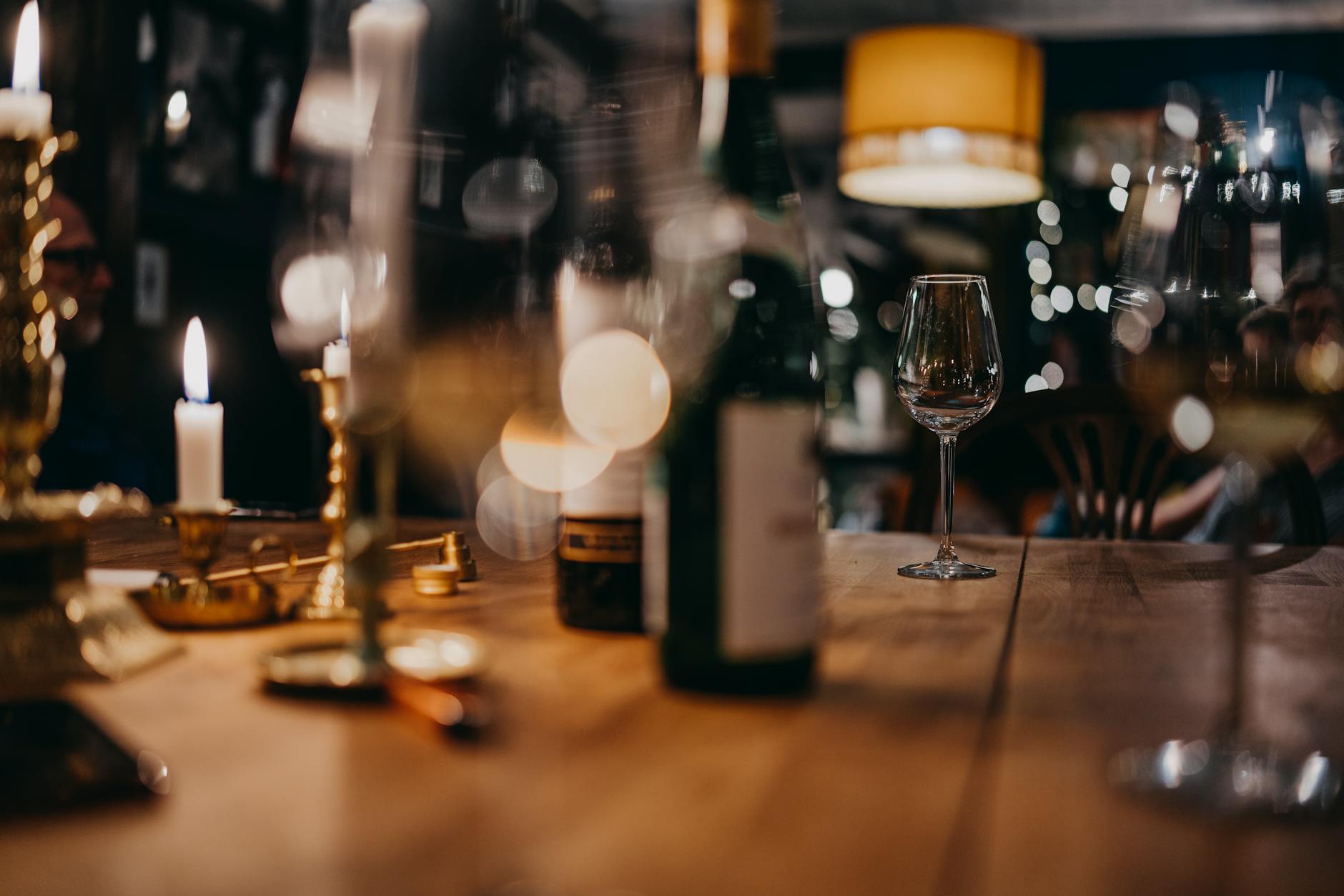
Named Bar of the Year in the Gault&Millau Luxembourg 2025 guide — and among the most genuinely exciting places to drink in the city. Bonne Nouvelle specialises in natural, organic, and low-intervention wines: unfiltered, unfined, made by producers who care about the soil as much as the bottle. The list changes with the seasons and the mood of the cave; the staff know every producer personally and will guide you without any of the formality you might expect from a place with this level of recognition. Guest resident chefs rotate through the kitchen. Come for a glass, stay for the conversation.
⏱ Check website for current hours · 📍 16a Avenue Emile Reuter, Luxembourg City · 🍷 Natural, organic, low-intervention wines
Visit Bonne Nouvelle → Reviews on TripAdvisor →
Flûte Alors!
Grand Rue, Luxembourg City
Awarded Sommeliers of the Year in the Gault&Millau Luxembourg 2025 guide, owners Olivier Chocq and Amaury Brunstein-Laplace have built the best champagne and fine sparkling wine bar in the Grand Duchy. The list spans the full breadth of Champagne — from accessible grower bottles to vintage prestige cuvées — alongside Crémant de Luxembourg, pét-nat, and carefully chosen still wines from France and beyond. The bistronomic food menu is a serious complement: charcuterie boards, elegant small plates, and dishes that give you a reason to stay for a second glass. Located on Grand Rue in the heart of the city.
⏱ Check website for current hours · 📍 Grand Rue, Luxembourg City · 🍾 Champagne, Crémant, grower producers
Visit Flûte Alors! → Reviews on TripAdvisor →Know Your Wine
Luxembourg wine is controlled by one of the strictest quality systems in Europe — the Marque Nationale. Every bottle carrying the official seal has passed a blind tasting by the national committee. Here is what to look for on the label.
Luxembourg wines are substantially better known in Belgium, Germany, and France than in the English-speaking world — which means visitors often discover genuinely excellent wines at prices well below equivalent quality from more famous regions.
Beer — Breweries & Local Brands
Luxembourg has two distinctive beer traditions: the artisan beers of Brasserie Simon in Wiltz — a fifth-generation family brewery since 1824 — and the classic Diekirch Pils, brewed in the Ardennes town since 1871 and still the country's best-known national beer.
Wiltz & Diekirch — Luxembourg Ardennes
Both of Luxembourg's significant brewing traditions are rooted in the Ardennes north of the capital — a region of forest, rivers, and small towns that has been making beer for two centuries. Wiltz, declared the self-styled "Beer Capital of the World," is home to Brasserie Simon; Diekirch sits 15km east with its own brewery museum tracing over 150 years of production history.
Styles to look for: Simon Pils · Simon Régal · Simon Triple · Diekirch Premium · Bofferding
Brasserie Simon
Wiltz, Luxembourg Ardennes
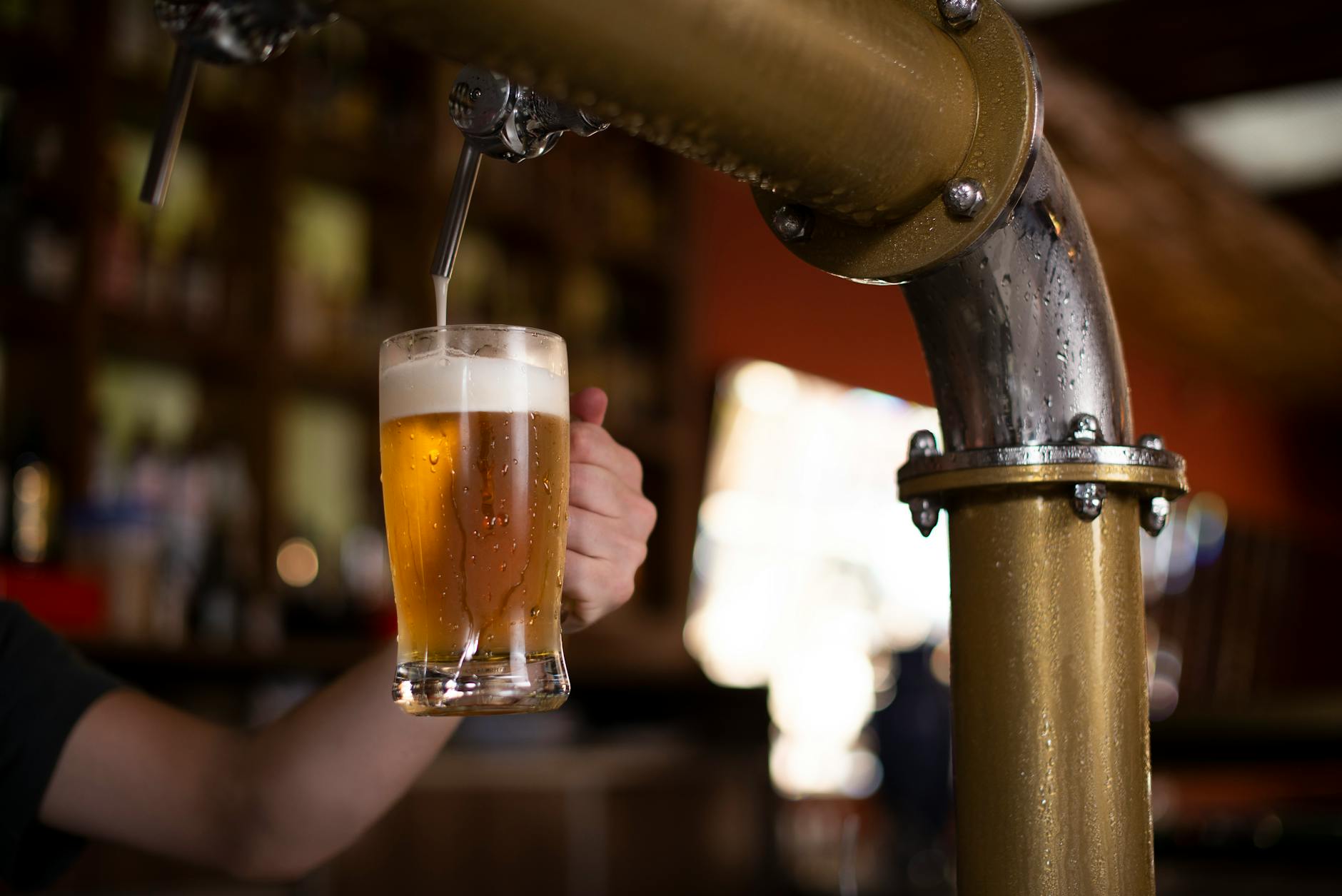
Luxembourg's most characterful brewery — independently family-owned since 1824, now in its fifth generation, and still brewing from natural ingredients in the Ardennes town of Wiltz. The range is broader than most visitors expect: the flagship Simon Pils is clean and refreshing; Simon Régal (amber) is malt-forward with a soft bitterness; Simon Triple (8.5%) is complex and warming. The craft series — IPA, Dinkel, Bio — shows genuine ambition. Brasserie Simon uses local spring water, natural hops, and traditional fermentation: no additives, no corners cut. Guided brewery tours available; the old copper brewing equipment is genuinely worth seeing.
⏱ Tours available · 📍 Rue Joseph Simon 14, Wiltz, Ardennes · 🍺 10 beers including Simon Pils, Régal, Triple, IPA
Visit Brasserie Simon →
Diekirch
Diekirch, Luxembourg Ardennes
Diekirch Premium is Luxembourg's most recognisable beer internationally — a clean, full-bodied lager brewed in the Ardennes town of Diekirch since 1871. The brand has an almost cult following across the Benelux countries. The Beer Museum of the Diekirch Brewery in the town traces the full history of brewing in Luxembourg through original equipment, advertising archives, and interactive exhibits — covering the period from 1871 through the founding of modern Brasserie de Luxembourg. Worth an hour if you're in the Diekirch area, particularly combined with a visit to the National Museum of Military History in the same town.
⏱ Beer Museum open Mon–Sat · 📍 Diekirch, Luxembourg Ardennes · 🍺 Diekirch Premium, Diekirch Pils
Visit Diekirch →Spirits — Drëpp & Eau-de-Vie
After a meal in Luxembourg, a small glass of Drëpp appears on the table. The word is Luxembourgish for the country's tradition of fruit eau-de-vie — clear, high-strength spirits distilled from local produce and served as a digestif. Not sweet, not flavoured. One of the quiet secrets of Luxembourg food culture.
Moselle Valley & Ardennes
Luxembourg's fruit spirits are produced in small family distilleries along the Moselle and in the Ardennes — almost entirely for local consumption and rarely exported. The most respected producer is Distillery André Weber in Wormeldange, making Mirabelle and other fruit eau-de-vie in the traditional style. Most Moselle restaurants keep a bottle behind the bar; ask what the house variety is rather than looking for a menu.
Key spirits: Mirabelle (plum eau-de-vie) · Quetsch (dark plum) · Hunnegdrëpp (honey) · Nëssdrëpp (walnut, Vianden)
Know Your Drëpp
Four spirits that define the Luxembourg digestif tradition — each tied to a specific season, landscape or village.
Coffee — Specialty Roasters & Café Culture
Luxembourg drinks more coffee per capita than almost anywhere else in Europe — an estimated 5.3 cups per person per day. Behind the statistics is a genuine café culture shaped by the country's international population, and an increasingly serious specialty coffee scene built around direct-trade beans, micro-roasters, and bars that take extraction as seriously as the best wine bars take their lists.
Luxembourg City & Vianden
Two of Luxembourg's most distinctive coffee destinations — one a minimalist specialty bar in the heart of the capital, the other a micro-roastery opened in 2023 in the shadow of Vianden Castle, 50km north. Between them, they represent what's most interesting about coffee in Luxembourg right now.

Do For Love
Hamilius, Luxembourg City
One of Luxembourg City's most focused specialty coffee bars — minimalist in design, serious about the cup. Do For Love sources direct-trade single-origin beans and approaches espresso with the precision that the city's international clientele has come to expect. The baristas know what they're doing, the equipment is calibrated daily, and the café attracts a loyal mix of local professionals and visiting coffee enthusiasts who know where to go. The Hamilius location in the city centre makes it an easy stop between the old town and Kirchberg. Also available online as a roastery shop.
⏱ Check website for current hours · 📍 Hamilius, Luxembourg City · ☕ Specialty espresso, filter, single-origin
Visit Do For Love →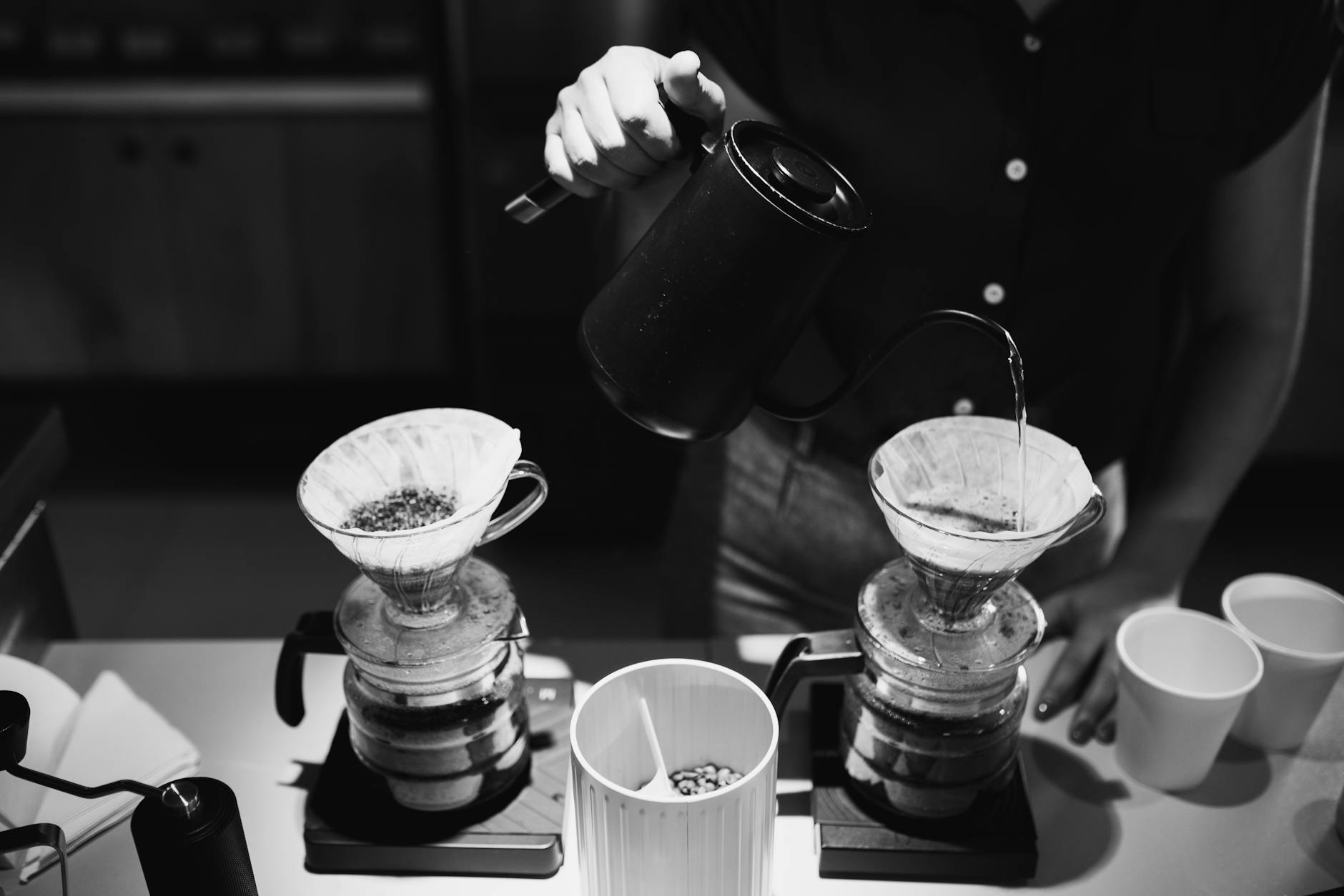
Collette Coffee Craft
Grand-Rue, Vianden
A micro-roastery and café opened in 2023 in Vianden — a medieval castle town in the northern Ardennes that is among the most scenically dramatic in the country. Founders Thomas Süß and Sandra Mignani source beans directly from producers, roast in-house, and serve at a bar that doubles as a roastery. The setting — 70 Grand-Rue, steps from the castle chairlift — makes it an ideal stop on a day trip north. Workshops and cupping sessions available; the online shop ships across Luxembourg and beyond. One of the most characterful coffee addresses in the country.
⏱ Check website for hours · 📍 70 Grand-Rue, Vianden · ☕ In-house roasted, filter, espresso, workshops
Visit Collette Coffee Craft →💡 Good to Know
- 🍾 Crémant de Luxembourg is made by the same method as Champagne — bottle-fermented, aged on lees — but costs a fraction of the price. Buy it directly from the cellars along the Moselle for the best selection and value.
- 🗓️ Wine Taste Enjoy weekend (Pentecost, late May or June) opens cellars across the entire Luxembourg Moselle to visitors — wine tastings, live music, food stalls, and producer meet-and-greets along a 40km route. One of northern Europe's most relaxed wine weekends.
- 🚌 The Moselle wine villages are easily reached from Luxembourg City by bus or car — Remich is 25km south, Grevenmacher 25km north-east. Luxembourg's free public transport reaches both. Most cellars are open April–October.
- 🏅 Look for the Marque Nationale seal — the purple capsule on the bottle neck is your guarantee that the wine passed Luxembourg's national blind tasting committee. It is one of the most reliable quality signals in northern European wine.
- 🥃 After dinner in a Moselle village, ask if the restaurant has house Drëpp — many keep a bottle of local Mirabelle or Nëssdrëpp behind the bar that never appears on the menu. It is always offered small and cold.
- ☕ Luxembourg drinks more coffee per capita than almost anywhere else in Europe. The specialty coffee scene in Luxembourg City is genuine — Do For Love and Collette Coffee Craft are the addresses serious coffee drinkers should know.
- 🍺 Diekirch and Bofferding are the dominant national beer brands found in every bar and supermarket. For something more interesting, seek out Brasserie Simon from Wiltz — available in specialist beer shops and some city restaurants.
- 🥂 A glass of Crémant de Luxembourg before dinner is the local aperitif of choice — fresh, lightly toasty, and perfectly suited to the region's cuisine of smoked fish, local charcuterie, and freshwater crayfish from the Moselle.