
Countryside Zimbabwe
Your complete guide to wilderness camps, Eastern Highlands lodges, and Zimbabwe's wild interior
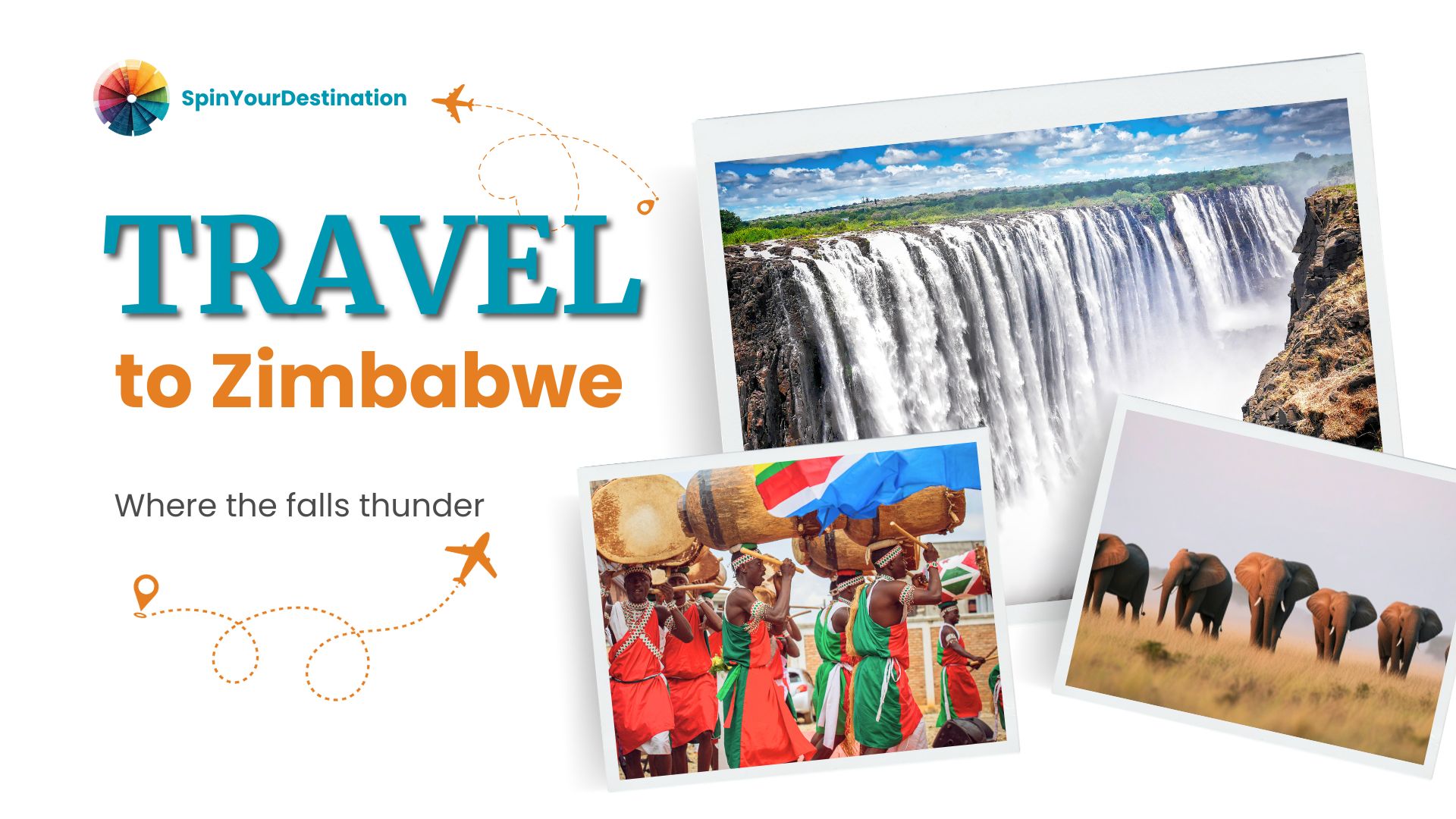
The road ends. There is no phone signal. A herd of elephants is crossing fifty metres ahead, moving in single file through the mopane woodland as if you don't exist. The only sound is dry grass moving in the wind and the low rumble of their feet. This is Zimbabwe's countryside — not a postcard, not a theme park. A continent-sized silence that most travellers never reach.
Zimbabwe divides into sharply different landscapes. The western half is Kalahari sandveld, mopane and acacia bush, waterholes drawing wildlife from all directions in the dry season. The eastern third rises into the Highlands — cool, green, mist-touched mountains along the Mozambique border, with waterfalls, trout streams, tea estates and temperatures that require a fleece at night. Between them, the Zambezi Valley carves a dramatic furrow along the northern edge, home to Lake Kariba and the remote floodplains of Mana Pools.
Best seasons: May–October for Hwange and Kariba wildlife (dry season concentrates animals at waterholes). November–April for the Eastern Highlands — waterfalls in full flood, landscapes deeply green, air clean after rain.
The Eastern Highlands — cool forests and mountain farms
The Eastern Highlands is Zimbabwe's best-kept secret. A chain of mountain ranges running from Nyanga in the north to Chimanimani in the south, all above 1,500 metres, all cool, all dramatically green compared to the plateau below.
Nyanga District has streams cold enough to hold trout. Horse riding through highland grasslands, tea estates operating since the 1920s, and Mount Nyangani — at 2,592 metres, Zimbabwe's highest peak — accessible via a 1–3 hour walk from the national park car park.
Chimanimani is harder to reach and deeply rewarding for it. The national park is accessible only on foot from Mutekeswane Base Camp. Quartzite peaks, hidden caves, cold swimming pools in the Bundi River. Fewer foreign visitors pass through here than almost anywhere in Africa.
The Vumba Botanical Gardens sit above Mutare at 1,700 metres — a fragment of cloud forest, completely unlike anywhere else in Zimbabwe. Orchids, tree ferns, extraordinary bird life, and almost no other tourists.
Accommodation in the Highlands ranges from working farm stays with home-cooked meals to off-grid forest lodges. The air smells of pine and red earth. The evenings are cold. This is a very different Zimbabwe from the one on the safari brochures.
Lake Kariba and the Zambezi Valley
Lake Kariba is one of the world's largest man-made lakes — 280 km long, created when the Zambezi was dammed in 1958. The flooding displaced 57,000 Tonga people and drowned an entire valley. The drowned trees still stand along the shore, bleached white, used as perches by fish eagles and cormorants.
Matusadona National Park sits on the lake's southern shore — lions that have learned to swim between islands, vast elephant herds, crocodiles and hippos in every bay. Houseboat safaris on Kariba are uniquely Zimbabwean: sleep on the water, game drive by day, fish off the back deck at dawn.
Mana Pools lies east of Kariba, on the Zambezi River itself — a UNESCO World Heritage floodplain where you can walk unguided among elephants, where wild dogs den in the dry season and painted storks mass along the riverbank. The pools are former river channels, now permanent water sources that draw game from hundreds of kilometres.
Canoe safaris through Mana Pools are a defining Zimbabwe experience: silent craft at water level, hippos surfacing alongside, elephants swimming across the main channel. Two-night to seven-night routes available with specialist operators June–October.
Access is challenging — bad roads in the wet season, charter flights the main option for Mana Pools. Allow three days minimum for any Kariba visit to make the long journey worthwhile.
Hwange's deep interior — beyond the main camps
Hwange National Park has three main camps and dozens of private lodges. The main camps are accessible and rewarding. But the deeper Hwange — the remote northwest, the private concessions on the park boundary — is where Zimbabwe feels truly limitless.
Solar-powered waterholes in remote Hwange attract elephants in their thousands in the dry season. October is peak: the bush stripped bare, dust rising from herds of 300 or more at a single pan. Lions follow the elephants and buffalo. Painted dogs — among Africa's most endangered large predators — hunt the open terrain.
Remote bush camps in northwest Hwange operate with 6–8 guests maximum. No other vehicles. Guided walks through terrain unchanged for millennia. Dawn tea beside a waterhole. Evenings without light pollution that make the Milky Way appear as a solid band overhead.
Self-drive in Hwange is possible May–October in a standard vehicle on main roads only. A 4WD is required during the rains. Tell the camp when you're leaving and your expected arrival time — emergency assistance can be hours away.
Distance from Victoria Falls: 2–4 hours by road, 45 minutes by charter aircraft. Most remote lodges include return charter flights in their rates.
Off-grid and slow — Zimbabwe's wilderness philosophy
Zimbabwe's rural camps deliberately offer no wifi, limited electricity and a daily rhythm built around game drives, walks and meals around a fire. This isn't a budget limitation — it's the philosophy. Disconnection is the point.
Singita's Malilangwe concession in the remote southeast — 115,000 acres of private wildlife reserve — has no other lodges, no shared game-viewing corridors. What you see, only your group sees. Rhino tracking on foot, bush walks through baobab country, rock art sites visited 2,000 years ago.
Zimbabwe's countryside tourism is deliberately small-scale compared to Kenya or Tanzania. Camp sizes of 8–16 guests are standard. Guides who have worked the same patch of bush for 20 years. Animals that have never been harassed by competing safari vehicles.
The tradeoff is cost and logistics. Remote Zimbabwe is not cheap — the remoteness requires charter flights, specialised guides and high-quality infrastructure. But the return is a version of Africa that has been largely lost elsewhere on the continent.
Currency note: Zimbabwe operates almost entirely in USD cash. ATMs are unreliable outside Harare and Bulawayo. Bring sufficient cash for tips and local purchases before leaving the capital or Victoria Falls.
🌟 Top Countryside Experiences
🌿 Nyanza Estates — Eastern Highlands
Working estate in the cool highlands: orchards, honey, small-batch preserves, and country stays surrounded by the landscape that produces everything on your table. Genuine farm immersion, very limited guests. Eastern Highlands at its quietest. More info →
🌳 The Treehouse — Chimanimani
Off-grid forest lodge above the Haroni River Valley with immediate access to Chimanimani National Park. Four wooden cabins, hiking and cycling straight from the door. One of Zimbabwe's most remote and beautiful locations. No cars inside the park. More info →
🐊 Changa Safari Camp — Lake Kariba
Eight luxury tents on the Kariba shoreline within Matusadona National Park. Elephants in camp regularly. Lions on game drives. Boat trips to Sanyati Gorge for close encounters with crocodiles and hippo. Sundowners from the private beach. More info →
🦏 Singita Pamushana — Malilangwe Reserve
Eight suites on a sandstone ridge in the remote southeast, overlooking 115,000 acres of private wilderness. Black and white rhino on foot. Rock art excursions. Zero other lodges in the reserve. Twice-daily game drives on terrain visited by no one else. More info →
🐘 Daka Plains — Remote Hwange
Two intimate camps in northwest Hwange, far from any other vehicles. Elevated views to the Makgadikgadi. Lions at the waterhole, roan antelope, sable. Bush walks with expert guides on terrain few visitors ever reach. No other camps in sight. More info →
💧 Mtarazi Falls — Nyanga Escarpment
Zimbabwe's highest waterfall — 762 metres over the edge of the Eastern Highlands into the Honde Valley. Sky walk and zip line over the gorge. Best flow February–April. 19 km of rough road from the main Nyanga route, worth every bump. More info →
💡 Insider Tips
- 🌡️ Eastern Highlands evenings are cold year-round — the altitude makes the difference. Bring a warm layer even in October. Chimanimani nights can drop to 5°C in June–July.
- 📶 Assume zero cell signal once you leave the main roads in Hwange, Mana Pools and Matusadona. Download offline maps before leaving, share your route with someone, and carry the camp's radio frequency.
- 🚗 Self-drive Hwange: a sedan is fine on main park roads May–October. After the first rains (November), deep sand and mud require 4WD and experience. Book a guided camp for your first Hwange visit.
- 💵 Zimbabwe runs on USD cash outside Harare and Victoria Falls. Remote camps include meals and activities but expect to tip guides and staff. Bring $100 to $200 in small bills for a week-long bush trip.
- 🦟 Malaria prophylaxis: required for Kariba, Mana Pools and Victoria Falls. Eastern Highlands is lower risk but not zero — consult your doctor before travel.