
🌟 What to Do & Local Tips
Explore experiences and tips to get the most from your trip in Panama
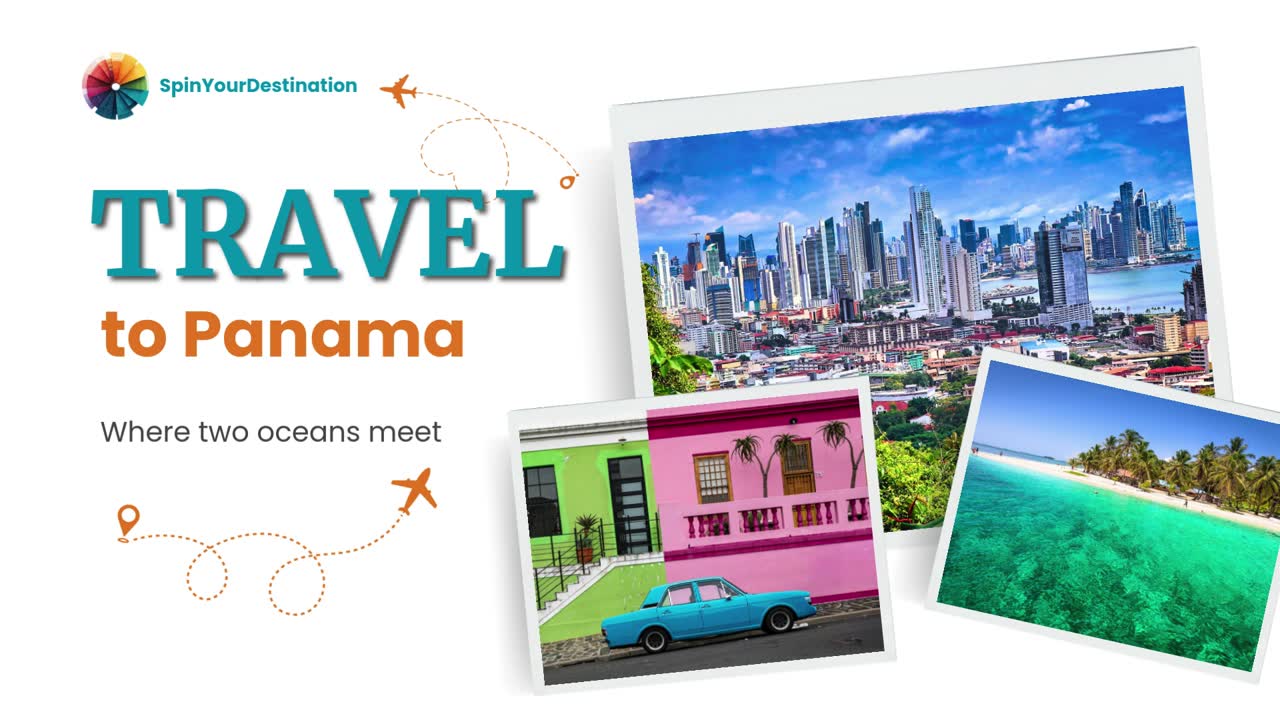
Panama delivers the Panama Canal, Casco Viejo's colonial streets, Caribbean archipelagos, cloud forest hikes, and Geisha coffee. Two coastlines. The Americas' greatest engineering feat. One of the world's most biodiverse regions.
Activities span the full spectrum: watching 300-metre cargo ships transit Miraflores Locks. Snorkelling rainbow reefs in Bocas del Toro. Summiting Volcán Barú to see both oceans. Eating ceviche at a harbour restaurant while pelicans dive outside.
Panama is best in the dry season (December–April) for outdoor activities and beaches. The rainy season (May–November) brings lush jungle, cheaper prices, and the Caribbean coast actually improves. Wildlife watching peaks in the wet months.
📍 Book Activities & Experiences
Panama Canal Locks Tour
Watch massive cargo ships and cruise ships transit Miraflores Locks from the visitor centre’s observation decks. IMAX film narrated by Morgan Freeman included. Opens daily 8am–6pm. Admission $17.22 for non-residents. Agua Clara Visitor Center on the Atlantic side shows the newer Neopanamax locks—equally impressive and less visited.
More info →Bocas del Toro Snorkel Tour
Day boat tours around the Bocas del Toro archipelago covering Starfish Beach, the coral gardens of Isla Bastimentos, and the mangrove channels. Sea turtles, nurse sharks, and spotted eagle rays common. Tours run daily from Bocas Town dock—around $25–35. Parque Nacional Marino Isla Bastimentos is the marine highlight.
More info →Volcán Barú Summit Hike
Panama’s highest peak at 3,474m. The only place in the world where you can see both the Atlantic and Pacific oceans from one point on a clear day. 8–10 hour round-trip from Boquete. Start at 1am to reach the summit for sunrise. Guides recommended—around $25–40. The path is steep and cold at altitude.
More info →Coiba National Park Dive or Snorkel
UNESCO World Heritage Site off the Pacific coast of Veraguas. One of the largest marine parks in the Americas—whale sharks, hammerheads, manta rays, humpback whales (July–October). Day trips from Santa Catalina village by boat. Diving tours around $150–200, snorkel tours from $80. Visibility frequently exceeds 20 metres.
More info →⭐ Top Experiences in Panama
⭐ Miraflores Locks visit
watch ships transit the canal from 8am. IMAX film included. $17.22 non-residents. Book online to avoid queues. Most accessible canal viewing point from Panama City.
More info →⭐ Casco Viejo walking tour
UNESCO colonial quarter. Golden Altar, Plaza de Francia, Panama Viejo ruins ($15). Best explored on foot. Free walking, paid museums $5–15. Magical at night.
More info →⭐ Panama Canal Railway
historic train ride parallel to the canal, Colon to Panama City. 90 minutes through rainforest alongside the waterway. One of Central America’s great short rail journeys.
More info →⭐ Boquete coffee farm tour
visit farms growing Geisha coffee, one of the world’s most prized varieties. Guided tours with cupping sessions. Around $20–40. Elida Estate and Kotowa Estate both excellent.
More info →⭐ Bocas del Toro island hopping
boat tours between Starfish Beach, Red Frog Beach, Isla Bastimentos reef. Around $25–35/day from Bocas Town. Sea turtles, red poison dart frogs, snorkelling included.
More info →⭐ BioMuseo Panama City
Frank Gehry-designed museum celebrating Panama’s biodiversity and the formation of the isthmus. $22 adults. Half-day visit. On the Amador Causeway with canal and Pacific views.
More info →⭐ Gamboa rainforest tour
30 minutes from Panama City. Boat tours on Gatun Lake through jungle. Howler monkeys, caimans, sloths, 300+ bird species. Around $60–100 for half-day tours from Panama City.
More info →⭐ Quetzal Trail hike
Boquete through Parque La Amistad cloud forest. Resplendent quetzals nesting January–May. Full-day 8km trail. Guides $25–40. One of Central America’s best highland hikes.
More info →⭐ Surf at Playa Venao
Panama’s best surf beach on the Azuero Peninsula. Consistent right-hand point break. Surf schools from $40. 4-hour drive from Panama City. Dry season (Dec–Apr) best conditions.
More info →⭐ Sea turtle nesting tours
Leatherback turtles nest at Playa Bluff (Bocas del Toro) April–September. Guided night walks arranged locally. Moving, responsible wildlife experience. Also Isla Cañas (Azuero) for olive ridleys.
More info⭐ Portobelo colonial forts
UNESCO-listed Caribbean fort ruins, 2 hours from Panama City. Congo culture, Black Christ festival (October). Snorkelling off the fort walls. Authentic, relatively uncrowded.
More info →⭐ Birdwatching Pipeline Road
Soberanía National Park, 30 min from Panama City. Over 500 species recorded. One of the world’s great birdwatching sites. Guided tours from $50. Harpy eagles, toucans, mot-mots.
More info →⭐ Whitewater rafting Chiriqui
Río Chiriqui and Río Chiriqui Viejo offer Class II–IV rapids through jungle gorges. Half-day from Boquete around $70–90. Best in wet season when rivers run high (May–Nov).
More info →⭐ Mola shopping San Blas
visit the indigenous Guna Yala (San Blas) islands and buy hand-stitched mola fabric artwork directly from Guna artisans. Day trips from Panama City by plane or boat. Unique, fair-trade craft.
More info →⭐ Casco Viejo rooftop dining
UNESCO neighbourhood rooftop restaurants and bars with Panama City skyline views. Tantalo, Casa Sucre, Donde José. Best at sunset when the Pacific turns golden behind the skyscrapers.
More info⭐ Coiba diving
UNESCO marine park with whale sharks, hammerheads, mantas. Day trips from Santa Catalina. Diving from $150. One of the Pacific’s best dive sites. Humpback whales July–October.
More info →⭐ Panama Viejo ruins
founded 1519, first European city on the Pacific coast of the Americas. Climbable tower with bay views. $15 entry. Contrast with Casco Viejo’s living colonial streets just 5km away.
More info →⭐ Carnival in Las Tablas
four days before Lent (February/March). Panama’s best carnival—two rival streets (Calle Arriba vs Calle Abajo) compete with floats, music, costumes, water battles. Intense, joyful, unmissable.
More info →⭐ Amador Causeway sunset
3km walkway connecting three Pacific islands with views of Panama City skyline, canal entrance, and Bridge of the Americas at sunset. Free. Restaurants, BioMuseo at the far end.
More info →⭐ Kayak Gatun Lake
paddle through the man-made lake created to fill the canal, past jungle islands inhabited by monkeys, sloths, and toucans. Tours from Gamboa or Summit area. Half-day from $45.
More info →📋 Booking Tips
- Book canal visits online: Miraflores sells out on weekends—pre-book on visitcanaldepanama.com
- Bocas tours depend on weather: Rain is common even in dry season—check cancellation policies
- Boquete guides fill up in season: Book Quetzal Trail guides at least a week ahead January–April
- Coiba needs early planning: Santa Catalina boats are weather-dependent—build flexibility into your schedule
- Read recent reviews: Some Bocas boat tours vary significantly in quality—check TripAdvisor dates
💡 Local Tips
Everything you need to know before you go
💡 Essential Info
USD / $
US Dollar (and Panamanian Balboa, 1:1 parity)
No currency exchange needed if arriving with USD. Cards widely accepted in Panama City and major towns. Cash essential in Bocas del Toro, rural areas, and local markets.
Spanish
English is widely spoken in tourist areas, hotels, and the canal zone. In Bocas del Toro, English Creole is common among Afro-Caribbean communities. Indigenous languages in Guna Yala and other territories.
+507
Emergency: 911 (police, fire, ambulance)
4G coverage good in Panama City and tourist areas. Bocas del Toro and remote highlands have patchy coverage. Tourist SIM cards available at Tocumen Airport (Claro, Cable & Wireless). Around $15–25 for 10GB.
No mandatory vaccines. Hepatitis A and typhoid recommended. Malaria prophylaxis advised for Darien Province and remote areas. Tap water safe in Panama City—check locally outside capital. Zika present—use mosquito repellent.
🤝 Cultural Tips
💵 Tipping
10% service is standard in restaurants (sometimes included automatically—check the bill). Tip taxi drivers $1–2 for good service. Tour guides: $5–20 depending on length and quality. Hotels: $1–2/day for housekeeping.
👋 Greetings
Formal: Handshake. Women often greet with a cheek kiss.
Informal: "Buenas" covers good morning/afternoon/evening and is used constantly. Panamanians are warm and welcoming—small talk before business is important. Address people as "Señor" or "Señora" until first names are offered.
🍽️ Dining
Etiquette: Wait to be seated. Meals are social—no rushing. "Buen provecho" said to fellow diners, even strangers.
Local dishes: Sancocho (chicken soup), ceviche, ropa vieja, arroz con pollo. Hojaldras (fried dough) for breakfast. UNESCO Creative City of Gastronomy—Panama City’s food scene is excellent and varied.
⌛ Punctuality
Importance: "Hora panameña" (Panama time) is relaxed—social events often start 30–60 minutes after the stated time. Business meetings are more punctual. Tour departures are usually on time—be at the dock or meeting point as agreed.
👗 Dress Code
General: Casual and lightweight for the heat. Business dress for financial district. Conservative attire when visiting indigenous communities—cover shoulders and knees. Swimwear only at the beach—cover up in towns and restaurants. Panama hat (actually from Ecuador) is a welcome souvenir.
🚨 Safety & Health
- Panama City is generally safe in tourist areas. Avoid Chorillo and El Chorrillo neighbourhoods after dark
- Casco Viejo has private security—safe at night but use taxis to leave the neighbourhood
- Bocas del Toro: water taxis are generally safe, but wear a life jacket and avoid night crossings in rough weather
- Purchase travel insurance covering water sports, hiking, and medical evacuation
- Use DEET mosquito repellent in jungle and rural areas—dengue and Zika present
- Emergency: 911. Tourist police present in Casco Viejo and major areas
💰 Money-Saving Secrets
- Take the Metro from Tocumen Airport ($0.85 vs $30 taxi)—biggest single saving of any trip
- Eat at fondas (small local restaurants)—full lunch (comida corriente) around $3–5
- Bocas del Toro: negotiate boat tours the day before, not morning of—better prices
- Buy Geisha coffee at the source in Boquete—fraction of the price you’d pay in a specialty shop abroad
- Visit Miraflores Locks on weekdays—slightly less crowded and easier to book online
- Panama City supermarkets for snacks and water—tourist area mark-ups can be 3x normal
📅 Best Time to Visit
Dry Season
December–April ~ 28–32°C Panama City, 18–24°C Boquete, sunny days, lower humidity
✅ Pros: Best weather, all outdoor activities open, clearest snorkel visibility, Pacific beaches at their finest, Bocas del Toro calm seas, carnival season (February)
❌ Cons: Peak prices, accommodation books out (especially Bocas and Boquete), canal viewings busiest, book everything further ahead
Wet Season
May–November ~ 28–32°C, afternoon rains, very green, rivers high
✅ Pros: 30–45% cheaper prices, jungle at its lushest, wildlife at peak (humpback whales July–Oct, sea turtles), rivers best for rafting, far fewer tourists
❌ Cons: Pacific beaches can be rough, daily rainfall, some jungle trails muddy, Coiba diving less reliable in rougher Pacific swells
Caribbean vs Pacific
Caribbean (Bocas) has OPPOSITE seasons to Pacific—driest July–September and February–March
✅ Pros: Bocas del Toro has two mini dry seasons. Combine Pacific dry (Dec–Apr) with Caribbean visits for best of both coasts
❌ Cons: Caribbean "dry season" is relative—rain can still occur. October–November is consistently wet on both coasts.
Shoulder Months
November and late April ~ transitional weather, manageable conditions
✅ Pros: Best value of all—30–45% cheaper than peak. Good availability. Weather improving in late April. November often sunny before heavy wet season sets in fully.
❌ Cons: Some variability—you might get a perfect week or a wet one. Have backup indoor plans.