
Malta Drink Guide
From centuries-old cellars beneath Valletta's Grand Harbour and limestone estate wineries below the walls of Mdina to Gozo's craft brewery and the bar on the bastions where the sun sets over the Maltese plain — an archipelago that drinks with unhurried pleasure.
The sun drops behind the bastions of Mdina and the limestone walls turn amber for about twenty minutes. Nobody at the tables outside Fontanella has moved. The wine arrived — a glass of cool Girgentina from an estate a few kilometres east — and the view across the Maltese plain made everyone forget what they were supposed to be doing next. That is the rhythm of drinking in Malta.
The islands have been making wine since the Phoenicians landed here around 700 BC — and though the wine trade collapsed under Arab rule in the 9th century, the Knights of St John revived it with a vengeance after 1530, planting vines across their new territories and building the stone cellars in Marsa and Paola where Marsovin and Delicata still age their reds today. Modern Maltese wine is something else entirely: estate whites made from the native Girgentina grape — aromatic, mineral, slightly saline from sea-winds — and structured Gellewza reds that the best producers are only beginning to show what they are capable of.
Away from the wine, there is Cisk — Malta's amber lager, brewed since 1929 in a building so magnificent it is now also a visitor attraction — and Lord Chambray on Gozo, an Italian-founded craft brewery that arrived on the island in 2014 and changed what Maltese beer could be. And there is, of course, the bajtra: prickly pear liqueur, pink and floral and sweet, made from cacti that grow wild across every Maltese hillside. Here are the addresses worth visiting.
This guide contains information about alcoholic beverages and is intended for adults of legal drinking age in their country.
Maltese Wine — The Wineries
Malta has three producers that between them define what Maltese wine has become — a winery with 400-year-old cellars and five private estates across the archipelago, a 19-hectare estate below Mdina's walls that put Maltese wine on the international map, and a fourth-generation family business that has won more international awards than any other winery in the islands. Each one offers visits.
Malta's Three Great Wineries
The best way to understand Maltese wine is to visit where it is made. All three wineries below offer guided tastings — bookings required in each case — and each one occupies a building that is interesting in its own right: a 17th-century Order of St John cellar, a working estate at the foot of Mdina's fortifications, and a waterfront tasting vault on the edge of Valletta's Grand Harbour.
Native grapes: Girgentina (white, aromatic, saline) · Gellewza (red, fresh, cherry-forward) · International varieties: Chardonnay · Merlot · Syrah

Marsovin Winery
Marsa, Malta
Malta's largest and most celebrated winery — founded in 1919 by Chevalier Anthony Cassar, now in its fourth generation under Jeremy Cassar. The winery cellars in Marsa occupy a building from the Order of St John, housing over 220 French oak barrels used for premium red wine ageing. Guided tasting sessions run on Tuesdays and Thursdays at 11:30 — 75 to 90 minutes covering the history of the winery, a walk through the ageing cellars, and a tasting of Marsovin's premium single-estate wines with local savouries. Five private estates across Malta and Gozo, comprising 199 tumuli of land dedicated entirely to premium wine production. Booking essential.
⏱ Tue & Thu 11:30 · 💰 $13/person · 📍 Wills Street, Marsa · Book: +356 7923 1919 or cellars@marsovinwinery.com
Visit Marsovin →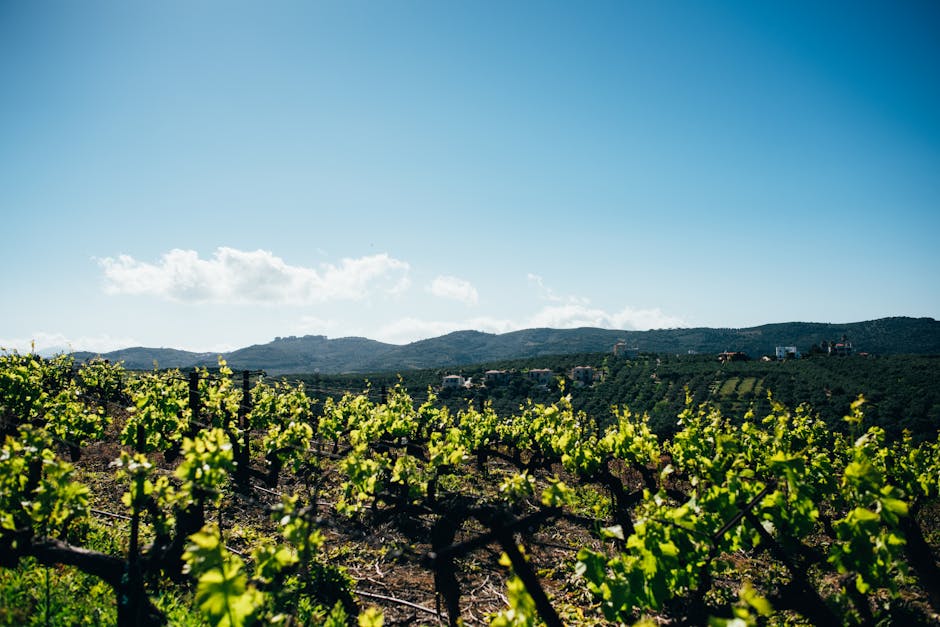
Wine Tasting at Razzett l–Antik, Qormi
Qormi, Malta
A half-day guided tour combining the fortified Three Cities with a wine tasting session at Razzett l–Antik — a farmhouse complex in the medieval baker's village of Qormi, whose main building dates to 1743 and was once a grain-milling factory. The wine tasting runs with sommelier guidance through a selection of Maltese red, white, and rosé wines alongside a substantial spread of Maltese bread, cheeses, and antipasti. Recent visitors (540 reviews) particularly praise the food pairing and the informality of the tasting. Hotel pickup across Malta is included; the tour runs in English, German, Italian, and French. A good choice for a first Maltese wine experience before visiting the three big wineries independently — it gives a solid overview of what Maltese producers are making without requiring separate bookings at each cellar.
⏱ 4 hours · 📋 Free cancellation 24h · 💰 From $54 · 📍 Hotel pickup across Malta · Languages: EN, DE, IT, FR
Book a tour →
Delicata Winery
Paola, Malta
Malta's most awarded winery — over 100 international awards accumulated by a fourth-generation family business founded in 1907. Delicata's modern winery sits on the waterfront of Valletta's Grand Harbour, combining 17th-century cellars with state-of-the-art fermentation facilities. Seated tutored tasting sessions run in the winery's historic tasting vault: 60 to 90 minutes, five boutique wines from the D.O.K. Malta, D.O.K. Gozo, and I.G.T. Maltese Islands appellations, accompanied by fresh Maltese bread and extra virgin olive oil. Limited to 18 people per session, with hands-on guidance from the winemakers. Delicata also hosts an annual Classic Wine Festival in Valletta (August) and Gozo (September). Booking essential.
⏱ Check website for session dates · 💰 $33/person · 📍 Grand Harbour waterfront, Paola · Booking required via ticketing system
Visit Delicata →Wine Bars, Bastions & Old Pubs
Malta's bar culture is built on limestone — quite literally. The best places to drink are carved into the walls of the island itself: underground cellars beneath Valletta's Strait Street, stone terraces on the bastions of Mdina, and a bar in Sliema that has been selling drinks from the same spot since 1922. These are the addresses to visit once the wineries close.
Trabuxu Wine Bar
Strait Street, Valletta
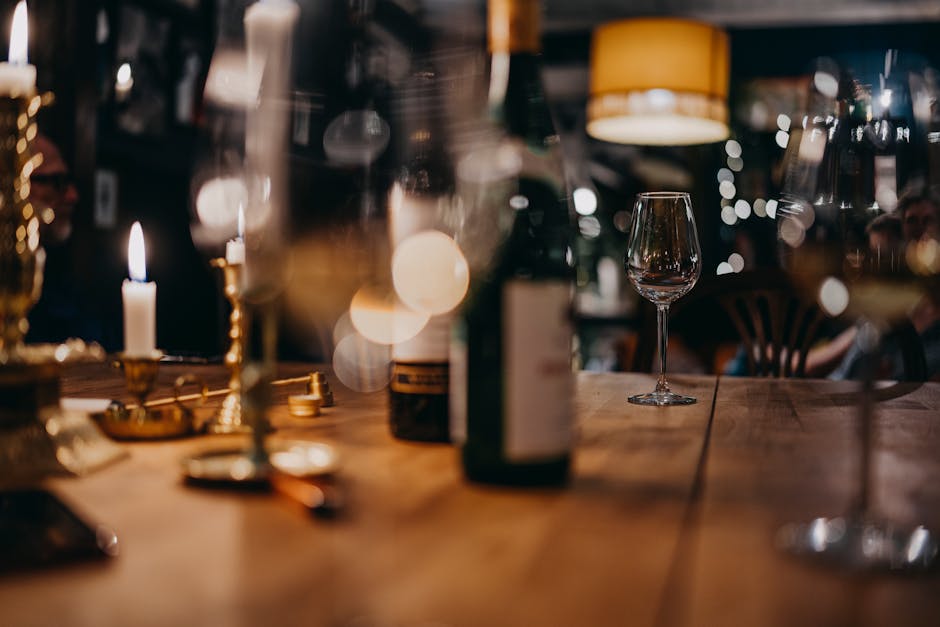
The finest wine bar in Valletta — set in a 400-year-old stone cellar on Strait Street, the narrow lane that runs the entire length of the old city and was once Valletta's most infamous red-light district. Trabuxu has been welcoming guests for over 20 years, serving a focused list of Maltese and international wines alongside Fermier cheeses hand-selected from trusted suppliers, in-house parfait, terrine, and charcuterie. It is a place for conversation: tables close, candles on stone walls, no background music. The wine list skews heavily towards local DOK Malta and DOK Gozo labels, making it the best single place in Valletta to taste the range of what Maltese producers are currently doing. Bookings recommended on Friday and Saturday evenings. No children under 12.
⏱ Evenings; Fri–Sat reservation recommended · 📍 Strait Street, Valletta · Private functions available
Visit Trabuxu →
Fontanella Wine Bar — VINUM
Mdina, Malta
A wine bar and bistro on the bastions of the Silent City — Mdina, the ancient fortified capital of Malta, population 250, open to visitors and closed to cars. Fontanella Wine Bar (trading as VINUM) has been here for twelve years, occupying a table-lined terrace cut into the medieval bastion wall. The view from the bastions across the Maltese plain to the sea is the longest sightline on the island. The wine list centres on Maltese producers — Meridiana's estate just below is visible from the terrace on clear days — alongside famous platters of cured meats and Fermier cheeses that arrive on wooden boards. Come at dusk: the limestone walls turn amber and then pink, and the view across the island changes every minute for about half an hour. One of the best places to drink in Malta.
⏱ Daily · 💰 Wine from $5.8, platters $16–$26 · 📍 Bastion Street, Mdina · Reservations: +356 2145 0208
Visit Fontanella VINUM →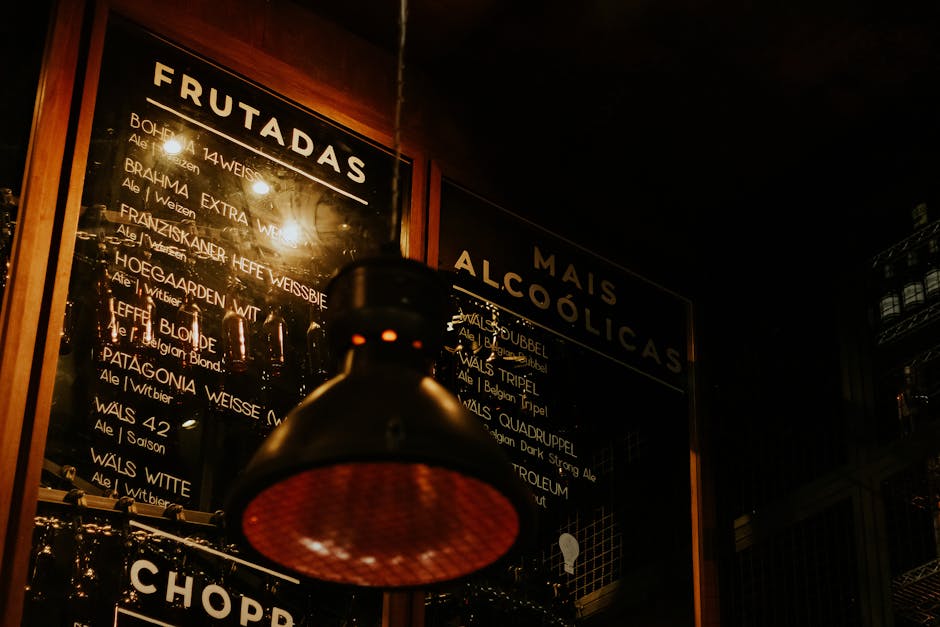
Hole in the Wall
High Street, Sliema
The oldest bar in Sliema — in operation since 1922, originally a literal hole in the limestone wall that sold take-away wine from large vats to British Airways pilots and cabin staff staying overnight between flights. Current owners the Schranz brothers took over in 2015 and revived it as Malta's most characterful independent bar: a no-advertising policy, a strict preference for small suppliers, bar staff selected from the arts community, and a programme of live musicians from around the world, alongside art exhibitions, film nights, and talks. The drinks list runs to craft beers, cocktails, and an honest selection of wine by the glass. The retro arcade machine —500 games — and the toasties are both excellent. Walk-in only; no reservations.
⏱ Mon & Fri 11:00–01:00, Tue–Sun 17:00–01:00 · 📍 31 High Street, Sliema · Walk-in only · Live music check Facebook/Instagram
Visit Hole in the Wall →Know Your Maltese Wine
Maltese wine is one of the Mediterranean's most underrated stories — a thousand years of dormancy followed by a 30-year renaissance producing wines with a character no other island can replicate. Here's how to understand the labels and order with confidence.
The Maltese climate — 300 days of sunshine per year, Mediterranean heat moderated by constant sea winds, and very low annual rainfall — produces grapes with high natural sugar and moderate acidity. The best Maltese winemakers compensate with early harvesting and temperature-controlled fermentation, achieving wines that are fresh and aromatic rather than heavy and overripe. The 2019 and 2022 vintages are widely considered the best of the modern era.
Craft Beer, Cisk & Gozitan Spirits
Malta has been brewing beer commercially since 1928 — when three entrepreneurial families merged to create Simonds Farsons Cisk, the company that produces Cisk Lager, Malta's national beer. Nearly a century later, a craft revolution arrived on Gozo: Lord Chambray opened in 2014 as the archipelago's first craft brewery, producing over twenty styles from a taproom above Xewkija. And on the other side of Gozo, Ta' Mena Estate makes wine, olive oil, and the island's most distinctive range of local liqueurs.

The Brewhouse — Farsons Experience
Mriehel, Malta
The story of Cisk — Malta's amber lager and the country's national beer — is told inside one of the most beautiful brewery buildings in the Mediterranean. The original 1950s Farsons Brewery in Mriehel, designed with an Art Deco limestone facade visible from across the harbour, closed production in 2010 and reopened in July 2021 as The Brewhouse: a regenerated landmark where the original machinery has been preserved alongside a visitor experience, food outlets, brand store, and event spaces. Guided tours cover the history of Farsons and its brands — Cisk Lager, Hopleaf Pale Ale, Blue Label — with tastings included. Visitors must be 18 or older. One of the best indoor attractions in Malta on a rainy day.
⏱ See website for tour times · 📍 Mriehel, Malta · Age 18+ required · Booking: farsonsexperience.com
Visit The Brewhouse →
Lord Chambray Brewery & Taproom
Xewkija, Gozo
Malta's first craft brewery — founded in 2014 by the D'Imperio family at the Gozitano Agricultural Village in Xewkija, on Gozo's southern plain. Lord Chambray produces over twenty different beer styles from a compact brewery surrounded by fields: English IPA, Blonde Ale, Witbier, Session IPA, Craft Lager, American Stout, plus special releases and collaboration brews throughout the year. The taproom in Xewkija serves 12 beers on tap alongside bottles and cans for takeaway, in an unhurried indoor-outdoor setting that suits Gozo's pace well. Brewery tours with tastings are available upon request. Getting here requires a ferry from Malta and a short drive from Mgarr harbour — build it into a day-trip to Gozo rather than a standalone visit.
⏱ Tue–Sat 14:00–18:00 · 📍 Gozitano Complex, Mgarr Road, Xewkija, Gozo · 12 beers on tap · Tours on request
Visit Lord Chambray →
Ta' Mena Estate
Xaghra, Gozo
A 25-hectare working estate in the hills above Xaghra — the village at the centre of Gozo — producing DOK Gozo wines, extra virgin olive oil from 1,500 olive trees, local liqueurs, and traditional preserved foods. Founded by the Spiteri family, Ta' Mena is one of the few places in the Maltese archipelago where the full range of traditional island produce — wine, oil, liqueur — can be tasted side by side on the estate where it was made. The wines carry the D.O.K. Gozo certification and show a distinctly different character from mainland Maltese wine: more mineral, more structured, with what Gozitan producers call the “island effect” — a trace of sea-salt on the palate from the constant winds. The estate shop is open six days a week. A visit combines naturally with the Ggantija megalithic temples a few minutes' walk away.
⏱ Mon–Sat 10:30–16:00, Sun 10:30–12:30 · 📍 Rabat Road, Xaghra, Gozo · Estate shop & tasting · +356 7956 4939
Visit Ta' Mena Estate →Coffee & the Pastizzeria
Malta's coffee culture runs deep — shaped by proximity to Sicily, a century of British rule, and the Maltese habit of doing everything slowly and in good company. The morning espresso at a marble-topped counter is as much a ritual here as anywhere in southern Italy; so is the pastizzi — a flaky diamond of ricotta or mashed pea pastry — which is eaten at all hours and at all social levels, including at three in the morning, at a Rabat pastizzeria that has never closed its doors since 1945.

Caffè Cordina
Republic Street, Valletta
The oldest and most celebrated cafè in Malta — open since 1837, when the Cordina family arrived from San Gimignano in Tuscany and brought Italian coffee culture to the centre of Valletta. The cafè moved to its current address at 244 Republic Street in 1944, acquiring Casino Maltese's former premises, and has been the defining address of Maltese coffee life ever since. Caffè Cordina was the first cafè in Malta to install an espresso machine — a classic Gaggia, in the early 1950s — and the tradition of serious espresso has been maintained through every generation. Sit at a marble table, order a double macchiato and a kannol tal-irkotta (ricotta cannolo, $4.7), and watch the morning foot traffic on the street that runs the entire length of the old city. The busiest hour is 8:00 to 9:00; after 10:00 it slows to the pace Malta is known for.
⏱ Mon–Sat 7:30–21:00, Sun 7:30–15:00 · 📍 244 Republic Street, Valletta · +356 2065 0400
Visit Caffè Cordina →
Is-Serkin — Crystal Palace
Triq San Pawl, Rabat
The most Maltese experience available at any hour of the day or night — a pastizzeria in Rabat that has not closed since 1945. Is-Serkin (known in English as Crystal Palace) operates from a simple counter on Triq San Pawl: pastizzi emerge hot from the oven, one after another, priced at around $0.6 each. The two fillings are ricotta (fresh sheep's cheese, white and slightly sharp) and mwaret (spiced mashed pea, darker, earthier, more savoury). Both come wrapped in blistered puff pastry that leaves grease on your fingers and a faint smell of butter in the air for twenty minutes. Add a kafe — Maltese tea with milk, or a short black espresso — and the total cost is under $2.3. The clientele covers every layer of Maltese society: farmers at dawn, office workers at lunch, university students at 2am. Nothing is pretentious, nothing is curated, everything is exactly right.
⏱ Open 24 hours, 7 days · 📍 84 Triq San Pawl, Rabat · +356 2145 3323 · Cash only
Reviews & info →
Coffee Circus
Multiple locations, Malta
The cafè group that has done more than any other to bring specialty coffee culture to Malta — a locally rooted movement built around ethically sourced single-origin beans, in-house roasting, and a genuine community of coffee people. Coffee Circus operates across several locations around the islands (including Rabat and Marsaskala) and runs a roastery where beans from the world's finest growing regions are processed and sold directly to visitors. Events — cupping sessions, brewing workshops, live music, and cultural gatherings — run regularly across the locations. The house espresso is made from a proprietary Arabica blend roasted on the premises; the filter coffee programme rotates with single-origin seasonal lots. For visitors who want Maltese coffee culture beyond the marble counter of a traditional bar, Coffee Circus is the address.
⏱ Hours vary by location · 📍 Multiple locations across Malta · Beans available online and in-store
Visit Coffee Circus →Planning Your Wine Trip
Two practical questions every Maltese wine trip runs into.
Compare rental cars in Malta →
Find hotels in Valletta → · Find hotels in Sliema → · Find hotels in Mellieħa →
💡 Good to Know
- ☕ Maltese coffee is served short and strong by default — ask for kafe Malti and you get an intense espresso; ask for kapuccin and you get a cappuccino. Tea in Malta means te bil-halib — hot tea with milk, usually served in a glass. Both are universal at pastizzerias
- 🍷 Malta's main wine festivals are Delicata Classic Wine Festival in Valletta (August) and Nadur, Gozo (September) — both free entry, outdoor, with dozens of wines poured direct from producers. The Gozo edition is smaller and more relaxed; arrive early for the best crowd
- 🍷 The native Girgentina white grape is best drunk within two years of harvest. If a bottle shows a vintage older than three years — especially at warm room temperature in a restaurant — ask for the younger one. It oxidises faster than most Mediterranean whites
- 🍻 Strait Street (Strada Stretta) in Valletta transforms completely after dark — the daytime tourists leave, local life returns, and the wine bars and jazz venues that have colonised the old red-light district come alive. Trabuxu is the best start; the street takes care of the rest
- 🍺 Cisk Lager is best drunk cold and fast — in the Malta heat it warms quickly in the glass. Order half-pints if drinking outside in summer. Hopleaf Pale Ale, also by Farsons, is the more flavourful choice and widely available across the islands
- 🍷 Most winery tours require advance booking and run on fixed days — Marsovin on Tuesdays and Thursdays, Meridiana by appointment. Plan at least two days ahead, especially in summer when tour slots fill quickly
- 🍴 The bajtra season runs August to October — visit a street market in Gozo during this period and you may find freshly made bajtra sold by the producers themselves rather than the bottled commercial version. The flavour difference is substantial
- 🎆 Gozo is worth a full day if you are serious about Maltese wine and beer: combine Lord Chambray's taproom in Xewkija (10 minutes from Mgarr harbour) with Ta' Mena Estate in Xaghra (20 minutes by car) — two addresses, one island, one long and unhurried afternoon