

France Drink Guide
From the grand châteaux of Bordeaux to Champagne's cathedral cellars, the natural wine bars of Paris and the spirit houses of Cognac — France is the world's wine culture in one country.
No country has shaped wine culture more profoundly than France. Bordeaux defined the grand estate. Burgundy mapped every slope, every soil type, every nuance of terroir. Champagne invented an entirely new way of celebrating. And that's before you reach Alsace, the Rhône, the Loire, or the rosé vineyards of Provence.
Then there's Cognac, Armagnac, Calvados — spirits aged with centuries of craft behind them. And woven through all of it, a café culture built for lingering. Here are the places worth visiting in person.
This guide contains information about alcoholic beverages and is intended for adults of legal drinking age in their country.
Wine — Vineyards & Cellars
Seven wine regions, hundreds of appellations, and a winemaking tradition that shaped the entire world. France doesn't just make great wine — it invented the language we use to talk about it.
Bordeaux
The most famous wine region on earth. The Médoc's Left Bank châteaux rise like temples on gravel terraces above the Gironde — Pauillac alone contains three of the five First Growths. Across the river, Saint-Émilion and Pomerol produce wines of an entirely different character: richer, fleshier, built on clay and limestone. This is where the concept of the grand wine estate was born — and where it still lives at its most spectacular.
Key grapes: Cabernet Sauvignon · Merlot · Cabernet Franc · Sauvignon Blanc · Sémillon

Château Mouton Rothschild
Pauillac, Médoc
One of five Bordeaux First Growths — and the most theatrical. The museum of wine labels, featuring commissioned art from Picasso, Warhol and Dalí, is extraordinary. Tours of the vineyards, chai and cellars are intimate and led by passionate guides. The most complete visitor experience in Bordeaux.
⏱ By appointment only · 📅 Book 2 months ahead · 📍 Pauillac, 50 min from Bordeaux
Visit Mouton Rothschild → Reviews and book →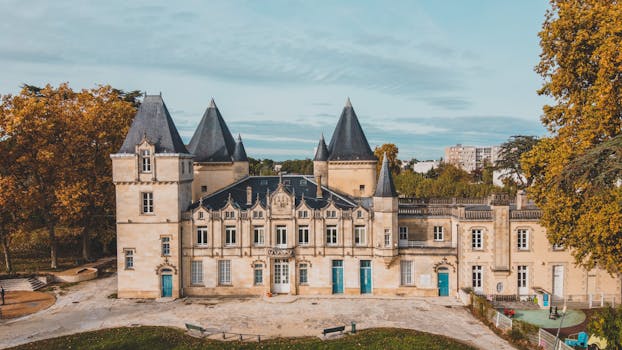
Château Pichon Baron
Pauillac, Médoc
A turreted Second Growth château that looks exactly as a Bordeaux estate should. The visitor experience is outstanding — a stunning modern tasting room with panoramic views over the vines and the Gironde estuary. One of the most welcoming châteaux in the Médoc, with a genuine passion for sharing their wines.
⏱ Tours & tastings by appointment · 💰 From €30/person · 📍 Opposite Latour, Pauillac
Visit Pichon Baron → Reviews and book →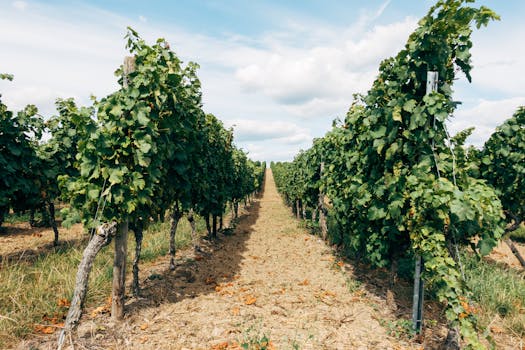
Château Cheval Blanc
Saint-Émilion, Right Bank
One of only four estates in Bordeaux classified Premier Grand Cru Classé A — alongside Pétrus, Mouton and Margaux. The striking modern architecture (designed by Christian de Portzamparc) is as memorable as the wine. Visits are intimate and by appointment — a genuinely rare experience.
⏱ By appointment only · 📍 Saint-Émilion village, UNESCO heritage site
Visit Cheval Blanc → Reviews and book →Burgundy (Bourgogne)
If Bordeaux invented the grand estate, Burgundy invented the obsessive study of place. Here, a single vineyard can have a dozen owners — each making radically different wines from the same soil. The Côte d'Or runs just 50km but packs in the world's most complex wine map: the greatest whites come from Meursault, Puligny and Chassagne; the greatest reds from Gevrey-Chambertin, Morey-Saint-Denis and the incomparable village of Vosne-Romanée. Beaune, at the heart of it all, is the best base for any serious wine visit.
Key grapes: Pinot Noir · Chardonnay · Aligoté
Patriarche Père & Fils
Beaune, Côte de Beaune
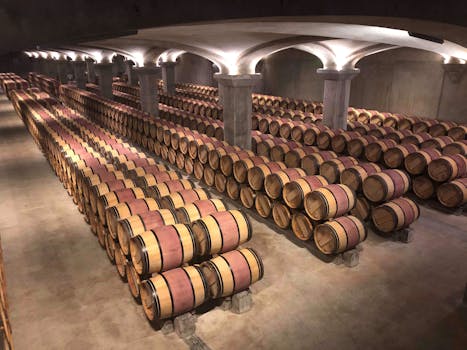
The largest cellars in Burgundy — 5km of vaulted 13th-century galleries housing 3 million bottles. Walk-in visits include a self-guided tour through the labyrinthine cellars and a tasting of six different Burgundy appellations. Nowhere else in Burgundy gives you this breadth of wine experience without a booking. A perfect introduction to the region.
⏱ Open daily 9:30–18:00 · 💰 €25 with 6-wine tasting · 📍 Town centre, Beaune
Visit Patriarche → Reviews and book →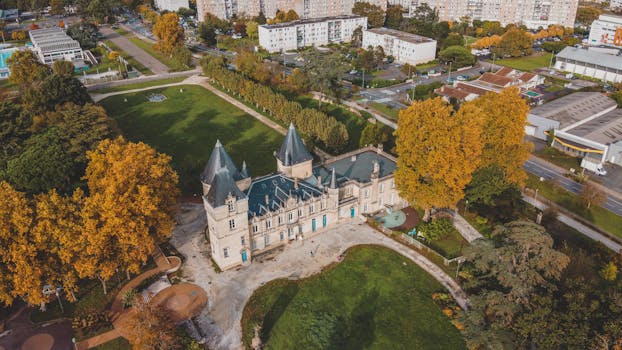
Château du Clos de Vougeot
Vougeot, Côte de Nuits
A medieval château at the centre of Burgundy's most famous Grand Cru vineyard. Built by Cistercian monks in the 12th century, it now belongs to the Confrérie des Chevaliers du Tastevin, Burgundy's great wine brotherhood. The stone cuverie and barrel hall are among the most beautiful spaces in French wine. An essential stop on any Côte de Nuits visit.
⏱ Open daily · 💰 €7 entry · 📍 Route des Grands Crus, Vougeot
Visit Clos de Vougeot → Reviews and book →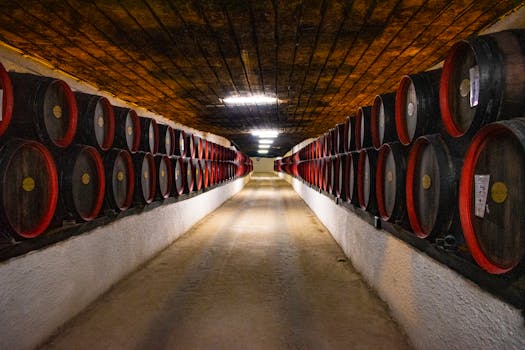
Maison Joseph Drouhin
Beaune, Côte de Beaune
A family-owned négociant house founded in 1880, with cellars that stretch beneath Beaune's medieval ramparts. Drouhin is respected across both red and white Burgundy, with Grand Cru holdings in Chambolle-Musigny, Gevrey and Puligny. Their visits combine historic Roman cellars with a thoughtful education in what makes Burgundy unique — and why it matters.
⏱ By appointment · 📍 Beaune town centre, under the ramparts
Visit Drouhin → Reviews and book →Champagne
There is wine, and then there is Champagne. The two great cities of the region — Reims and Épernay — sit above kilometres of chalk tunnels (crayères) carved by Roman quarrymen and coopted by the Champagne houses to age their bottles in perfect conditions. Reims has the cathedrals and the historic maisons; Épernay has the Avenue de Champagne, arguably the most valuable street in the world. Both cities are worth your time. Both make every visitor feel like they're drinking something truly special.
Key grapes: Chardonnay · Pinot Noir · Pinot Meunier
Maison Ruinart
Reims, Champagne
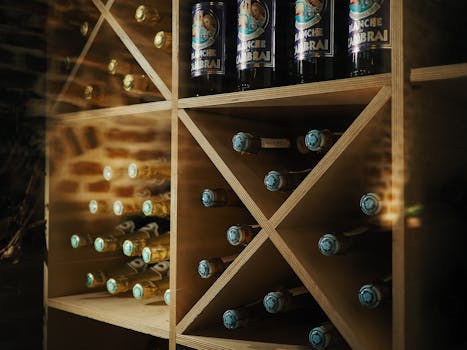
The oldest Champagne house, founded in 1729, with the most spectacular cellars of all — UNESCO-listed chalk tunnels 40 metres underground, 8km of galleries where the light catches the bottles like a cathedral. The guided visit is intimate, unhurried, and genuinely one of the great wine experiences in France. Book well in advance; groups are capped at 12.
⏱ 2–3 hours · 💰 From €90/person · 📍 Reims, 45 min from Paris
Visit Ruinart → Reviews and book →
Champagne Taittinger
Reims, Champagne
The most accessible of Reims' great houses — no reservation required, welcoming to all visitors, and the cellars are genuinely breathtaking. Carved beneath the ancient Abbey of Saint-Nicaise, the Gothic-vaulted tunnels create an atmosphere you won't find anywhere else. After 18 months of renovation, the experience has been redesigned with new themed tours and an elegant new concept store. Start here if this is your first Champagne house visit.
⏱ 1.5 hours · 💰 From €40/person · ⏰ Open daily 9:30–17:30
Visit Taittinger → Reviews and book →
Moët & Chandon
Épernay, Champagne
The biggest name in Champagne and the most visited house — 28km of cellars beneath the Avenue de Champagne, housing 100 million bottles at any one time. The tour is polished and informative; the terrace tasting is a pleasure. Pair it with a walk down the Avenue de Champagne — arguably the most wine-soaked street in the world — where a dozen great houses sit side by side.
⏱ Open daily 9:30–17:30 · 💰 From €30/person · 📍 Avenue de Champagne, Épernay
Visit Moët & Chandon → Reviews and book →Alsace
A region caught between two cultures — and all the better for it. French in spirit, Germanic in wine style, with a cuisine that owes equal debts to both. The Route des Vins d'Alsace runs 170km from Marlenheim in the north to Thann in the south, threading through some of the most photogenic wine villages in Europe: Riquewihr, Ribeauvillé, Eguisheim, Kaysersberg. The wines are aromatic, age-worthy, and criminally underrated. Riesling here can outlast Burgundy. Gewurztraminer is one of the great food-matching wines. Come in autumn for the harvest.
Key grapes: Riesling · Gewurztraminer · Pinot Gris · Pinot Blanc · Muscat

Famille Hugel
Riquewihr, Alsace
Twelve consecutive generations of the Hugel family, 386 years of winemaking, and still in the same village. Their tasting room in picturesque Riquewihr is one of the most welcoming in Alsace — no reservation needed, free tastings of their full wine range. Hugel pioneered the late-harvest styles (Vendange Tardive and Sélection de Grains Nobles) that put Alsace on the world map. A must-visit on the Route des Vins.
⏱ Open daily 9:00–18:00 · 💰 Free walk-in tasting · 📍 Riquewihr village centre
Visit Famille Hugel → Reviews and book →
Domaine Weinbach
Kaysersberg, Alsace
Set within the Clos des Capucines — a walled former Capuchin monastery beneath the Grand Cru Schlossberg — Domaine Weinbach is one of Alsace's defining estates. Biodynamically farmed since 1998, the wines express their terroir with extraordinary precision. Kaysersberg itself, near the estate, was voted France's favourite village — the combination of a Weinbach visit and an afternoon in Kaysersberg is very hard to beat.
⏱ Visits by appointment · 📍 Kaysersberg-Vignoble, near Colmar
Visit Domaine Weinbach → Reviews and book →Rhône Valley
Two valleys that might as well be two different wine worlds. The Northern Rhône is the domain of Syrah — a single variety producing some of the most hauntingly beautiful red wines on earth on the steep granite terraces of Hermitage and Côte-Rôtie. The Southern Rhône is all about blending — Châteauneuf-du-Pape can use 13 different grape varieties, and the best producers use most of them. Grenache, Mourvèdre, Cinsault: structured, powerful wines built for roast lamb and slow evenings.
Key grapes: Syrah · Grenache · Mourvèdre · Viognier · Marsanne · Roussanne

M. Chapoutier
Tain l'Hermitage, Northern Rhône
The most visitor-friendly of the great Northern Rhône houses. Michel Chapoutier converted to biodynamic viticulture in 1990 and hasn't looked back — his wines carry the distinctive Braille-script label as a statement of openness. The tasting room in Tain l'Hermitage offers everything from introductory flights to e-bike rides through the steep Hermitage hill. The Fac & Spera Hotel & Spa on-site means you can stay, drink and do it all again the next day.
⏱ Open daily · 💰 Tastings from €39 · 🚴 E-bike vineyard rides available · 📍 Tain l'Hermitage, Drôme
Visit Chapoutier → Reviews and book →
Château Beaucastel
Châteauneuf-du-Pape, Southern Rhône
The benchmark estate of Châteauneuf-du-Pape — four generations of the Perrin family making wines that use all 13 permitted grape varieties of the appellation. Beaucastel is one of the few estates here that uses significant amounts of Mourvèdre, giving their wines their characteristic structure and longevity. The Perrin Family tasting room in Châteauneuf-du-Pape village welcomes all visitors — a warmly run shop with the full range to taste and buy.
⏱ Tasting room open Mon–Sat · 📍 Châteauneuf-du-Pape village, Vaucluse
Visit Beaucastel → Reviews and book →Loire Valley
France's longest river winds through 1,000km of wine country — from the volcanic soils of Auvergne in the west to the Atlantic-influenced vineyards of Muscadet near Nantes. In between: Sancerre and Pouilly-Fumé for Sauvignon Blanc at its most mineral and precise; Vouvray and Montlouis for Chenin Blanc ranging from bone-dry to legendary sweet; Bourgueil and Chinon for red wines from Cabernet Franc that are among the best food wines in France. The Loire is also château country — staying among the great castles while drinking the local wine is one of France's finest pleasures.
Key grapes: Sauvignon Blanc · Chenin Blanc · Cabernet Franc · Melon de Bourgogne

Henri Bourgeois
Chavignol, Sancerre
The Bourgeois family has been making wine in Sancerre since 1950, and their estate in Chavignol — the tiny village that also produces Crottin de Chavignol goat's cheese, the natural partner to Sancerre — is one of the most complete wine visits in the Loire. Guided tours of the modern winery and their 100+ vineyard plots, followed by a tasting that shows the full range of terroir expression. Their hotel-restaurant on-site means you can make a proper weekend of it.
⏱ Guided tours by appointment · 📍 Chavignol, 3km from Sancerre town · 🏨 Hotel on-site
Visit Henri Bourgeois → Reviews and book →
Domaine Huet
Vouvray, Loire Valley
The reference point for Chenin Blanc — and one of the greatest estates in France. Huet has been farming biodynamically since 1990 across three iconic Vouvray lieux-dits: Le Haut-Lieu, Le Mont, and Clos du Bourg. Their wines range from searingly dry to nobly sweet, and the best vintages age for 30 years or more. A visit here is a masterclass in what one grape variety can achieve when given the right soil and the right care.
⏱ By appointment · 📍 Vouvray, 10 min east of Tours
Visit Domaine Huet → Reviews and book →Provence
The world's rosé capital — producing more rosé than any other wine region on earth, and doing it better than anyone else. The pale, elegant, dry rosés of Provence bear no resemblance to the sweet pink wines that use the term elsewhere. Made primarily from Grenache, Cinsault and Mourvèdre, they're built for summer — for grilled fish, tomatoes, and long lunches under a fig tree. The vineyards of the Var, the Luberon and Bandol produce wines that can outlast much that's red. Go in the lavender season for the full Provençal experience.
Key grapes: Grenache · Cinsault · Mourvèdre · Rolle (Vermentino) · Tibouren

Château d'Esclans
La Motte, Var, Provence
The estate that created Whispering Angel — the wine that turned pale Provence rosé into a global phenomenon. Sacha Lichine (son of the legendary Alexis Lichine) acquired this 18th-century château in 2006 and began a quiet revolution. Today the estate produces the world's most recognisable rosé, but visits reveal there's much more: the top cuvées (Garrus, Les Clans) are among the most complex rosés ever made. Tasting room visits in the beautiful Var countryside.
⏱ Tasting room by appointment · 📍 La Motte, near Draguignan, Var
Visit Château d'Esclans → Reviews and book →
Domaines Ott
Côtes de Provence
The historic name in Provence rosé — Marcel Ott founded the estate in 1896, decades before anyone else took Provence wine seriously. Three distinct estates (Château Romassan in Bandol, Clos Mireille on the coast, Château de Selle inland) each produce wines of remarkable individuality. The iconic skittle-shaped bottle is recognised in every fine restaurant in France. Visits are by appointment at each estate — the combination of coastal Provence scenery and serious wine makes for a perfect day.
⏱ By appointment at each estate · 📍 Bandol, La Londe-les-Maures, Taradeau
Visit Domaines Ott → Reviews and book →🍷 Practical Wine Tips
- The top Bordeaux châteaux book up weeks or months in advance — email directly and be flexible on dates
- Burgundy's smaller domaines rarely have websites; the best way in is via a reputable wine merchant contact or the Beaune tourist office
- In Champagne, Reims (cathedral city, UNESCO cellars) and Épernay (Avenue de Champagne) are different experiences — visit both if you can
- Alsace's Route des Vins is best by car or bicycle; the villages are small and close together; allow 2–3 days
- The Loire's Sancerre and Vouvray are best visited in spring or autumn — summer is harvest season and wineries are often closed to visitors
- Many estates across all regions offer direct sales (vente directe) at cellar door prices — bring euros and buy what you drink
Wine Bars & Caves à Vins
Paris is at the centre of France's natural wine revolution — tiny bars stacked floor to ceiling with bottles, knowledgeable staff who love to talk, and wines you won't find anywhere else. These are the places the locals drink.

Le Verre Volé
Canal Saint-Martin, Paris 10th
The original Paris natural wine bar — a tiny, slightly chaotic space by the Canal Saint-Martin that has been leading the natural wine movement since the early 2000s. Bottles stacked everywhere; a chalkboard menu that changes daily; staff who know every producer on the shelves. The food is serious, the wine list is extraordinary, and the atmosphere is exactly what a Paris wine bar should feel like. Book ahead — it's always busy.
📍 67 rue de Lancry, Paris 10th · Reservations strongly recommended
Visit Le Verre Volé → Reviews and book →
Frenchie Bar à Vins
Rue du Nil, Paris 2nd
The wine bar companion to Grégory Marchand's acclaimed restaurant across the street — and often the better option. No reservations, walk-in only, which creates a pleasingly anarchic energy. The small plates are as good as anything in the neighbourhood restaurant; the wine list is focused, thoughtful, and heavily French. Go early (before 6pm) or late (after 10pm) to avoid the queue, or embrace it with a glass of something while you wait.
📍 6 rue du Nil, Paris 2nd · No reservations · Walk-in only
Visit Frenchie Bar à Vins → Reviews and book →
Septime La Cave
Charonne, Paris 11th
The wine bar of Septime — one of the most influential restaurants in Paris — and almost impossible to get into. A tiny, candlelit cave that stocks some of the most interesting natural wines in the city, all by producers known to the Septime kitchen. The food is outstanding small plates: charcuterie, cheese, seasonal vegetables. If Septime itself is beyond reach (it usually is), La Cave is the next best thing — and in many ways more fun.
📍 3 rue Basfroi, Paris 11th · Near Charonne métro · Arrive early
Visit Septime La Cave → Reviews and book →Know Your Wine
When you visit a French winery, you might notice words like biologique, biodynamique or nature on their labels. Here's what they actually mean.
Recent research suggests conventional wines worldwide may contain elevated levels of persistent chemicals from pesticide use. Those seeking a cleaner glass may prefer organic, biodynamic or natural producers — many of whom welcome visitors for tastings.
Spirits & Distilleries
France produces the world's finest brandies. Cognac and Armagnac are both aged grape spirits from the southwest — but with entirely different characters. Add Calvados from Normandy, Chartreuse from the Alps, and Pastis from Provence: France's spirits tradition is as deep as its wine.
Cognac & Armagnac
Two different spirits from two different places. Cognac is the polished, double-distilled version — made in pot stills around the town of Cognac on the Charente River, aged in Limousin oak, and sold the world over. Armagnac is the older, wilder sibling — single-distilled in a continuous still in Gascony, more rustic, more varied, often vintage-dated. Both are extraordinary. Cognac gets the fame; Armagnac deserves more of it.
Key grape: Ugni Blanc (for Cognac) · Baco · Folle Blanche (for Armagnac)
Hennessy
Cognac, Charente
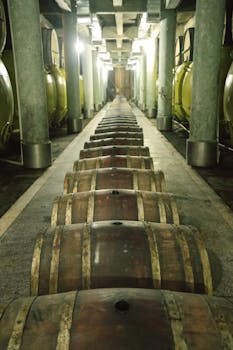
The world's largest Cognac house, founded in 1765 by an Irishman serving the French king. The visitor experience is genuinely excellent — a boat crossing of the Charente River to reach the historic cellars, an immersive museum, and tastings across their range from VS through to the legendary Paradis collection. The entry-level Signature tour is outstanding value; the Exception tour with access to Le Paradis is for serious Cognac lovers.
⏱ Multiple tour options · 💰 From €18/person · 🚤 Includes Charente river crossing · 📍 Cognac town centre
Visit Hennessy → Reviews and book →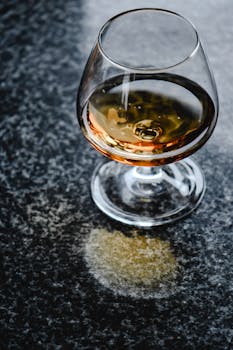
Rémy Martin
Cognac, Charente
The second of the great Cognac houses to visit — and the most sustainably minded. Their unique offering: a train tour of the sprawling Merpins production estate (April–September), where you see the scale of Cognac production up close, followed by a historic house visit and tasting. Their Anniversary tour covers 300 years of history and includes VSOP and XO tastings. The Day at Rémy Martin combines both experiences — a genuinely full day well spent.
⏱ Multiple tours · 💰 From €25/person · 🚂 Train tour April–Sept · 📍 Cognac, Charente
Visit Rémy Martin → Reviews and book →
Château de Laubade
Sorbets, Bas-Armagnac, Gascony
The largest Armagnac producer by vineyard — 80 hectares in the rolling hills of Gascony, producing vintage-dated brandies that age for decades in black Gascon oak. Where Cognac is refined, Armagnac is soulful: more varied, more individual, with a depth that reveals itself slowly over hours in the glass. The estate visits and tastings at Laubade are relaxed, welcoming, and entirely unpretentious. Named Spirit of the Year 2020 by La Revue des Vins de France.
⏱ Self-guided & guided tastings · 💰 From €8/person · 🌳 Château park access · 📍 Sorbets, Gers
Visit Château de Laubade → Reviews and book →Chartreuse & Alpine Liqueurs
Hidden in the French Alps, a community of Carthusian monks has been making Chartreuse liqueur since 1737, from a recipe of 130 plants known only to two brothers at any one time. The cellars in Voiron — the longest liqueur cellars in the world — are open to visitors. The result is one of the most unusual and rewarding distillery experiences in Europe: part museum, part tasting, part meditation on centuries of craft.

Caves de la Chartreuse
Voiron, Isère, French Alps
The longest liqueur cellars in the world — 164 metres of vaulted galleries in Voiron, 30 minutes from Grenoble, where the monks' green and yellow Chartreuse ages in vast oak foudres. The recently renovated museum is extraordinary: 1,200 original heritage pieces, a dedicated space for the 130 herbs used in production (touch, smell, taste), and the full story of a community that has refused to reveal its recipe for three centuries. Ends with a tasting of both colours — and the cocktail bar is excellent.
⏱ Open daily 10:00–18:30 · 💰 From €12/person · 🍸 Cocktail bar on-site · 📍 Voiron, 30 min from Grenoble
Visit Caves de la Chartreuse → Reviews and book →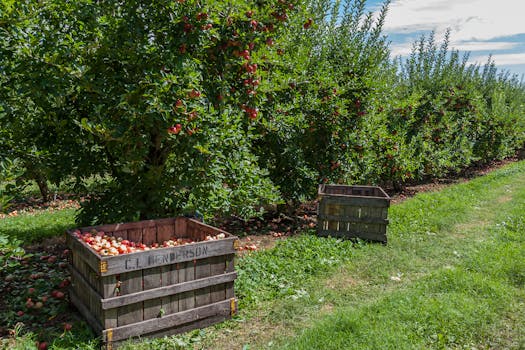
Domaine Dupont
Victot-Pontfol, Normandy
The finest Calvados producer in Normandy — three generations of the Dupont family making apple brandy the old way: fermented cider from heritage apple orchards, distilled in copper pot stills, aged in old Calvados and bourbon casks. Their Réserve and XO are recognised among the world's great spirits. The estate in the Pays d'Auge includes a cidery, distillery and museum — visits show the full journey from apple to glass. A world away from the Cognac houses, and all the better for it.
⏱ Visits & tastings · 📍 Victot-Pontfol, Calvados, 30 min from Caen
Visit Domaine Dupont → Reviews and book →🥃 French Spirits — What to Know
- Cognac is graded by age: VS (minimum 2 years), VSOP (minimum 4 years), XO (minimum 10 years) — the grades indicate the youngest component, not the average age
- Armagnac is often vintage-dated — a 1975 Armagnac is a single-year spirit from that harvest, unlike blended Cognac
- Calvados is made from cider apples, not eating apples — the Pays d'Auge AOC is the most prestigious sub-appellation
- Chartreuse comes in two versions: Green (110 proof, herbal, complex) and Yellow (80 proof, milder, honeyed) — both are worth trying
- Pastis — the anise-flavoured spirit of Provence — is not a distilled spirit but a maceration; Ricard and Pernod are the famous brands, but small-batch artisan versions are worth seeking out in Marseille
- Many distilleries offer exclusive purchases of older vintages that are not available in retail — worth asking at each visit
Craft Beer — Breweries & Taprooms
France has come late to craft beer — but with characteristic French intensity. Paris now has dozens of microbreweries; Brittany has a tradition of Celtic-style ales; the north borders Belgian Flanders. The scene is young, creative, and rapidly improving.
Paris, French Flanders & Brittany
Three of France's most interesting craft producers — from a revived Paris icon to a farmhouse brewery in Flanders and the Celtic pioneer of Brittany.
Styles to look for: Saison · Bière de Garde · Cervoise · IPA · Blanche

Gallia Paris
Pantin, near Paris 19th
Originally founded in 1890, revived in 2015 — Gallia is now one of Paris's most beloved craft breweries. The taproom in Pantin (two stops from the city on Line 5) is set in a converted warehouse with a large outdoor terrace, a full kitchen serving vegetarian food, and tanks visible through the glass. Beers are brewed on-site: seasonal and limited-edition varieties alongside year-round classics. Excellent live music nights and a genuinely local atmosphere.
⏱ Tue–Sun · 🍺 Beers brewed on-site · 📍 35 rue Méhul, Pantin · Metro Line 5 (Église de Pantin)
Visit Gallia → Reviews and book →
Brasserie Thiriez
Esquelbecq, French Flanders
One of the most acclaimed craft breweries in France — Daniel Thiriez converted a disused farm brewery in the village of Esquelbecq in 1996 and has been producing exceptional beers ever since. The Étoile du Nord saison and Dalva Imperial IPA have won awards across Europe. Tours by appointment (€6 per person) include a guided hour of the brewery followed by a tasting in the traditional estaminet. A genuine artisan producer in an extraordinary setting in French Flanders.
⏱ Tours by appointment · 💰 €6/person · 📍 Esquelbecq, Nord-Pas-de-Calais
Visit Brasserie Thiriez → Reviews and book →
Brasserie Lancelot
Le Roc-Saint-André, Brittany
Founded in 1990 in the forest of Brocéliande — King Arthur's legendary forest — by a former nuclear engineer and beekeeper. Brasserie Lancelot was the first microbrewery in Brittany and remains one of the most beloved. Their beers (Duchesse Anne, Cervoise Lancelot, Blanche Hermine) are named after Breton legends and history; the brewery shop is a treasure trove of local food and drink. A visit combines excellent beer with an encounter with Breton culture at its most authentic.
⏱ Shop open daily · 🍺 Guided tours resuming 2025 · 📍 Le Roc-Saint-André, near Ploërmel, Brittany
Visit Brasserie Lancelot → Reviews and book →Coffee Culture & the French Café
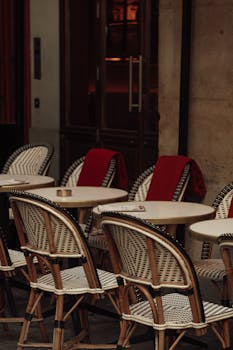
In France, coffee is an excuse to sit down and stay. The café terrace is the central institution of French social life — where philosophy was argued, revolutions were planned, and novels were written. Order a café (espresso), sit outside, and go nowhere for an hour. It is, in its own way, the best drink France offers.
Café de Flore
Saint-Germain-des-Prés, Paris
Simone de Beauvoir wrote here. Sartre revised here. Picasso drank here. Café de Flore on the Boulevard Saint-Germain is one of the most storied addresses in European intellectual history — and the coffee is perfectly adequate. Go for the terrace, the people-watching, and the pleasure of sitting in one of the world's great cafés. Prices are Parisian; the experience is timeless. Order the old-fashioned hot chocolate made with whole chocolate squares if you want something special.
⏱ Daily 7:30am–1:30am · ☕ Café, chocolat chaud, tartines · 📍 172 Bd Saint-Germain, Paris 6th
Visit Café de Flore → Reviews and book →
Les Deux Magots
Saint-Germain-des-Prés, Paris
The other great café of Saint-Germain — directly across from the church of Saint-Germain-des-Prés, 140 years old and still the reference point for Paris café culture. Hemingway came here. So did Camus, Rimbaud and Verlaine. The wraparound terrace fills up by 10am; the people-watching is unsurpassed. The café also hosts its own literary prize each January (Prix des Deux Magots), celebrating less academic writing than the Goncourt. Ignore the tourists and enjoy the view — you are one of them, and that's fine.
⏱ Daily 7:30am–1am · ☕ Café, chocolat, Prix des Deux Magots in January · 📍 6 Place Saint-Germain des Prés, Paris 6th
Visit Les Deux Magots → Reviews and book →
Café de la Paix
Opéra, Paris 9th
The grandest café in Paris — a listed historic monument on the Place de l'Opéra, designed by Charles Garnier (who also built the opera house next door). The interior is extraordinary: gilded ceilings, crimson banquettes, chandeliers that feel like they belong in a Napoléon III state room. Guy de Maupassant claimed that if you sat at Café de la Paix long enough, you would see the entire world pass by. Order a coffee or a glass of Champagne and test the theory. Expensive. Worth it.
⏱ Daily 7am–midnight · ☕ Café, Champagne, brasserie lunch · 📍 5 Place de l'Opéra, Paris 9th
Visit Café de la Paix → Reviews and book →💡 Good to Know
- ☕ A café in France always means espresso — if you want something longer, ask for an allongé or café crème (with milk)
- 🍷 Restaurant wine mark-ups in France are steep — aim for the second-cheapest bottle, which is often where the best value hides
- 🏰 Most Bordeaux châteaux are closed at weekends and during harvest (September–October) — plan well ahead
- 🛒 In wine regions, supermarkets and caves coopératives sell excellent local wine at a fraction of restaurant prices — stock up
- 🥂 Champagne is not only for celebrations in France — a glass as an apéritif is completely normal, at any hour
- 🥂 "Santé!" (sahn-tay) is cheers in French — make eye contact when you clink, or it's said to bring seven years of bad luck
- 🍸 Aperitif hour (l'apéro) is a serious institution — usually from 6pm, with wine, pastis or Champagne and nibbles. Join in wherever possible.