This is your destination guide for Austria.
This is your destination guide for The Wachau
📍 Part of AustriaA UNESCO stretch of the Danube between two baroque abbeys — terraced Grüner Veltliner, apricot everything, and a bike path with no hills to speak of.
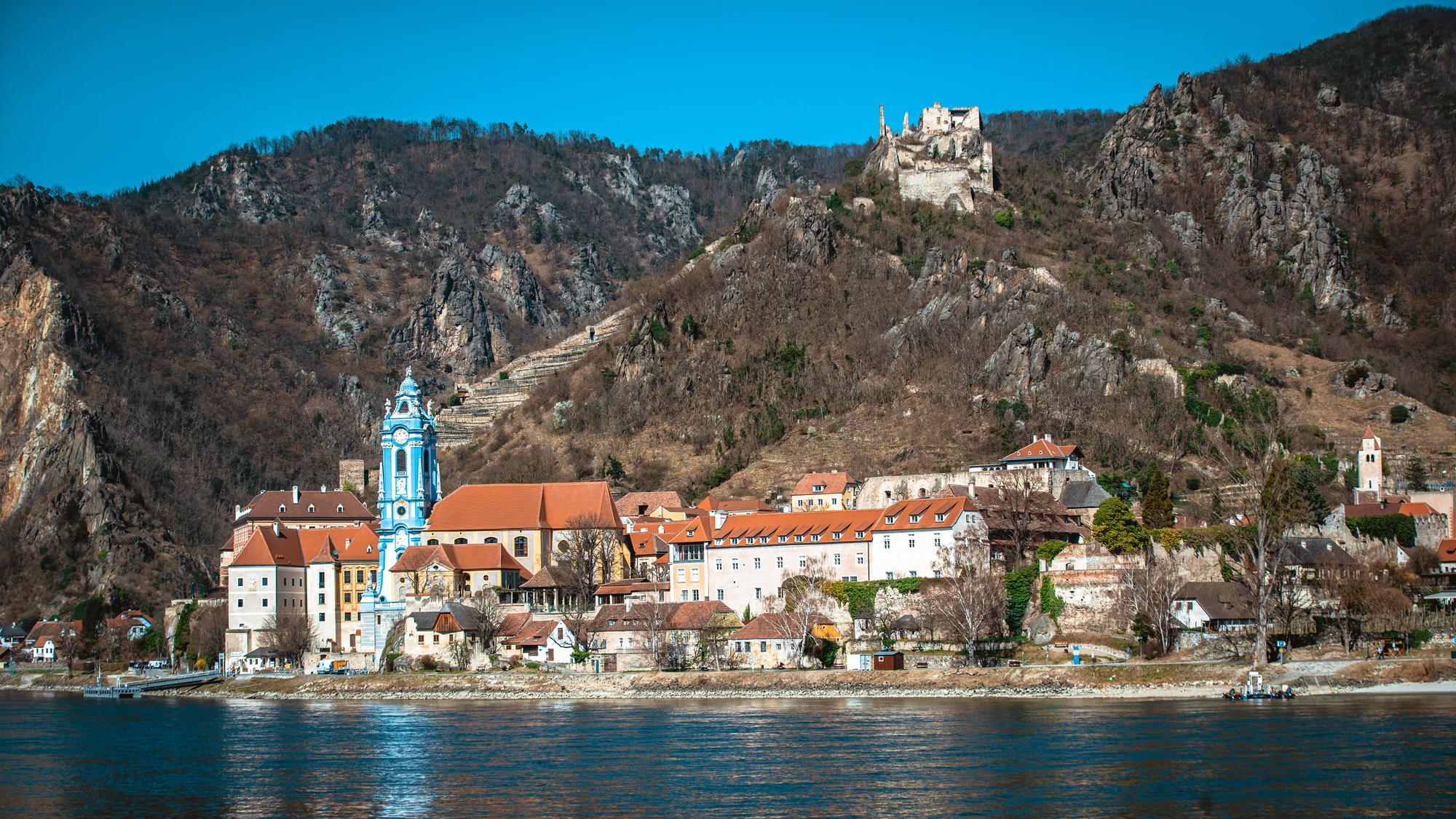

The reality: The Wachau is a 30-kilometre stretch of the Danube an hour west of Vienna, where the river cuts through steep hills terraced with vines. At one end sits Melk, its enormous yellow baroque abbey riding a rock over the water; at the other, Krems, a wine town with a medieval core. In between are stone villages, ruined castles, apricot orchards and some of the best white wine in Austria — and the whole valley is a UNESCO World Heritage Site for exactly that combination of river, rock and cultivation.
After a run of Austrian mountains, the Wachau is the deliberate opposite: no cable cars, no glaciers, nothing to climb harder than a castle staircase. It's a slow, flat, green valley built around two things — wine and the apricot — and around the pleasure of moving through it gently, by bike or by boat. The signature grape is Grüner Veltliner, peppery and bone-dry; the signature fruit is the Wachauer Marille, an apricot with its own protected name that turns up in dumplings, jam, schnapps and glazed on cakes.
So don't rush it. Rent a bike and ride the riverside path between the abbeys, take a boat one way and pedal back, drink where the wine is made at a Heuriger, and time it, if you can, for apricot season or the autumn harvest. The Wachau is where you come to do very little, beautifully — and it pairs perfectly with a Vienna trip an hour down the line.
The Wachau's landscape is a working one — a broad green river with terraced vineyards climbing the slopes on both banks, held up by dry-stone walls some of which are a thousand years old.
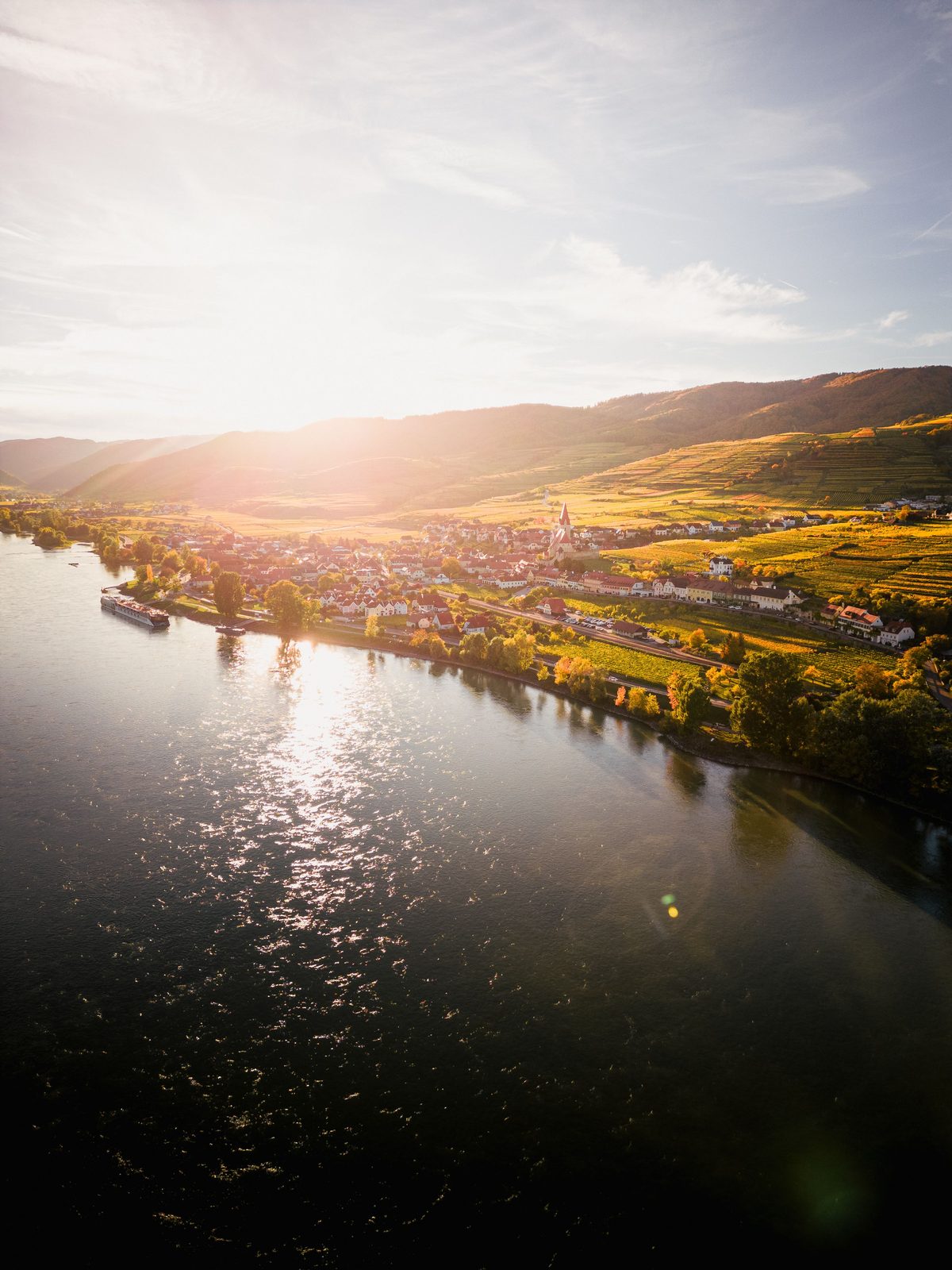
The vines are the point. The steep, stony south-facing terraces catch heat and force the roots deep, which is why a valley this small makes wine this good: crisp, mineral Grüner Veltliner and taut Riesling, classified by the local Vinea Wachau system into Steinfeder (light), Federspiel (medium) and Smaragd (the ripe, powerful top tier — named for the emerald lizards that bask on the terrace walls).
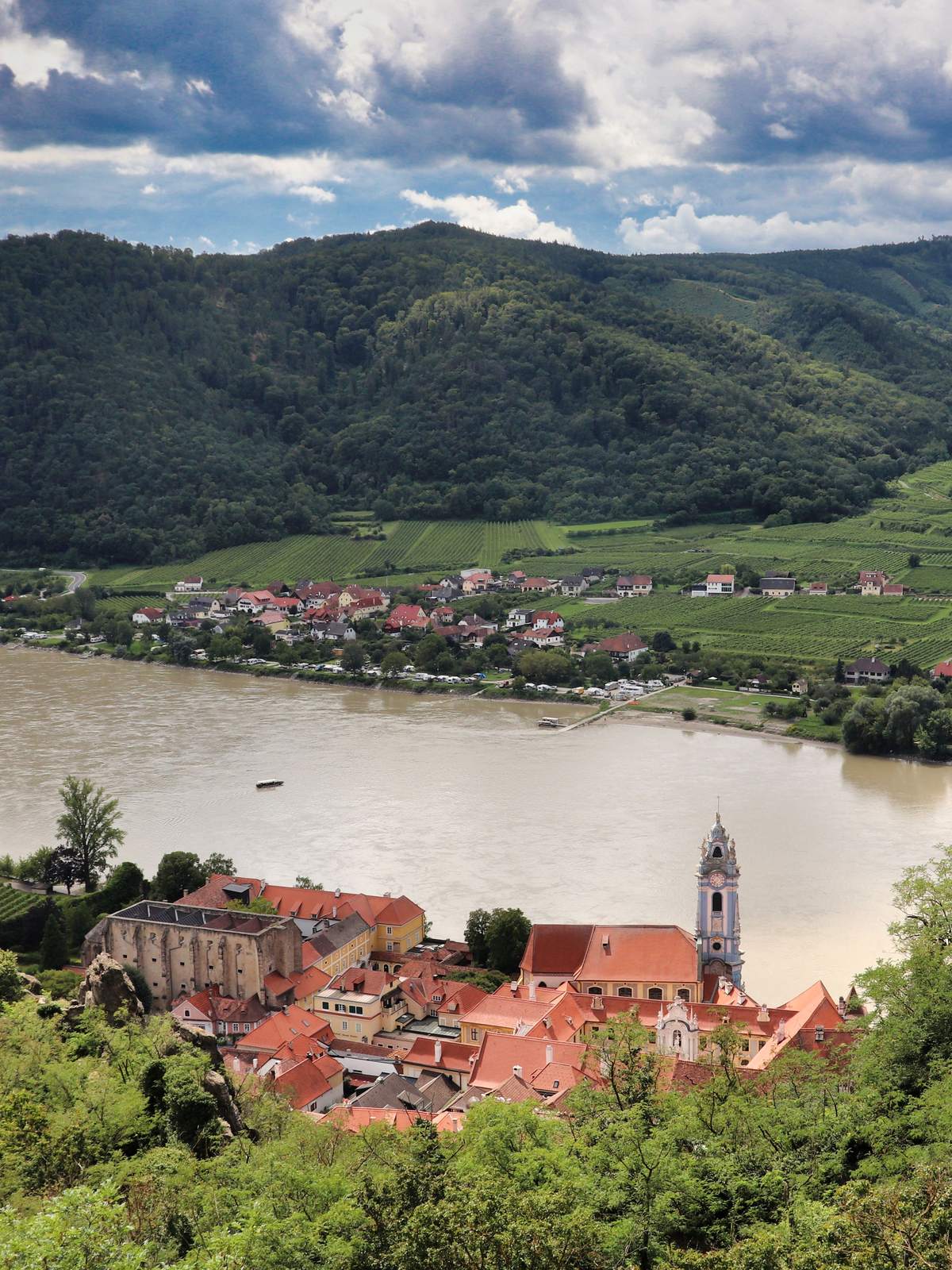
The river itself is the other half: a boat between Melk and Krems is the classic way to read the valley, drifting past the Dürnstein abbey's blue tower, ruined hilltop castles and villages that step straight down to the water. Do it one-way and cycle back, or the reverse.
The valley strings together a handful of small, distinct places, each worth a stop.

Melk anchors the west end with its vast Benedictine Abbey — a yellow baroque monastery over the river with a gilded library and church. Dürnstein is the postcard village: a blue-and-white abbey tower over the Danube, cobbled lanes, and above it the ruined castle where Richard the Lionheart was held for ransom in 1192 on his way home from crusade (a short, steep climb to the ruins and the best view in the valley).
Spitz sits among the steepest vineyards around the "thousand-bucket hill." Weißenkirchen is the wine-village heart, and Krems at the east end is the largest town — a medieval core, an art-gallery quarter in the old Kunstmeile, and the gateway to the wider Kremstal. Göttweig Abbey, on a hill across the river, gives the whole valley from its terrace.
The gentlest "active" in this book — flat, riverside, and wine-fuelled.
There are no mountains to climb here; the movement is easy and the reward is usually a glass at the end of it.
This is the Wachau's whole reason for being, so it gets the most attention: the wine, the apricot, and the growers' taverns where you drink both.
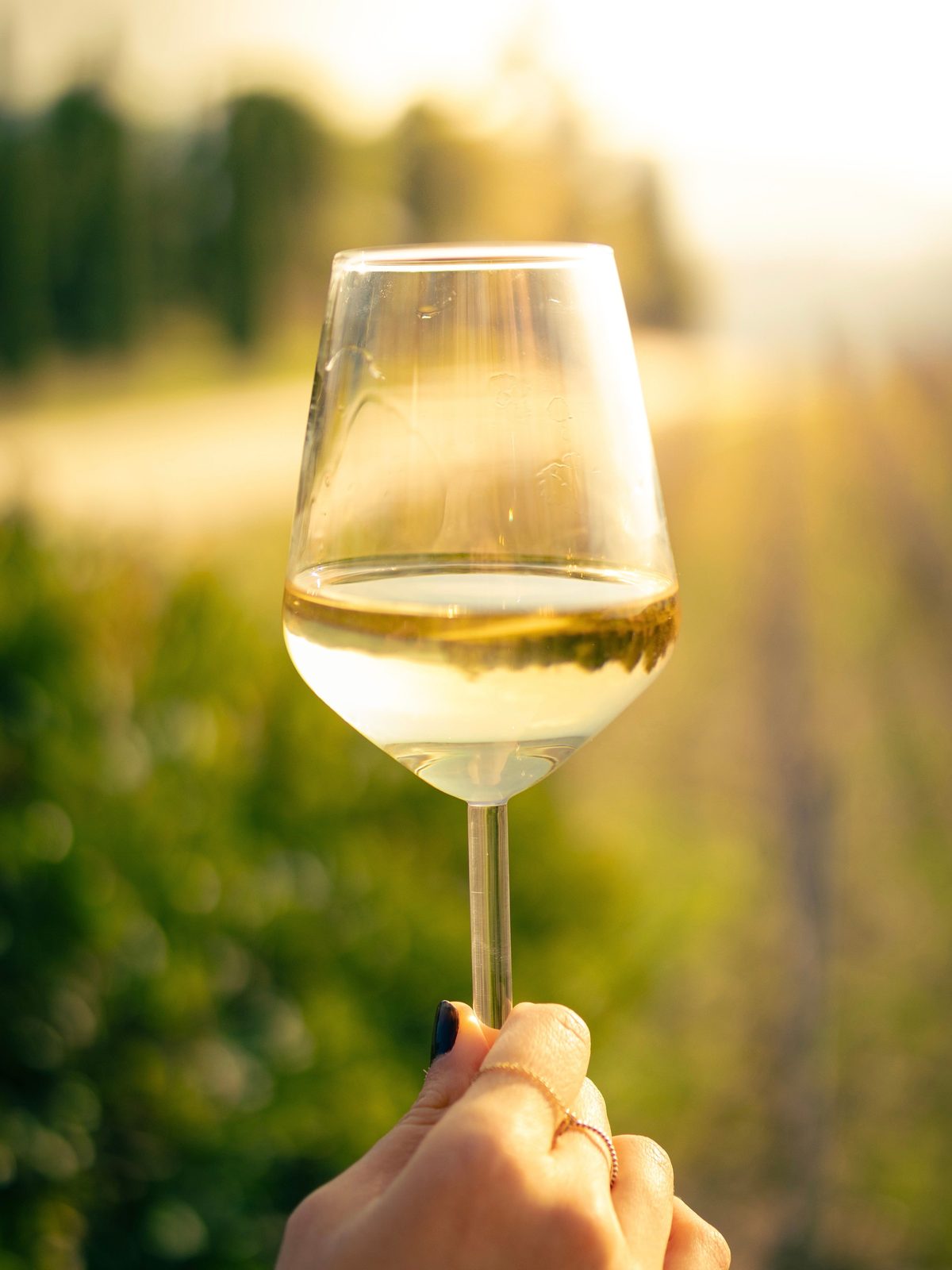
Grüner Veltliner is the wine to learn here — dry, peppery, faintly citrus, the perfect foil for the local food — with Riesling from the best terraces its more serious cousin. Drink them at a Heuriger, the grower's own seasonal tavern, over a Brettljause (a board of cured meats, spreads, cheese and dark bread) or a plate of Wachau river fish.
The other obsession is the Wachauer Marille, the valley's protected apricot: for a few weeks around July the whole valley cooks it — Marillenknödel (apricot dumplings rolled in buttered crumbs), jam, glazed cakes, and Marillenschnaps, the clear fruit brandy every farm distils. Autumn brings the Sturm (cloudy, half-fermented new wine) and the harvest festivals.
The Wachau runs on an agricultural calendar, so the best times track the vine and the apricot.
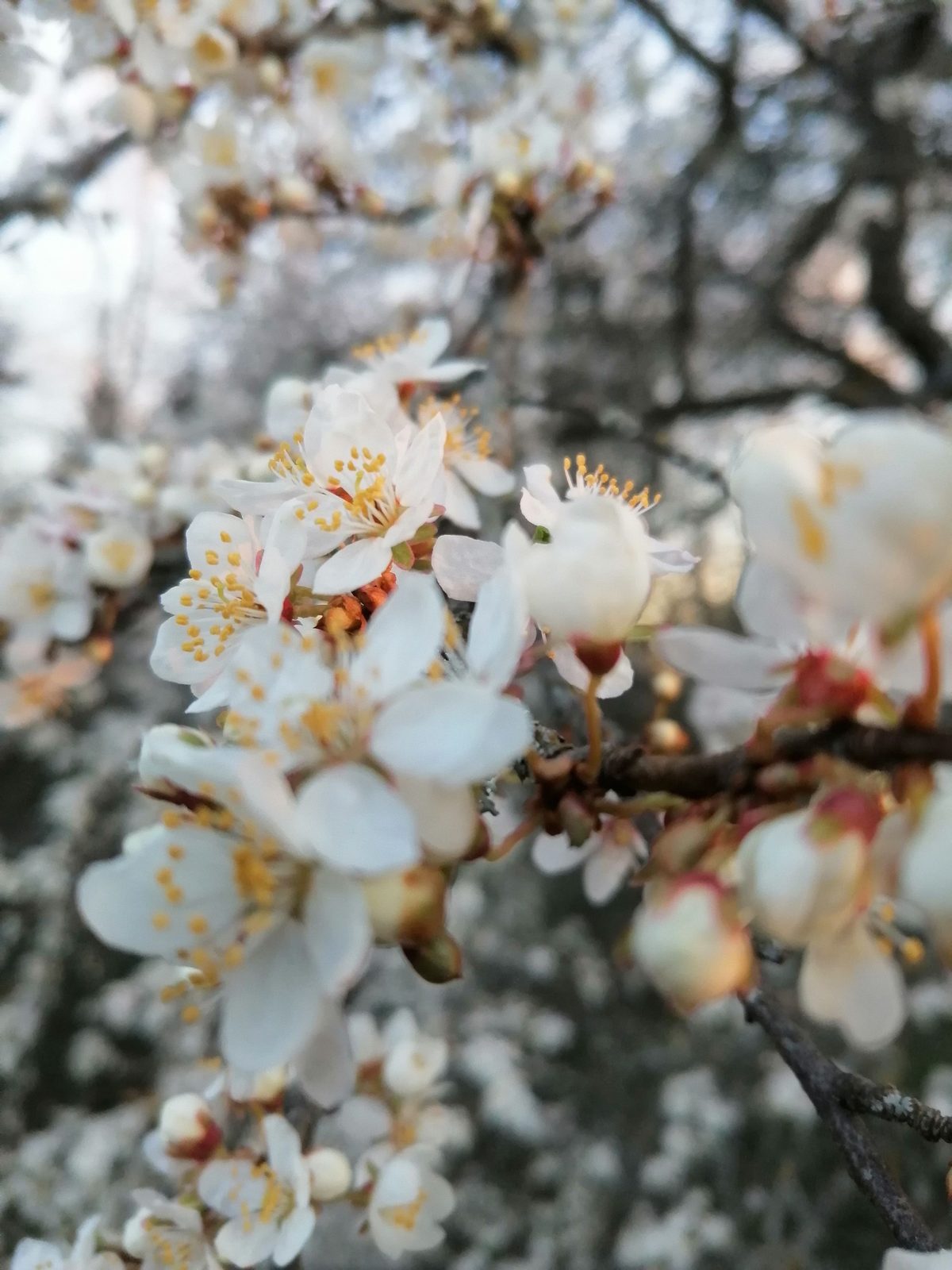
April brings the apricot blossom, whitening the terraces for a week or two — quiet, pretty, cool. July is apricot harvest: dumplings, jam and fresh Marillen everywhere, warm (25–30°C) and good for cycling. September–October is the wine harvest and the valley's peak — golden light on the vines, Sturm in the taverns, harvest festivals, the best all-round time to come.
May–June and early autumn are lovely, mild shoulders. November to March is the off-season: the vineyards bare, many Heurigen closed (they open seasonally), and the valley quiet and grey — fine for the abbeys, thin on the wine-tavern life. Weekends in peak season fill with Vienna day-trippers; midweek is calmer.
The Wachau is easy from Vienna and best explored slowly, without much need for a car.
From Vienna it's about an hour: trains run to Melk (western end) and to Krems (eastern end), and the classic loop is train to one, boat or bike through the valley, train back from the other. Between the villages, the Wachau bike path and the Danube boats are the natural transport, plus a seasonal WachauBus and a little train.
A car is the least interesting way to see it and parking in the small villages is tight in season — if you drive, park and switch to a bike. For a broader trip, the Wachau slots neatly onto a Vienna stay as a one- or two-day excursion.
Small villages, so it's about which end of the valley and how much wine-village character you want.
Dürnstein — the prettiest base (the blue tower, the cobbles, the castle ruins above), and it books up and prices up accordingly.
Weißenkirchen & Spitz — quieter wine villages in the heart of the terraces, closer to the growers.
Krems — the practical hub at the east end: the most hotels, restaurants and transport, and a real town after the villages close.
Melk — suits arriving from the west or leading with the abbey.
Winery guesthouses & Heuriger rooms — often the nicest stays; sleep where the wine is made.
The Wachau is ordinary-to-nice Austrian pricing — well below the alpine resorts, a touch above rural averages in the pretty wine villages, and genuinely good value given the wine you're drinking is world-class and poured a field away from where it grew.
Prices in 2026 euros. Winery guesthouses and Heuriger rooms are often the best value; weekend and harvest-season rates run higher than midweek.
Go if you want the gentle Austria — a UNESCO Danube valley of baroque abbeys, terraced Grüner Veltliner and apricot everything, ridden flat by bike between two monasteries. Skip if you need mountains or a lake, don't drink wine, or come in the bare winter months when the taverns are shut.
Found this useful? Share it.
Still planning?
We don’t stop at “here’s the country.” Real places to stay, what to do, apps that matter, even how to find someone to travel with — plus guides for whatever vibe you’re after, from beach days to wine country to slow weekends. All up top. Spin for somewhere new when you’re done with this one.