
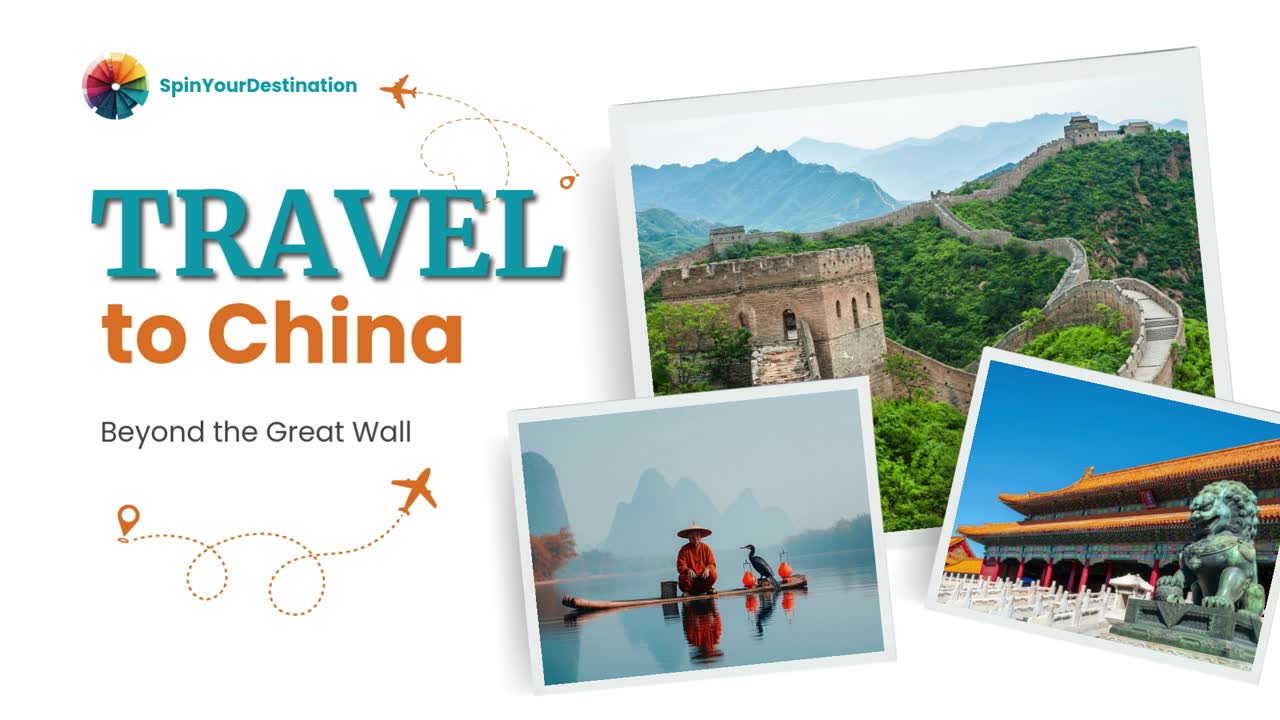
Cultural & Historical China
Your complete guide to Forbidden City, Terracotta Warriors, temples, and 5,000 years of Chinese civilization
You're in the Forbidden City. 900 buildings. 500 years of emperors. The scale is incomprehensible.
Later you're in Xi'an's underground pits. 8,000 Terracotta Warriors stand in formation, each face unique, 2,200 years old. China's history is overwhelming.
5,000 years of continuous civilization delivers layers—imperial dynasties, Silk Road trade, Buddhist temples, revolutionary history. Key sites: Forbidden City (Beijing), Terracotta Warriors (Xi'an), Great Wall, Summer Palace, Temple of Heaven. Best visited: April-May or September-October (comfortable weather, clearer skies).
Forbidden City—imperial heart of China
The Palace Museum (Forbidden City) is Beijing's must-see—900 buildings, 180 acres, 24 Ming and Qing emperors ruled here for 500 years (1420-1912).
Houses 1.5+ million relics—paintings, calligraphy, ceramics, jade, bronze. Over 8,000 first-class artifacts. Modern restoration uses science + tradition to preserve them.
Arrive at opening (8:30am) to beat crowds. Audio guide essential (Chinese history complex). Plan 3-4 hours minimum. Wear comfortable shoes (lots of walking).
Central Axis (UNESCO 2024) connects Forbidden City to Temple of Heaven, Tiananmen, Drum/Bell Towers. New sightseeing bus makes visiting easier.
Ticket online ONLY during peak season—60 RMB, limits daily visitors. Passport required for booking and entry. English booking challenging—use hotel or agency.
Terracotta Warriors—Emperor Qin's eternal army
The Terracotta Army (Xi'an) is one of the 20th century's greatest archaeological discoveries—8,000 life-sized warriors, horses, chariots guarding Emperor Qin Shi Huang's tomb (221 BC).
Three pits open to visitors—Pit 1 (largest, main army), Pit 2 (cavalry, archers), Pit 3 (command headquarters). Museum explains discovery (1974, farmers digging well).
Each warrior unique—different faces, ranks, weapons. Reflects ancient Chinese belief objects animate in afterlife to serve emperor eternally.
Plan half-day minimum—40km from Xi'an city. Tour buses (convenient), private driver (flexible), or DIY bus #306 from Xi'an train station.
Entry 150 RMB. Audio guide or live guide recommended—context makes it meaningful. Without explanation, it's just statues.
Great Wall—2,000 years of fortifications
The Great Wall spans 8,850km across northern China—built over 2,000+ years (5th century BC onwards). The Ming Dynasty sections (1368-1644) are most visited.
Popular sections near Beijing: Badaling (most visited, restored, accessible), Mutianyu (less crowded, cable car, Ming guard towers), Jiankou (wild, unrestored, dramatic but dangerous).
Hiking options: day hikes (6-10km), overnight camping on wild sections (watchtowers, sunrise/sunset), multi-day treks (3-9 days for serious hikers).
Cultural weight enormous—symbol of Chinese civilization, defense, determination. Visible from space is myth, but scale still astounds.
Best times: April-May (spring), September-October (autumn colors). Avoid summer crowds and winter ice. Go early morning for fewer tourists.
Buddhist temples and Silk Road heritage
Temple of Heaven (Beijing)—where emperors performed rituals for good harvest. UNESCO site. Beautiful architecture, park where locals practice tai chi at dawn.
Mogao Caves (Dunhuang, Silk Road)—492 caves, Buddhist art spanning 1,000 years. UNESCO site. Pre-booking essential, visitor limits strict.
Longmen Grottoes (Luoyang)—100,000+ Buddhist statues carved into limestone cliffs (5th-8th centuries). UNESCO site. Massive scale.
Leshan Giant Buddha (Sichuan)—71m tall Buddha carved into cliff (803 AD). Largest stone Buddha globally. UNESCO site. Boat views or climb stairs.
Potala Palace (Lhasa, Tibet)—former Dalai Lama residence, 1,000+ rooms. Altitude (3,650m), permit required, cultural sensitivity essential.
🌟 Top Cultural Experiences
🏛️ Forbidden City, Beijing
Imperial palace, 900 buildings, 1.5M relics. UNESCO site. 8:30am opening. Audio guide essential. 3-4 hours. 60 RMB. Book online ahead. More info →
🗿 Terracotta Warriors, Xi'an
8,000 warriors, 2,200 years old. Three pits, museum. Half-day trip from Xi'an (40km). Guide recommended. 150 RMB entry. More info →
🏔️ Great Wall Hiking
2,000+ years of history. Badaling (easy), Mutianyu (scenic), Jiankou (wild). Day hikes or camping. April-May, Sept-Oct best. More info →
⛩️ Temple of Heaven, Beijing
Imperial ritual site. Beautiful architecture, park with tai chi practitioners. UNESCO site. Dawn visit magical. 34 RMB entry. More info →
🕉️ Mogao Caves, Dunhuang
492 Buddhist caves, Silk Road art, 1,000 years. UNESCO site. Pre-booking essential. Limited visitors daily. Dunhuang oasis. More info →
🗿 Leshan Giant Buddha
71m tall Buddha carved in cliff (803 AD). Largest stone Buddha. UNESCO site. Boat views or stairs climb. Chengdu area. 80 RMB. More info →
💡 Insider Tips
- 🎫 Major sites sell out—Forbidden City, Terracotta Warriors, Mogao Caves limit daily visitors. Book weeks ahead online. WeChat or official sites. Passport required.
- 📱 Guides help enormously—Chinese history complex, context makes sites meaningful. Audio guides (cheaper) or live guides (better). 150-300 RMB for guide.
- 👟 Wear comfortable shoes—sites are HUGE. Forbidden City alone is 3-4 hours walking. Terracotta site has lots of stairs. Great Wall = thousands of steps.
- 🌅 Early arrival crucial—major sites packed by 10am. Arrive at opening (8-8:30am). Photos better, crowds lighter, experience more meaningful.
- 💰 Student discounts exist—bring international student ID. 50% off many sites. Seniors (60+) also get discounts with ID.