This is your destination guide for Mexico.
Board-snapping surf at Zicatela, sea turtles at Mazunte, and mezcal straight from the palenque.


The reality: You land at Puerto Escondido and within the hour you're on Zicatela watching a wave the size of a house fold over and snap a board in half. This is Oaxaca's Pacific — warm enough to swim in, strong enough to drown you, and completely uninterested in being a swimming pool. Dark sand, no sunbed touts, and a new highway that finally cut the drive from Oaxaca City to three hours.
It isn't one place. Puerto Escondido is a surf town with a backpacker pulse. An hour southeast, Mazunte and Zipolite are a turtle village and a nudist beach — slow, barefoot, the air smelling of copal and grilled fish. Keep going to Huatulco and the coast tidies up into nine resort bays with a marina. Same stretch of Highway 200, three different holidays.
Come for the surf and you'll leave talking about the turtles. Come for the turtles and you'll find a mezcal palenque you didn't expect. Rent something with decent tyres, learn which beaches you can actually swim at (few), and give it more than a long weekend. The coast rewards people who slow down — and quietly punishes anyone who treats it like a pool.
This coast has two kinds of beach: the ones you swim at, and the ones that swim you. Knowing the difference is the whole game.
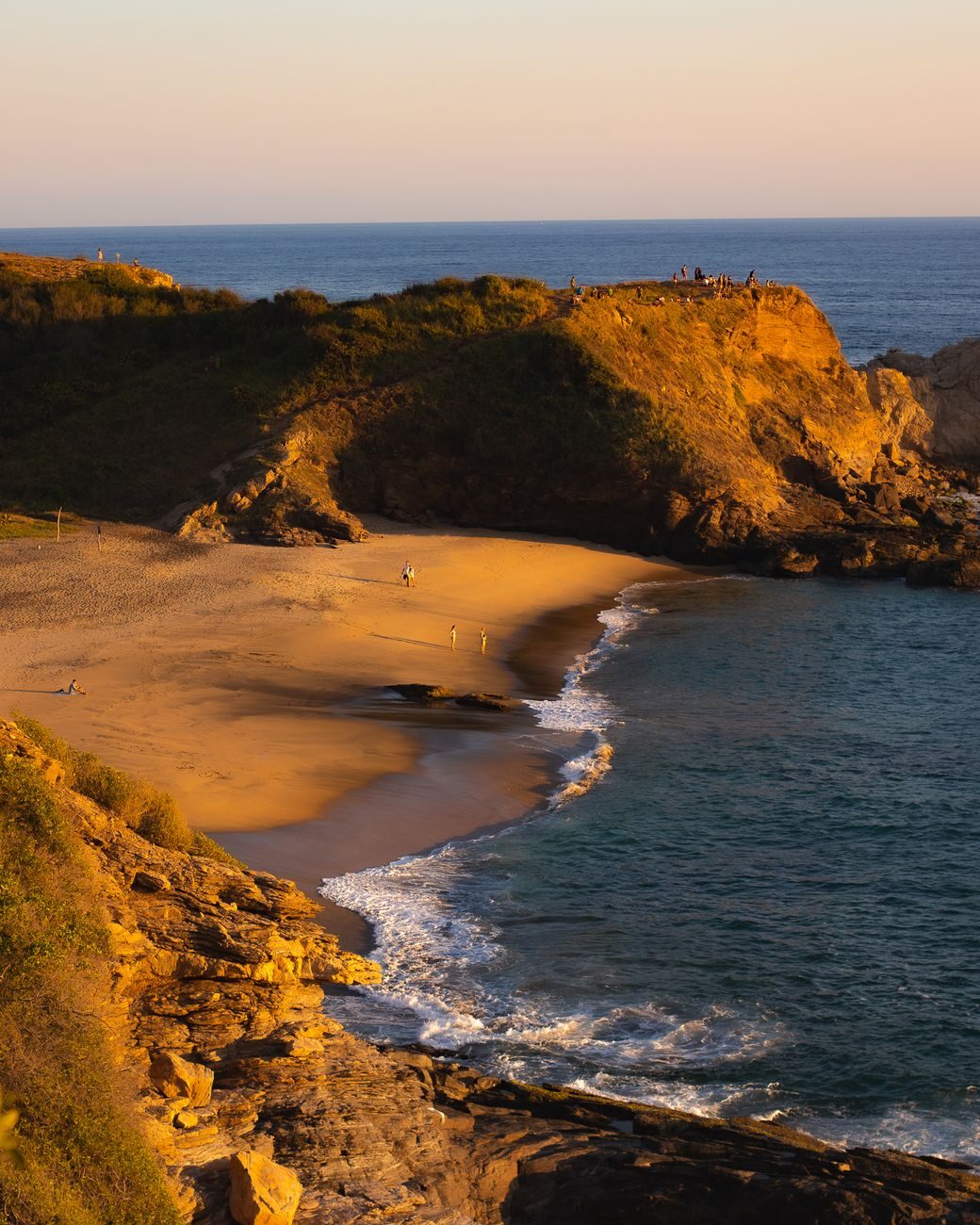
Carrizalillo — the cove most people actually swim in. A staircase of 167 steps drops you into a sheltered bay with gentle beginner waves and a row of palapa bars. Busy, but the safest water near town.
Zicatela — the Mexican Pipeline. World-class barrels from May to October, pros and bodyboarders only, and a beach break that genuinely breaks bones and boards. Watch it with a beer; don't get in. At its southern end, La Punta is a softer left-hand point — sunset surfers, learners, a slower scene.
Puerto Angelito & Playa Manzanillo — two small calm coves a short walk apart, good for families and an easy snorkel.
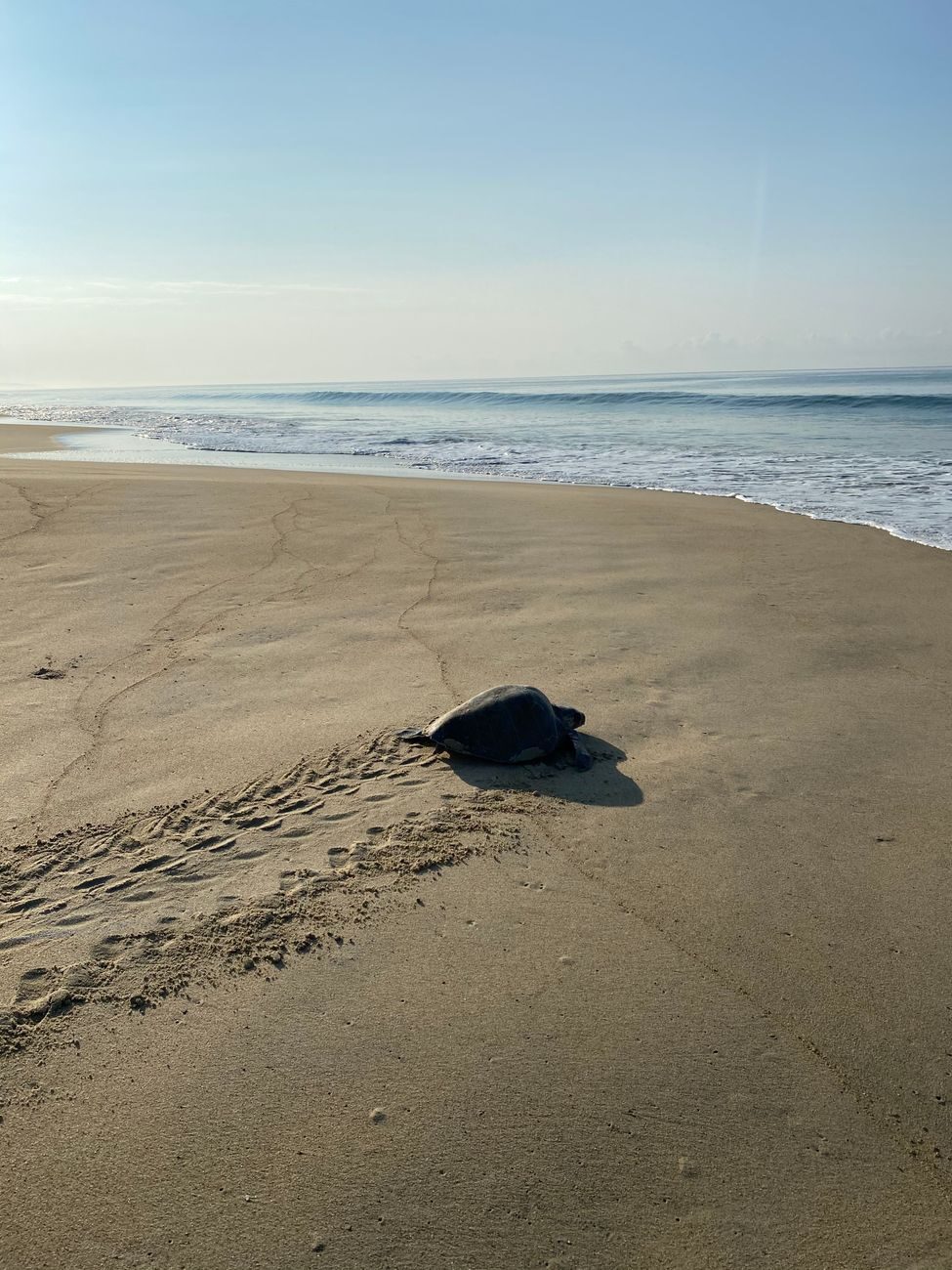
San Agustinillo — a single-street fishing beach between Mazunte and Zipolite, one of the few open-coast beaches you can swim at when it's flat.
Mazunte & Playa Mermejita — Mazunte's main beach is small and swimmable on calm days; Mermejita, around the headland, is wild and for walking, not swimming. The headland between them, Punta Cometa, is the one place on this whole coast where you watch the sun set into the ocean.
Zipolite — Mexico's only legally recognised nude beach. 1.5 km of dark sand, bohemian and unbothered, the far western end most consistently clothing-free. Also one of the most dangerous beaches to swim in the country — lifeguards patrol, currents don't negotiate.
Puerto Ángel — an old fishing port that tourism mostly skipped; its little Playa del Panteón is calm and local.
Pick your base by tempo. They're 20–90 minutes apart and they don't blur into each other.
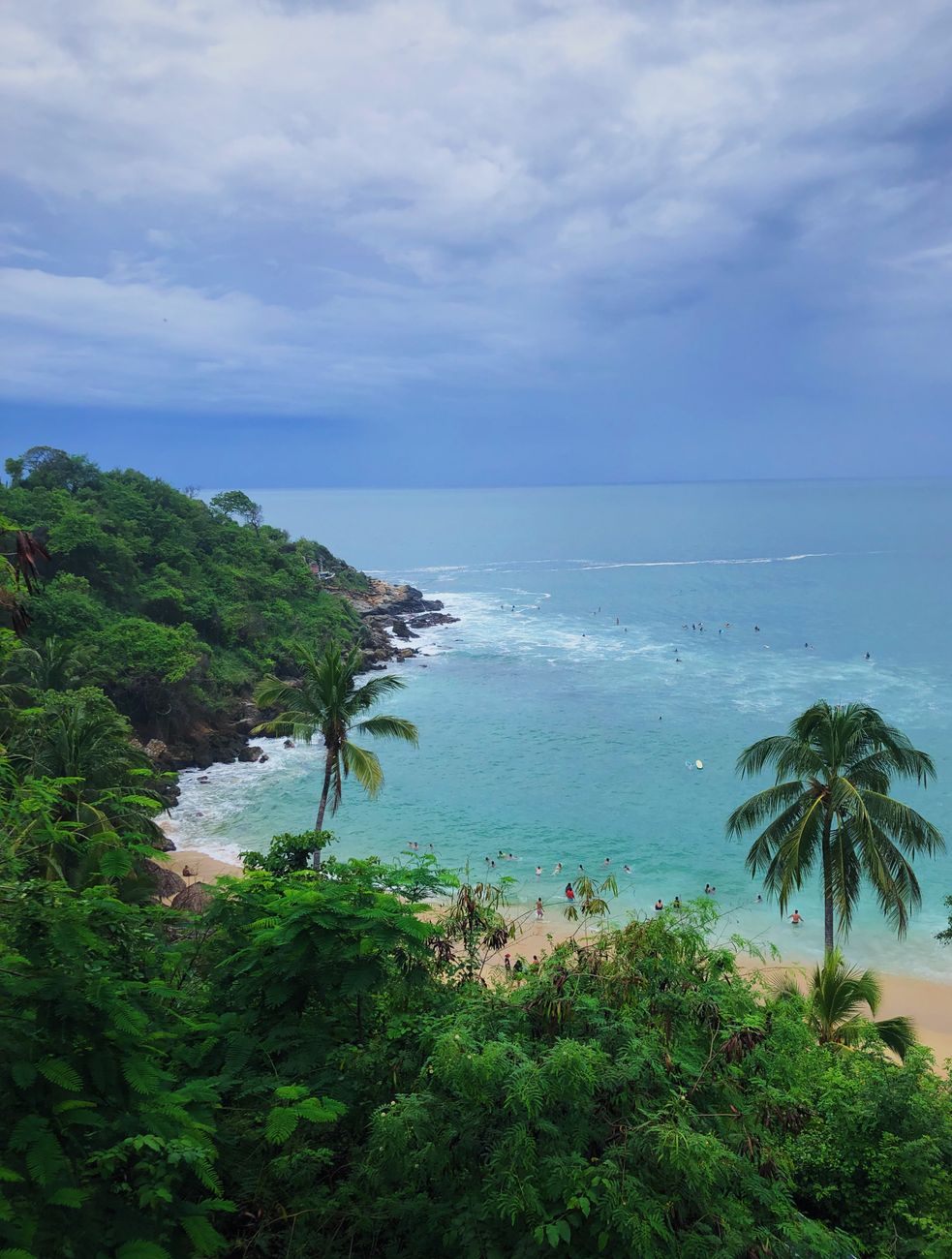
Puerto Escondido — the anchor. A surf town with a digital-nomad layer on top: the Zicatela strip for the scene, La Punta for the slower boho version, the Adoquín pedestrian street for dinner and mezcal. Busiest, best-connected, most to do.
Mazunte — a designated Pueblo Mágico and the soul of the slow coast. Home of the Centro Mexicano de la Tortuga, a community-run cosmetics co-op born from the same village that once ran Oaxaca's turtle slaughter, and a yoga-and-temazcal scene that's grown without going full Tulum.
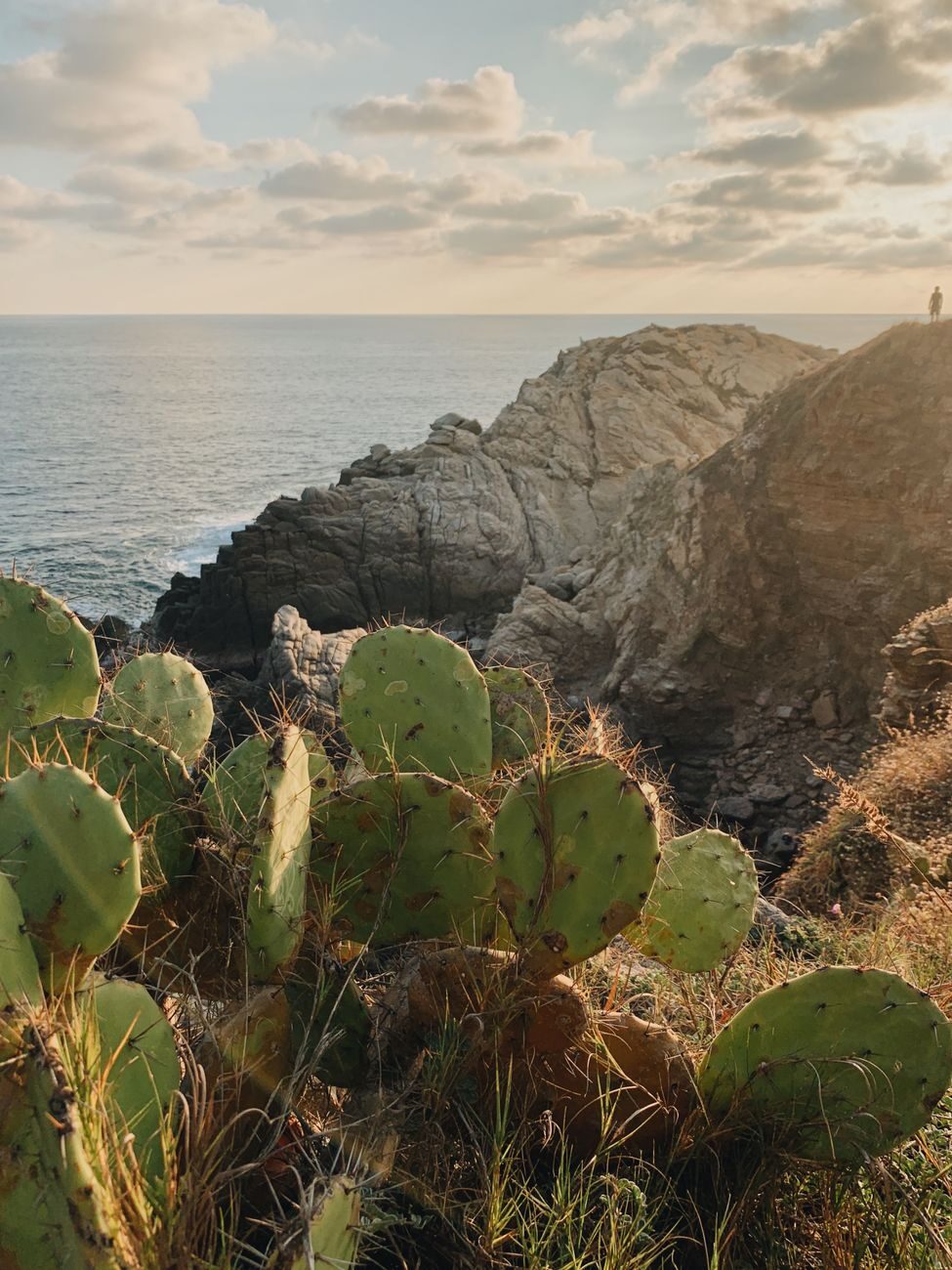
Zipolite — bohemian, barefoot, bonfire-on-the-sand at night. The nude beach defines it, but you don't have to take part to enjoy the lack of pretension.
San Agustinillo — the smallest and quietest of the three, and the most swimmable. A good middle ground if Zipolite feels too much and Mazunte too busy.
Puerto Ángel — the least touristy stop, a working harbour with cheap fish and almost no scene. Stay here to feel like you're early.
Huatulco — the outlier: a planned resort destination of nine bays, a marina, and the tidy town of La Crucecita. Calm swimming, organised boat tours, families. The polished bookend to a raw coast.
For people who'd rather do something with the day than lie on dark sand all of it.
This coast is built for movement, and most of it is in or near the water. The catch: respect the Pacific or it'll teach you.
Pacific Oaxaca eats simply and well: fish straight off the lancha, Oaxacan staples drifting down from the highlands, and a drink culture built on agave, not beer.
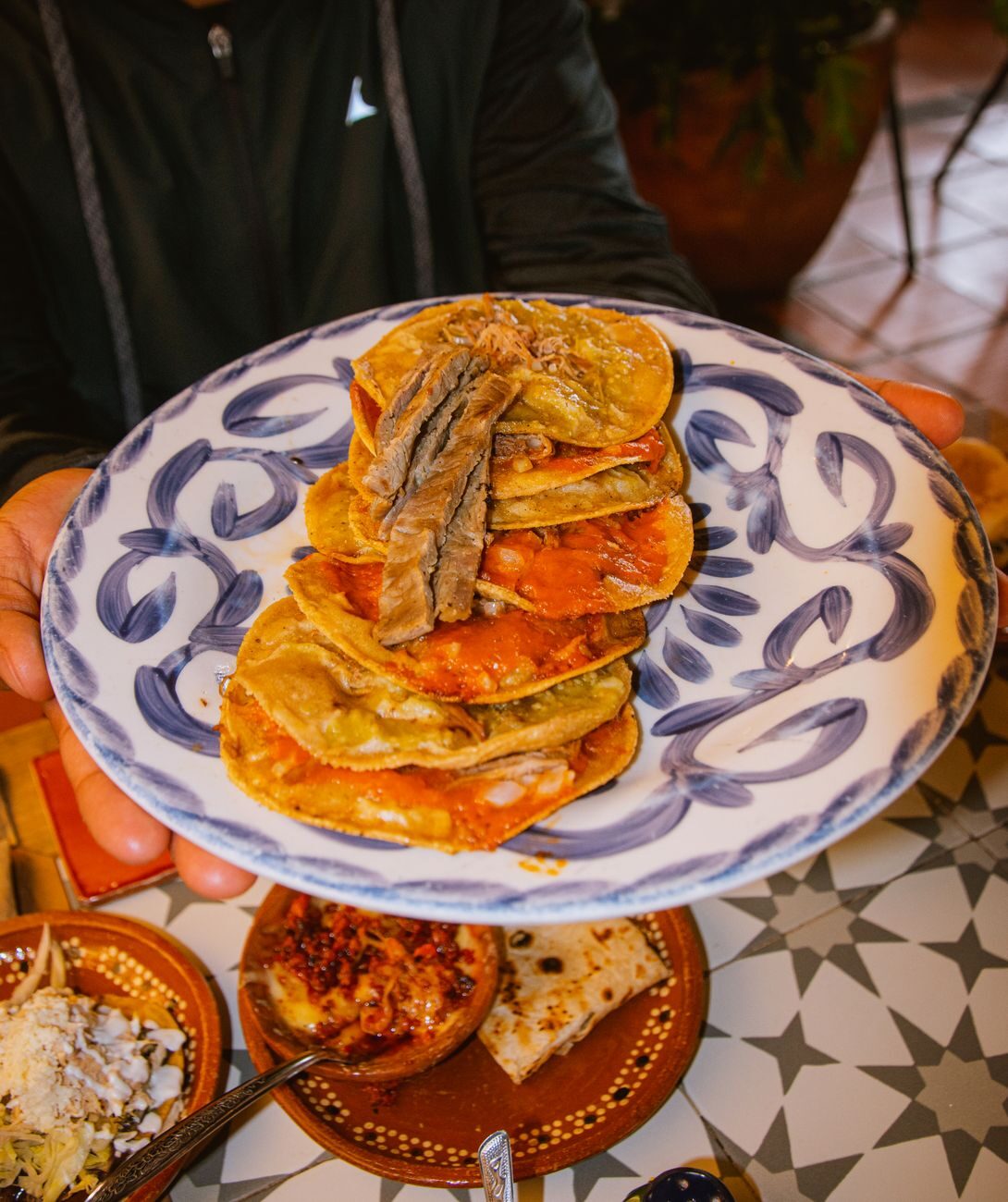
Tiritas — Puerto Escondido's own raw-fish dish: thin strips of fish cured in lime, chilli and onion, somewhere between ceviche and sashimi. Eat it at a beach comedor, not a restaurant.
Tlayudas and memelas — the everyday plates that came down from Oaxaca City and stayed. A tlayuda is the giant crisp tortilla folded over beans, cheese and meat; memelas are its smaller breakfast cousin.
Mazunte's table — the wellness crowd built a real vegetarian scene here: smoothie bowls, fresh juice, the kind of breakfast that doesn't exist in Puerto Ángel.
Mezcal: this is agave country, and the coast has its own palenques even though the famous valleys sit inland. Skip the tourist line about the worm; real mezcal is sipped neat, smoky and warm, made by roasting espadín agave in a pit. A small tour like Puerto Mezcal Tours and a couple of distilleries outside town will walk you through it and pour you ten. It's the one drink worth crossing a town for.
The coast plays a trick: the comfortable season and the spectacular season aren't the same one.
November to April — the dry season, and the easy choice. Clear skies, the calmest the sea gets, lower humidity, with the high season around Christmas to March. Best for swimming the calm coves, lagoon bioluminescence on dark nights, and general first-timer travel.
May to October — hot, humid, green, and cheap. This is when Zicatela fires and when the turtle arribadas land — roughly one a month from summer into winter. Rain comes in short, hard afternoon bursts; mornings are usually clear. The Eastern Pacific hurricane season officially runs 15 May to 30 November, but the Sierra Madre del Sur shelters this coast and direct strikes are rare — mostly it means more rain and bigger surf.
The honest version: if you want comfort, come in the dry months. If you came for the waves or the turtles, you're coming in the heat. There's no month that gives you both.
From Oaxaca City — the new Barranca Larga–Ventanilla highway (opened 2024) cut a brutal 6-to-10-hour mountain crawl down to about three hours. ADO buses and shared shuttles all use it now. The old route via Pochutla still exists if you enjoy hairpins and motion sickness.
By air — Puerto Escondido (PXM) is two minutes from town, with domestic flights from Mexico City, Guadalajara and more, US routes from Houston and Dallas, and — new for 2026 — direct flights from Toronto, Vancouver and Calgary. Huatulco has its own airport for the resort end.
Along the coast — Highway 200 links every town, and shared colectivo trucks run between them cheaply in daylight. Taxis are easy in the towns; there's no Uber, so agree the fare first. A car is handy but not essential if you're basing yourself in one place. Don't drive the mountain roads at night.
Compare rental cars →One coast, very different beds. Choose the tempo, not just the view.
Zicatela (Puerto Escondido) — surf on the doorstep, the most nightlife, the most people.
La Punta — Puerto's slower, boho, sunset-facing side; hammocks and beginner waves.
Rinconada or Bacocho — quieter Puerto neighbourhoods near the calm swimming coves; good for families.
Mazunte or San Agustinillo — slow living, wellness, turtles, no real nightlife.
Zipolite — bohemian and nude-friendly, beachfront and unpretentious.
Huatulco — resorts, calm bays, marina, the most organised end of the coast.
Oaxaca's coast is cheap by Mexican-beach standards — well below Tulum or Los Cabos — but Puerto Escondido's surf-and-nomad boom has pushed Zicatela and La Punta rents up fast, especially December to March.
Prices in 2026 pesos. Low season (May–Oct) knocks 30–40% off accommodation.
Go if you want the rawest, most honest stretch of the Mexican Pacific — board-snapping surf, olive ridleys nesting by the thousand, mezcal from a coastal palenque, and a sunset off Punta Cometa. Skip if you came to swim in calm water, escape the heat, or find a polished resort strip.
Found this useful? Share it.
One new way to travel. Every Thursday.
Not deals or destinations — methods. House sitting, night trains, repositioning cruises, and what each one really costs.
Ever thought of travelling this way?
Overnight Ferries
Sleep on a ship that has to cross anyway. A two-berth cabin with a shower for less than a hotel room — and you wake up in another country.
Read article →Campervan Relocations
Rental companies need their vans driven back. Four berths, a kitchen and a shower for about a euro a night — and a country you would never have picked.
Read article →Work Exchange
A few hours a day at a hostel, a guesthouse or a family home, and the bed is yours — in a town with a metro at the end of the street. Our son did it in South America and stayed ten years.
Read article →👇 Tap one, or just type