
Food & Culture Sri Lanka
Your complete guide to Sri Lanka's food scene and cultural experiences
You're at a Colombo street stall. Before you: hoppers—crispy rice-flour bowls with soft centers, topped with a perfectly cooked egg, served with spicy sambol. 50 LKR (€0.15). Breakfast perfection.
Sri Lankan food hits hard—curries layered with spices, coconut milk, heat from red chilies. Rice and curry is the national meal—rice surrounded by multiple vegetable and meat curries, papadam, sambol. Every home has their version.
Street food is king—hoppers, kottu (chopped roti stir-fried with meat and veg), roti wraps, short eats (savory snacks). Restaurant meals 500-2,000 LKR (€1.50-6). Street food 50-300 LKR. Fresh seafood, tropical fruits, Ceylon tea everywhere.
Best eaten with your right hand, the traditional way. Food is communal, generous, and spicy.
Rice & Curry—the national dish
Rice and curry is Sri Lanka's soul—white rice surrounded by 5-15 small dishes. Always includes dhal (lentil curry), at least 3 vegetable curries, papadam, pol sambol (coconut relish), and usually fish or chicken curry.
Every restaurant serves it, every home cooks it daily. Price 200-800 LKR depending on location—local spots cheaper, tourist areas more. Eat with right hand, mix curries with rice, adjust spice with sambol.
Regional variations exist—Jaffna (North) adds more seafood and South Indian influence, south coast uses more coconut, Kandy keeps it traditional. Hotel buffets offer "rice and curry spread" for 1,000-1,500 LKR with dozens of options.
Upali's in Colombo 7 does excellent traditional rice and curry in upscale setting (1,000-1,500 LKR). For authentic local experience, find a "hotel" (small restaurant, not accommodation)—500-700 LKR for full spread.
Curries use Ceylon cinnamon, cardamom, curry leaves, pandan, goraka (tamarind-like fruit). Flavor is complex, layered, not just heat. Good rice and curry takes hours to prepare properly.
Street food essentials
Hoppers (appa)—bowl-shaped rice-flour pancakes, crispy edges, soft center. Plain hoppers, egg hoppers (with egg cooked in center), milk hoppers (sweet coconut milk). Breakfast and dinner food. 15-50 LKR each. Served with sambol and curry.
Kottu—chopped godamba roti stir-fried with vegetables, eggs, chicken/beef/seafood, spices. Made on hot griddle with two metal blades, creating rhythmic chopping sound. Sri Lanka's most popular street food. 600-1,200 LKR. Best eaten late night.
String hoppers (idi appa)—steamed rice noodle nests, served with curry and sambol. Breakfast staple. Lighter than hoppers. 15 pieces with curry 300-500 LKR.
Short eats—catch-all term for savory snacks. Includes samosas, cutlets (meat/fish patties), fish buns, egg rolls, isso vadai (prawn fritters). Found at bakeries, kades (small shops), street stalls. 30-100 LKR each.
Pettah Market in Colombo is street food central—kottu stalls, hopper spots, fresh juices, achcharu (pickled fruits). Go hungry, try everything. Morning or late afternoon best times.
Seafood & coastal flavors
Sri Lanka is an island—fresh fish, prawns, crab, squid everywhere. Ambulthiyal (sour fish curry) is southern specialty—tuna cooked with goraka, black pepper, no coconut milk. Dark, sour, intense.
Jaffna crab curry (northern style) uses fresh mud crab with tamarind and spice. Ministry of Crab in Colombo elevates this to fine dining—mud crabs from 500g to 2kg, garlic chili crab and pepper crab signatures. Expensive (2,000-8,000 LKR per person) but world-class.
Galle Fort has seafood restaurants in colonial buildings—Fort Printers, Tuna & The Crab, Elita. Fresh catch daily, ocean views, 1,500-3,000 LKR mains. Book ahead December-March.
Coastal areas have beach shacks grilling fish—choose your fish (tuna, snapper, barramundi), grilled with garlic butter or chili sauce, served with chips and salad. 800-1,500 LKR. Negombo fish market (morning) shows the catch before restaurants buy.
Prawn curry (isso curry) is everywhere—large freshwater prawns in coconut gravy. Order it wherever you see it. Street stalls do prawn kottu, restaurants do prawn curry, hotels do jumbo prawns. All good.
Tea culture & cooking classes
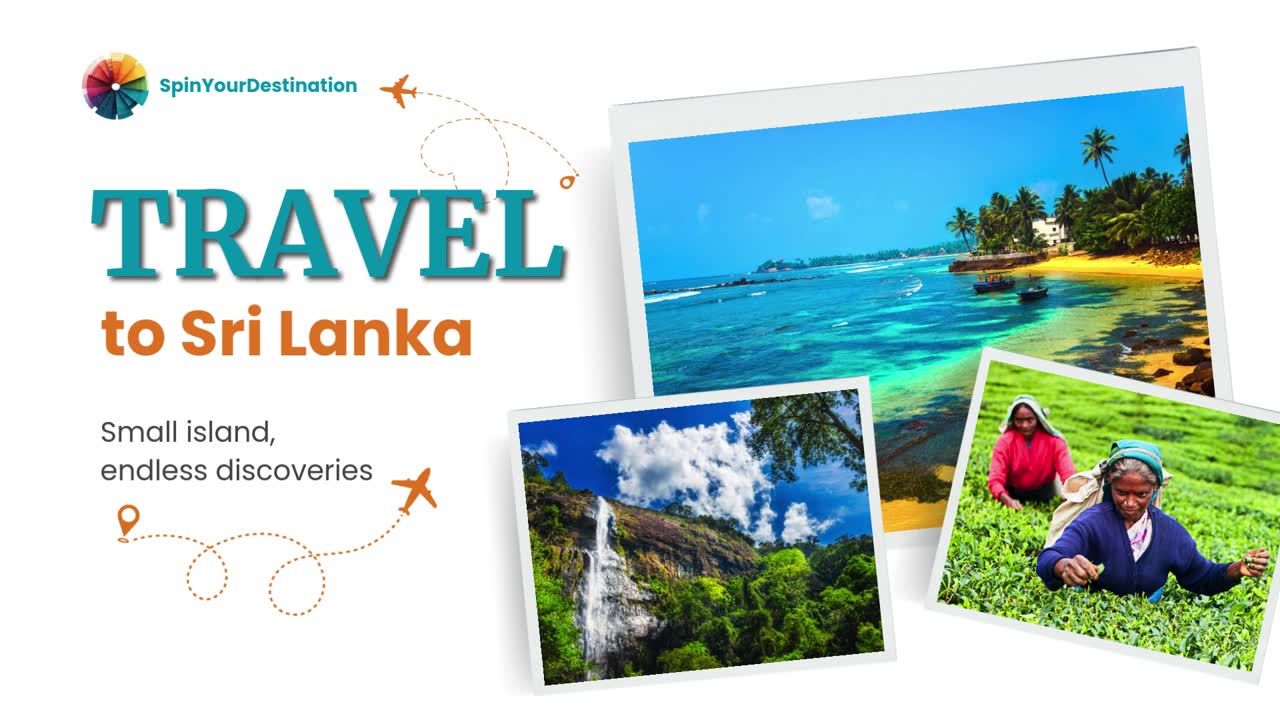
Ceylon tea is world-famous—Sri Lanka is world's 3rd largest tea exporter. Hill country (Nuwara Eliya, Ella) has plantations. Black tea dominates, drunk strong with milk and sugar. Tea shops everywhere, 50-100 LKR per cup.
Afternoon tea at colonial-era hotels (Grand Hotel Nuwara Eliya, Galle Face Hotel Colombo) includes tea, sandwiches, scones, cakes. 1,500-2,500 LKR. Touristy but atmospheric.
Cooking classes teach rice and curry, hoppers, kottu, curries. Colombo Cooking Class offers market tours plus hands-on lessons in residential home—half day 4,000-6,000 LKR. Learn spice use, curry techniques, how to make hoppers from scratch.
Classes available in Colombo, Galle, Kandy. Book through hotels or online. Best way to understand Sri Lankan food beyond eating it. You cook, you eat, you take recipes home.
Tea plantation tours (Nuwara Eliya, Ella) show processing from leaf to cup. Most offer tastings. Free at many estates, 500-1,000 LKR at tourist-focused ones. Buy tea directly—cheaper than shops, fresher.
🌟 Top Food & Culture Experiences
🦀 Ministry of Crab—Colombo
World-class mud crab in Dutch Hospital complex. Garlic chili crab, pepper crab, fresh prawns. Founded by cricket legends Sangakkara & Jayawardene. Reservations essential. 2,000-8,000 LKR. More info →
🥘 Hoppers at Upali's—Colombo
Authentic Sri Lankan breakfast in elegant Colombo 7 setting. Egg hoppers, string hoppers, traditional rice and curry. Family-run, excellent quality. Breakfast combo 2,500 LKR. Daily 7:30am-10:30pm. More info →
👨🍳 Cooking Class—Colombo
Market tour + hands-on cooking in local home. Learn hoppers, rice and curry, kottu. Small groups 2-4 people. Half-day 4,000-6,000 LKR. Daily menus, traditional recipes. More info →
🍽️ Fort Printers—Galle
Fine dining in 18th-century mansion, Galle Fort. Fresh seafood, Mediterranean-Sri Lankan fusion, lobster, seared tuna. Courtyard or bistro seating. 1,500-3,000 LKR mains. Daily 8am-10pm. More info →
🍜 Street Food Tour—Pettah Market
Colombo's chaotic market district—kottu stalls, hoppers, short eats, fresh juices, achcharu (pickled fruit). Go hungry, try everything. Morning or late afternoon best. Self-guided, 500-1,000 LKR budget. More info →
☕ Tea Plantation Tour—Nuwara Eliya
Visit Ceylon tea estates, see processing, taste fresh brews. Hill country plantations near Nuwara Eliya or Ella. Tours 500-1,000 LKR, many free. Buy tea direct from source. More info →
💡 Insider Tips
- 💰 "Hotels" in Sri Lanka often mean small local restaurants, not accommodation. Best rice and curry at these spots—500-700 LKR for full spread.
- 🌶️ "Not spicy" still means spicy by Western standards. Ask for "no chili" if sensitive. Sambol on side lets you control heat. Coconut sambol is safe, red chili sambol is fire.
- 👋 Eat rice and curry with right hand (left is considered unclean). Mix curries with rice using fingers, make small ball, push into mouth with thumb. Locals will help if you struggle.
- 🥥 Thambili (king coconut) is everywhere—bright orange, refreshing, 50-100 LKR. Drink it. Best hydration in tropical heat, natural electrolytes.
- 🗓️ Hoppers and kottu are mainly evening/night foods—many places don't serve hoppers after noon. Rice and curry is lunch-focused. Plan meals accordingly.