
Cultural & Historical Finland
Your complete guide to Finnish history, museums, design heritage, and Sámi culture
You're in Suomenlinna fortress, built by Sweden in 1748, seized by Russia in 1808, independent with Finland in 1917. Three flags, three eras, one UNESCO site.
Finland's history is short (independence 1917) but complex—Swedish rule (1150-1809), Russian Grand Duchy (1809-1917), wars with USSR, neutrality, EU membership. Cultural identity is equally layered: Sámi indigenous people in Lapland, Swedish-speaking minority (5%), design innovation, sauna tradition, and sisu (untranslatable grit).
Key sites: Suomenlinna (Helsinki), Turku Castle, Olavinlinna (Savonlinna), Siida Sámi Museum (Inari).
Best visited June-Aug for full access.
Swedish and Russian heritage
Finland was Swedish for 650 years (1150-1809)—Swedish is still official language, 5% speak it natively. West coast towns like Turku feel Swedish.
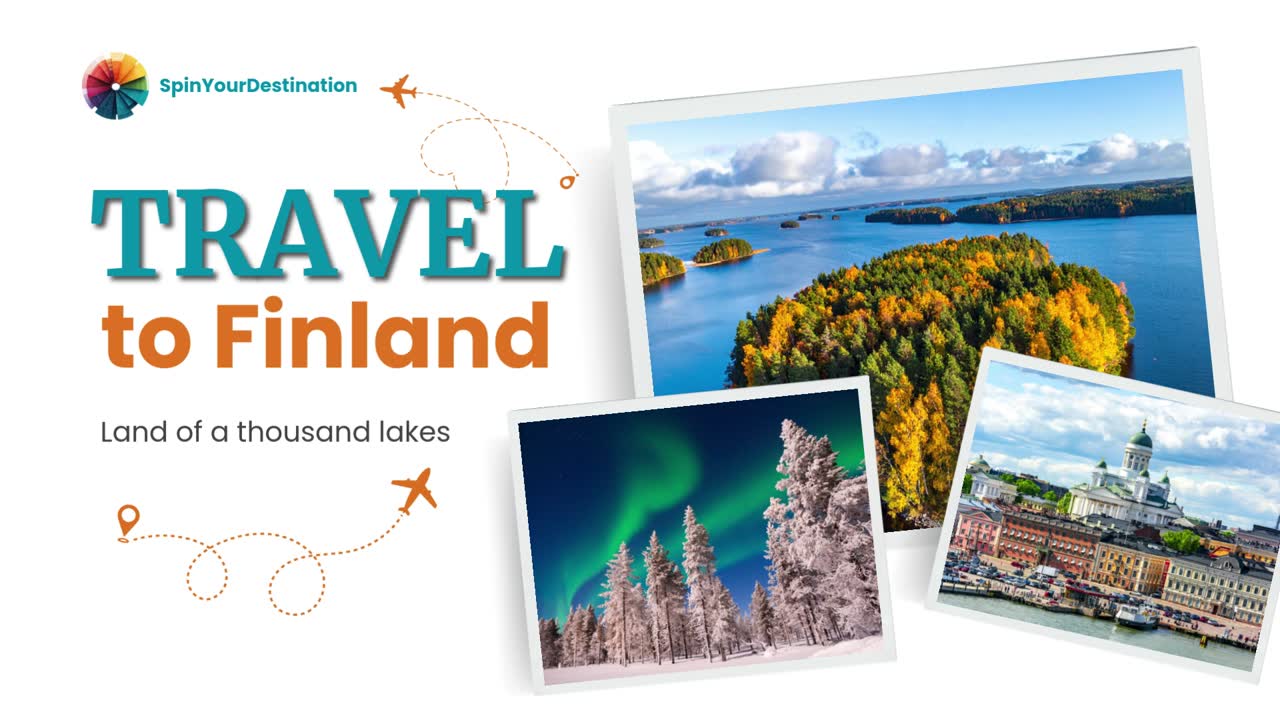
Russian Grand Duchy (1809-1917) left Helsinki's neoclassical architecture—Senate Square, Lutheran Cathedral, Government Palace. Tsar Alexander I's mark.
Suomenlinna fortress guarded Swedish empire, was surrendered to Russia, became Finnish after independence. Now UNESCO site, museums, tunnels, picnics.
Turku Castle (1280) is Finland's oldest building—Swedish medieval fortress, later Renaissance palace. Museum inside covers 700 years.
Olavinlinna Castle in Savonlinna (1475) hosts July opera festival. Swedish-built to defend against Russia. Ironic beauty now.
Sámi culture—Finland's indigenous people
Sámi people inhabited Lapland for 10,000+ years before Finnish settlement. Indigenous culture, language, reindeer herding, land rights issues.
Siida Museum in Inari is cultural center—Sámi history, crafts (duodji), language, modern challenges. Essential for understanding Lapland.
Sámi Parliament in Inari represents Finnish Sámi. Controversial building (modern meets traditional). Visitor center explains self-governance.
Traditional Sámi livelihoods: reindeer herding, fishing, crafts. Modern Sámi navigate cultural preservation vs. modern economy.
Respectful tourism: support Sámi-run businesses, don't appropriate culture (avoid 'shaman' experiences run by non-Sámi), learn basic history.
Design heritage—Aalto and Marimekko
Finnish design = functionalism + nature inspiration. Alvar Aalto (architect), Marimekko (textiles), Iittala (glass), Artek (furniture) defined 20th century design.
Alvar Aalto Museum in Jyväskylä showcases architect's work—buildings, furniture, vases. Aalto's curves and wood define Finnish modernism.
Design Museum in Helsinki covers Finnish design history. Free entry certain days. Essential for understanding design's cultural importance.
Marimekko flagship store (Helsinki) sells iconic Unikko poppy prints. Expensive but investment pieces. Finns wear Marimekko pride.
Design District walking tour (Helsinki) connects shops, studios, galleries. Self-guided or organized tours. Best way to see design in action.
World War II and independence
Finland fought USSR twice (Winter War 1939-40, Continuation War 1941-44). Outnumbered, won respect, lost territory, survived independent.
Mannerheim Line (Karelian Isthmus) was defensive line against USSR. Now in Russia. Museums in Finland commemorate wars.
Continuation War aligned Finland with Germany (pragmatic, not ideological). Complex history. Finns fought to survive, paid reparations, retained independence.
National Veterans' Day (April 27) honors war dead. Finns light candles, silent respect. Deep cultural memory of sacrifice.
Independence Day (Dec 6) is solemn celebration—flag raising, church services, Presidential Palace reception (televised). Not party day—reflection day.
🌟 Top Cultural & Historical Experiences
🏰 Suomenlinna Fortress Tour
UNESCO fortress across 6 islands. Swedish, Russian, Finnish history. Museums, tunnels, picnic spots. Ferry from Helsinki. Half-day visit. €12 museums. More info →
🦌 Siida Sámi Museum, Inari
Sámi culture and nature museum. Indigenous history, language, crafts, modern Lapland. Essential for understanding Sámi people. €12 entry. More info →
🎨 Design Museum Helsinki
Finnish design history—Aalto, Marimekko, Iittala. Permanent and rotating exhibits. Free entry certain days. Essential for design lovers. €15 normally. More info →
🏛️ Turku Castle
Finland's oldest building (1280). Medieval Swedish fortress, Renaissance palace. Museum covers 700 years. Well-preserved. €12, half-day visit. More info →
🏛️ Alvar Aalto Museum, Jyväskylä
Architect's life and work—buildings, furniture, glassware. Finnish modernism defined. €10 entry. For design/architecture enthusiasts. More info →
⛪ Helsinki Senate Square & Cathedral
Neoclassical heart of Helsinki. Russian imperial architecture. Lutheran Cathedral—white, simple, iconic. Free entry. Central landmark. More info →
💡 Insider Tips
- 🏛️ Many museums free on certain days—check websites. Helsinki museums often free first Fri of month. Budget travelers time visits accordingly.
- 🦌 Support Sámi-run businesses in Inari—authentic crafts, tours, restaurants. Avoid non-Sámi 'shaman' experiences and cultural appropriation.
- 📚 Learn basic Finnish history before visiting—Swedish rule, Russian Grand Duchy, Winter War. Context makes sites meaningful instead of random castles.
- 🏰 Suomenlinna is popular—go early morning or evening to avoid cruise ship crowds. Bring picnic, make afternoon of it. Ferries run frequently.
- 🎨 Design District (Helsinki) walkable in 2-3 hours. Pick up free map at tourist info. Best Tue-Sat when studios open. Sundays many closed.