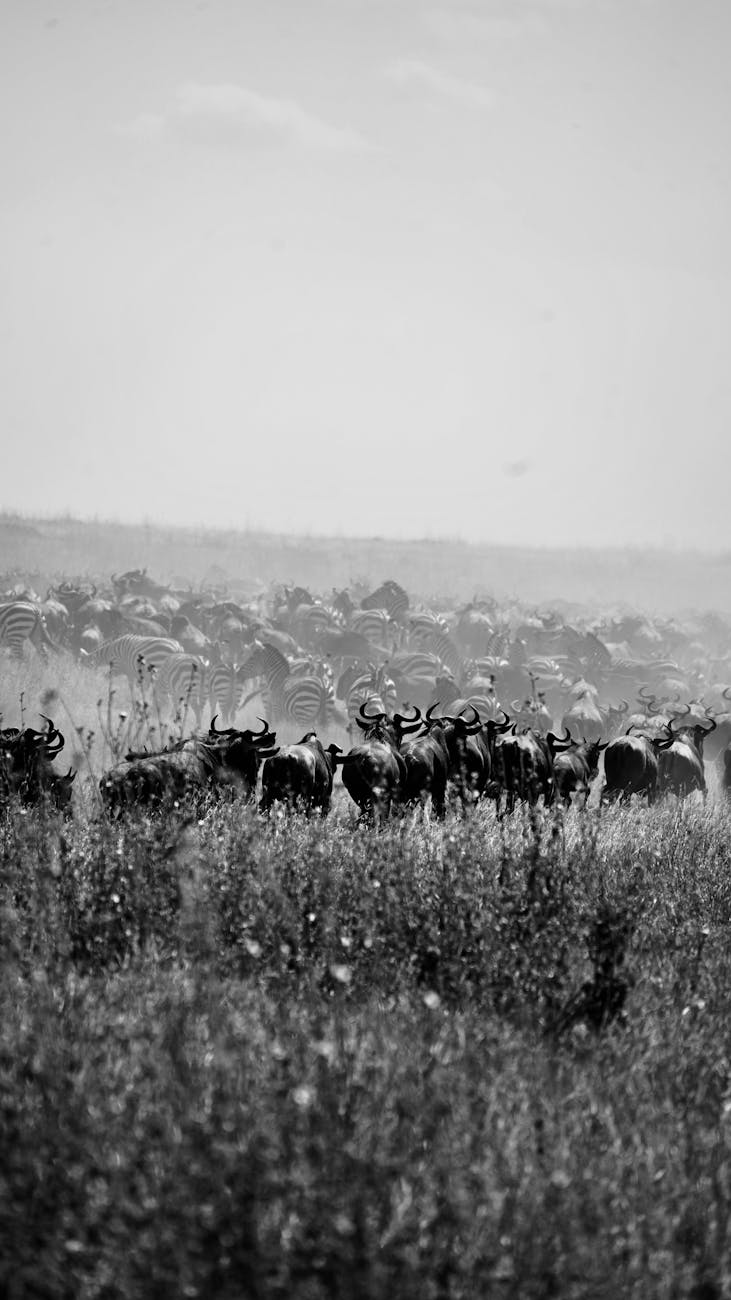
The Serengeti is Tanzania's most famous park. Over 2 million wildebeest and zebra migrate through here annually, following the rains in a continuous loop.
The best time for wildlife viewing is the dry season, June through October. Animals congregate near rivers and waterholes. Predators are easier to spot.
River crossings happen July-August in the northern Serengeti. Thousands of wildebeest plunge into the Mara River. Crocodiles wait. It's dramatic, raw nature.
Calving season is January-February in the southern Serengeti. Half a million wildebeest are born within weeks. Predators follow the newborns.
Hot-air balloon safaris launch at dawn. You float silently over herds of elephants, giraffes, and buffalo. It's expensive—around $500-600 per person—but unforgettable.
Kilimanjaro rises 5,895 meters above sea level. It's Africa's tallest mountain and one of the world's most accessible high-altitude climbs—no technical skills required.
Most routes take 5-7 days. Machame Route is scenic and popular. Marangu Route has huts instead of tents. Lemosho Route offers better acclimatization.
The best climbing months are January-March and September-October. Weather is drier, visibility is clearer, and success rates are higher.
Altitude sickness is the main challenge. About 65% of climbers reach the summit. Going slowly and hydrating constantly helps.
At the summit—Uhuru Peak—you stand on the Roof of Africa. Glaciers cling to the volcanic cone. Tanzania stretches below. The sunrise is worth every difficult step.
Zanzibar sits in the Indian Ocean, 25km off Tanzania's coast. Stone Town, the historic capital, is a UNESCO World Heritage Site with Arab, Persian, and Swahili influences.
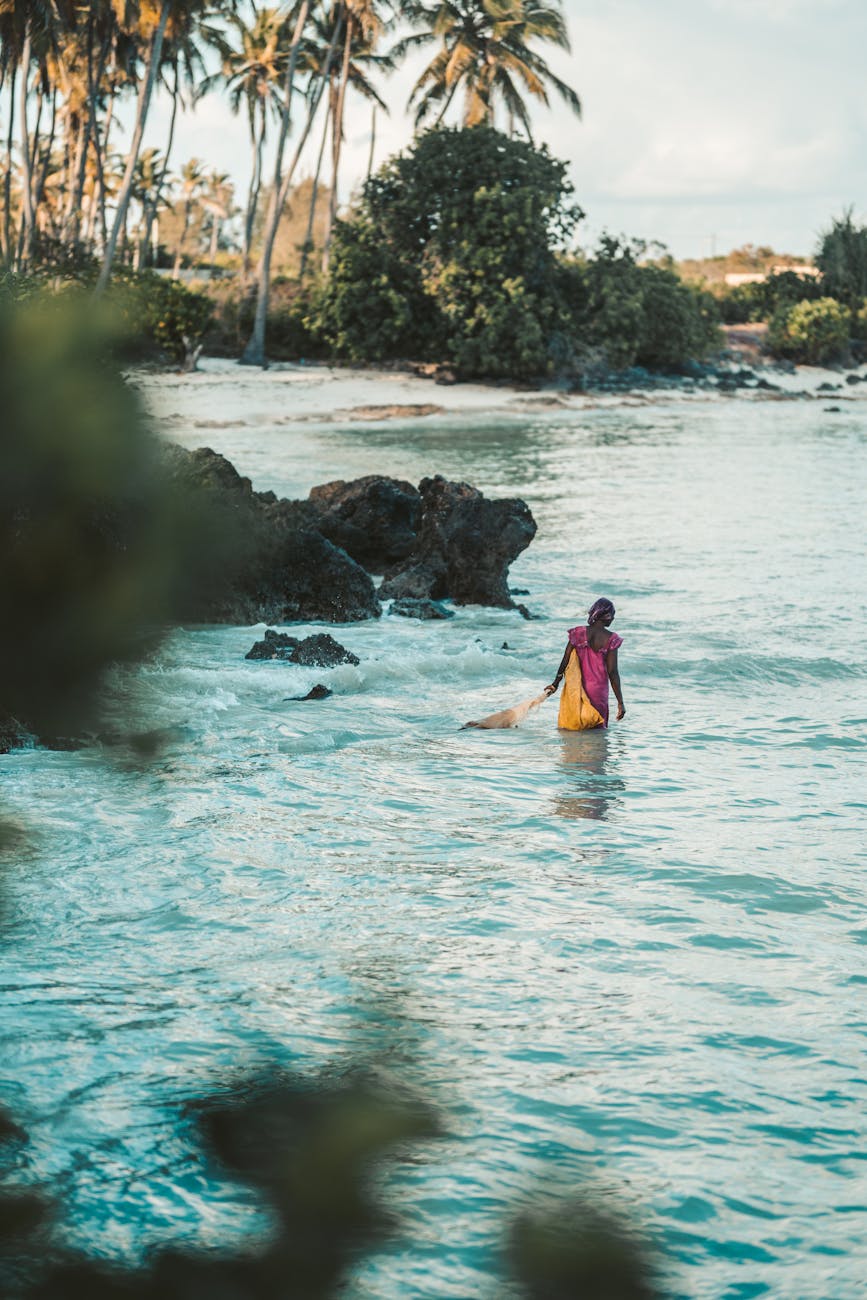
The beaches are spectacular. Nungwi and Kendwa in the north have calm, turquoise water year-round. Paje and Jambiani on the east coast offer powder-white sand and kitesurfing.
Snorkeling and diving are excellent. Mnemba Atoll has coral reefs, sea turtles, and dolphin pods. Visibility is best June through October.
Spice tours take you through plantations growing cloves, cinnamon, vanilla, and nutmeg. Zanzibar was once the world's largest clove producer.
The best time to visit is June-October (dry season) or January-February (short dry season). March-May brings heavy rains.
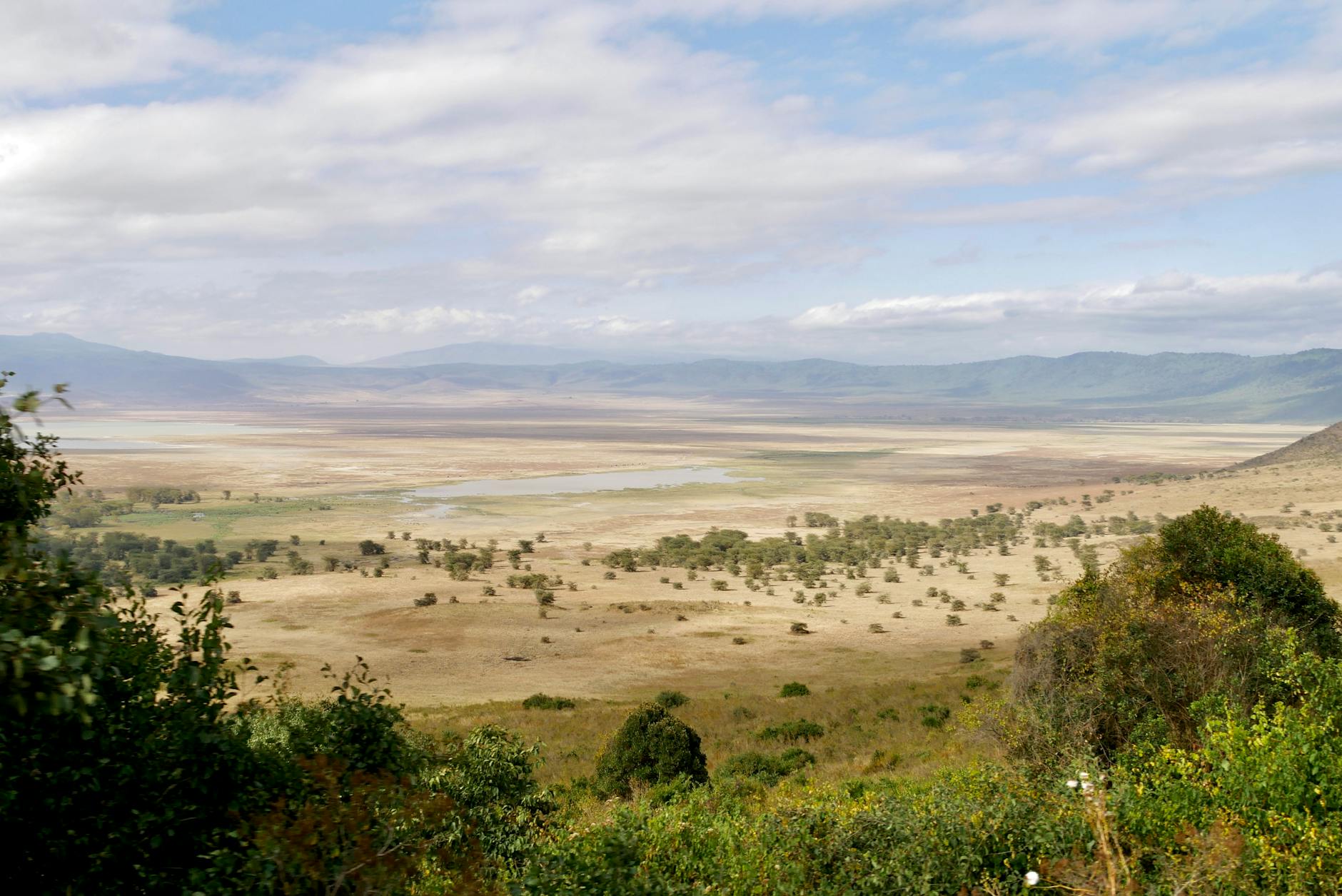
Ngorongoro Crater is a collapsed volcanic caldera, 600 meters deep and 260 square kilometers wide. It's home to over 25,000 large animals.
The Big Five—lion, leopard, elephant, buffalo, and the rare black rhino—all live within the crater. It's one of the best places in Africa to see rhinos.
The crater floor has grasslands, swamps, and forests. Flamingos gather at Lake Magadi. Hippos wallow in pools. Lions rest in the shade.
Game drives descend into the crater early morning. The concentration of wildlife is extraordinary. You'll see more animals here in a few hours than most parks show in days.
The Maasai people graze cattle on the crater rim. Their traditional red shukas and beaded jewelry are iconic. Cultural visits to Maasai villages can be arranged.