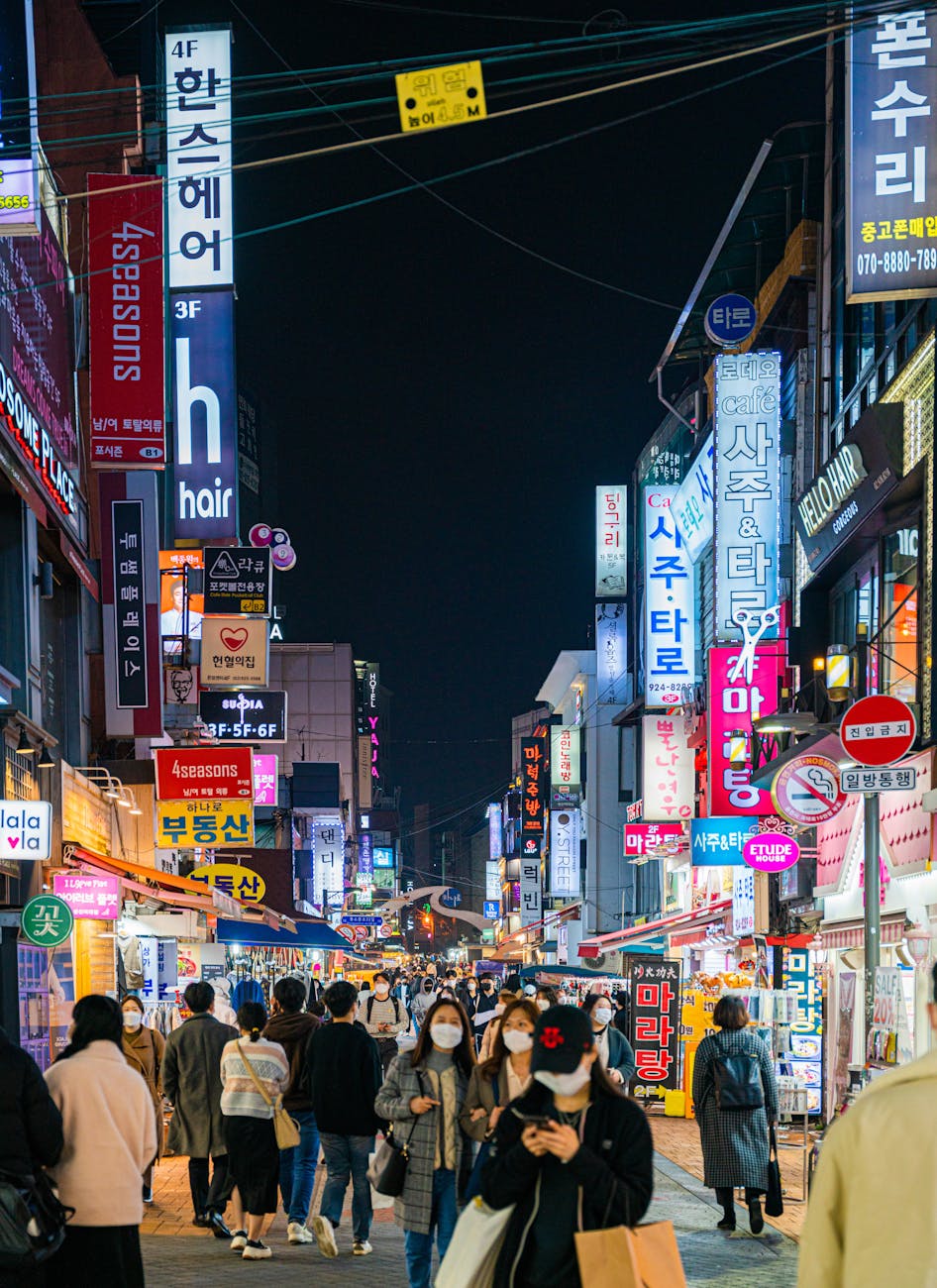
Seoul has 10 million people. Neon everywhere. Gangnam's luxury towers. Hongdae's indie music scene. Itaewon's international flavors.
Gyeongbokgung Palace dominates the north—built 1395, 330 buildings across 410,000 square meters. The changing of the guard happens twice daily. Free entry if you wear hanbok (traditional dress—rental shops everywhere).
Bukchon Hanok Village preserves 900 traditional wooden homes between two palaces. Steep alleys. Hidden tea houses. Instagram-famous photo spots. Visit early morning before tour groups arrive.
Seoul's metro system is spotless, punctual, and covers everywhere. T-money cards work on all public transport. ₩1,400 per ride. English announcements and signage throughout.
Food markets like Gwangjang operate since 1905. Bindaetteok (mung bean pancakes), mayak gimbap (addictive rice rolls), fresh makkeolli (rice wine). Eat at standing counters. ₩5,000-10,000 fills you.
Jeju Island sits south of the mainland. Korea's holiday destination. Volcanic landscapes. Black sand beaches. Jeju City has the airport and hotels.
Hallasan dominates the center—1,950m volcano, highest peak in South Korea. The trail to the summit takes 4-5 hours. Crater lake at top. UNESCO World Heritage site.
Seongsan Ilchulbong (Sunrise Peak) erupted 5,000 years ago. Now a tuff cone with hiking trails. Sunrise views justify the name. ₩5,000 entry.
Jeju's haenyeo are women free-divers—harvest seafood without oxygen tanks, sometimes to 10m depth. UNESCO Intangible Cultural Heritage. Watch them work at Seongsan pier.
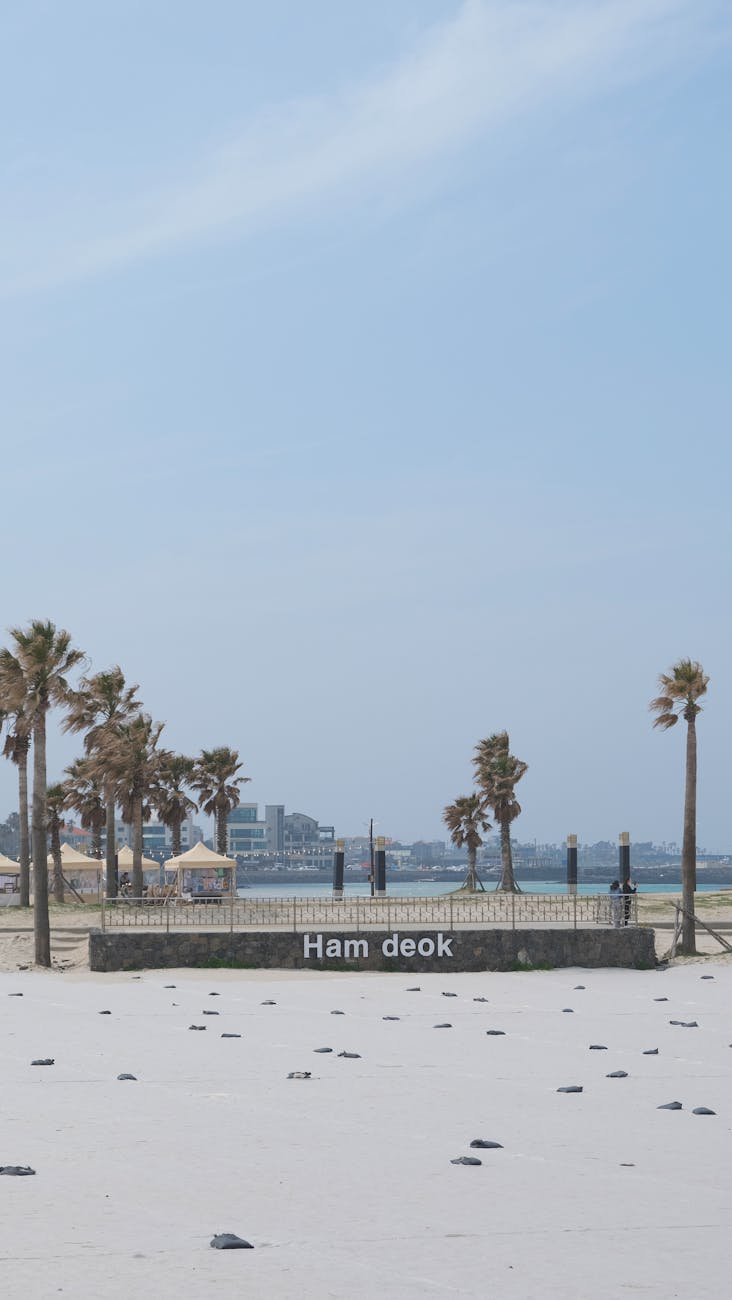
Beaches like Hyeopjae and Hamdeok have white-turquoise water rare in Korea. Summer gets crowded. Spring and autumn offer better value and space.
Busan anchors the southeast coast. 3.4 million people. Korea's main port. More relaxed than Seoul.
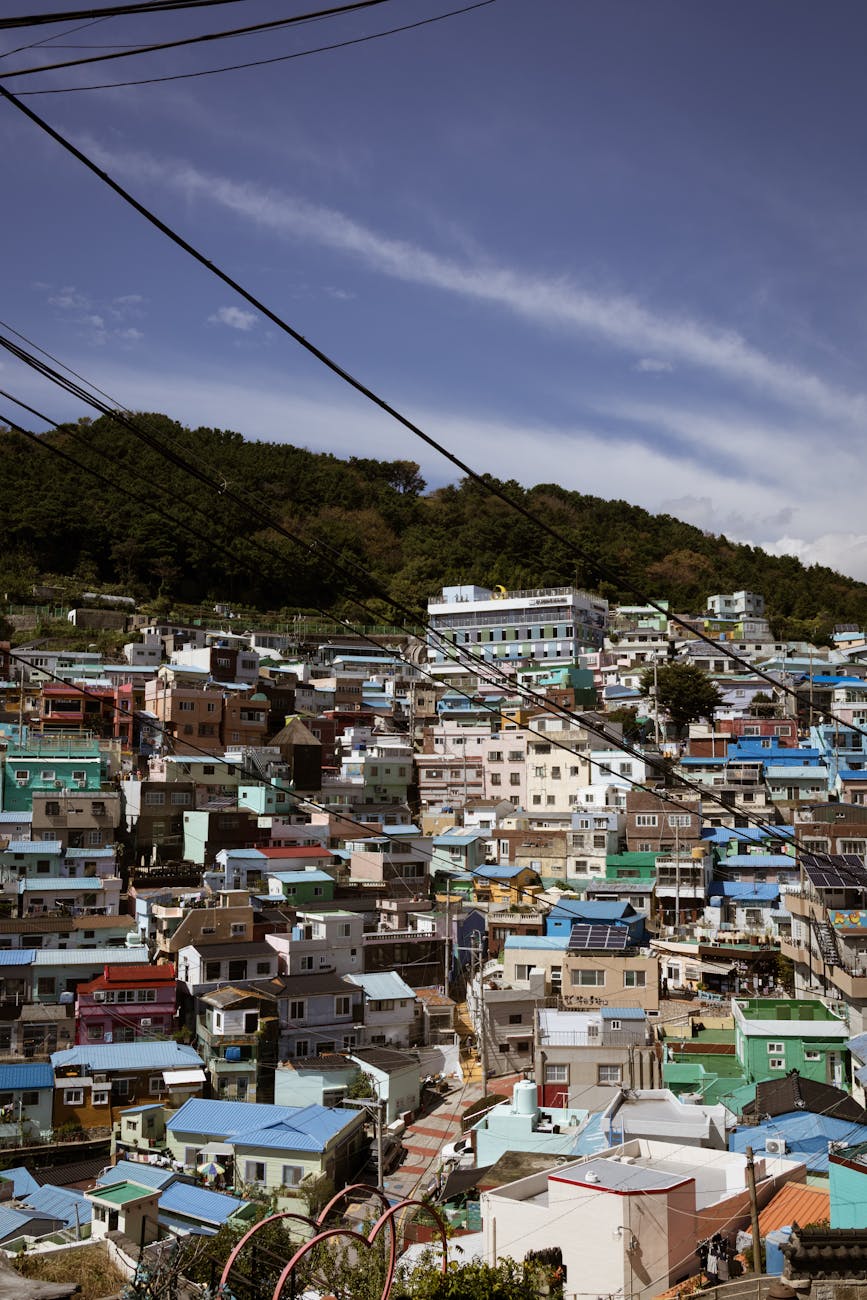
Gamcheon Culture Village clings to hillside—pastel houses, narrow stairs, street art. Originally refugee settlement post-Korean War. Now tourist attraction but residents still live there.
Haedong Yonggungsa Temple sits on coastal cliffs. Built 1376. Sunrise views over the sea. Rare—most Korean temples hide in mountains.
Jagalchi Fish Market is Korea's largest seafood market. Buy live octopus, sea squirt, crab. Vendors cook it upstairs. Fresh and affordable.
Haeundae Beach stretches 1.5km. High-rise backdrop. Crowded in summer. The KTX from Seoul takes 2.5 hours—₩59,800 economy class.
The Korean Demilitarized Zone divides North and South—4km buffer zone, 250km long. Heavily militarized despite the name.
Tours from Seoul cost ₩45,000-75,000. You need passport. Photography restricted. The 3rd Infiltration Tunnel goes 73m underground—North Korean soldiers dug it to invade Seoul.
Dora Observatory offers binoculars pointed at North Korea. You can see Kaesong city on clear days. Eerie silence. Military everywhere.
Panmunjom Joint Security Area tours remain suspended since late 2019. The blue buildings straddling the border—famous from photos—currently off-limits.
Tours are surreal. You're standing meters from one of the world's most hostile borders. Then you're back in Seoul eating fried chicken hours later.