
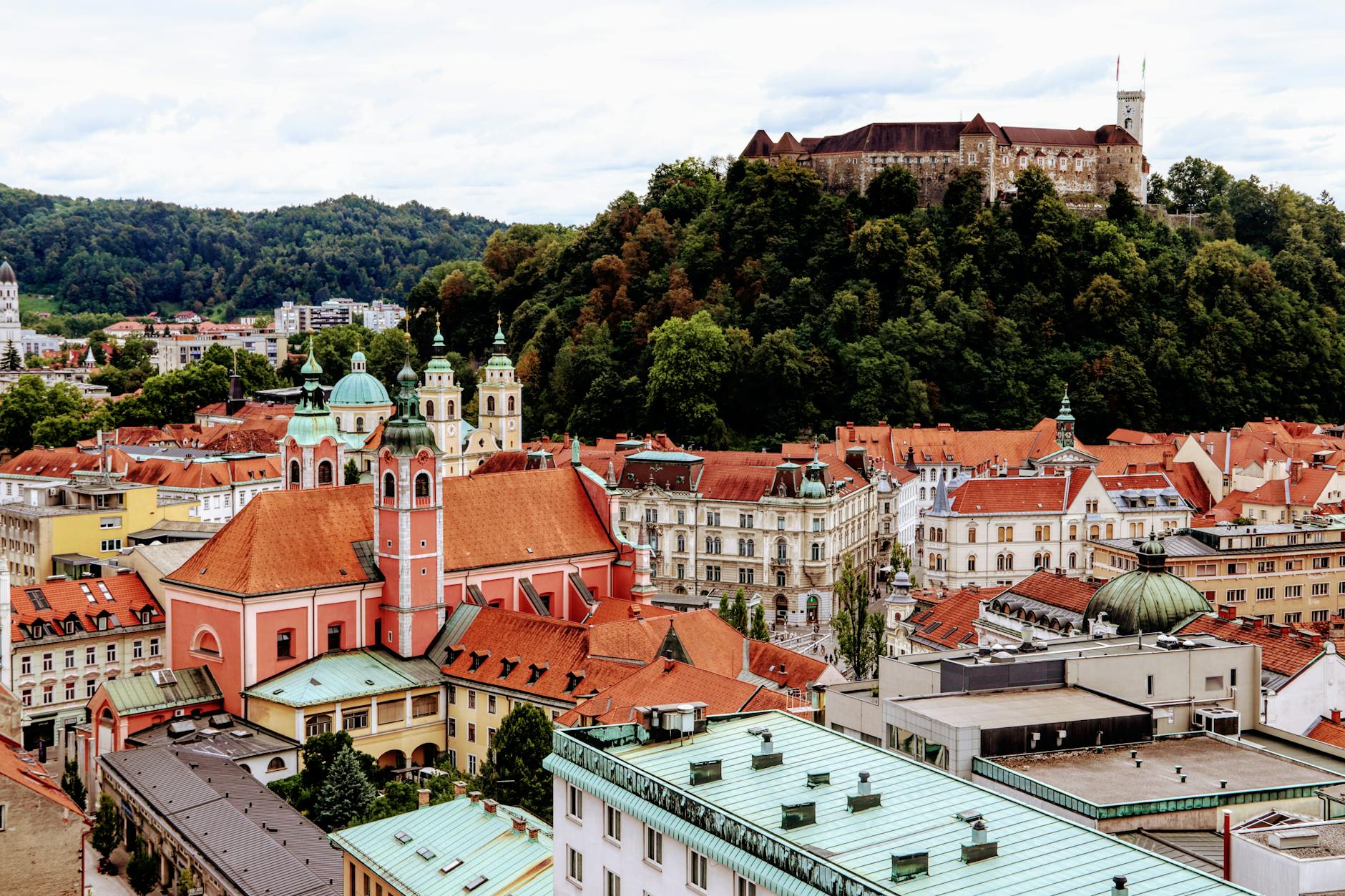
Ljubljana is one of Europe's smallest capitals. Compact. Walkable. Half the city center is car-free.
The Ljubljanica River runs through it. Bridges everywhere—Triple Bridge, Dragon Bridge with bronze dragons. Riverside cafés line both banks.
Ljubljana Castle sits on a hill above the old town. You can walk up or take the funicular. From the tower, the whole city spreads out—terracotta roofs, green hills, distant Alps.
The architecture mixes Baroque and Art Nouveau. Architect Jože Plečnik left his mark everywhere—his designs define the city's character.
Ljubljana was European Green Capital in 2016. Over half the city is green space. It feels more like a town than a capital.
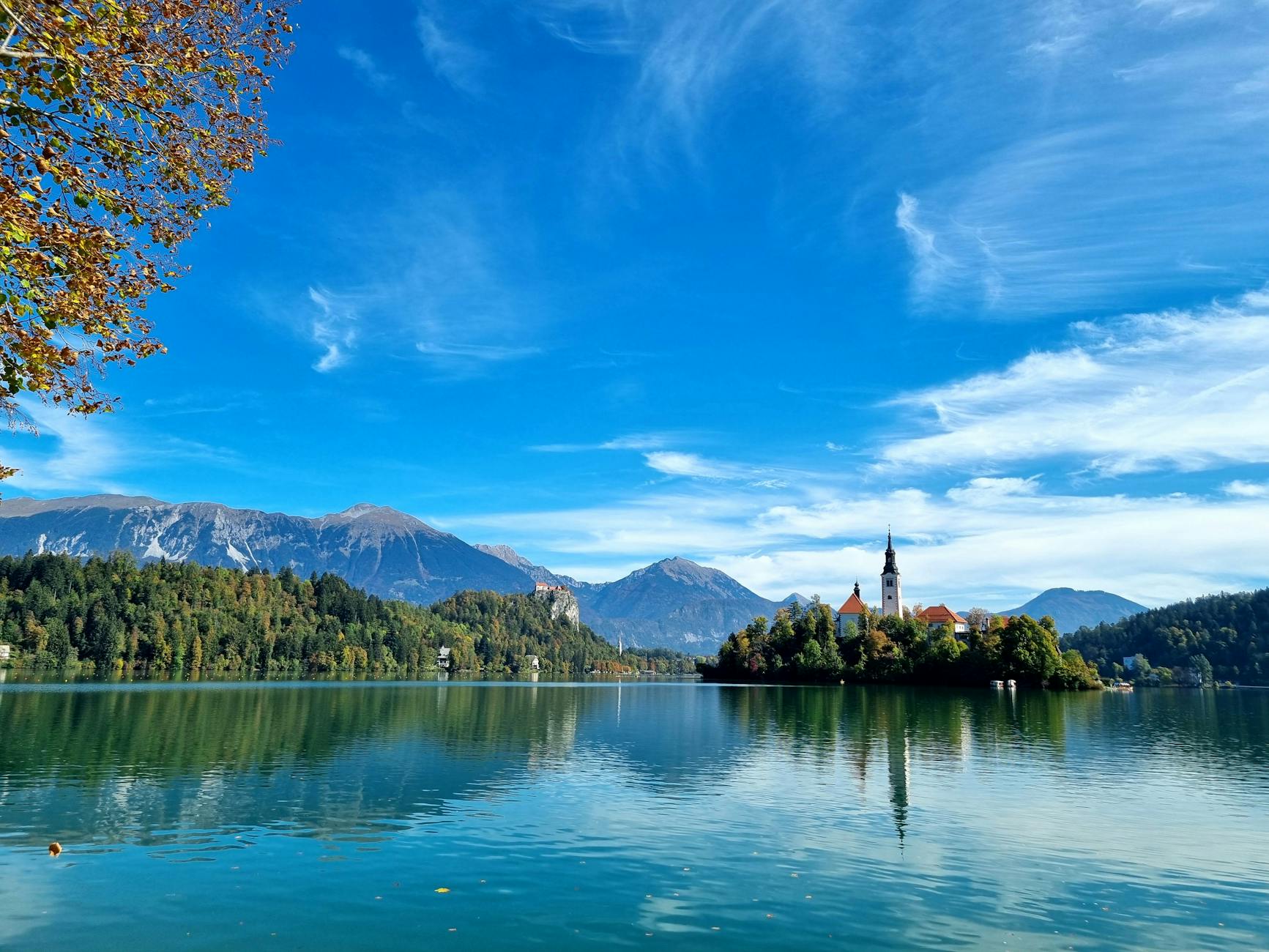
Lake Bled is Slovenia's most visited spot. The lake measures 2km by 1.4km, surrounded by mountains and forests.
Bled Island sits in the middle—the only island in Slovenia. A baroque church tops it. Traditional wooden boats (pletnas) row visitors across. 99 steps climb to the church. Ring the bell for good luck.
Bled Castle clings to a 100m cliff above the lake. It's medieval. Views from up there are exceptional—lake, island, Alps.
Cream cake (kremšnita) is the local specialty. The Park Hotel's been making it since 1953. Layers of vanilla cream, custard, puff pastry. It's rich. It's worth it.
Vintgar Gorge is 4km away—wooden walkways follow the Radovna River through narrow rock walls. Easy walk. Beautiful scenery.
Postojna Cave is one of the world's largest karst cave systems. The world's first cave railway—operating since 1872—takes you 3.7km underground.
The formations are impressive. Stalactites hang from ceilings. Stalagmites rise from floors. The Brilliant passage has white calcite formations that sparkle.
Olm salamanders live in these caves. They're pale pink, blind, and can live 100 years. Locals call them "human fish" or "baby dragons." This is the only place you'll see them in nature.
Predjama Castle sits 9km away—built into a 123m cliff face. It's half castle, half cave. Secret tunnels run through the rock. A knight used them to smuggle supplies during a siege.
Slovenia is riddled with caves—over 10,000 registered. Postojna and nearby Škocjan Caves (UNESCO-listed) are the most spectacular.
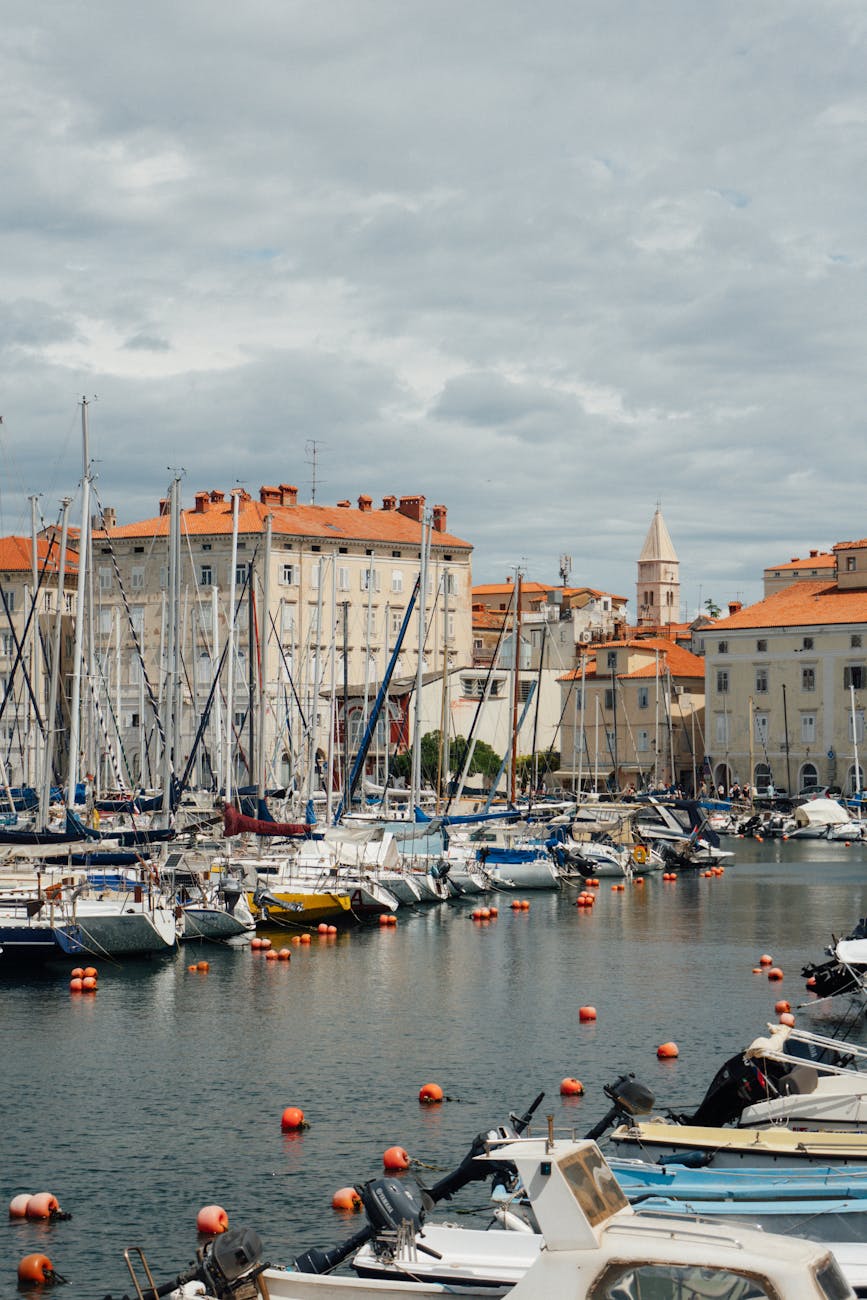
Slovenia has just 47km of Adriatic coastline. Piran is the prettiest town on it.
The old town is Venetian—narrow streets, Tartini Square with marble paving, Gothic architecture. Climb the cathedral bell tower (46.5m) for views over terracotta roofs to the sea.
The town is officially bilingual—Slovenian and Italian. You'll hear both. Restaurants serve excellent seafood—fresh from the Adriatic.
Piran is pedestrian-only. Population: 4,000. It gets busy in July and August. Visit in June or September for fewer crowds.
The coast here is pebble beaches, not sand. Water is clean. Summer temperatures reach 25°C (air) and 24°C (sea).