
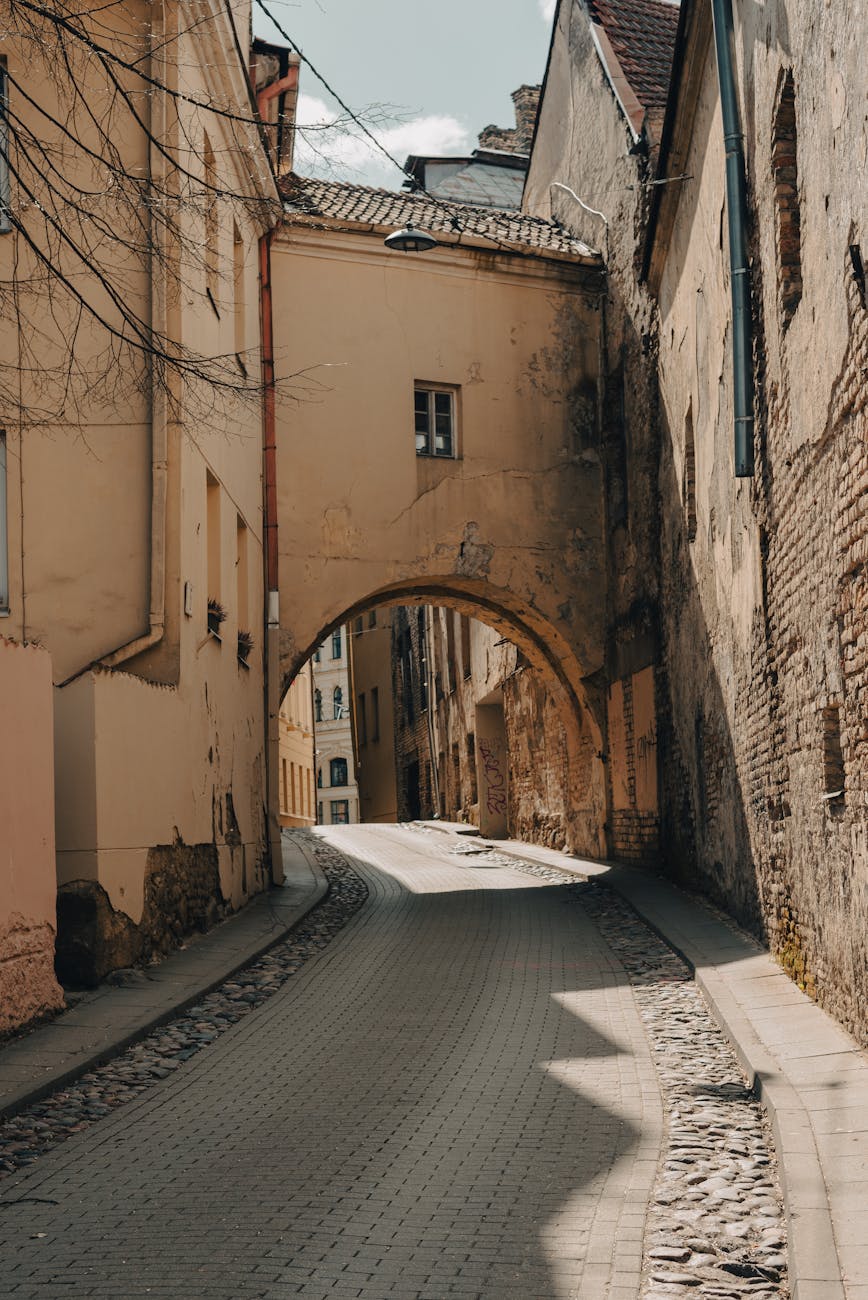
Vilnius Old Town earned UNESCO status for good reason. The baroque architecture here is unmatched in Eastern Europe.
St Anne's Church shows brick Gothic perfection. Vilnius Cathedral anchors the main square. The Palace of the Grand Dukes recreates medieval royal power.
Užupis is Vilnius's creative district. Artists, cafes, galleries. It declared itself an independent republic in 1997. Tongue firmly in cheek. The constitution hangs on street walls in multiple languages.
Jewish heritage runs deep. Vilnius was called "Jerusalem of the North" before WWII. The old Jewish quarter and museums tell this complex story.
The city works well on foot. Compact. Walkable. Cafes appear in unexpected courtyards. Architecture surprises at every corner.
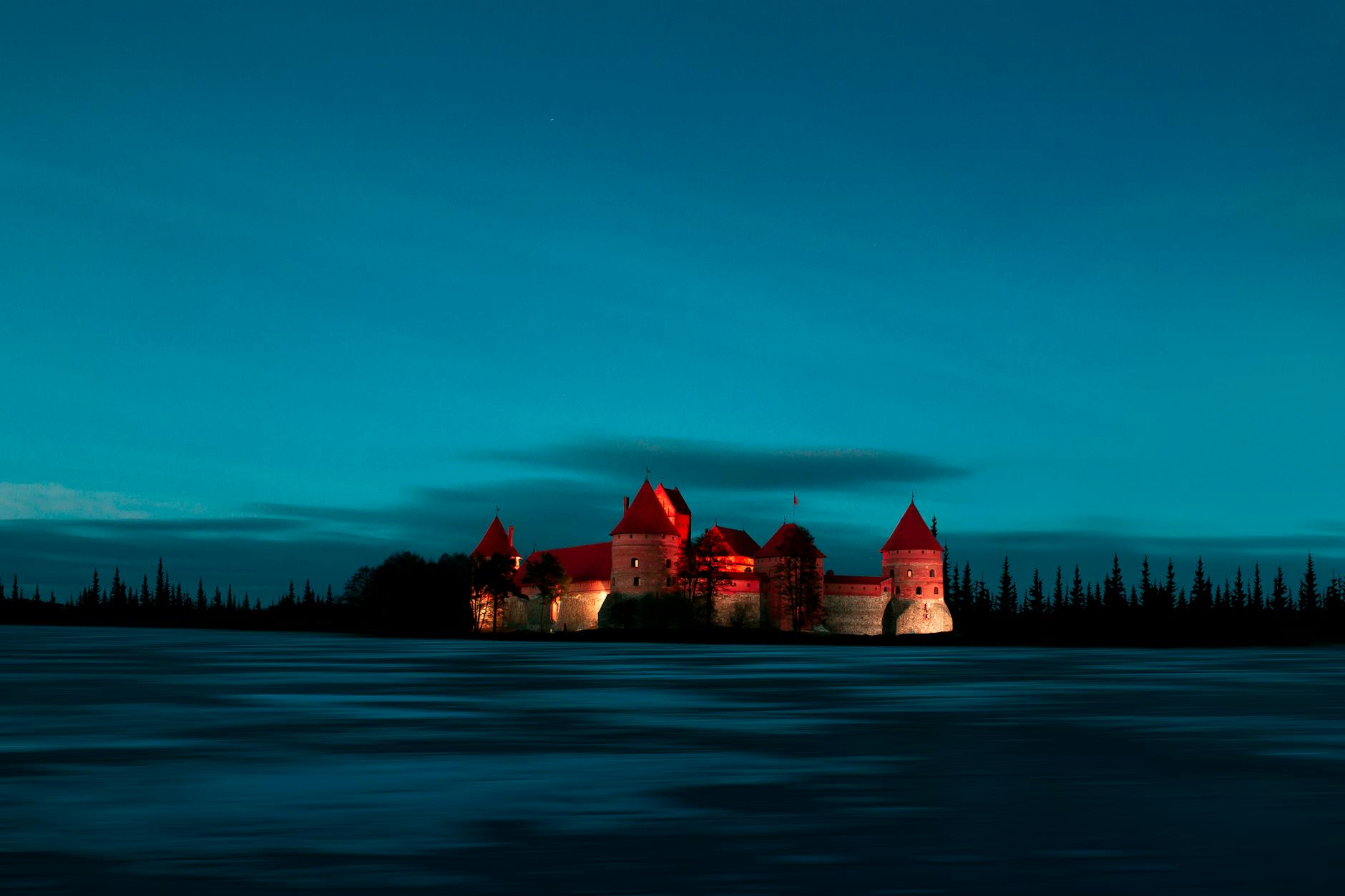
Trakai Castle sits on an island in Lake Galvė. Built in the 14th-15th centuries, it's Eastern Europe's only island castle.
The Gothic brick structure houses a museum with medieval weapons, armor, and exhibits on Lithuanian Grand Dukes. Entrance costs €12 in summer, €10 off-season.
In summer, medieval festivals and concerts fill the castle courtyard. Winter turns the frozen lake into a natural skating rink.
You can reach Trakai by car (30 minutes from Vilnius), bus, or train. Kayaks and boats offer 360-degree castle views from the water.
It's Lithuania's most photographed site. The view across the water justifies the trip.
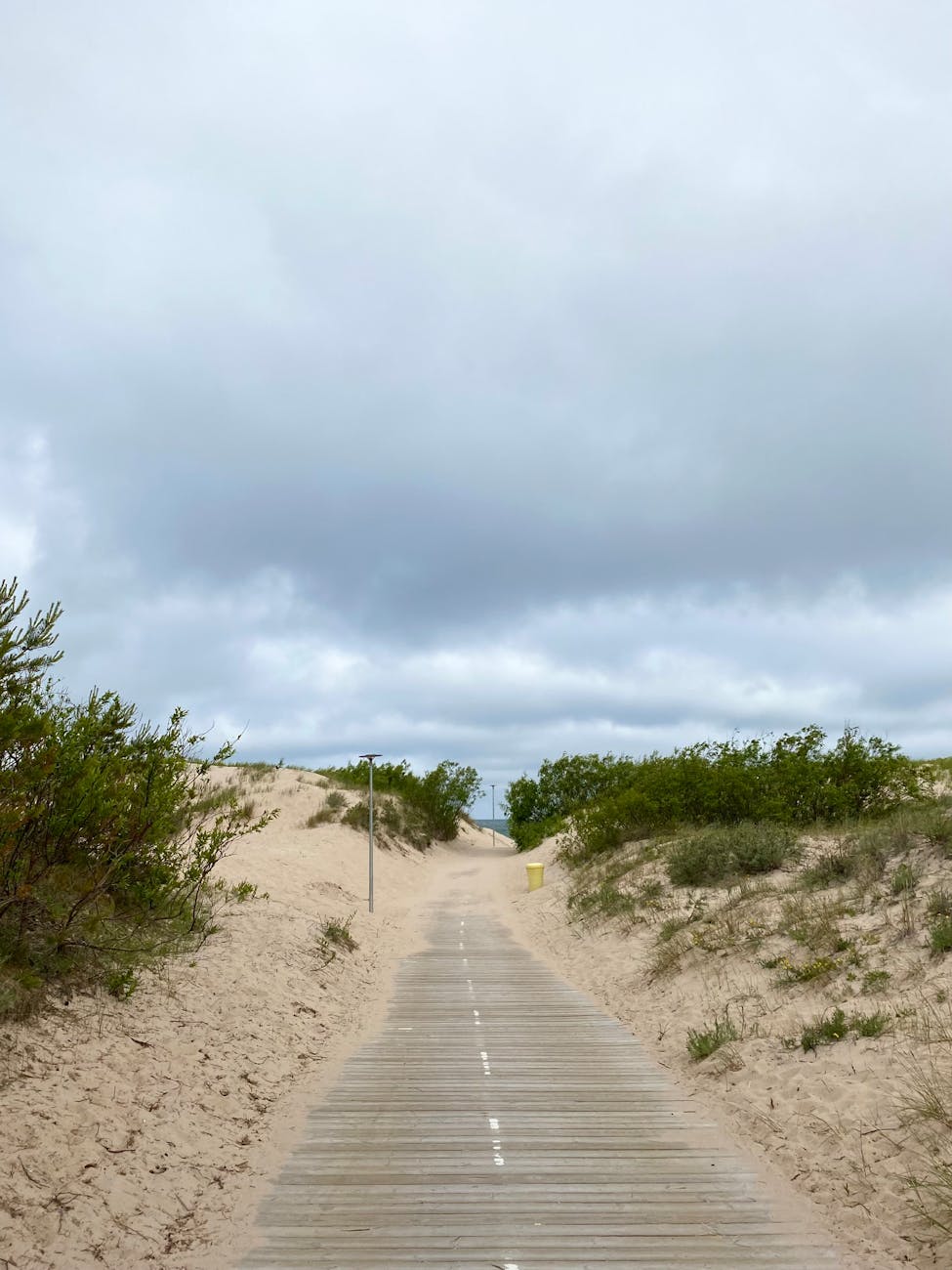
The Curonian Spit stretches 98km between the Baltic Sea and Curonian Lagoon. At its narrowest, just 400 meters of sand separate sea from lagoon.
This UNESCO World Heritage Site protects shifting sand dunes, pine forests, and pristine beaches. Parnidis Dune rises 50 meters above the coastline.
Four fishing villages dot the spit—Nida, Juodkrantė, Preila, Pervalka. Colorful fishermen's houses. Quiet roads. A single 50km highway connects them.
Activities include cycling the EuroVelo 10 path, hiking dunes, swimming on white-sand beaches, and birdwatching during migration seasons.
Regular ferries run from Klaipėda port. The spit attracts 400,000 visitors annually who come for nature, silence, and endless sand.
Cepelinai—potato dumplings shaped like zeppelins—are Lithuania's national dish. Filled with ground meat and served with sour cream and bacon bits.
Traditional Lithuanian restaurants serve cepelinai as Sunday lunch staple. They're hearty, filling, designed for cold Baltic winters.
Lithuanian beer culture rivals neighboring countries. Local breweries produce excellent craft beers. Dark rye bread accompanies most meals.
Soviet history remains visible—monuments, architecture, even food influences. Museums and tours explore this complex recent past.
Lithuania balances medieval castles with modern European capital life. History layers everywhere you look.