
Grand Anse Beach is the centrepiece — a two-mile arc of white sand on Grenada's southwest coast, sheltered by hills and backed by a row of hotels ranging from boutique to all-inclusive. The water is warm, calm, and translucent. Pelicans patrol the shore. It rarely gets crowded by Caribbean standards.
The Spice Island Beach Resort sits at the northern end — one of the Caribbean's great boutique hotels, on the beach, genuinely luxurious. Further along, the Calabash Hotel has held Relais & Châteaux status for decades. Both are the kind of properties that make other islands envious.
Magazine Beach and Mourne Rouge (BBC Beach) are quieter alternatives — fewer hotels, more locals, calmer water. Pink Gin Beach, home to Sandals Grenada, catches the afternoon light particularly well. The entire southern coast has that rare quality of feeling both beautiful and genuinely relaxed.
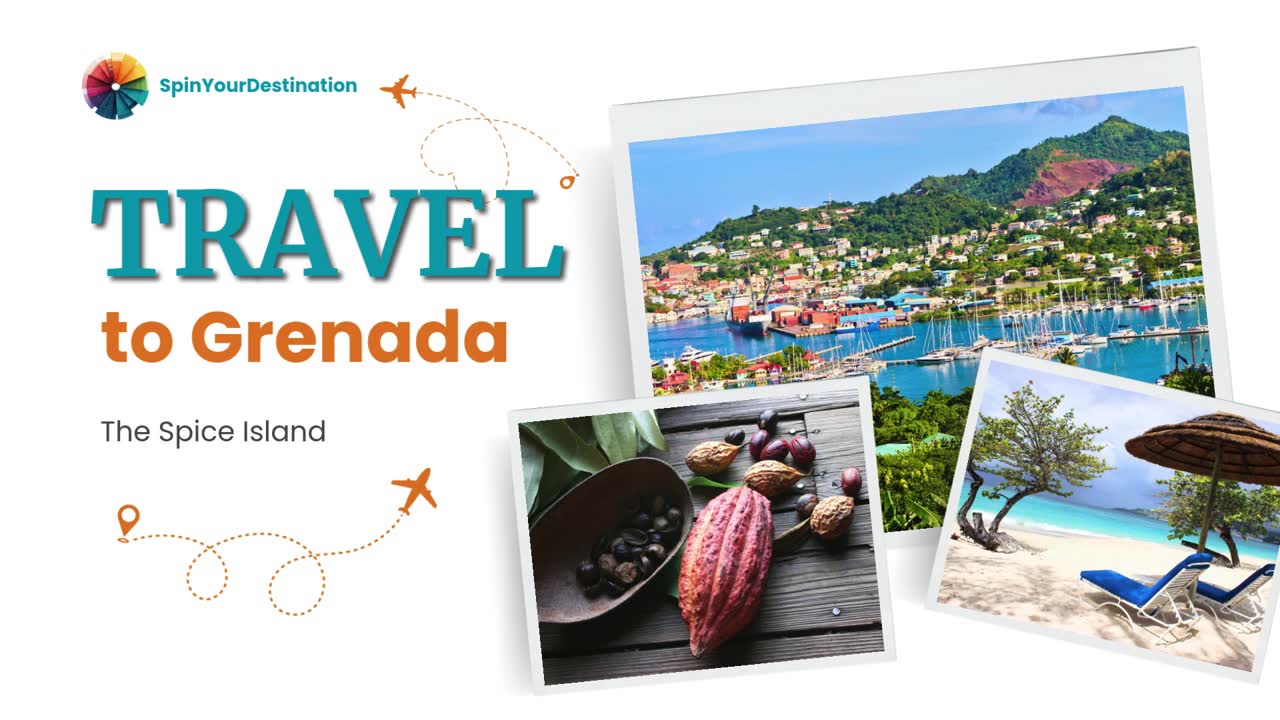
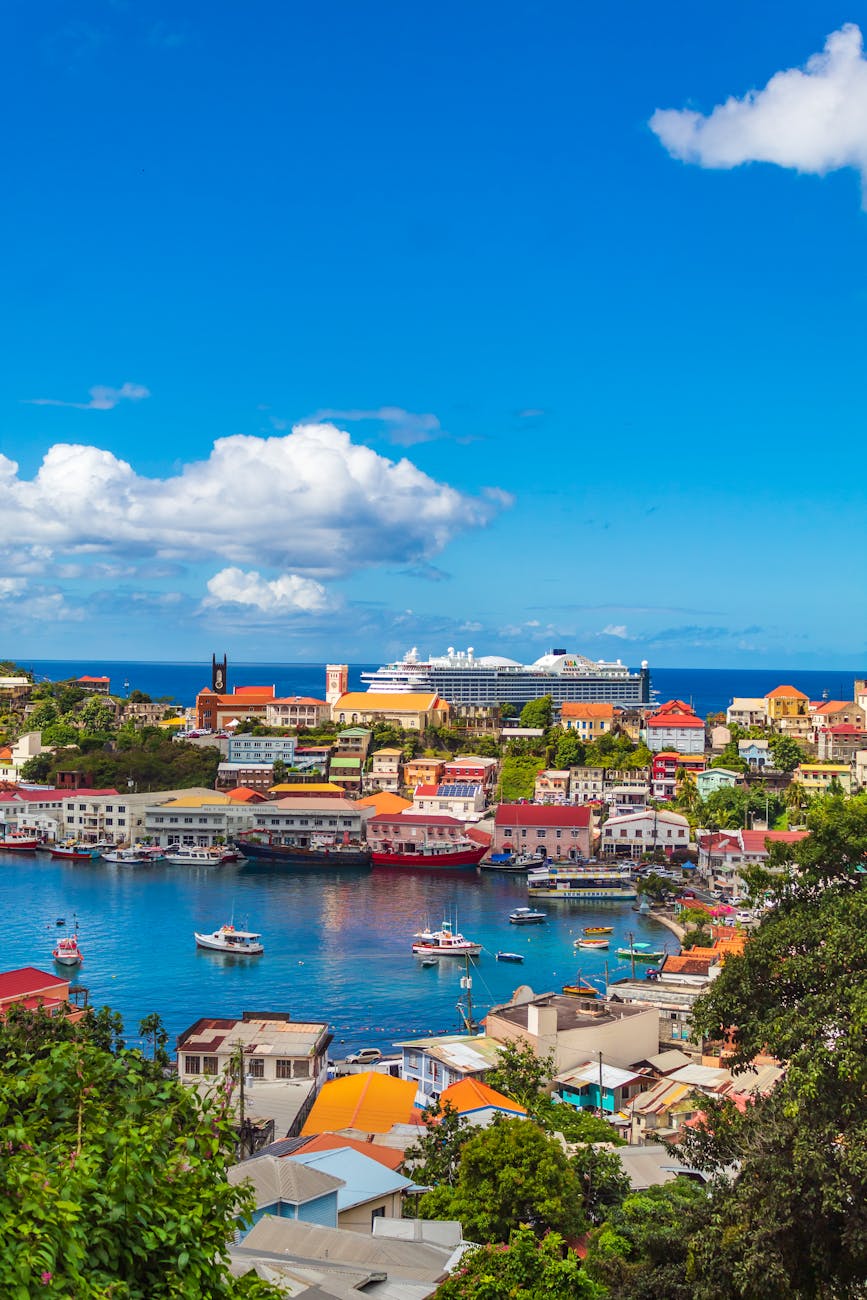
St. George's, the capital, is 10 minutes north by taxi. The Carenage — an inner harbour lined with Georgian colonial buildings painted in red, yellow, and terracotta — is one of the Caribbean's most photogenic working harbours. Schooners and fishing boats bob alongside the quay. Sails Restaurant & Bar overlooks the water from the dock.
The drive between Grand Anse and St. George's passes the Molinere peninsula. Below the surface here sit over 65 concrete sculptures — the Molinere Underwater Sculpture Park, created by British artist Jason deCaires Taylor in 2006 and listed by National Geographic as one of the 25 Wonders of the World.
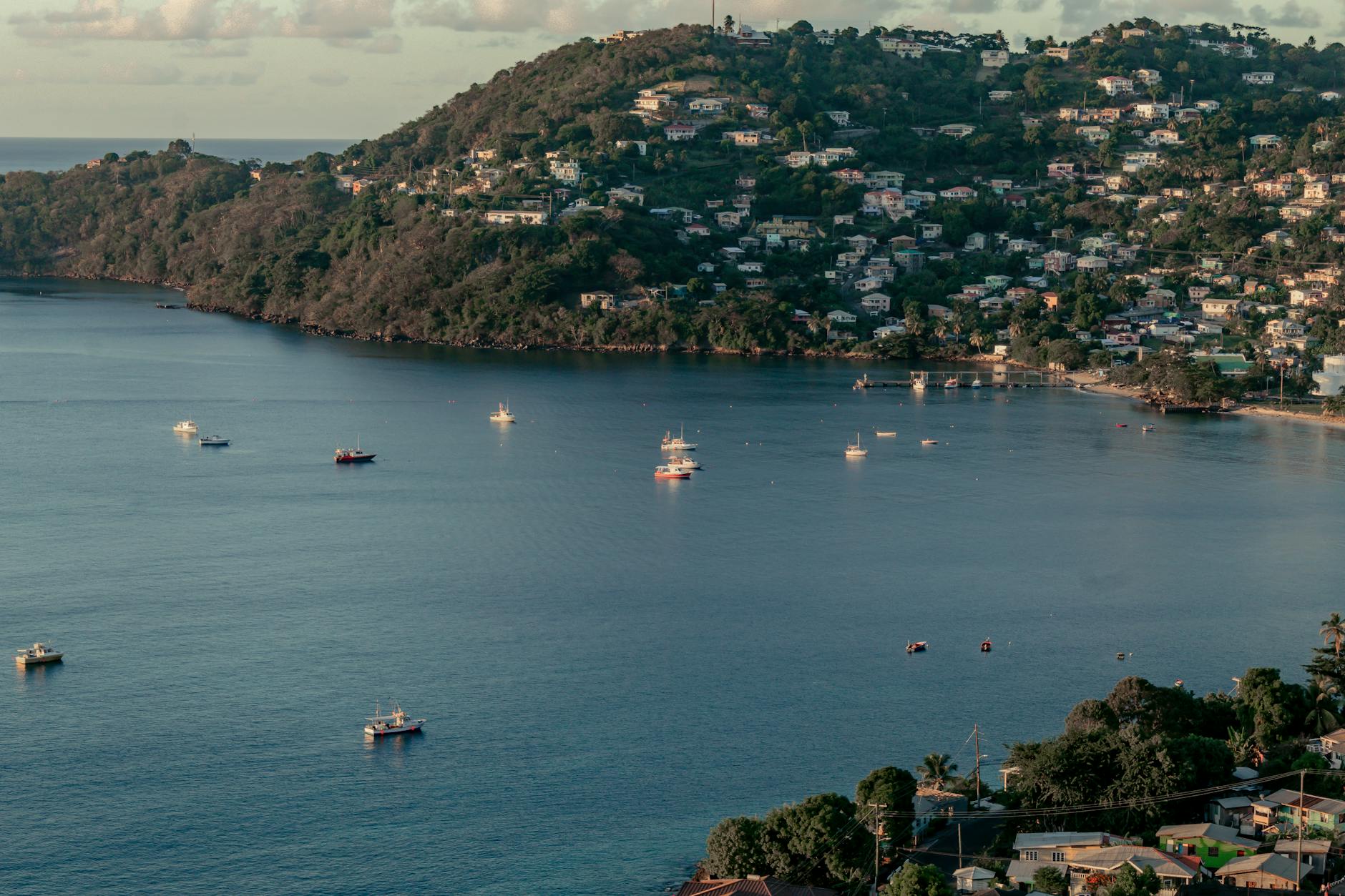
Grenada's interior is dramatically green and mountainous. Grand Etang National Park covers the central highlands — a volcanic crater lake surrounded by cloud forest, tree ferns, and Mona monkeys that approach visitors on the hiking trails. The lake sits at 530 metres above sea level.
Seven Sisters Falls is the marquee hike — a two-hour trail through the rainforest leads to a cascade of seven tiers where you can swim in natural pools. The path is slippery in places, genuinely beautiful throughout. Most visitors are accompanied by local guides who know exactly which monkeys to expect where.
Concord Falls offers three waterfalls at increasing difficulty — the first is a 10-minute walk, the third requires a proper two-hour hike through cocoa plantations and giant bamboo groves. The cocoa trees tell you exactly why Grenada chocolate is so highly regarded in Europe.
Mount Qua Qua rises to 732 metres and offers views across both coasts on clear days. The trail from Grand Etang lake takes about 90 minutes. Experienced hikers continue to the Morne Fédon ridge — a longer, more demanding route through truly wild interior jungle.
River tubing on the Balthazar River has become one of Grenada's most popular activities — floating downstream through the rainforest with your guide, stopping to swim in pools, climbing rocks, generally losing track of time in the most pleasant way possible.
Grenada is the Spice Island — nutmeg, mace, cinnamon, cloves, ginger, turmeric all grow here. The Dougaldston Spice Estate in the northwest and the Grenada Cooperative Nutmeg Association in Gouyave process the harvest that accounts for a significant portion of global nutmeg supply. Both offer tours.
Belmont Estate in the north of the island is a 17th-century working plantation still producing organic cocoa, coffee, and tropical fruit. The heritage tour takes you through the drying tables, fermentation boxes, and tasting rooms. The estate restaurant serves Creole lunch — callaloo soup, oil-down, stewed goat — in a genuinely beautiful setting.
The River Antoine Estate Rum Distillery has operated since 1785 using a water-powered mill — the oldest functioning water-powered rum distillery in the Caribbean. Tours run through the week, the rum is fierce (138 proof), and the history is extraordinary. Entry costs around EC$5.
Fort George and Fort Frederick in St. George's offer colonial history from opposing hilltops — one French-built, one British, both offering panoramic views across the harbour and the southern coast. The Grenada National Museum in the old army barracks covers the island's history from Amerindian settlements through the 1983 American intervention.
Grenada's food scene has grown considerably. Chadon Beni in St. George's serves modern Caribbean cooking to a local crowd. Cilantro in Grand Anse does Latin-Caribbean fusion. The Carenage's fish vendors and the market in St. George's are the places to eat oildown — the national dish, a breadfruit and saltfish stew cooked in coconut milk that tells you everything about the island's culinary soul.
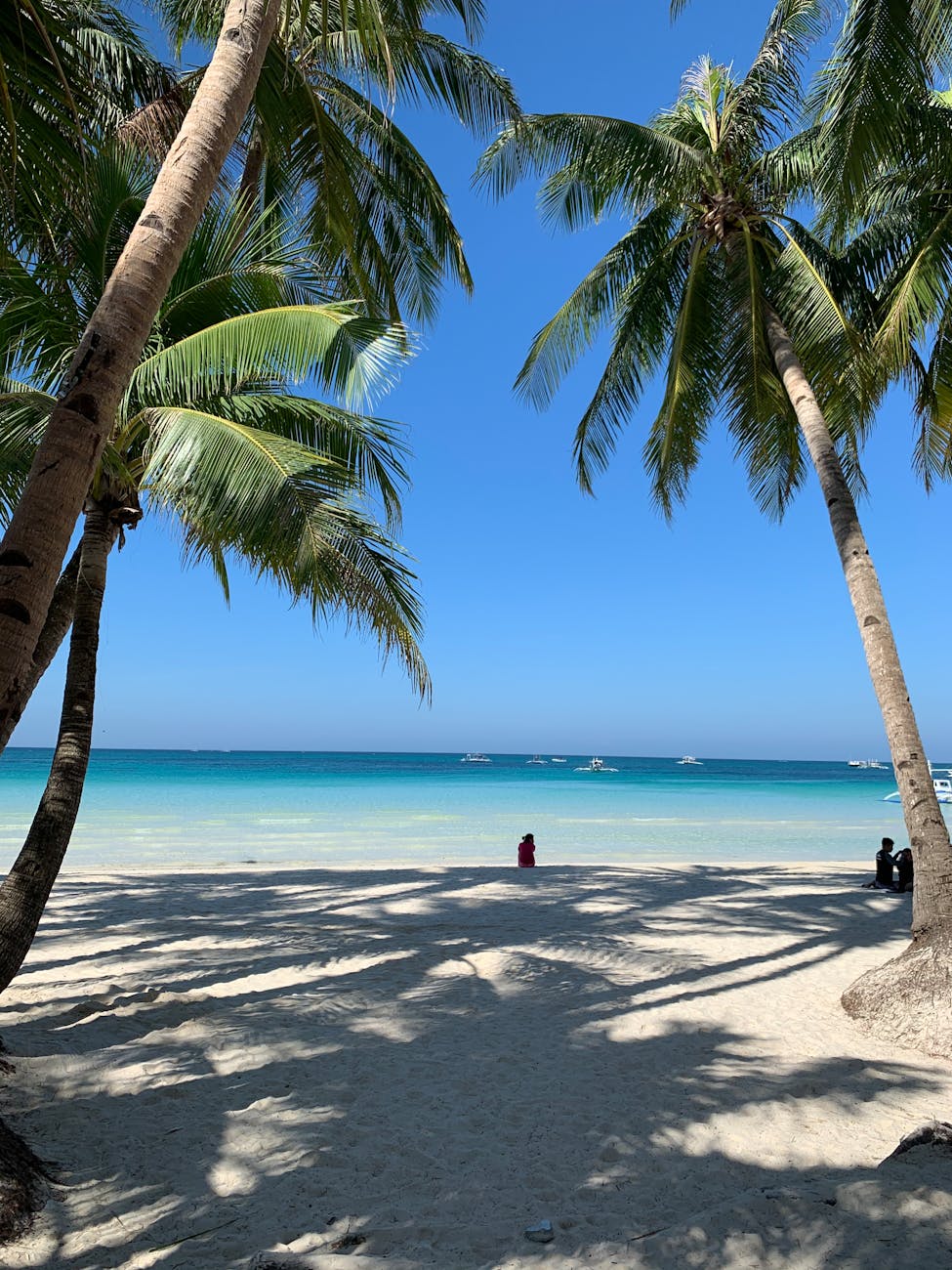
Grenada is technically a tri-island nation. Carriacou, 37km to the northeast, is smaller, quieter, and in many ways more authentically Caribbean — wooden boat-building tradition intact, Carnival culture strong, beaches like Paradise Beach at L'Esterre Bay largely uncommercialized.
The Osprey ferry from St. George's takes 90 minutes to Carriacou's Hillsborough. The island has no traffic lights, minimal tourism infrastructure, and an absolute commitment to doing things its own way. In 2024, artist Jason deCaires Taylor added 30 boat sculptures near Carriacou — "A World Adrift" — extending the underwater art project from the mainland.
Petite Martinique is smaller still — just 900 people, a single hill, and a legendary reputation for smuggling that locals discuss cheerfully with visitors. Day trips from Carriacou are easy and the snorkelling in the surrounding waters is exceptional.
Grenada's best season runs December to April — dry, warm, and with reliable trade winds keeping the heat manageable. Hurricane season is June to November (peak August to October), though Grenada sits south of the main hurricane belt and has largely avoided direct hits compared to islands further north.