
Fun & Social Uruguay
Your complete guide to Uruguay's nightlife, Carnival, beach parties, and social scene
Midnight. The restaurant on Bulevar España is still taking reservations. Down the street, a murga rehearsal is audible through a first-floor window — drums, voices, laughter. A group of friends passes with a thermos of mate and no particular destination. This is how Uruguay socialises: late, warm, and without hurry.
Uruguay has a social culture built around gathering rather than consuming. The asado is four hours of conversation as much as food. The Carnival is 40 nights of community theatre. The beach clubs of Punta del Este are where South America's most glamorous summer happens. And the wine bars and candombe venues of Montevideo are some of the continent's most genuinely alive social spaces.
Expect nothing to start before 10pm. Expect to stay later than you planned. This is completely normal.
Carnival — South America's longest celebration
Montevideo's Carnival runs 40 days from late January — officially the world's longest Carnival. Unlike Rio's concentrated spectacle, Uruguay's version is spread across the city in neighbourhood venues, street performances, and the main arena at Teatro de Verano in Parque Rodó.
The murga is Uruguay's most distinctive contribution to Carnival — a chorus of 17 singers in elaborate costume performing satirical commentary on politics and society, with call-and-response choruses and a percussive accompaniment of bombo (bass drum), redoblante (snare), and platillos (cymbals). The performances are sophisticated, funny, and deeply Uruguayan. Non-Spanish speakers miss the lyrics but not the energy.
Candombe is the older tradition — African drumming brought to Uruguay by enslaved people, preserved in Montevideo's Afro-Uruguayan communities. During Carnival, cuerda (drumming groups) of 40–80 drummers parade through Barrio Sur and Palermo on Saturday evenings. Free to watch from the footpath, genuinely extraordinary.
Teatro de Verano in Parque Rodó holds the main Carnival competitions — murga, parodistas (variety act), lubolas (Afro-Uruguayan tradition), and revista (dance spectacular). Tickets from UYU 400–1,200. Shows run nightly, usually two different troupes per evening, starting 10pm.
Punta del Este summer — South America's party coast
January and February transform Punta del Este into the most glamorous summer resort in South America. Argentines, Brazilians, and the South American wealthy arrive for six weeks that combine beach, nightlife, art events, and a social scene driven by connection and exclusivity in roughly equal measure.
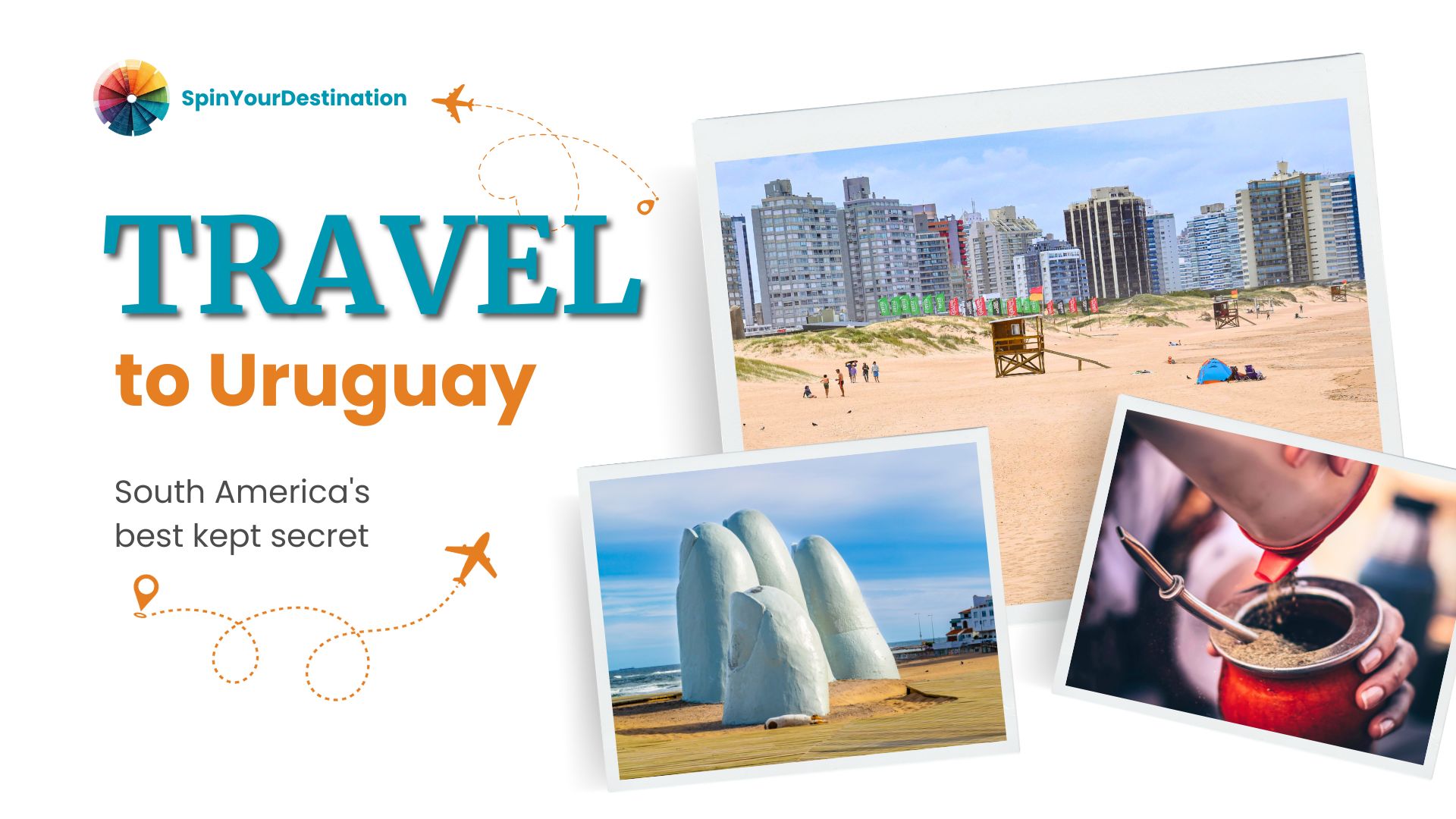
The beach clubs on Playa Brava and Playa Mansa are the daytime social hubs — sunloungers, DJs from noon, cocktails, and the constant movement of people watching each other. Parador La Huella at Playa El Chorro (and its sister venue at Playa Brava) is the most famous: a beach bar-restaurant where the social scene is itself the main attraction. Book tables ahead for lunch and dinner.
Nightlife in Punta del Este doesn't start until midnight. The peninsula has numerous clubs — Gitano, La Barra Club, and the beach clubs that transition from restaurant to party — running until 8 or 9am. The La Barra area, 12km east of Punta, has a younger and more international crowd. José Ignacio hosts more intimate gatherings in private villas.
The Punta del Este Art Season (January–February) brings exhibitions, auctions, and gallery openings to the resort. Casapueblo at Punta Ballena holds its sunset ceremony daily throughout summer — a popular event where the fading light on the white-washed curves of the building is choreographed as a cultural experience.
Montevideo nightlife — the local scene
Montevideo is not a clubbing city in the way Buenos Aires is, but it has a genuinely good bar and live music scene concentrated in Palermo, Barrio Sur, Ciudad Vieja, and Punta Carretas. The pace is distinctly Montevidean — slower, more conversation-focused, with food at the centre.
The wine bar scene has grown significantly over the past decade. Montevideo now has several excellent dedicated wine bars with serious Uruguayan and Argentine lists, knowledgeable staff, and a culture of pairing wine with food. The Palermo and Ciudad Vieja neighbourhoods have the most interesting options.
Live music ranges from tango (still performed regularly, Uruguay and Argentina share the tradition) to jazz, candombe, and popular Uruguayan rock. The AUDEM, La Trastienda, and venues around Ciudad Vieja programme live acts Thursday–Saturday. Check event listings on local social media closer to your visit.
The Mercado Agrícola de Montevideo (MAM) has become a Sunday lunch and social institution — the old market hall fills from noon with Montevideans eating, drinking craft beer, shopping the artisan stalls, and staying for hours. No tourist experience — this is where locals actually spend their Sundays.
Asado culture — the Uruguayan social ritual
No social guide to Uruguay is complete without the asado. This is not a barbecue in any casual sense — it's a multi-hour social event where the parrillero (grill master) tends the fire for as long as it takes, and conversation fills the time. Uruguay has the highest per-capita beef consumption in the world, and the asado reflects this national relationship with meat.
Sunday is asado day. Families gather from early afternoon, the fire is lit well in advance, and the meal unfolds in stages: chorizo and morcilla (blood sausage) first, then ribs and cuts, then costillas, over two to three hours. Wine (Tannat is traditional) and conversation run throughout.
Most hostels and estancias organise asados for their guests — these are the easiest entry point for travellers. The Mercado del Puerto in Montevideo is the public version, where you can experience the full production without a local connection. Worth experiencing both.
🌟 Top Fun & Social Experiences
🏆 Carnival murga & candombe
January–February: 40-day Carnival with murga satire shows nightly at Teatro de Verano (tickets UYU 400–1,200) and free candombe drumming parades through Barrio Sur on Saturday evenings. The free street performances are more authentic than the ticketed shows. More info →
🏈 Parador La Huella — beach club
The most celebrated beach social venue in Uruguay — at Playa El Chorro between La Barra and José Ignacio. Daytime: sun, sand, music. Evening: one of Uruguay's best restaurants. January–February booking essential months ahead. The parador on Playa Brava is more accessible. More info →
🍳 Sunday asado at Mercado del Puerto
Montevideo's famous iron market hall where a dozen parrilla restaurants serve asado over wood fires under one roof. The most sociable lunch setting in Uruguay — tables shared, wine flows, smoke fills the hall. Best Monday–Friday but Sundays have their own energy. More info →
🍻 Casapueblo sunset ceremony
The daily sunset event at Carlos Páez Vilaró's whitewashed clifftop museum at Punta Ballena, 12km from Punta del Este. As the sun drops, the curves of the white building are lit against the orange sky — timed to the minute. Entry UYU 500. Open daily. Social media obligatory. More info →
🍺 Craft beer & wine bar scene, Palermo
Montevideo's Palermo neighbourhood has Uruguay's most interesting independent bar scene — craft beer taprooms, wine bars with serious Tannat lists, and restaurants that feel like the owners actually want you there. Thursday–Saturday evenings: start at 9pm and follow the noise. More info →
📷 Mercado Agrícola — Sunday social
Sunday noon–4pm: the restored art nouveau market hall in Villa Española becomes Montevideo's living room. Artisan stalls, craft beer, specialty coffee, prepared food, live music, and the whole cross-section of the city. More genuine than any tourist market. Free to enter. More info →
💡 Insider Tips
- 🕐 Nothing starts before 10pm in Montevideo's social scene. Restaurants take reservations for 9pm and clubs fill from midnight. Arriving before 11pm to a boliche (nightclub) means you'll be alone.
- 🤖 Punta del Este in January requires connections or a good concierge — the best beach clubs, restaurants, and parties are accessed through reservations and relationships, not walk-ins.
- 🏅 The free Carnival candombe performances in Barrio Sur (Saturday evenings, January–February) are more authentic than the ticketed Teatro de Verano shows. Find a spot on the kerb early.
- 🍻 Uruguay's Tannat is the wine to order everywhere. The full-bodied red is Uruguay's signature variety and most restaurants have good local options from UYU 400–800 per bottle at restaurants.
- 🚫 The Punta del Este party season runs December–February only. Outside these months, the town's nightlife is nearly non-existent. Montevideo is the year-round social option.