

Hungary Drink Guide
Tokaj's liquid gold, Bull's Blood from Eger, a fruit brandy born in medieval cellars, craft beer in ruin pubs — and the world's most beautiful coffeehouse.
Hungary's wine tradition is older than most Europeans realise. Tokaj produced the world's first classified wine appellation — decades before Bordeaux. The sweet Aszú wines of Tokaj were once called "wine of kings and king of wines" by Louis XIV. Eger's volcanic cellars were carved by Turks during the Ottoman occupation; the red wines aged inside them helped inspire the legend of Bull's Blood. And throughout it all, Hungary has distilled pálinka — a protected fruit brandy made from Hungarian fruit alone — since the 14th century.
Add to this a craft beer revolution that has transformed Budapest's ruin bars and warehouse districts, and a coffeehouse tradition rooted in Austro-Hungarian grandeur — the New York Café opened in 1894 and has never quite come back down to earth. Here are the places worth visiting in person.
This guide contains information about alcoholic beverages and is intended for adults of legal drinking age in their country.
Wine — Tokaj, Eger & Beyond
Hungary has 22 wine regions and a winemaking history stretching back two millennia. Three regions define its character: Tokaj for the greatest sweet whites in the world, Eger for full-bodied reds with volcanic backbone, and Badacsony on Lake Balaton for mineral-packed whites from ancient lava soil.
Tokaj — UNESCO World Heritage Wine
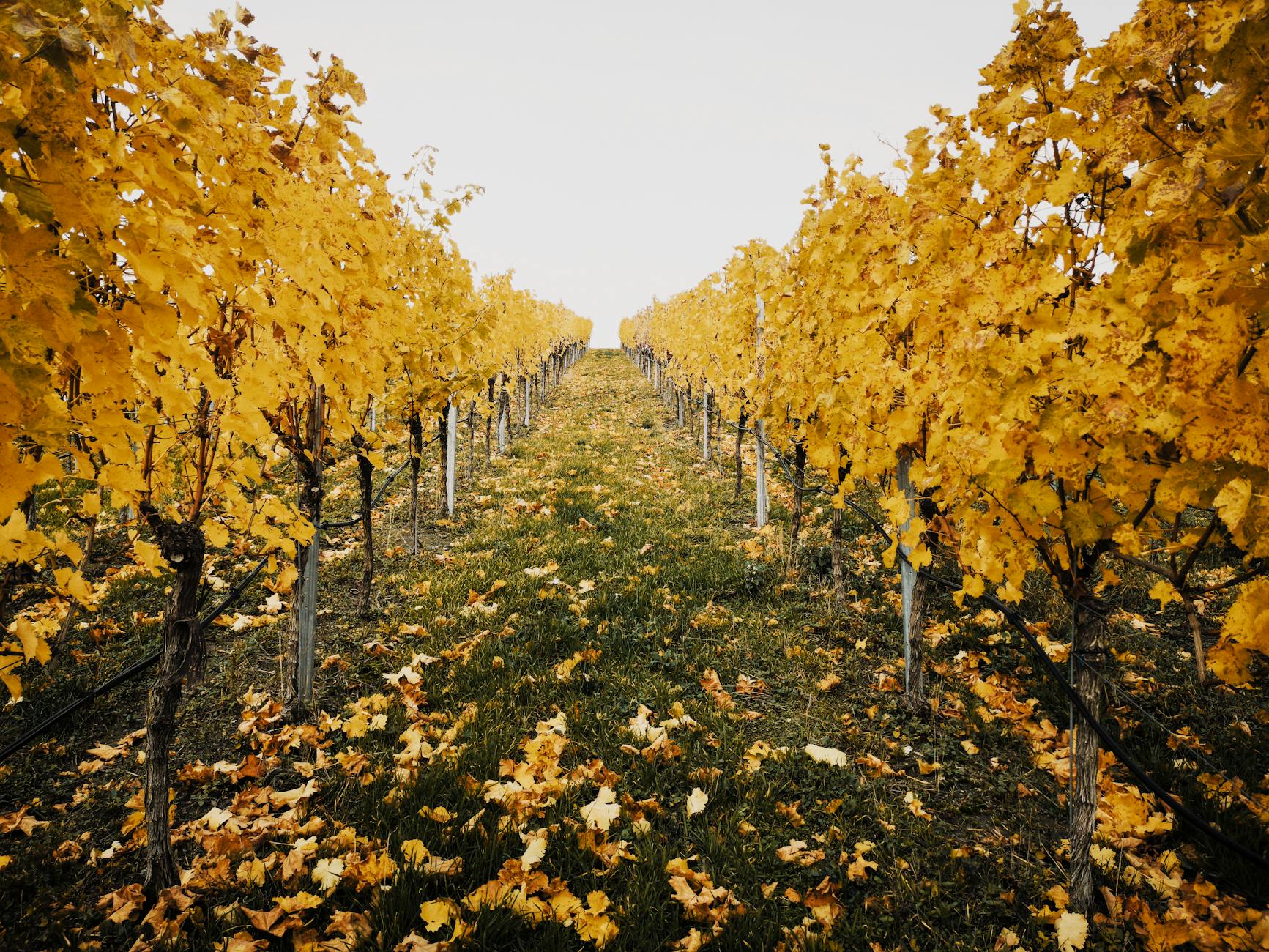
In the far northeast of Hungary, where the Bodrog and Tisza rivers meet and autumn mists rise from the water, grows the Furmint grape that defines the world's greatest dessert wines. Tokaj Hegyalja was declared a UNESCO World Heritage Site in 2002 — the first wine region in the world to receive this protection. The secret is noble rot (Botrytis cinerea): a fungus that shrivels the grapes, concentrating their sugars to extraordinary levels. The resulting Aszú wines are measured in puttonyos (barrels of shrivelled grapes added per 136 litres of base wine) — the higher the number, the sweeter and more complex the wine.
Key grapes: Furmint · Hárslevelű · Sárga Muskotály (Yellow Muscat)
Oremus Winery
Tolcsva, Tokaj Hegyalja
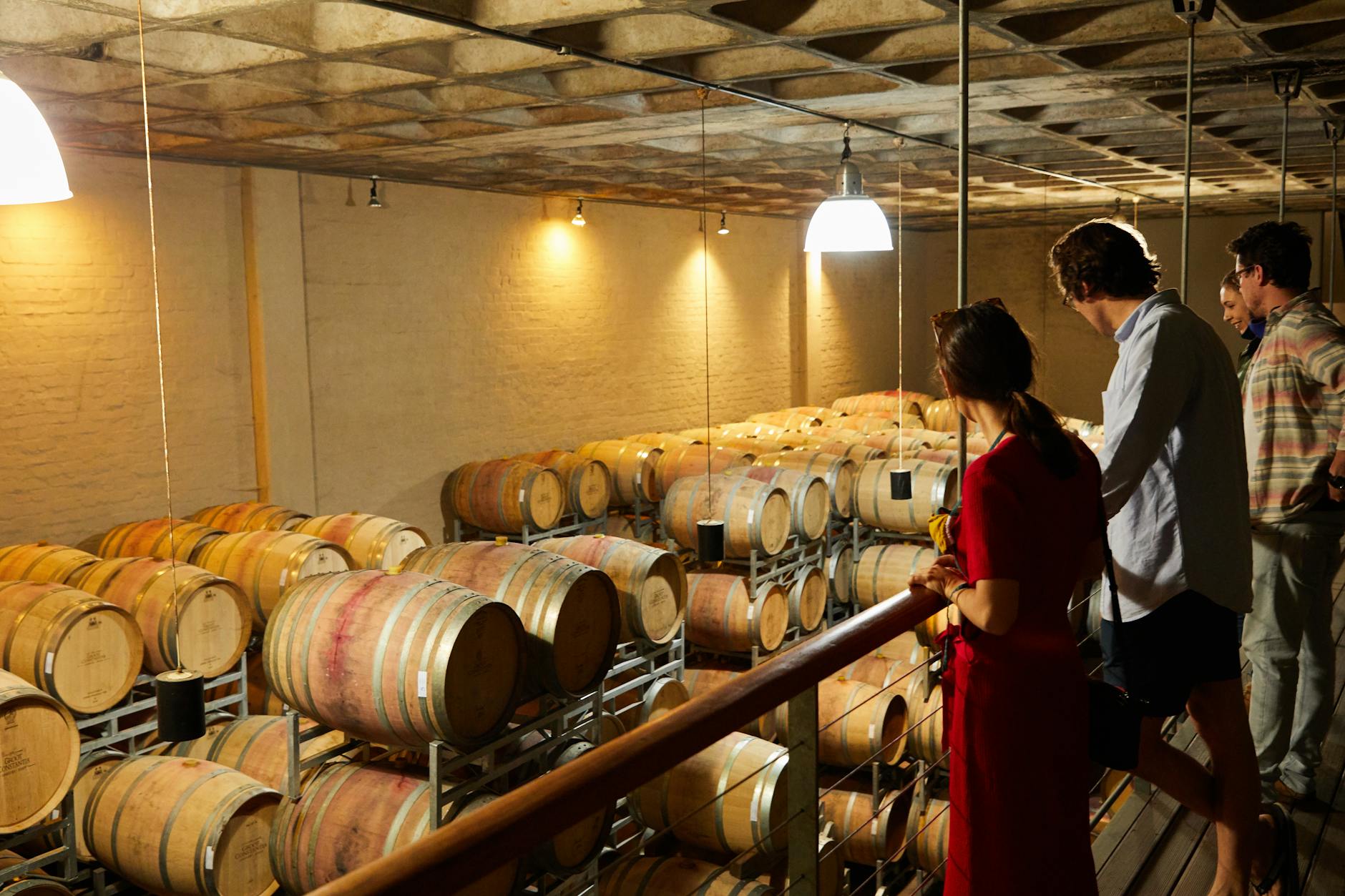
The winery that symbolises Tokaj's rebirth after communism — founded by Spain's Vega Sicilia group in 1993, when the region's cellars had fallen silent for 40 years. The underground galleries carved into volcanic rhyolite tuff date to the 13th century: kilometres of tunnels where a special mould regulates humidity and the wines breathe at constant 10.5°C. The guided visit covers the cellars, the aging bottle racks and the production areas — and ends with a tasting of Mandolás dry Furmint, Late Harvest, and Aszú. One of the essential winery visits in Central Europe.
⏱ Visit from €20 with tasting · ⏰ Mon–Fri 8:00–16:00, Sat–Sun (summer) 10:00–17:00 · 📍 Tolcsva, 230 km from Budapest
Visit Oremus → Reviews and book →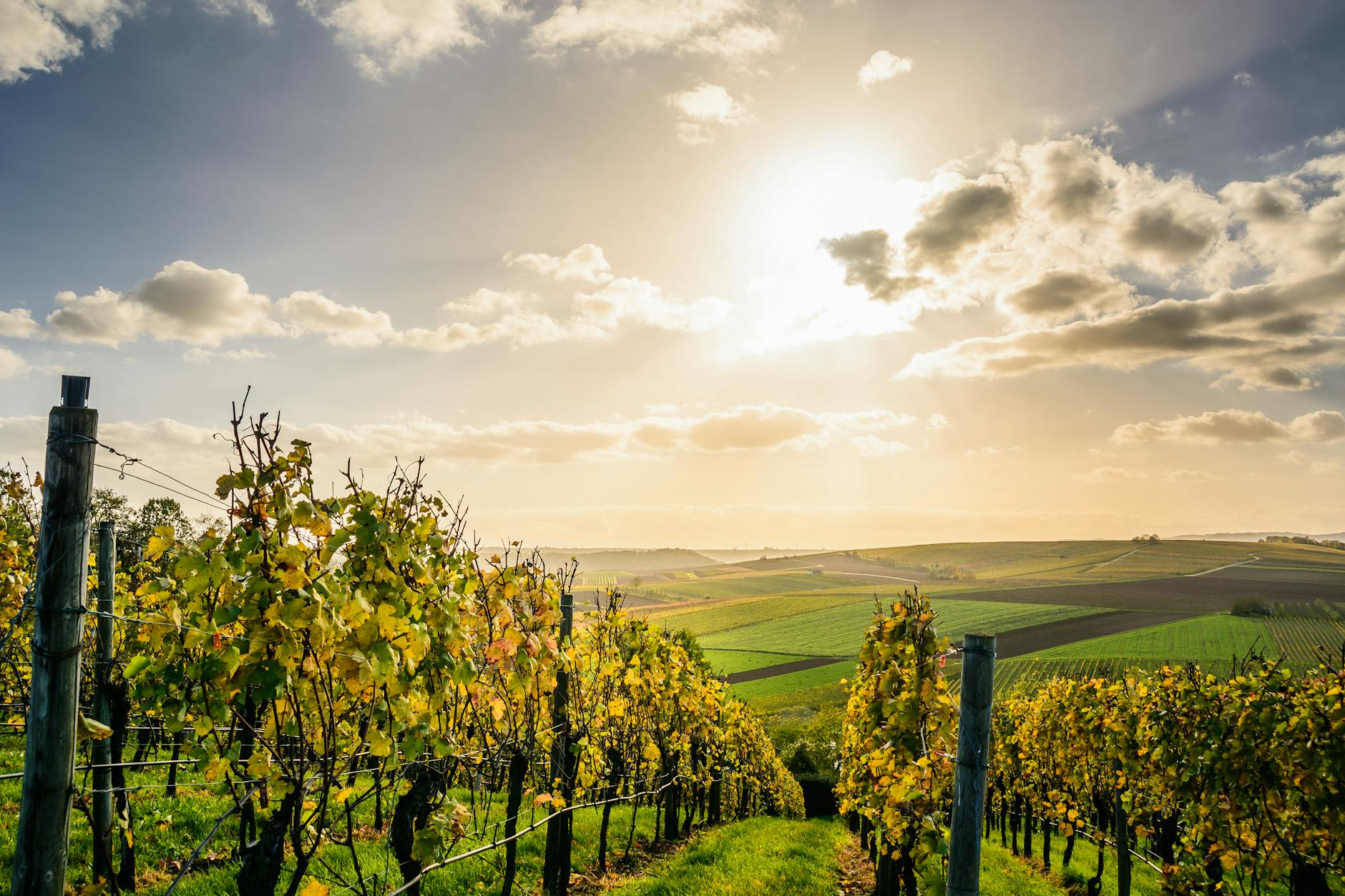
Royal Tokaji
Mád, Tokaj Hegyalja
Founded in 1990 by wine writer Hugh Johnson — the first foreign investment in Tokaj after the Iron Curtain fell. Royal Tokaji owns parcels in four of the region's greatest single vineyards: Mézes Mály, Nyulászó, Szt. Tamás and Betsek — First Growth classifications that have existed since 1700. The winery focuses entirely on single-vineyard wines that express individual terroir with exceptional clarity. Over 100 international awards. The village of Mád is surrounded by some of Tokaj's finest slopes and makes an excellent base for exploring the region.
⏱ Contact for visits · 📧 royal-tokaji@royal-tokaji.com · 📍 Mád, Tokaj Hegyalja, NE Hungary
Visit Royal Tokaji → Book an experience →Eger — Bull's Blood & Volcanic Reds
The legend: in 1552, Hungarian soldiers defending Eger Castle against the Ottoman army drank so much red wine that their beards ran red — and the terrified Turks believed they were drinking bull's blood and withdrew. The truth is more interesting: Egri Bikavér (Bull's Blood of Eger) is a classified blend based on Kékfrankos, a grape that thrives on the volcanic soils and tufa rock beneath the city. The cellars of Eger's Valley of Beautiful Women — a sunken street of 200-year-old cellar doors — are one of the most atmospheric wine destinations in Europe.
Key grapes: Kékfrankos · Cabernet Franc · Syrah · Merlot · Egri Csillag (white blend)
Thummerer Winery
Eger, Northern Hungary
Founded by Vilmos Thummerer in 1992 and named Winemaker of the Year in 1995 — one of the great Eger success stories. The winery holds the Decanter World Wine Awards Silver and Bronze (2025), and took Best Red Wine of the Year and Best Egri Bikavér at the 2025 Eger Wine Competition. Their flagship Egri Bikavér Superior and single-vineyard Syrah are among the finest reds in Hungary. The underground cellar complex in Eger is open for guided tastings — a serious introduction to what Bikavér can achieve in the right hands.
⏱ Tastings by appointment · 🏆 DWWA Silver 2025 · 📍 Eger, Heves County, Northern Hungary
Visit Thummerer → Reviews and book →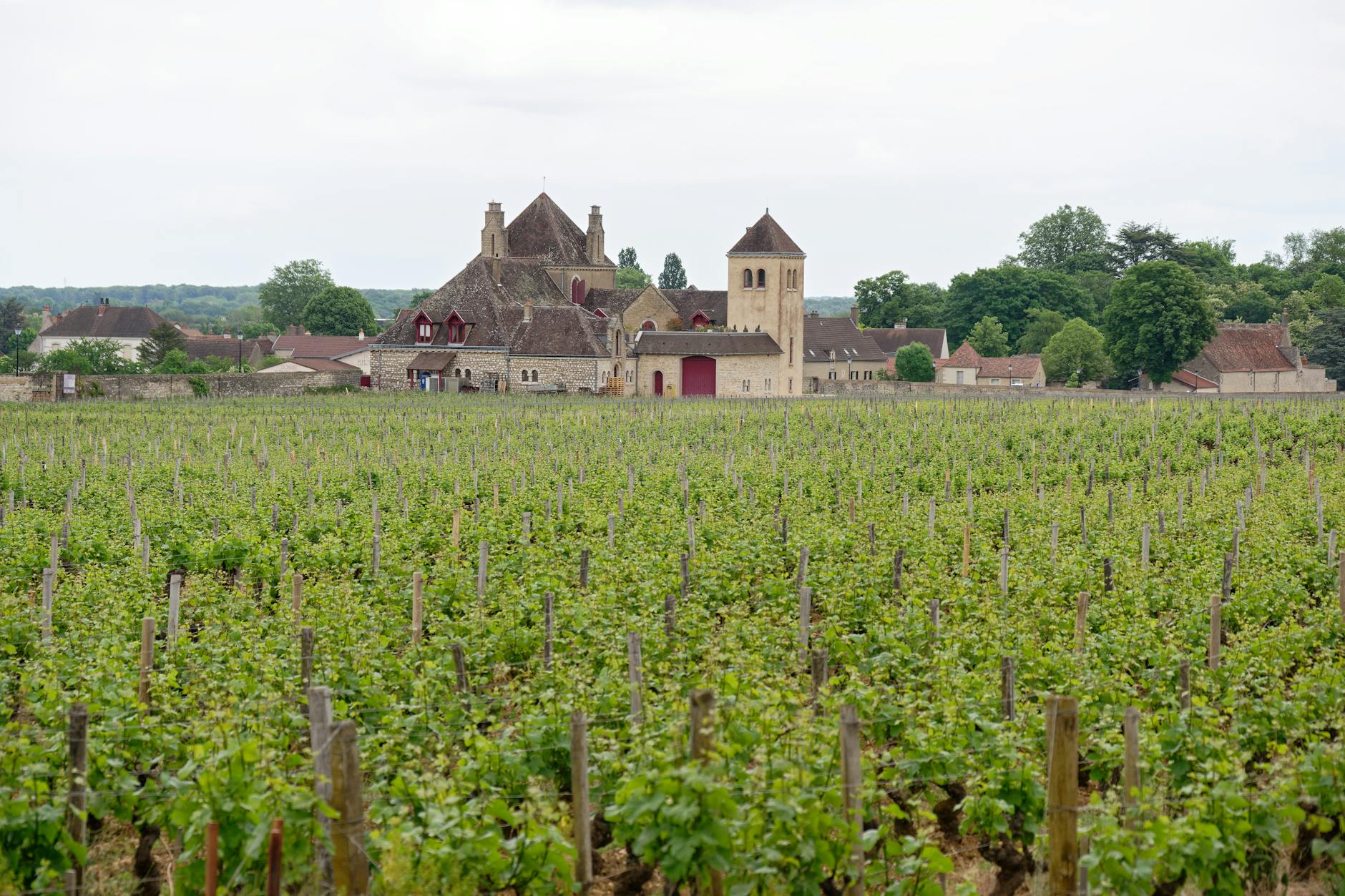
St. Andrea Winery
Egerszalók, Eger Region
A 40-hectare estate outside Eger producing some of Hungary's most admired red wines — the Agapé Egri Bikavér Grand Superior won the Hungarian Wine Grand Prix in 2024. Founded by winemaker György Lőrincz, St. Andrea combines volcanic terroir with meticulous cellar work. Four tasting programmes are available, from a six-wine introductory flight (8,000 HUF, 1.5 hours) to the full twelve-wine Grand Superior session (25,000 HUF, 2.5 hours). Vineyard tours, wine dinners and corporate events also offered. Open Monday to Saturday, booking required.
⏱ Mon–Sat 10:00–18:00 · 💰 From 8,000 HUF with tasting · 📍 88 Ady E. St, Egerszalók
Visit St. Andrea → Reviews and book →Badacsony — Volcanic Whites on Lake Balaton
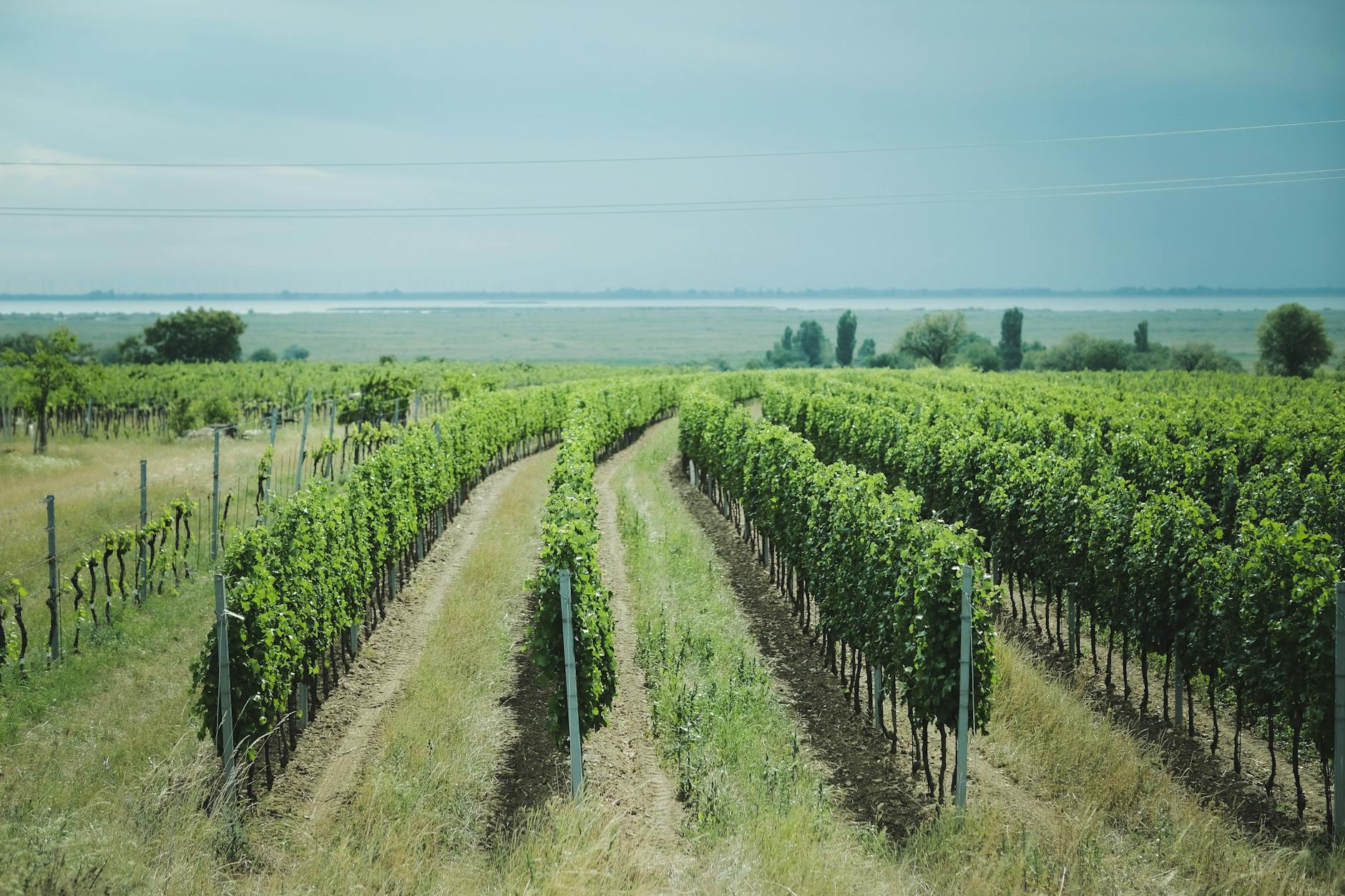
The steep, black volcanic slopes of Badacsony rise dramatically from the northern shore of Lake Balaton — Hungary's inland sea. The lava soil and continental-Mediterranean climate produce white wines of exceptional mineral intensity: Olaszrizling (Welschriesling), Szürkebarát (Pinot Gris), Kéknyelű, and Furmint. The combination of a wine terrace and a Balaton sunset is one of Hungary's finest pleasures. Visit in August for the harvest season, when the hillside is covered in pickers and the air smells of fermenting grapes.
Key grapes: Olaszrizling · Szürkebarát · Kéknyelű · Furmint
Laposa Estate
Badacsony, Lake Balaton
A family winery in the heart of Badacsony, producing around 600,000 bottles annually from traditional local varieties farmed on volcanic slopes. The Laposa Wine Terrace (Bogyay Lajos u. 1) is one of the most scenic spots in Hungary — open daily from 11:00 to 19:00, with wine by the glass, tastings and seasonal food menus. The Hableány restaurant and wine shop (Park u. 26) is open from Friday to Monday and hosts weekend events, guided visits and wine dinners. No trip to Balaton is complete without an afternoon here.
⏱ Wine Terrace daily 11:00–19:00 · 🍷 Wine by the glass from 1,200 HUF · 📍 Badacsony, 130 km from Budapest
Visit Laposa → Book a tasting →🍷 Wine Tips for Hungary
- Tokaj Aszú is measured in puttonyos (3–6): the higher the number, the sweeter and more concentrated — 6 puttonyos is Aszú at its most intense; Eszencia (uncountable puttonyos) is almost liquid gold
- Egri Bikavér comes in three quality tiers: Classicus (entry), Superior (vineyard selection), and Grand Superior (single vineyard, aged longer in oak) — always seek Superior or above
- The Valley of Beautiful Women (Szépasszonyvölgy) in Eger is a sunken street of 200-year-old wine cellars — go on a Friday or Saturday evening when locals sit outside and pour directly from barrel
- At Badacsony, the wine terrace season runs May to October; visit mid-week to avoid summer crowds and get the best service
- Hungarian wine shops (borozó, borkereskedés) in Budapest sell direct-from-winery prices — ask for Tokaj Furmint dry whites as one of the country's best-value revelations
Wine Bars — Budapest
Budapest's wine bar scene has matured significantly in the past decade. Young winemakers from across Hungary's 22 regions now supply a new generation of city wine bars focused exclusively on domestic wine — at prices that put Paris to shame.
DiVino Wine Bar
Szent István tér, District V, Budapest
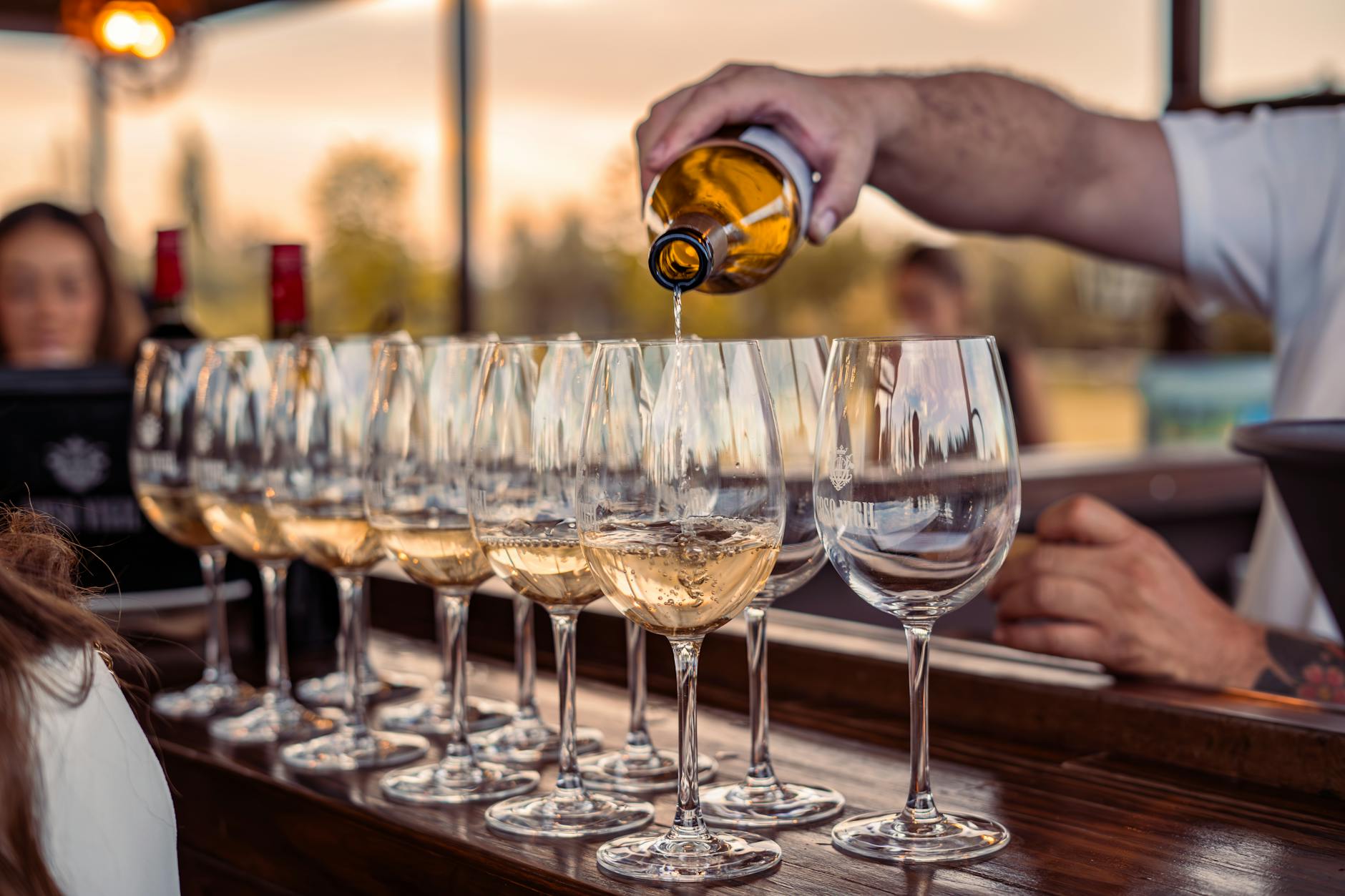
Budapest's best-known wine bar — a modern space directly in front of St. Stephen's Basilica with a sprawling terrace that fills up from Thursday through Saturday. DiVino works exclusively with Hungarian wines from young winemakers of the Junibor association — 120+ labels covering all of Hungary's wine regions, with knowledgeable staff who genuinely love what they're pouring. Live DJ sets Thursday through Saturday. Cheese boards and light food available. A perfect first stop for exploring Hungarian wine without knowing where to start. Open from 16:00 daily.
⏱ Daily 16:00–00:00 (02:00 Thu–Sat) · 🎶 Live DJ Thu–Sat · 📍 Szent István tér 3, District V, Budapest
Visit DiVino →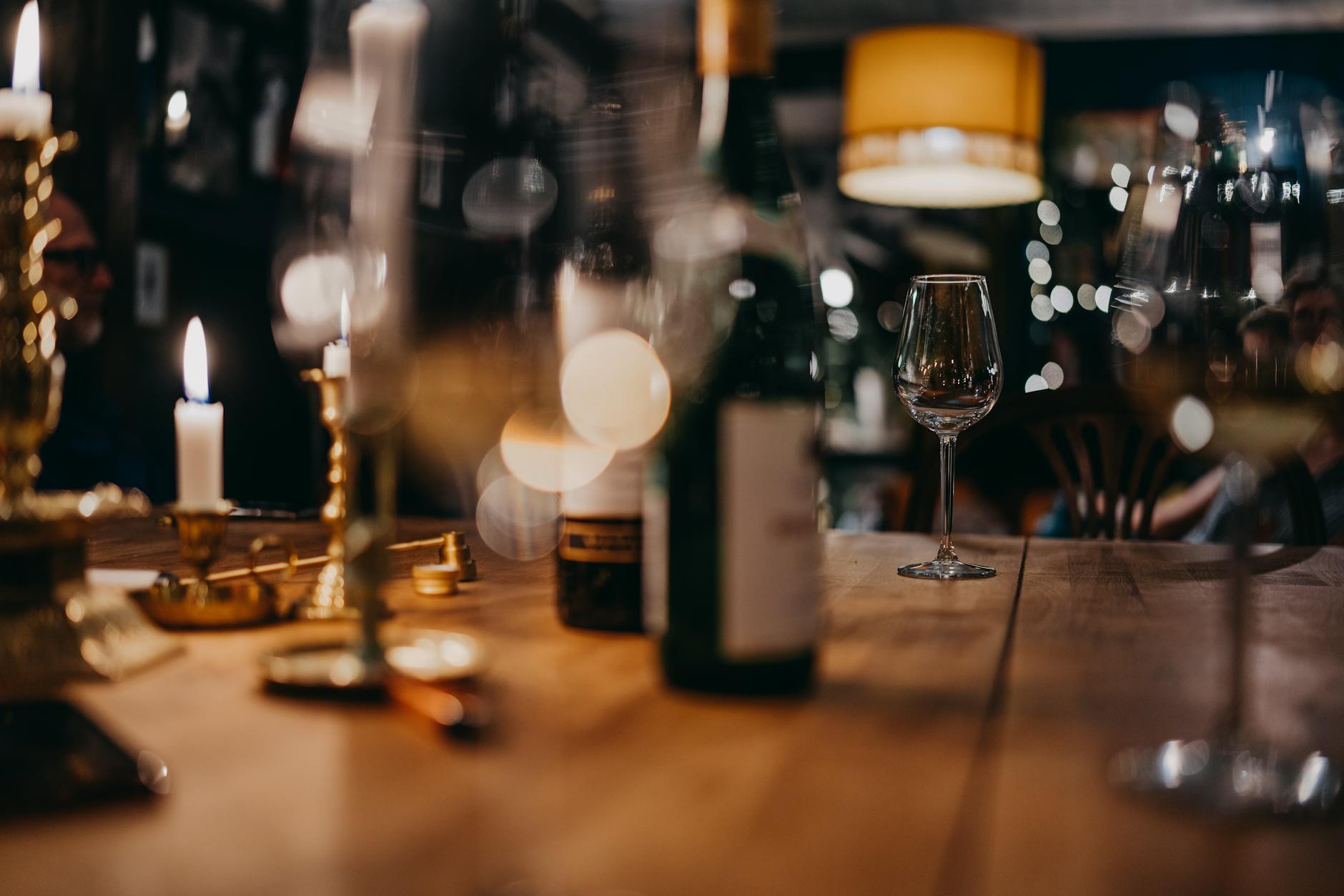
WINE NOT? Bar & Shop
Nádor utca 20, District V, Budapest
Fifty top-quality Hungarian wines by the glass, over 300 by the bottle — in a cosy New York loft interior with Tokaj fairy lights and contemporary artworks. WINE NOT? sources from nearly 100 Hungarian wineries, from Disznókő and Royal Tokaji to small-batch producers rarely seen outside Hungary. The gourmet cheese and charcuterie boards feature venison, mangalica products, blue cheese pâté and goose liver. The unique selection of Tokaj dessert wines includes collector items available nowhere else in the city. Reservations strongly recommended in peak season. Adults only.
⏱ By appointment/reservation · 🍾 50 wines by the glass · 📍 Nádor utca 20, District V, Budapest
Visit WINE NOT? →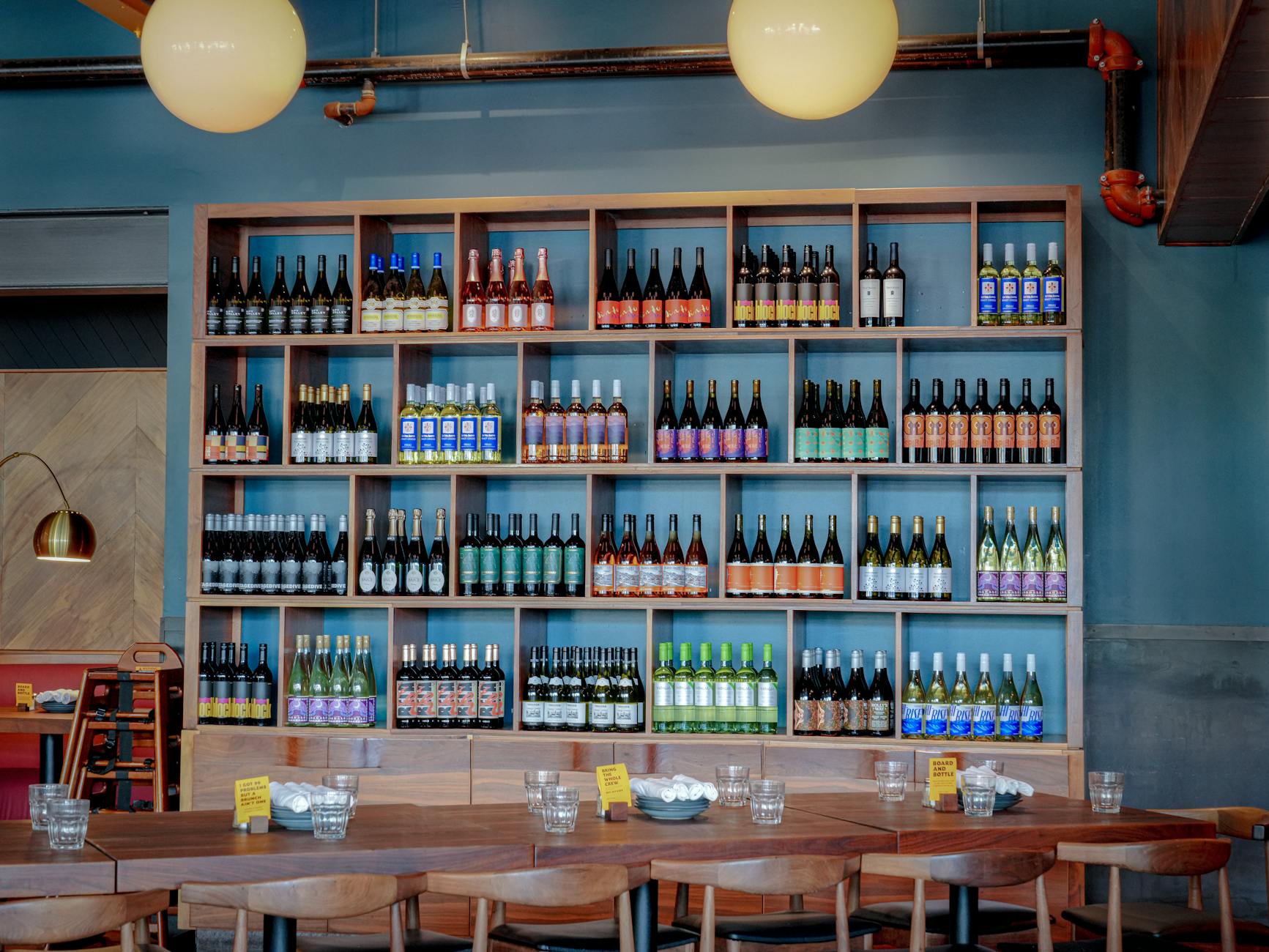
Marlou Wine Bar & Store
Lázár utca 16, District VI, Budapest
The natural wine address of Budapest — founded by French winemaker Jean-Julien Ricard, who moved to Hungary after writing in Wine Enthusiast that this was one of the world's most underrated natural wine scenes. Marlou functions simultaneously as wine bar, bistro and retail shop, in an intimate space on a quiet street directly behind the Opera House. The focus is entirely on low-intervention, hand-crafted wines from Hungary and Europe where the winemaker shows maximum respect for terroir. Tuesday evenings host the regular Rendez-vous Tasting. Open Tuesday through Saturday from 14:00 — a place for serious wine curiosity.
⏱ Tue–Thu 14:00–22:00, Fri–Sat 14:00–23:00 · 📅 Tastings Tuesdays · 📍 Lázár utca 16, District VI
Visit Marlou →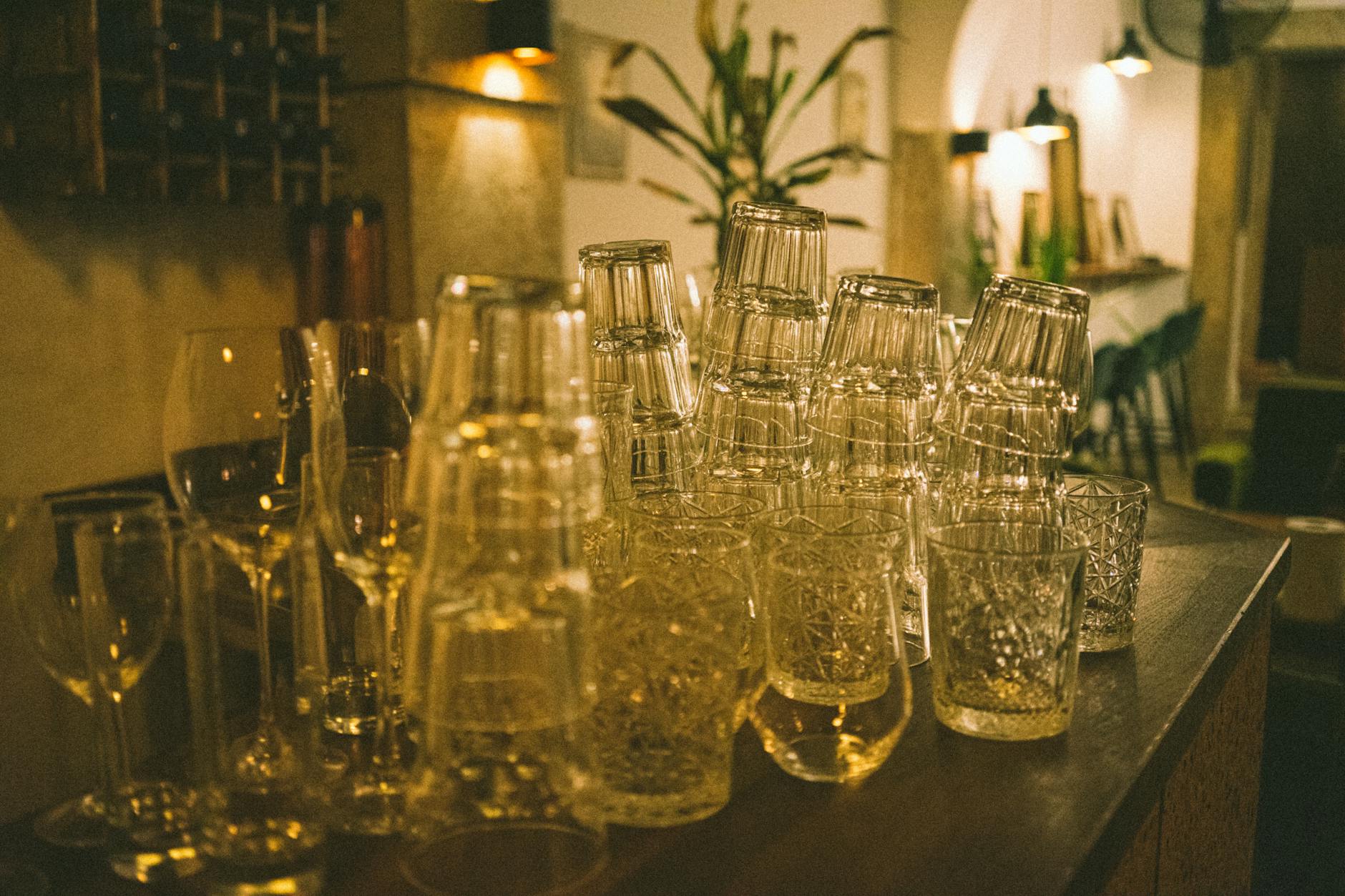
Kadarka Wine Bar
Király utca 42, District VII, Budapest
Named after the indigenous Kadarka grape — Hungary's oldest red wine variety — this neighbourhood wine bar on the main street of the Jewish Quarter has built a devoted local following since opening. The selection covers all of Hungary's wine regions by the glass, with staff who put together personalised tasting flights based on what you're in the mood for. Tapas, pâté, terrine and Brie with bacon make for ideal accompaniments. At 4.5/5 on TripAdvisor (416 reviews) and ranked #12 of 4,600+ bars in Budapest, it consistently outperforms much flashier venues. Arrive early on weekends — it fills up fast. Open daily from 16:00.
⏱ Daily 16:00–00:00 · 🍾 All Hungarian wine regions by the glass · 📍 Király utca 42, District VII
Reviews and book →Know Your Tokaj
The wines of Tokaj use a unique vocabulary that confuses first-time visitors. Here's what the labels actually mean.
Tokaj Aszú pairs exceptionally well with foie gras, Roquefort cheese, and rich desserts. The classic Hungarian pairing is Aszú with Kürtőskalács (chimney cake) — ask for it at traditional restaurants in Tokaj.
Pálinka & Hungarian Spirits
Since 1332, when court records first noted it as medicine for Queen Elizabeth of Hungary, pálinka has been distilled from 100% Hungarian fruit. EU-protected since 2004, it must contain no additives, no sugar, no artificial flavours. Alongside pálinka, Hungary's other legendary spirit — Unicum, a 230-year-old herbal liqueur made from over 40 herbs — is equally essential to understanding the country's drinking culture.
Pálinka Varieties & Where to Taste
The finest pálinkas are made from a single fruit variety in a single year — vintage-dated, like wine. Szilvapálinka (plum) is the most traditional; barackpálinka (apricot) from Kecskemét is the most famous; meggypálinka (sour cherry) from the Great Plain is the most aromatic. All are double-distilled in small copper pot stills called kisüsti. The best producers age their pálinka in mulberry wood barrels — Hungarian oak is too strong — giving a subtle amber colour and additional complexity. Budapest's Pálinka Museum on Király utca brings 30+ fruit varieties under one roof, with interactive exhibitions and guided tasting flights.
Classic varieties: Szilva (plum) · Barack (apricot) · Meggy (sour cherry) · Körte (pear) · Alma (apple)
Pálinka Museum Budapest
Király utca 20, District VI, Budapest
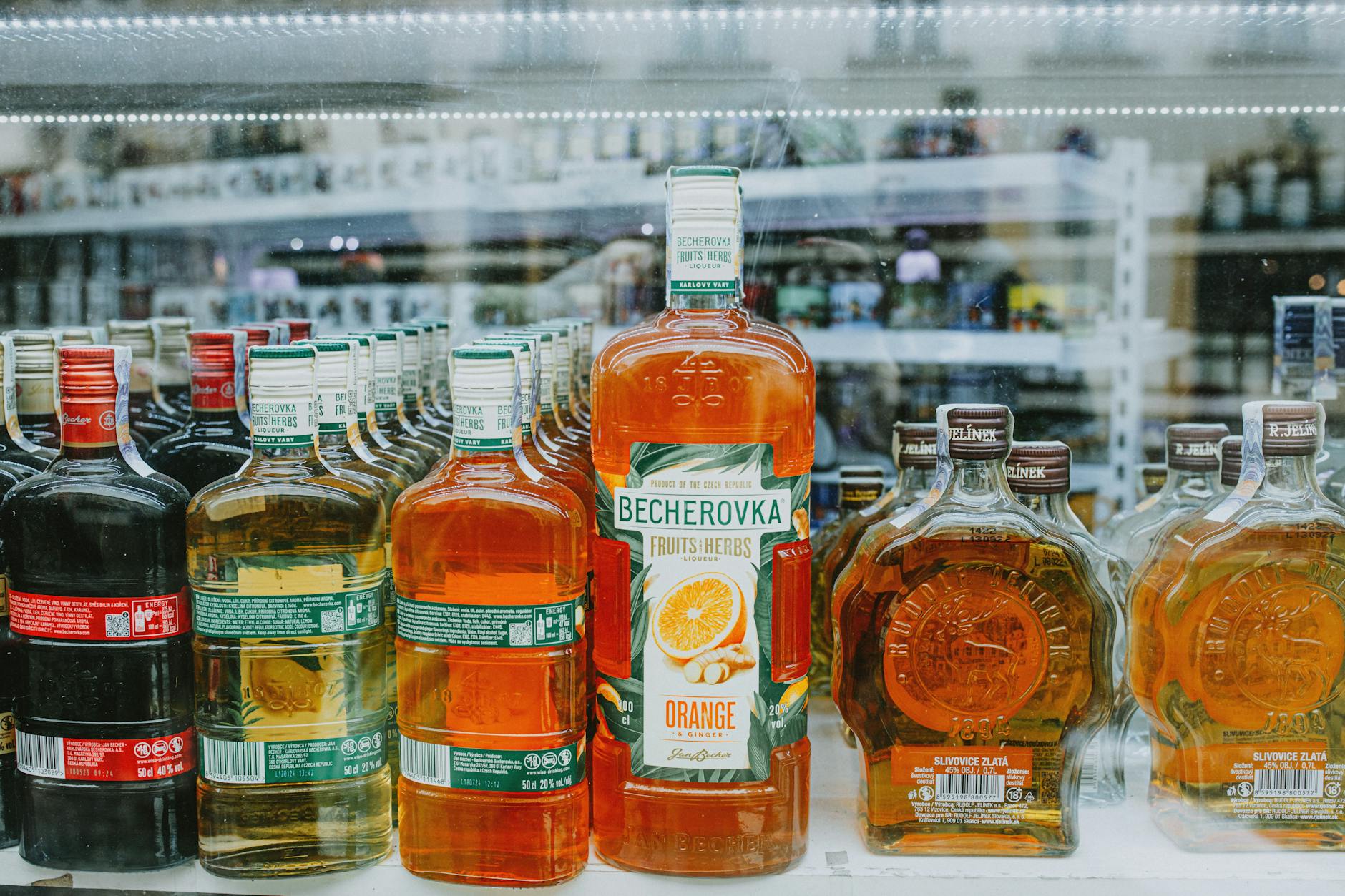
Hungary's dedicated pálinka museum in the heart of Budapest's party district — exposed brick walls, a stone cellar bar, and an interactive exhibition tracing the spirit from its 14th-century origins to today's EU-protected designation. The tasting packages (choose 4, 6 or 8 flights) draw from over 100 pálinka products across 30+ fruit varieties from 13 Hungarian distilleries. Staff explain the differences between fresh, aged and single-variety expressions. The on-site kitchen serves traditional Hungarian food — mangalitza ham, foie gras, sheep cheese — ideal pálinka accompaniments. Minimum age 18.
⏱ Daily 14:00–00:00 (02:00 Fri–Sat) · 💰 Tastings from €22 · 📍 Király utca 20, District VI
More info → Reviews and book →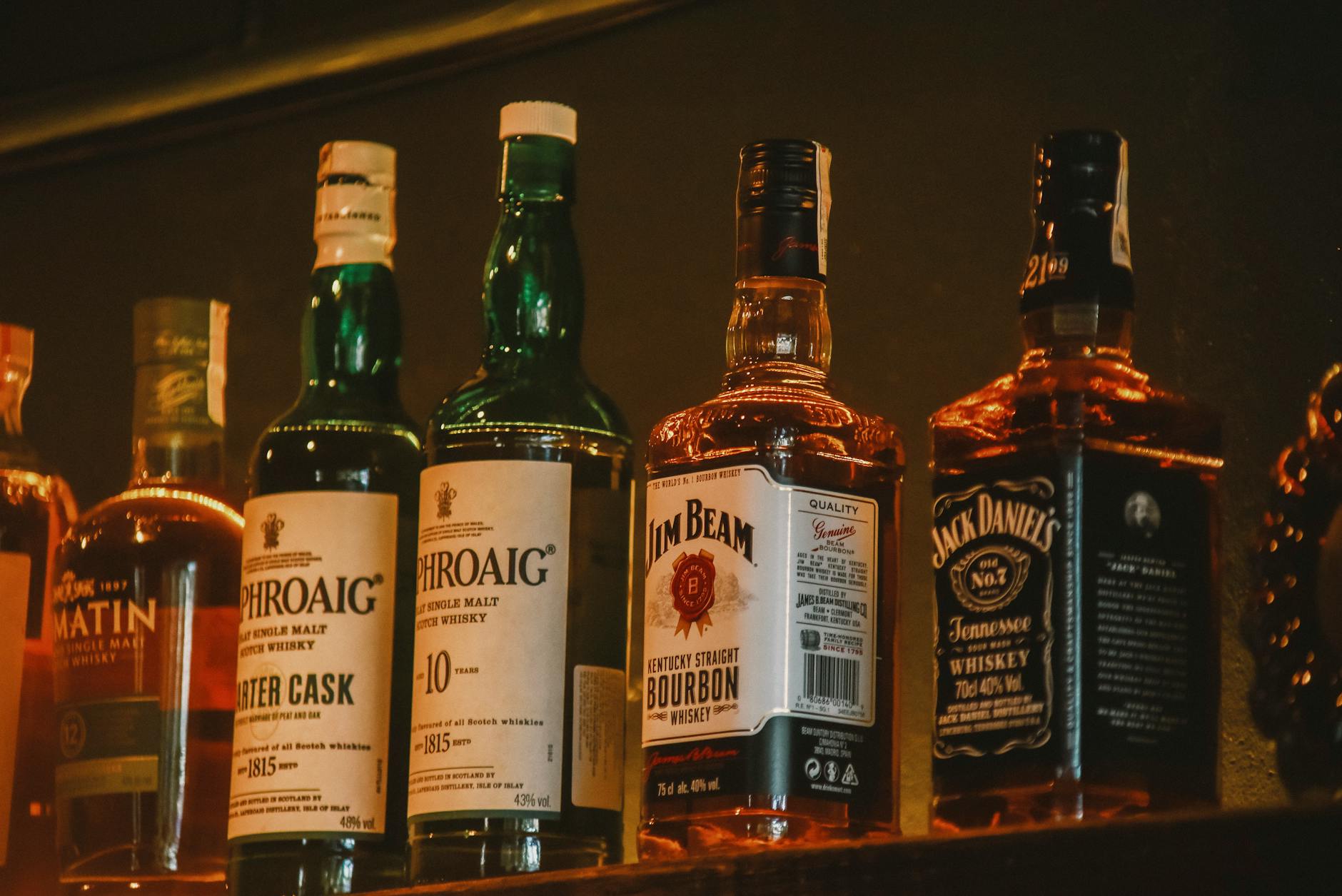
Magyar Pálinka Háza
Rákóczi út 17, District VIII, Budapest
The House of Hungarian Pálinka — Budapest's most comprehensive specialist spirits shop, stocking over 500 labels from distilleries across Hungary's 22 wine and pálinka regions. The selection spans every classic variety: szilva (plum), barack (apricot), meggy (sour cherry), körte (pear) and alma (apple) from the country's best small producers. Premium labels include Szicsek — winner of multiple international blind tastings — and Prekop, a benchmark plum pálinka from northeast Hungary. Staff guide visitors through the ranges, compare single-fruit versus aged expressions, and help select bottles to take home. Open Monday to Saturday.
⏱ Mon–Fri 9:00–19:00, Sat 9:00–16:00 · 🍾 500+ labels · 📍 Rákóczi út 17, District VIII
Visit Magyar Pálinka Háza → Reviews and book →
House of Unicum (Zwack Museum)
Dandár utca 1, District IX, Budapest
Hungary's other legendary spirit — Unicum, a 230-year-old herbal liqueur made from over 40 herbs and aged in oak barrels — has its home here in the original 1892 Zwack distillery building. The visit begins with a 270° immersive film on the Zwack family history, continues through the restored distillery (copper pot stills dating back over a century), and ends in the cellar corridor of 500 oak barrels for a tasting from the barrel — original Unicum and Unicum Plum on the standard tour, with Barista, Orange Bitter and Riserva on the premium. One of Europe's largest miniature bottle collections (17,000 pieces) is housed in the gallery. Ranked #14 of 1,050 things to do in Budapest on TripAdvisor.
⏱ Mon–Sat 10:00–17:00 · 💰 From 4,200 HUF · 📍 Dandár utca 1, District IX
Visit Unicum House → Reviews and book →🥃 Pálinka — What to Know
- Never drink pálinka cold — the fruit aromas only open up at room temperature or very slightly warm. Warm the glass in your hands for 30 seconds before drinking
- Hungarian etiquette: pálinka is offered after meals as a digestif, never before food — accepting is polite; refusing is forgivable but noted
- Homemade pálinka (házi pálinka) is still distilled legally in Hungary — up to 50 litres per household per year. If a Hungarian grandmother offers you some from an unlabelled bottle, this is the highest honour
- Avoid tourist-shop pálinka — buy from the Central Market Hall (Nagyvásárcsarnok) or specialist spirits shops for bottles from named distilleries
- The best apricot pálinka comes from Kecskemét; the best plum from the Szabolcs-Szatmár-Bereg region in northeast Hungary — look for region on the label
Craft Beer — Budapest's Ruin Bar Revolution
Budapest's craft beer scene emerged from the ruin bars of the Jewish Quarter and has grown into one of Central Europe's most creative. Hungarian craft breweries now export to 25+ countries. The scene is concentrated in Districts VII, VIII and X — former industrial buildings converted into taprooms and brewery parks.
Budapest Craft Beer — Two Institutions
From the city's first craft beer bar with 30 taps to the experimental brewery winning awards across Europe — these are Budapest's two essential craft beer stops.
Styles to look for: IPA · Saison · Hazy NEIPA · Sour · Imperial Stout
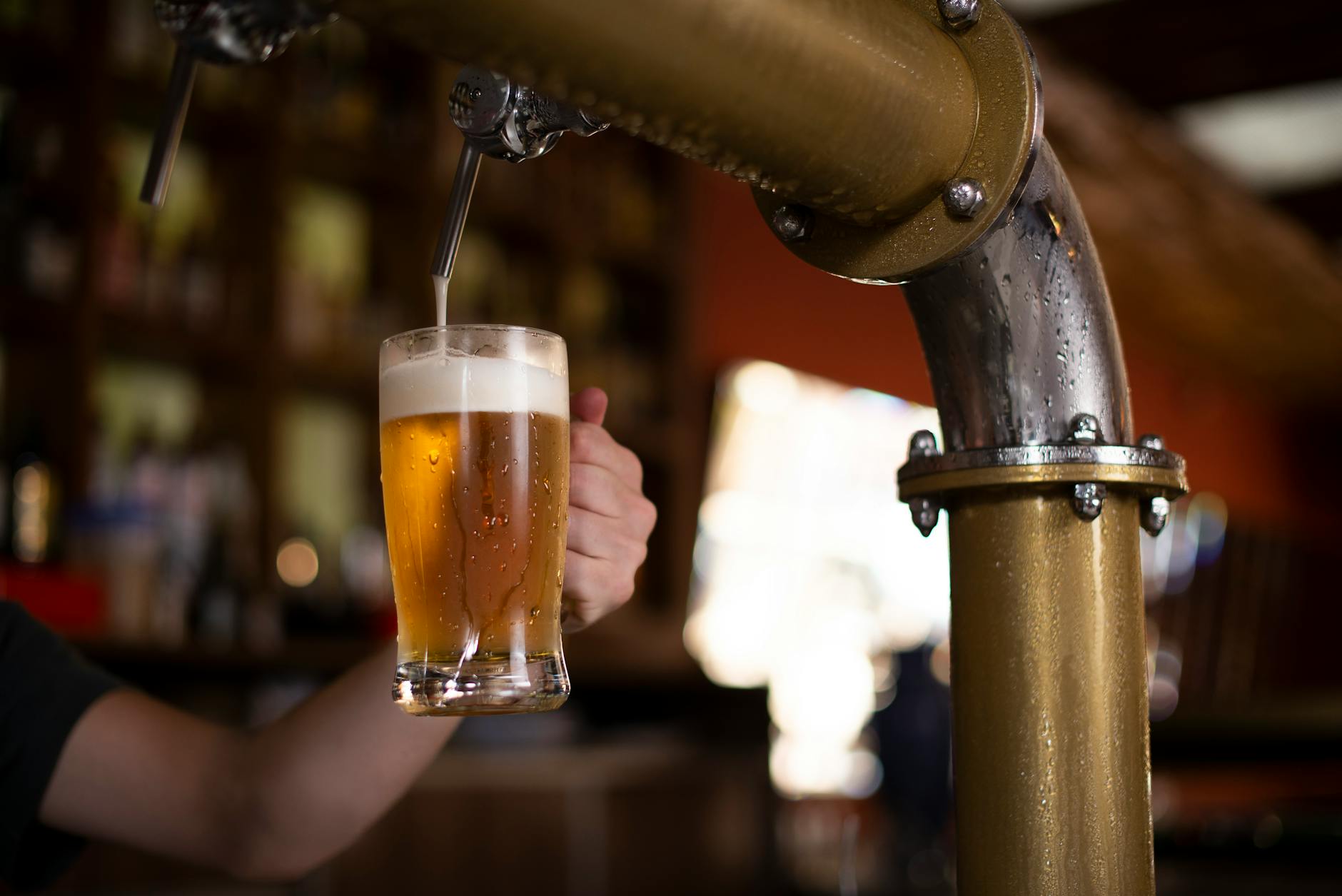
Élesztőház
Tűzoltó utca 22, District VIII, Budapest
Budapest's pioneering craft beer bar — opened in 2013 by the organisers of Főzdefeszt, Hungary's first craft beer festival. Thirty taps of Hungarian and international craft beers, an outdoor terrace with mismatched sofas, a kitchen serving pulled pork sandwiches and grilled meats, and staff who will guide you through the entire list if you let them. The 4.4-star TripAdvisor rating across 347 reviews reflects a genuinely excellent operation. Go on a Friday evening when the terrace is full, the taps are fresh, and Budapest's craft beer community is at its most convivial.
⏱ Daily from 16:00 · 🍺 30 taps, Hungarian focus · 📍 Tűzoltó utca 22, District VIII
Visit Élesztőház → Reviews and book →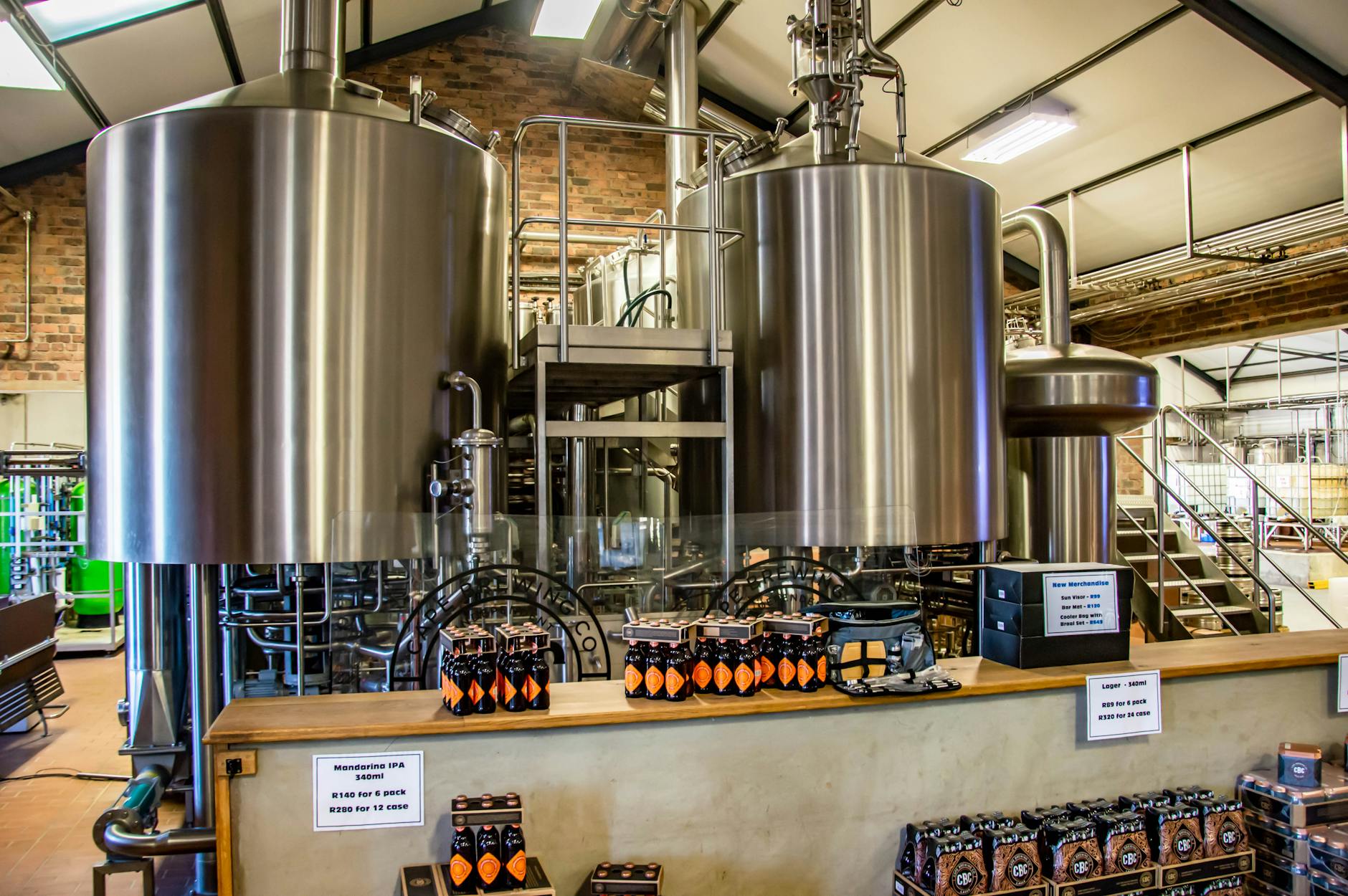
Mad Scientist Brewery
Maglódi út 47, District X, Budapest
Budapest's most experimental brewery — founded in 2016 in a former industrial building and now exporting award-winning beers to 25+ countries. Their Tető rooftop bar (rated top 4 bars in Budapest on TripAdvisor) is the best place to try their range: core beers like Jam 72 and Liquid Cocaine sit alongside seasonal specials, meads and collaborative brews with international breweries. The 4.7/5 Google rating across hundreds of reviews points to a genuinely world-class operation. The brewery in District X is harder to reach by public transport but worth the effort — the full taproom experience with tanks visible from the bar.
⏱ Tető bar open daily · 🏆 Top 4 bars in Budapest TripAdvisor · 📍 District X brewery + Tető rooftop bar in city centre
Visit Mad Scientist → Reviews and book →Coffee Culture — Austro-Hungarian Grandeur
Budapest's coffeehouse tradition is one of the great intellectual heritages of Europe. In the golden age of 1890–1940, writers rented tables by the month and used them as offices, editorial rooms and debating chambers. The institutions that survive are among the most spectacular interiors in the world.
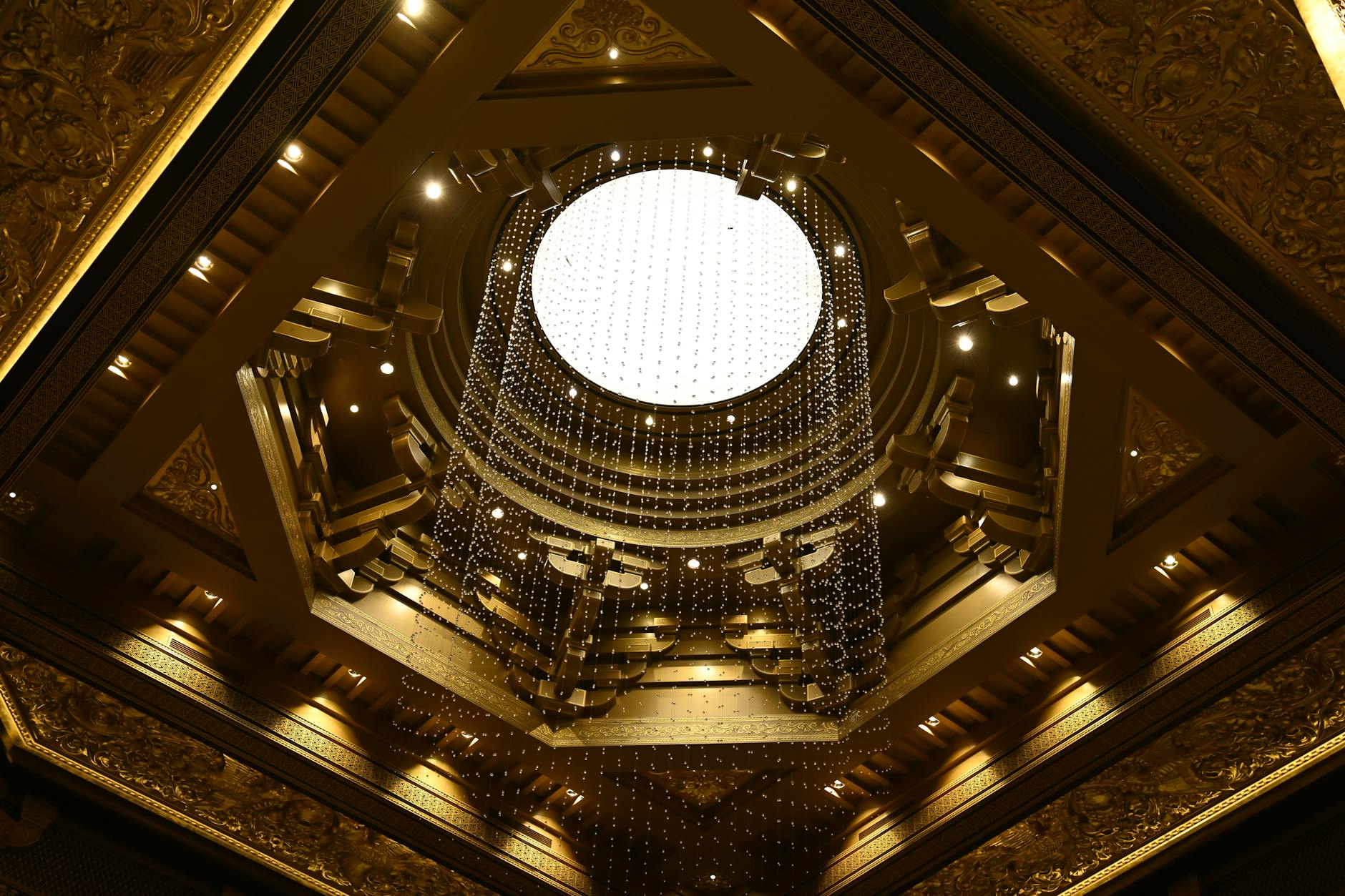
New York Café
Erzsébet körút 9–11, District VII, Budapest
Opened in 1894 inside the New York Palace, designed by architect Alajos Hauszmann — and still overwhelming after 130 years. Gold-leaf pillars, frescoed ceilings, crimson banquettes, chandeliers that cascade from every surface. This is where Hungary's literary generation gathered: a head waiter named Gyula Reisz offered struggling writers affordable cold cuts, special paper and ink on credit. Writer Ferenc Molnár reportedly threw the café's key into the Danube to ensure it could never close. Arrived in the early morning (before 9am) to secure a table without a long queue. Go for the coffee and the extraordinary room — the food is secondary.
⏱ Daily 07:00–24:00 (01:00 Thu–Sun) · ☕ Breakfast from 07:00 · 📍 Erzsébet körút 9–11, District VII
Visit New York Café → Reviews →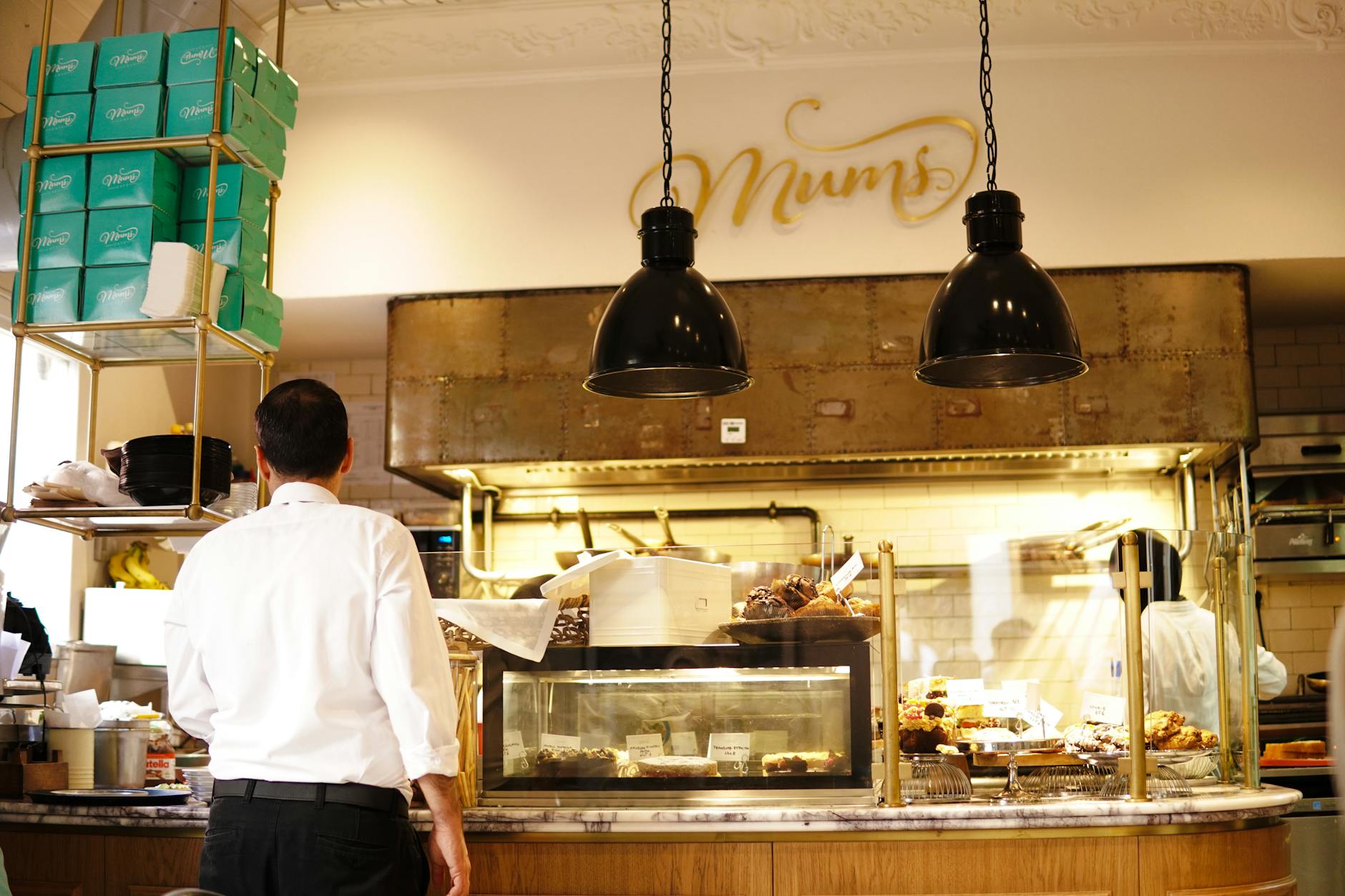
Café Gerbeaud
Vörösmarty tér 7–8, District V, Budapest
The grand café of Vörösmarty Square — founded in 1858 by confectioner Henrik Kugler, taken over in 1882 by Genevan pâtissier Emil Gerbeaud, who turned it into one of the most celebrated pastry houses in Europe. Franz Liszt drank here. Empress Elisabeth (Sisi) was a regular. Gerbeaud invented the butter cream, introduced Parisian crèmes, and developed the Gerbeaud slice — a walnut and apricot jam bar under dark chocolate, still sold here. The café was nationalized during communism and renamed, but reclaimed its identity in 1984. Today the pastry counter is still the standard against which all Hungarian cakes are measured. Go for morning coffee and a szilvás gombóc or a dobos torta.
⏱ Daily 09:00–20:00 (21:00 Fri–Sat) · 🎂 Pastry counter open all day · 📍 Vörösmarty tér 7–8, District V
Visit Gerbeaud → Reviews →💡 Good to Know
- ☕ Hungarian café culture moves slowly — lingering over one coffee for two hours is entirely normal and never frowned upon
- 🍷 "Egészségére!" (eh-GAY-shay-geh-reh) is the Hungarian toast — it means "to your health" and requires eye contact when clinking; failing to look is considered bad luck
- 🥃 Pálinka is served in 2cl or 4cl glasses — never ask for ice; never mix it; never drink it as a shot. Sip, wait, sip again
- 🍺 Budapest's ruin bars (romkocsma) in District VII serve local lagers like Dreher alongside craft beer — the local lager is perfectly drinkable and costs 600–900 HUF/pint
- 🛒 The Great Market Hall (Nagyvásárcsarnok) on Fővám tér is the best place to buy wine and pálinka to take home — ground floor for produce, first floor for souvenirs, basement wine and spirits
- 🍇 Hungarian wine is dramatically underpriced internationally — a great Tokaj Furmint dry white that would cost €30+ in a Paris restaurant can be bought from the winery for 3,000–6,000 HUF (€8–16)