
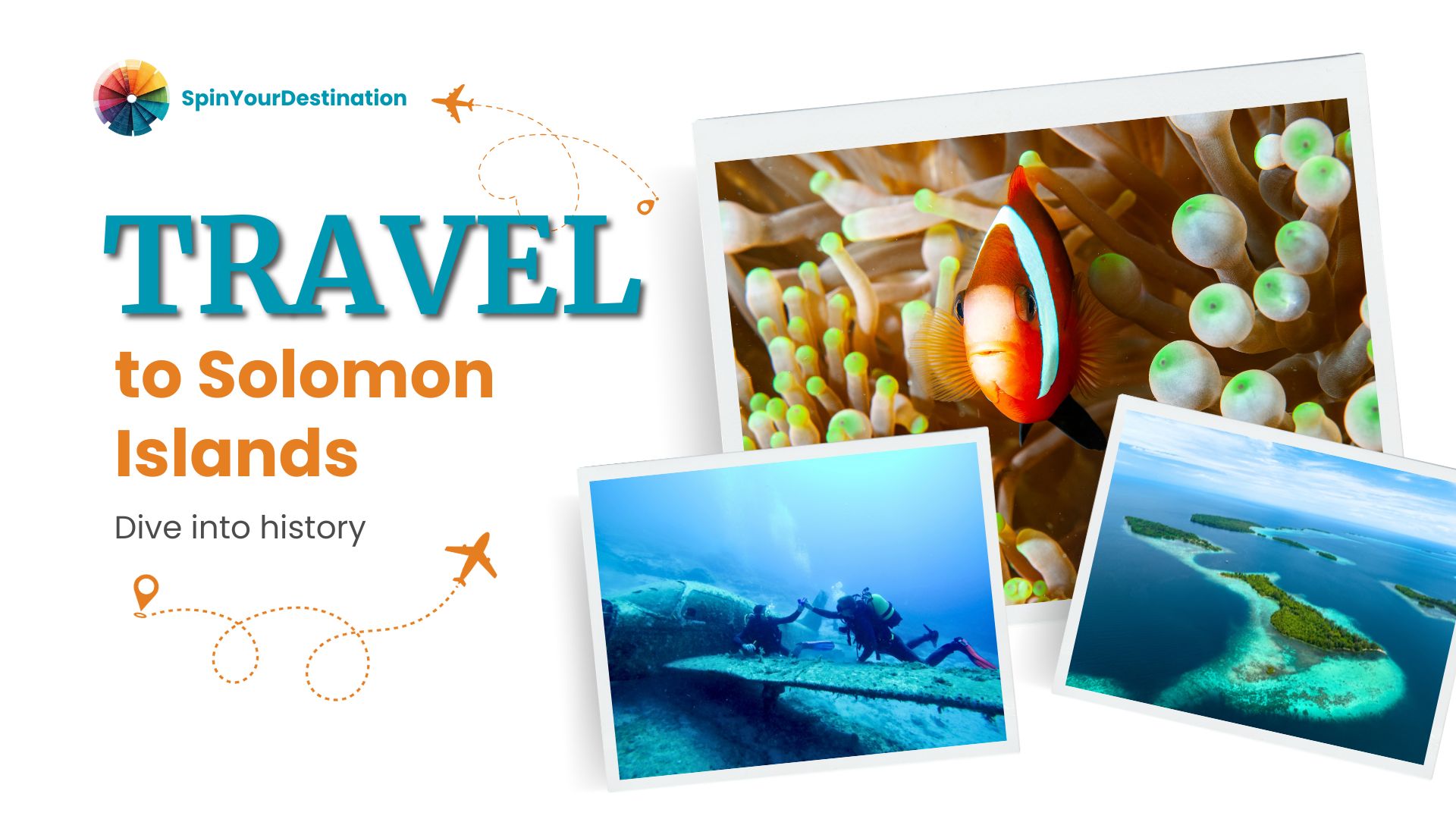

Honiara sits on the north coast of Guadalcanal, the largest island in the country. It’s a small, low-rise capital—population around 85,000—running along the shore of Iron Bottom Sound. Most international visitors arrive at Honiara International Airport, the former Henderson Field built by the Japanese in 1942 and captured by US Marines weeks later. The runway is the same one.
Honiara Central Market is the city’s pulse. Open six days a week, it sells taro, cassava, kumara, tuna and bonito straight off the boats, betel nut wrapped in leaves, and woven baskets from every province. The handicraft section on the western side holds shell jewelry from Malaita and carvings from Western Province. Prices are gentle; cash only.
The National Museum and Cultural Centre, a short walk from the market, is the best single introduction to the country’s 63 distinct languages, kastom traditions, and WWII history. Outside the building, traditional kastom houses from different provinces have been reconstructed in a small open-air ethnographic park.
Above the city, the Guadalcanal American Memorial on Skyline Drive marks the turning point of the Pacific War. A 24-meter pylon and four directional walls list the lost American and Allied warships of the six-month campaign that ended in February 1943. Admission is free. From the same hilltop, you look out over Iron Bottom Sound, the stretch of water where more than 50 ships went down between Savo Island, the Nggela group, and the Guadalcanal coast.
Eastward along the coast road, Bloody Ridge (also called Edson’s Ridge) was where US Marines held off the Japanese in September 1942 in some of the campaign’s heaviest fighting. The ridge is now a quiet grass-covered hill with a simple memorial. A guided WWII tour—Henderson Field, the ridge, the Vilu War Museum’s outdoor collection of rusted aircraft—takes around half a day.
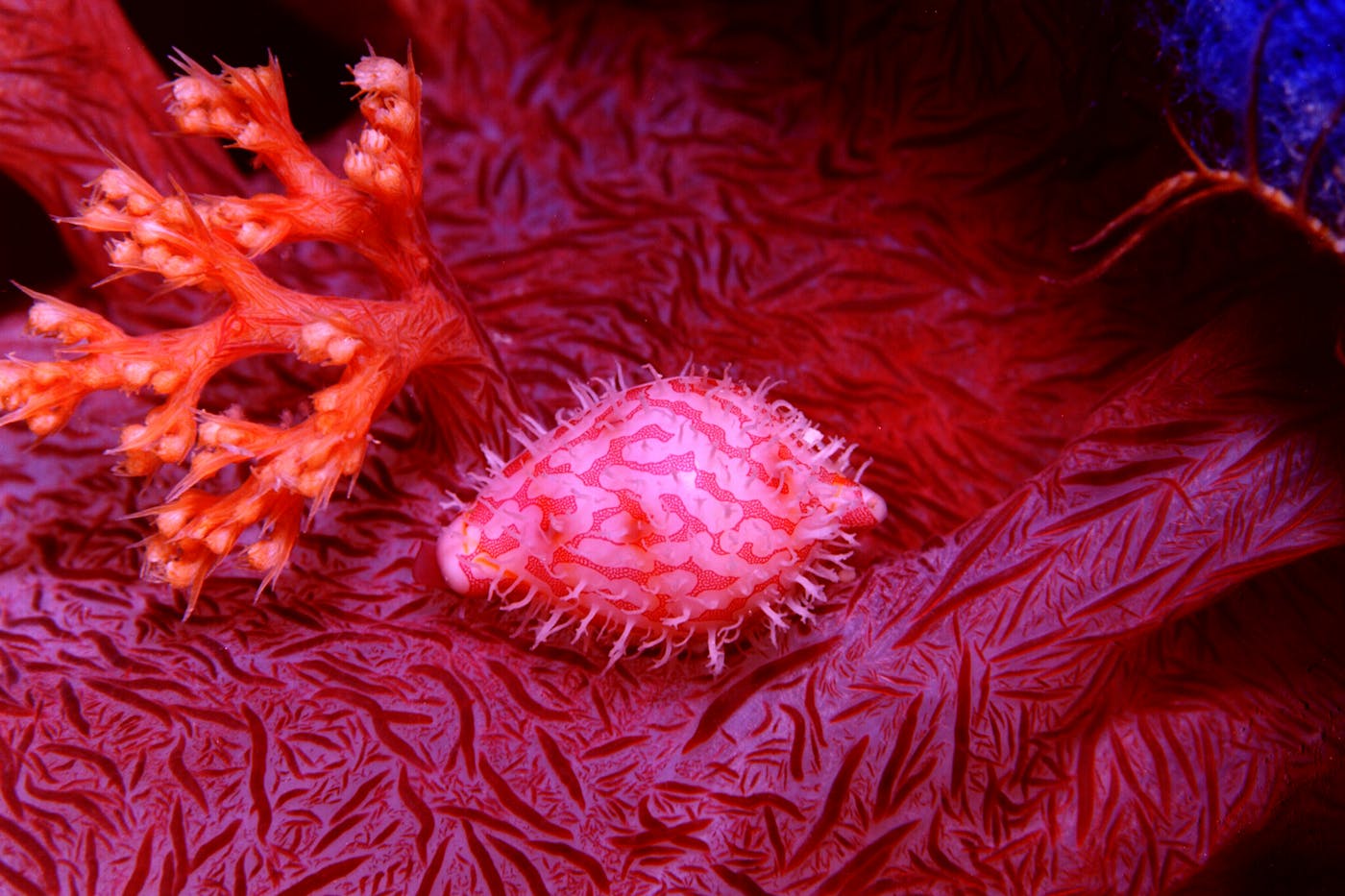
The Western Province is the country’s tourism heart, an hour’s flight northwest of Honiara. Most visitors fly into Munda or Gizo, base themselves in one of the small island lodges, and travel by boat between three legendary places: Marovo Lagoon, Munda, and Gizo.
Marovo Lagoon, protected by a double barrier reef stretching 150 kilometers, is the largest saltwater lagoon on earth. Inside its protected waters, hundreds of small islands rise out of impossibly clear blue—some inhabited by villages that still carve canoes the same way they did centuries ago, others uninhabited and forested to the waterline. The lagoon has been on UNESCO’s tentative World Heritage list for decades. Small eco-lodges on islands like Uepi sit directly on the reef edge, with house reefs accessible from the steps of your bungalow.
Munda, on New Georgia Island, is the access point for some of the Pacific’s best wreck diving. Off Gizo, the WWII Japanese transport Toa Maru lies on its starboard side in 12–36 meters of water, still carrying jeeps, motorcycles, beer bottles, and a tank—considered one of the world’s great wreck dives. From Munda itself, dives drop onto Hellcat fighters, B-17 bombers, and Japanese landing craft. Snorkelers reach an upside-down Grumman Wildcat in five meters of water just offshore.
Skull Island, a short boat ride from Munda across Vonavona Lagoon, is a tiny coral islet where the skulls of vanquished Roviana warriors and chiefs are stacked inside a small stone shrine. Local guides explain the story; cameras are usually permitted only after asking.
East of Gizo rises Kolombangara, a near-perfect volcanic cone topping out at 1,770 meters. The two-day climb through cloud forest to the crater rim, accompanied by local guides from the village of Imbu Rano, is one of the most rewarding hikes in the South Pacific. Above 1,200 meters, the forest disappears into moss-covered trees, pitcher plants, and birdsong.
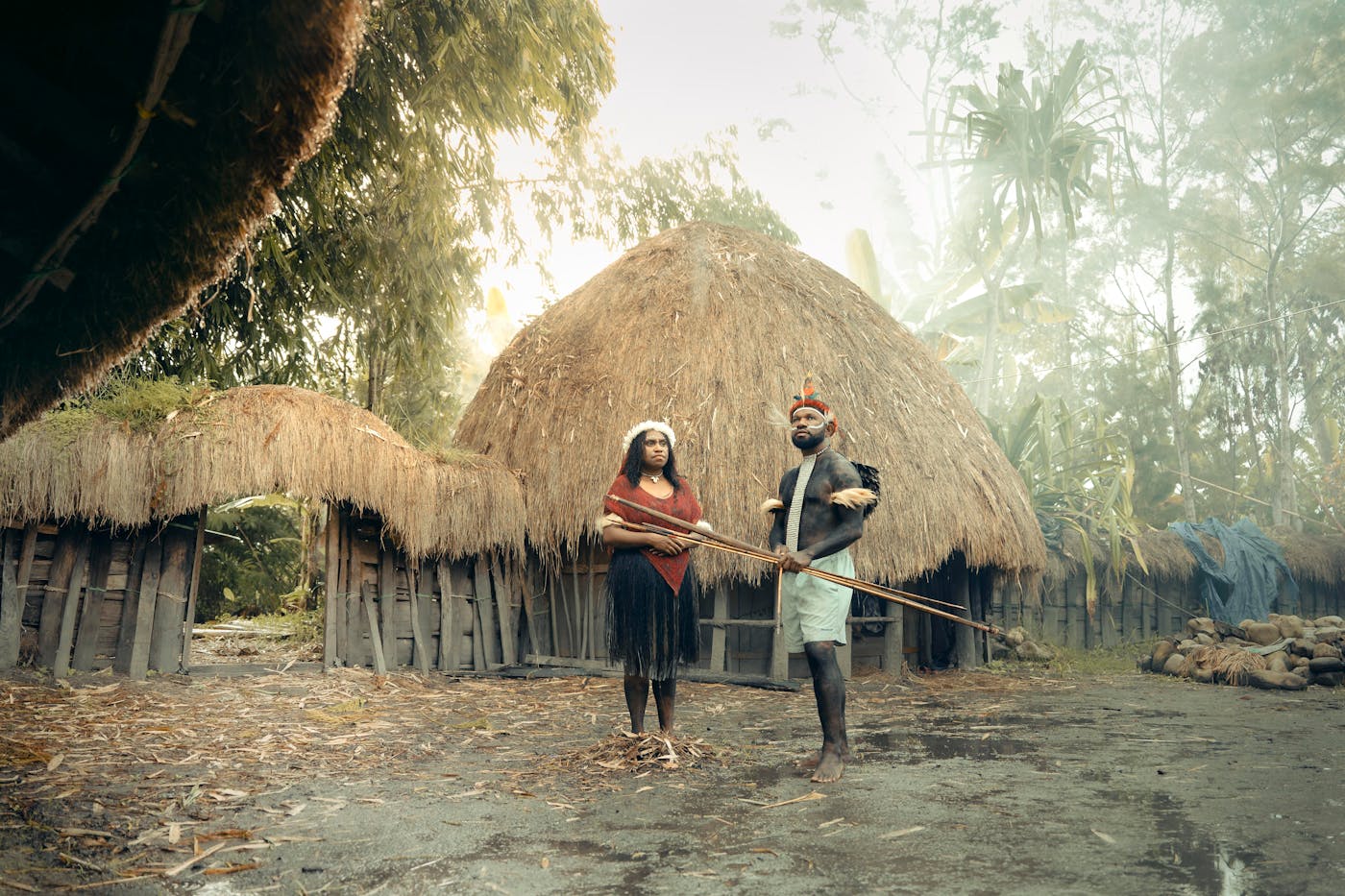
Malaita is the most populous province and one of the most culturally distinct. A 25-minute flight or an overnight ferry from Honiara delivers you to Auki, the small provincial capital on the west coast. From there, almost everywhere of interest is reached by outrigger.
Langa Langa Lagoon, just south of Auki, is the home of the asi—the “saltwater people.” Centuries ago, lagoon dwellers fled the headhunters of mainland Malaita by building artificial islands on sand bars in the lagoon, hauling coral rubble out by canoe load. Many of those islands are still inhabited. Laulasi Island has welcomed visitors since the 1970s and offers shell-money demonstrations, snorkeling, and lunch with the village.
Shell money—tafuliae—is still produced here by hand. Small disks are cut from the lips of certain shells, ground, polished, drilled, and threaded onto strands 1.5 meters long. A full tafuliae of several strands is still used in bride price, funeral compensation, and reconciliation ceremonies across Malaita. Visitors can watch the entire process from raw shell to finished necklace and buy direct from the women who make it.
North of Auki, the Kwaio interior of Malaita is one of the last places in the Pacific where significant numbers of people still live almost entirely outside the cash economy and outside Christianity, following ancestral kastom. Visits require permission, local guides, and respect; they are not casual day trips. For most visitors, Langa Langa and the nearby village of Busu give a profound enough introduction.
The Solomons are home to about 720,000 people speaking 63 distinct indigenous languages plus countless dialects—one of the highest linguistic densities anywhere on earth. English is the official language and is taught in schools, but most everyday communication happens in Solomon Islands Pijin—an English-based creole shared across the country and easily picked up by visitors. “Hao nao iu?” (how are you?), “mi olraet” (I’m fine), “tanggio tumas” (thank you very much).
Wantok—literally “one talk”—refers to people who share a language, region, or family. It is the bedrock of social life. Wantok obligations mean that food, shelter, school fees, and support flow continuously between extended kin networks. The system functions as an informal social safety net; it is impossible to understand village life without it.
Kastom is the umbrella term for traditional law, custom, and belief. Land ownership in the Solomons is overwhelmingly customary, not titled—more than 80% of land is held collectively by clans under kastom rules. Visiting a village, walking through gardens, or fishing in a reef almost always requires acknowledgment of the customary owners. A small gift and a quiet introduction from a local intermediary opens every door.
Around 95% of Solomon Islanders identify as Christian, with strong Anglican, Catholic, Methodist, South Seas Evangelical, and Seventh-day Adventist communities. The Melanesian Brotherhood (locally called the Tasiu), an Anglican order of unmarried young men in distinctive white robes and dark sashes, are deeply respected across the country—peacemakers in the islands’ ethnic tensions of 1998–2003 and ordinary preachers in the villages today. Sunday is genuinely a day of rest; many shops close, transport thins out, and families walk together to long, beautifully sung church services.
A few practical notes on respect. Dress modestly in villages (covered shoulders, knees-covered shorts or skirts for both men and women in most provinces). Ask before photographing people, especially elders and children. Bring a small gift—rice, sugar, school exercise books—when arriving as a guest in a village. And accept that nothing moves on Solomon Islands time except slowly: relationships first, schedules second.