
Victoria is one of the world's smallest capitals. Compact. A morning is enough for the market, the clock tower, and a walk through the botanical gardens.
Mahé holds most of the population and the international airport. The interior rises to Morne Seychellois—green, forested, good for short hikes. The coast alternates between beaches and small villages.
Driving Mahé takes a few hours. The east is calmer; the west has popular beaches like Beau Vallon. Resorts cluster in the north and west.
Creole is the local language; English and French are widely used. The mix of African, Asian, and European influences shows in the food and the rhythm of life.
Use Mahé as a base or a stopover. The real postcard Seychelles is Praslin and La Digue.
Praslin is the second-largest island. Ferries from Mahé take about an hour. It's quieter, greener, and home to the Vallée de Mai—a UNESCO-listed forest where the rare coco de mer palm grows.
The coco de mer produces the world's largest nut. The valley is a short, shaded walk. Guided tours explain the ecosystem. Allow a half-day.
Praslin's beaches—Anse Lazio, Anse Georgette—rival La Digue for beauty. Turquoise water, boulders, and fewer people than Mahé.
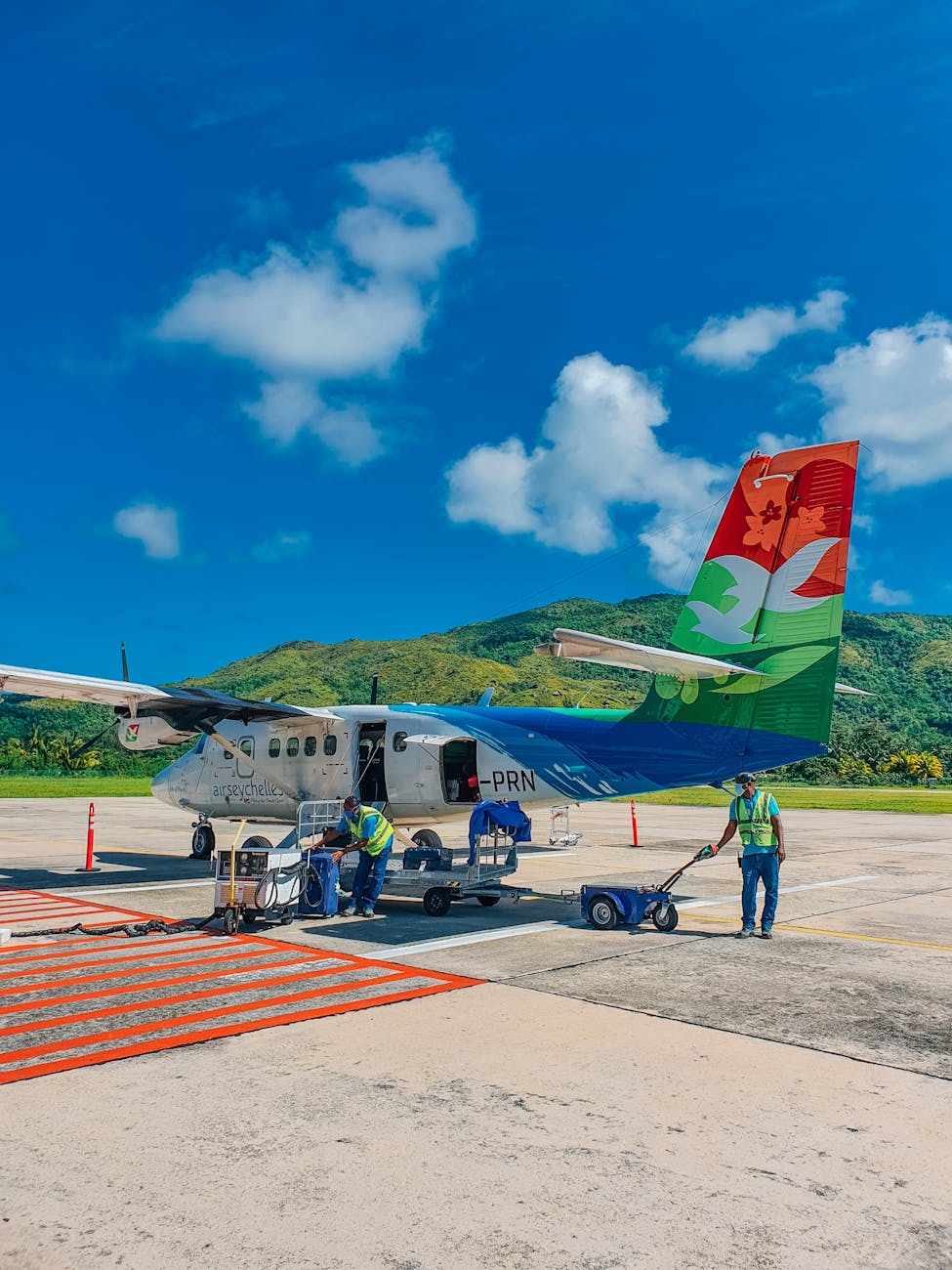
Accommodation ranges from guesthouses to upmarket lodges. Praslin has its own airport for inter-island flights.
Many visitors do Praslin as a day trip from Mahé or stay a night or two before heading to La Digue.
La Digue is small. Bicycles and ox-carts outnumber cars. The pace is slow. The star is Anse Source d'Argent, on the southwest coast inside L'Union Estate, a former coconut plantation.
You pay a small entrance fee to the estate, then walk through to the beach. Granite boulders, shallow lagoons, and white sand. It's the image you've seen. Snorkelling and swimming are good; mornings are less crowded.
Other beaches on La Digue—Grand Anse, Anse Coco—are wilder and less sheltered. The island can be done in a day from Praslin by ferry, or you stay overnight for a more relaxed feel.
Water temperatures sit around 26–29°C. April–May and October–November are calm; southeast winds pick up May–September, better for sailing than swimming in some spots.
Seychelles is not cheap. It's a splurge destination. You come for the beaches, the nature, and the peace—not for nightlife or big cities.
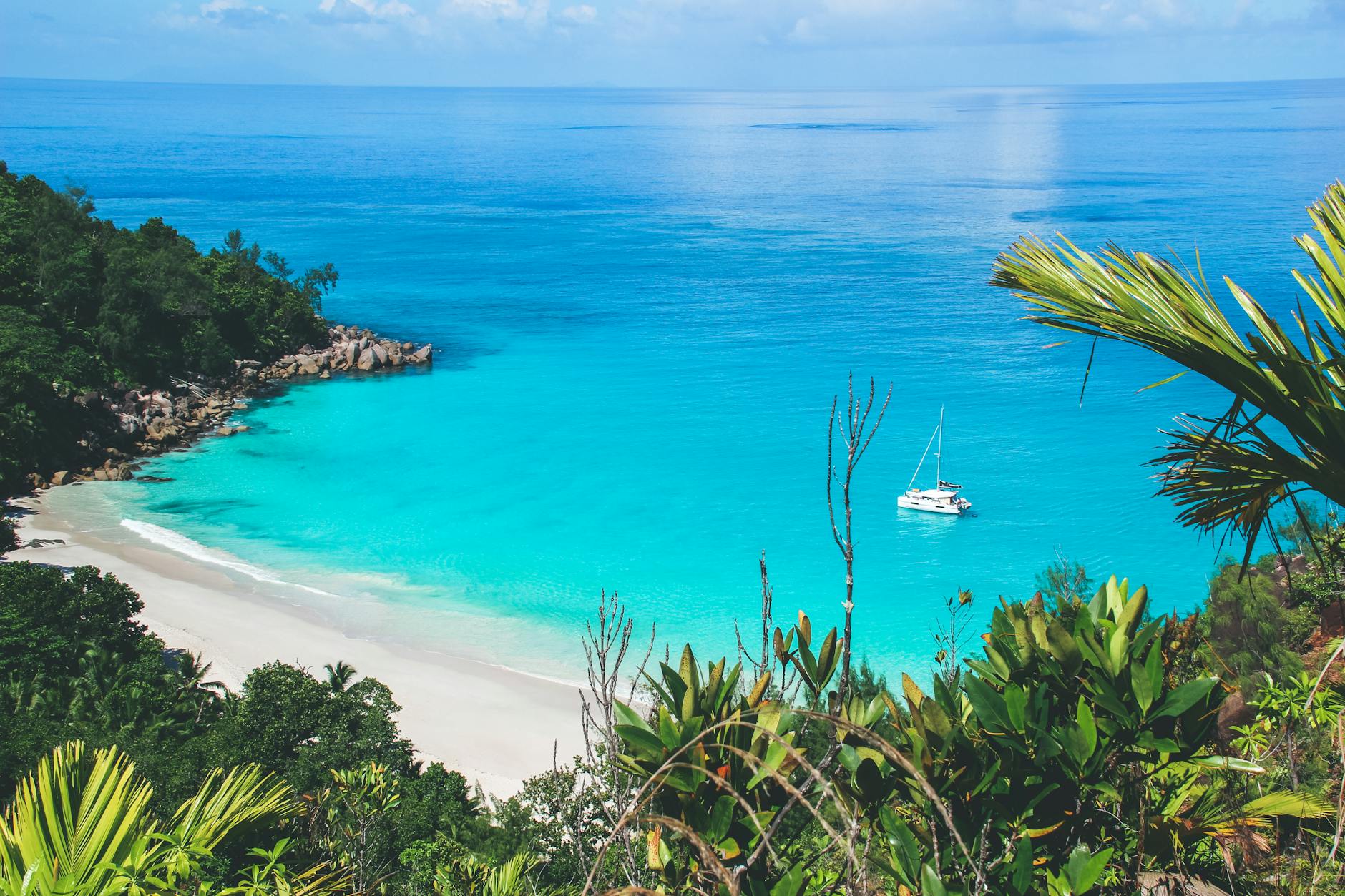
You remember the light on the water at Anse Source d'Argent. The shade of the coco de mer in Vallée de Mai. The moment you step off the ferry on La Digue and everything slows down.
It's not just the beaches—it's the pace. No rush. No crowds (if you choose right). Just island after island of turquoise, granite, and green.
Seychelles works for honeymoons, for a week of doing nothing, for snorkelling and sailing and walking barefoot. It's the kind of place you promise yourself you'll return to.
The rest—how to get there, where to stay, what to pack—we've got that covered in the guides above. This page is the why. The rest is the how.
If this is the trip you've been imagining, start with the buttons at the top. Your perfect Seychelles trip is a few clicks away.