


Beirut sits halfway along Lebanon's coast — a compact capital where Arabic, French and English mix in the same sentence and the same menu.
Gemmayzeh and Mar Mikhael are the streets travellers remember: old French-mandate buildings, new bars, galleries and restaurants that stay busy well past midnight.
The Corniche seafront is made for evening walks — fishermen, runners, families and the sound of the Mediterranean on the seawall.
Downtown's reconstructed core (Solidere) feels polished; Hamra and Achrafieh feel lived-in. Both are worth time.
Lebanese hospitality is direct and generous. Accept the extra dish. Stay for one more coffee. You will understand why people keep coming back.

Lebanon's archaeological wealth is out of proportion to its size. The Phoenicians sailed from here; Romans, Crusaders and Ottomans all left stone behind.
Baalbek in the Bekaa Valley is the headline — the Temple of Bacchus is among the best-preserved Roman monuments anywhere, and the scale of the Temple of Jupiter still stuns first-time visitors.
Byblos (Jbail) claims to be one of the oldest continuously inhabited cities on earth: Phoenician harbour, Roman street, Crusader castle, and a waterfront where restaurants serve fish caught the same morning.
Tyre in the south adds Roman hippodrome ruins and a slower pace. Sidon's sea castle sits in the harbour on columns of old stone.
The Bekaa is also wine country — Ksara, Kefraya and dozens of smaller estates run cellar tours between temple visits.
Mount Lebanon runs parallel to the coast. In summer the high villages are ten degrees cooler than Beirut; in winter the peaks above 2,500 metres take snow.
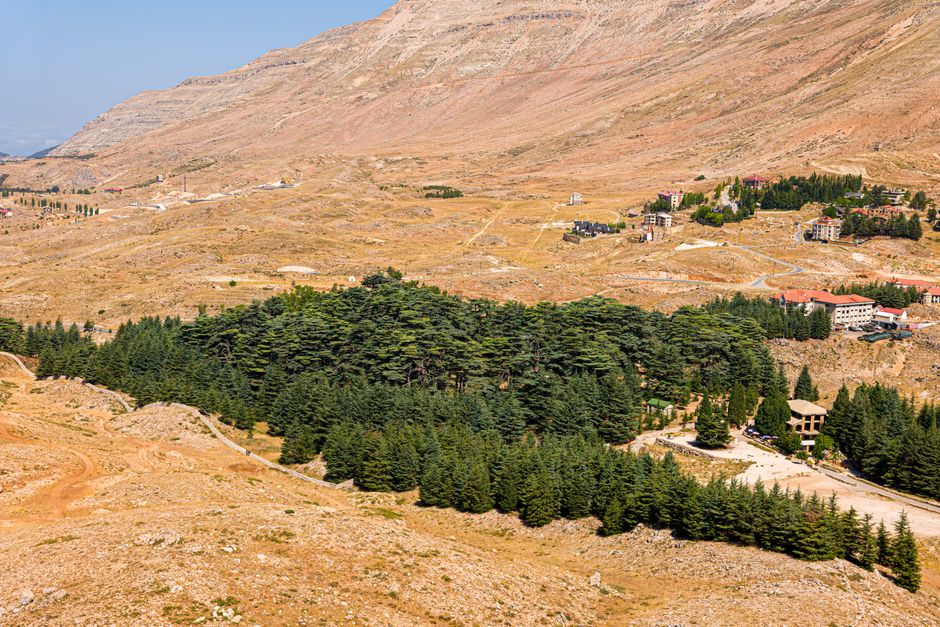
The Cedars of God (Arz) near Bcharré are Lebanon's most famous trees — ancient cedars, some centuries old, protected as UNESCO heritage and woven into the national identity.
The Qadisha Valley (“Holy Valley”) cuts deep through the mountains: monasteries carved into cliffs, hiking paths, waterfalls and silence that feels far from the coast.
The Chouf region combines cedar reserves with Druze villages and the restored palace of Beiteddine — one of the finest examples of Lebanese mountain architecture.
Mzaar Kfardebian is Lebanon's main ski resort, roughly 40 kilometres from Beirut — unusual skiing with Mediterranean views on clear days.
The Mediterranean coast stretches about 225 kilometres — rocky coves, beach clubs near Beirut, and quieter sand around Tyre and the south.
Lebanese food is the country's greatest soft power: mezze shared across the table, charcoal-grilled meats, fresh seafood, manoushe flatbread for breakfast, and pastries from corner bakeries.
Arak — anise spirit diluted with water until it turns white — is the classic lunch companion. Local wine from the Bekaa has improved dramatically and appears on serious restaurant lists.
Tripoli in the north has a vast medieval souk and Mamluk architecture; Batroun is a smaller coastal town with Roman traces and a growing craft-beer scene.
Check current travel guidance before planning a trip. When conditions allow, Lebanon rewards travellers who eat slowly, walk the mountains, and give Baalbek a full morning without rushing.