


Budapest is actually two cities divided by the Danube. Buda on the west—hilly, historic, castle district. Pest on the east—flat, lively, downtown core.
The Parliament building dominates the riverbank. Neo-Gothic. Massive. One of Europe's largest legislative buildings. It looks especially dramatic at night when lit.
Chain Bridge connects Buda and Pest. Built in 1849, destroyed in WWII, rebuilt identically. Walking across at sunset is a Budapest ritual.
The Jewish Quarter in District VII has transformed from WWII devastation to cultural hub. The Great Synagogue—Europe's largest—sits here. So do the ruin bars.
Budapest works as both a city break destination and a base for exploring Hungary's countryside and wine regions.

Budapest sits on 123 natural hot springs. It's called the "City of Spas" and the "World's Spa Capital" for reason.
Széchenyi Baths is the most visited—1.5 million people annually. Neo-baroque architecture. Three massive outdoor pools. Locals play chess in the steaming water. Open 7am-8pm weekdays, 8am-8pm weekends. Saturday nights bring spa parties.
Gellért Baths is considered the most beautiful. Art Nouveau interiors. Wave pool in summer. Rooftop terrace overlooking the Danube. Opens 9am-7pm daily. About 500,000 visitors yearly.
Rudás Baths dates to 1571—Ottoman-era architecture with octagonal pool under a domed ceiling. Turkish tiles throughout. Opens 6am-8pm daily.
The thermal waters contain calcium, magnesium, sulfate, and zinc. Hungarians have used them for over 2,000 years to treat arthritis, muscle pain, and skin conditions. Bathing here is cultural, social, and therapeutic.
Hungarian cuisine centers on paprika. The spice arrived via Ottoman trade routes in the 16th century and now defines the national food identity.
Goulash—or gulyás—is a soup, not a stew. This matters to Hungarians. It contains beef, potatoes, onions, carrots, and abundant paprika in a broth. Cooked traditionally in a bogrács (metal pot) over fire. What foreigners call "goulash" is actually pörkölt—a thick meat stew.
Most Hungarian paprika grows around Szeged and Kalocsa in the south. It ranges from sweet (édes) to hot (csipos). Traditionally, you add it to hot fat—often pork fat—and heat briefly before adding other ingredients.
Other essential dishes: halászlé (fisherman's soup with river fish and paprika), paprikás csirke (paprika chicken), and lecsó (paprika vegetable ragout).
Lard, onion, and paprika form what locals call the "holy trinity" of Hungarian cooking.
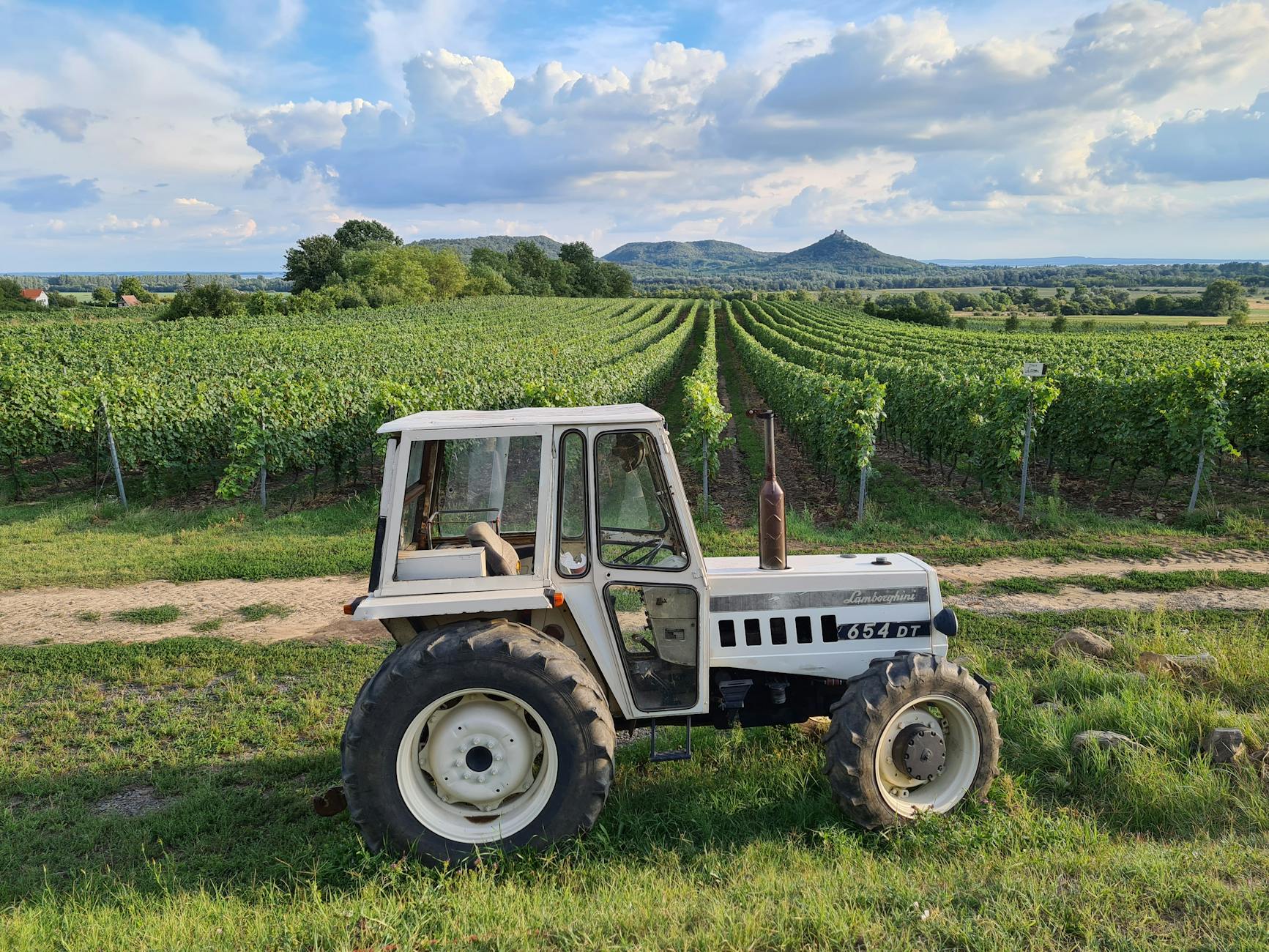
Hungary's wine culture predates most European countries. Two regions stand out: Tokaj and Lake Balaton.
Tokaj-Hegyalja is UNESCO-listed. Located where the Tisza and Bodrog rivers meet, between the Zemplén Mountains and the Great Hungarian Plain. Winemaking here spans over a millennium.
The landscape shows patchwork vineyards, sunflower fields, churches, and castle ruins. Beneath it, hand-dug cellars carved into volcanic rock since 1748 hold some of the world's sweetest and most expensive wines. The region is famous for noble rot wines aged in oak from the surrounding forests.
Lake Balaton—Central Europe's largest lake—creates a unique mesoclimate. The water reflects sunlight, adds humidity, and moderates temperatures. Hills protect from cold winds. The volcanic, basalt, and limestone soils produce increasingly high-quality wines from both shores.
Hungary's wine industry nearly disappeared in the 1800s-1900s due to phylloxera and world wars. It has since rebuilt and rediscovered its identity.