This is your destination guide for New Zealand.
This is your destination guide for Central Otago
📍 Part of New ZealandPinot Noir, an 1862 gold rush, and New Zealand's driest, most almost-continental corner.
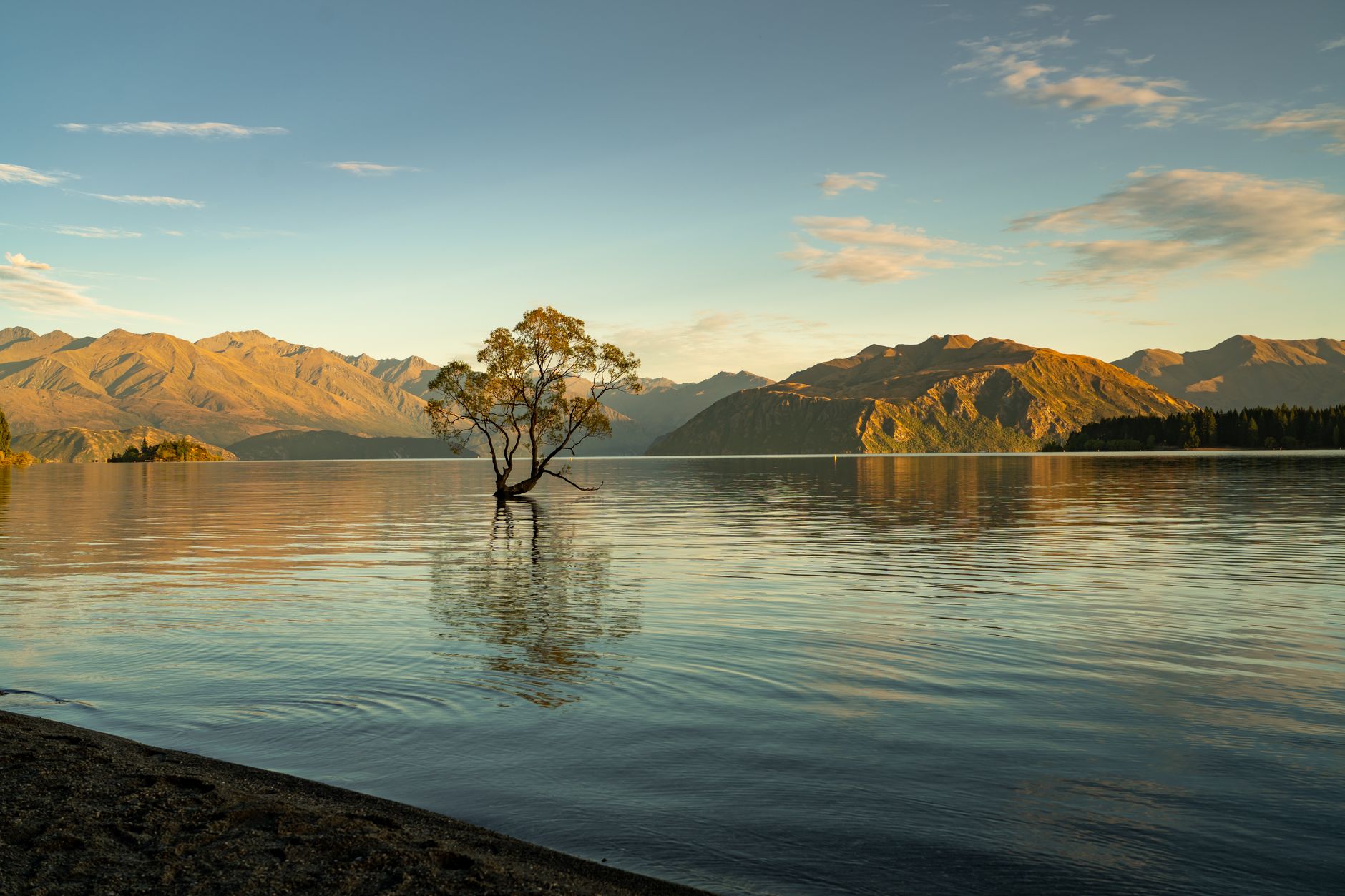

The reality: You come over the Crown Range from Queenstown — the highest sealed road in the country, a steep zig-zag that tops out at 1,076 metres — and the landscape changes under you. The green falls away. Schist tors, dry gold tussock, vines in straight rows. You drop into the Cardrona valley and on to Wānaka, on the edge of a lake the colour of cold steel. This is the one part of New Zealand that feels landlocked.
Most people treat Central Otago as a day trip from Queenstown — a winery lunch, a photo of a tree, back over the hill by dark. That's a mistake. The adrenaline lives in Queenstown; the actual region is wine, gold, and a climate found nowhere else in the country: properly hot, dry summers and frost-hard winters, because here New Zealand is at its widest and furthest from the sea.
Base yourself in Wānaka instead — calmer than Queenstown, lake at the door. Rent a car. Give it three or four days. Taste Pinot by appointment in Bannockburn, walk the restored Chinese settlement in Arrowtown, fill a bag with Cromwell cherries off the tree, and ride a flat old railway line through gold country. You'll wonder why anyone does it in an afternoon.
Two big lakes sit side by side here, separated by a thin ridge of land called The Neck: Lake Wānaka and the quieter Lake Hāwea. Both are glacier-fed and cold enough to make you gasp in January.
#ThatWanakaTree — the lone crack willow standing in the shallows off the Wānaka waterfront. New Zealand's most photographed tree, at least on Instagram. Go at first light if you want it without forty other people; go at any other time and accept the crowd is part of the show.
Mount Iron — the easy walk right by town. 45 minutes up a gentle track, both lakes laid out from the top. The one everyone can do.
Diamond Lake — a short, sharp climb to a lookout over Lake Wānaka. Half a day, no special fitness, and far quieter than the famous peak below.
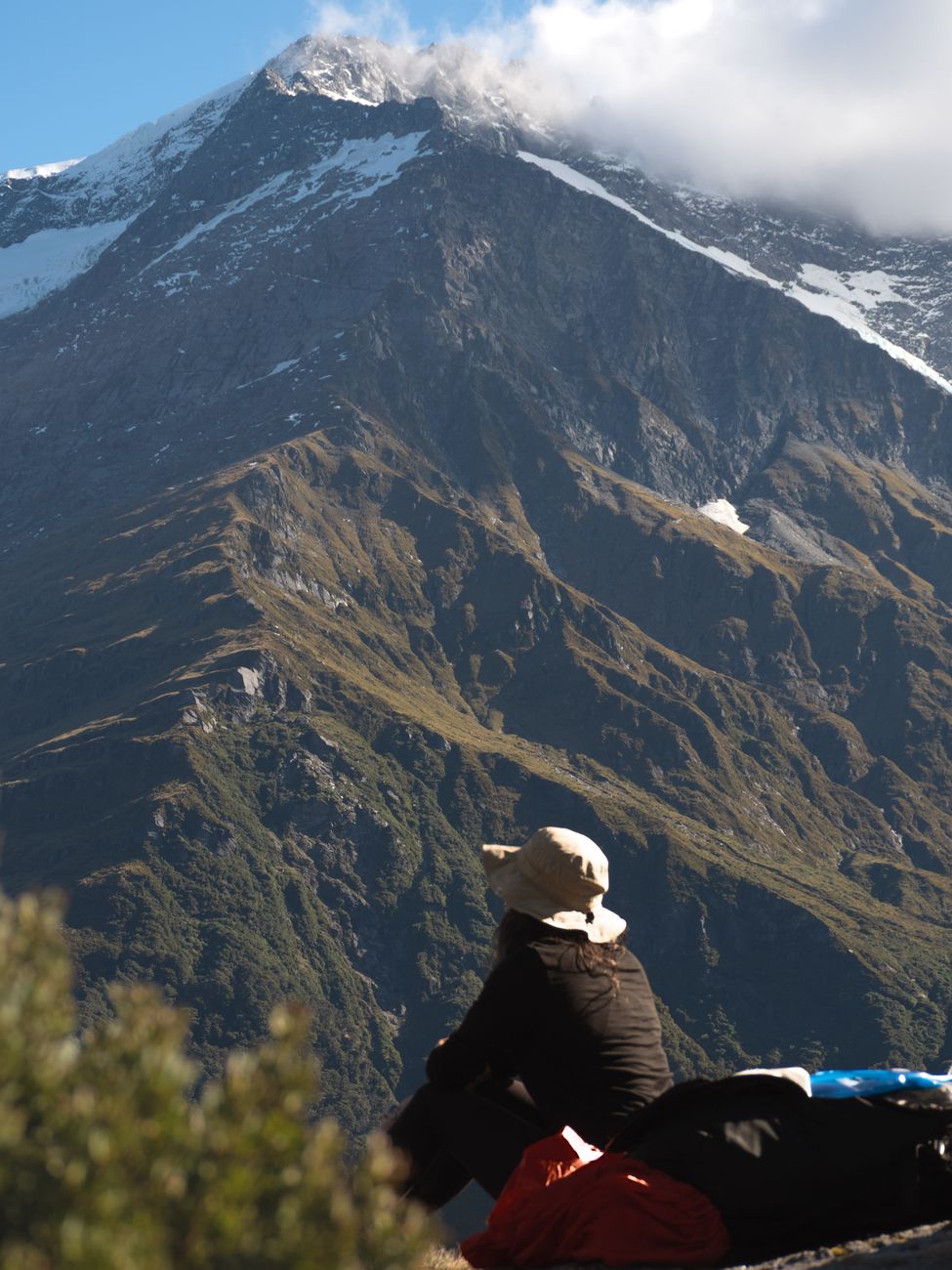
Roys Peak — the postcard ridgeline above Lake Wānaka, 1,578 m, about 16 km return and unrelentingly steep. No shade, no water, and a sunrise queue that has to be seen to be believed. One catch most people miss: it crosses a working farm and closes for lambing from 1 October to 10 November every year, reopening on the 11th.
Isthmus Peak — the local secret above Lake Hāwea. Same effort as Roys, similar views, a fraction of the crowd — and it stays open during the Roys Peak lambing closure.
The Crown Range itself is the high country — tussock, the Cardrona valley, snow on the tops well into spring. The drive over it is half the reason to come.
None of these are big. All of them do something the others don't.

Wānaka — your base. Lakefront town, good food, properly relaxed — Queenstown without the stag parties. Close enough to everything, calm enough to come back to each evening.
Arrowtown — the gold-rush town, and the prettiest. Over 60 original 1860s buildings line Buckingham Street; in autumn the whole place turns gold and red and gets photographed half to death, deservedly. The deep history is in the next section.

Cromwell — stone-fruit capital, marked by a giant fruit sculpture you can't miss on the way in. The old town centre was drowned when the Clyde Dam flooded the valley to make Lake Dunstan; what survived was moved to a lakeside heritage precinct worth an hour.
Clyde — small, stone, and the southern trailhead for the Rail Trail. Schist cottages, a big dam, and a couple of very good restaurants for a town this size.
Bannockburn — barely a village, but it's the heart of Central Otago Pinot. You come here to taste, not to stay.
Gold was found in the Arrow River in 1862, and within a couple of years thousands of miners — European and, increasingly, Chinese — were working the gullies. That history is unusually intact here, and it's the region's best story.

Arrowtown Chinese Settlement — on the banks of Bush Creek, at the top of Buckingham Street. Restored stone-and-iron huts and Ah Lum's old store, free to walk through, cared for by the Department of Conservation. It's the best-preserved early Chinese settlement in the country, and it doesn't flinch from the hard part: by 1874 there were over 3,500 Chinese miners in Otago, mostly working claims everyone else had abandoned, living on the edge of town and the edge of the law.
Lakes District Museum — in Arrowtown's original Bank of New Zealand building. Small entry fee, and they'll rent you a gold pan for a few dollars to try your luck in the Arrow River. Genuinely good on both the gold rush and the Māori history of the district.
Bannockburn Sluicings — a short walk that drops you into a moonscape of cliffs and pinnacles, all of it carved by hydraulic mining blasting the hillsides apart for gold. It sits right among the Felton Road wineries, so you can read a 19th-century mining scar and taste world-class Pinot within the same hour. Very Central Otago.
For people who'd rather pedal and walk than chase an adrenaline ticket.
This is cycling and walking country, not a thrill park. The flat old railway lines and gentle lake tracks are open to anyone with a half-day and decent shoes — and the gold-era scenery does the heavy lifting.
This is wine country first. Central Otago is the world's southernmost commercial wine region, and the schist soils plus that dry, near-continental climate make Pinot Noir of real depth — the reason serious drinkers fly a long way for a cellar door the size of a shed.

Felton Road (Bannockburn) — one of the great New World Pinot producers, biodynamic, by appointment only, Monday to Friday. Two slots a day, roughly 90 minutes through the vineyard and a formal tasting. They don't charge — a point of principle — so book ahead and treat it as the guest visit it is, not a drive-by.
Rippon (Wānaka) — biodynamic, lakeside, farmed by the Mills family since 1912. Free tastings by appointment, seven days, small groups of six. Possibly the most scenic cellar door in the country, a short walk from #ThatWanakaTree.
Gibbston Valley — the region's oldest winery (first vintage 1987) and home to New Zealand's largest wine cave. No booking needed, four-wine flights, a restaurant and a bike centre on site.
One more table: Mt Difficulty in Bannockburn pairs a cellar door and restaurant perched above the Cromwell Basin, looking out over Lake Dunstan. Book the table — the view does half the work.
Beyond the vine: Cromwell is stone-fruit central — pull over at a farm gate from mid-December and pick your own cherries off the tree, then apricots and peaches into the new year. Up on the Crown Range, Cardrona Distillery runs a 75-minute tour (around NZ$25) on the hour: single-malt vodka, gin, an orange liqueur, and its first proper single malt whisky landing in 2026.
December–February — hot (often low-to-mid 30s), bone-dry, long light, cherries off the tree. Also the busiest and priciest, and Roys Peak is a procession. Worth it for the fruit alone.
March–May — the quiet stroke of genius. Arrowtown turns gold, harvest is on, the heat eases. The Arrowtown Autumn Festival in late April is the one local event worth planning around.
June–August — cold, frosty, often snowy. This is the "coldest, driest" half of the region's reputation made real: hard frosts, ski fields above Wānaka, curling, and very few crowds. Some Rail Trail businesses shut for the season.
September–November — blossom and lambing. Lovely, but remember Roys Peak is closed 1 October to 10 November, and shoulder weather swings hard.
Rent a car — non-negotiable. The cellar doors, the sluicings, the lake tracks and the orchards all sit at the end of roads no bus services properly.
Getting in: you'll fly into Queenstown, which is the gateway and nothing more for this trip. From there it's about an hour to Wānaka over the Crown Range — the highest sealed through-road in New Zealand, gorgeous and steep, and genuinely snowy in winter. Carry chains, or take the longer, gentler State Highway 6 through the Kawarau Gorge.
Distances are small: Wānaka to Cromwell is under an hour, Cromwell to Bannockburn ten minutes, Wānaka to Arrowtown about fifty over the range. Between the wine villages there's essentially no public transport — but the cycle trails link a surprising number of them if you'd rather pedal than drive.
Pick a base by what you're here for. Distances are short, so any of these works for the whole region — but each has a different feel.
Wānaka — for the lake and the calm. Best all-round base: food, walks from the door, everything within an hour.
Arrowtown — for heritage and autumn colour, and the closest base to the Gibbston wineries.
Cromwell or Bannockburn — for staying in the vines, with stone fruit and Lake Dunstan on the doorstep.
Clyde — for the Rail Trail and stone-cottage quiet.
Cardrona valley — for the alpine and the ski fields, around one of New Zealand's oldest pubs (the Cardrona Hotel, 1863).
A vineyard lodge — best with a car and at least three nights.
Central Otago rides on Queenstown's prices — this isn't a budget region — but it's a notch softer than Queenstown itself, and the Pinot tastings that matter most (Felton Road, Rippon) cost nothing.
Prices in 2026 NZ dollars. Off-season knocks 30–40% off accommodation, and several of the best tastings are free — you pay in driving, not dollars.
Go if you want world-class Pinot tasted by appointment, gold-rush towns with the Chinese miners' story still standing, and the one almost-continental basin in New Zealand — cherries in summer, frost and stars in winter. Skip if you came for Queenstown's adrenaline, or you won't get behind a wheel.
Found this useful? Share it.
Still planning?
We don't stop at "here's the country." Real places to stay, what to do, apps that matter, even how to find someone to travel with — plus guides for whatever vibe you're after, from beach days to wine country to slow weekends. All up top. Spin for somewhere new when you're done with this one.