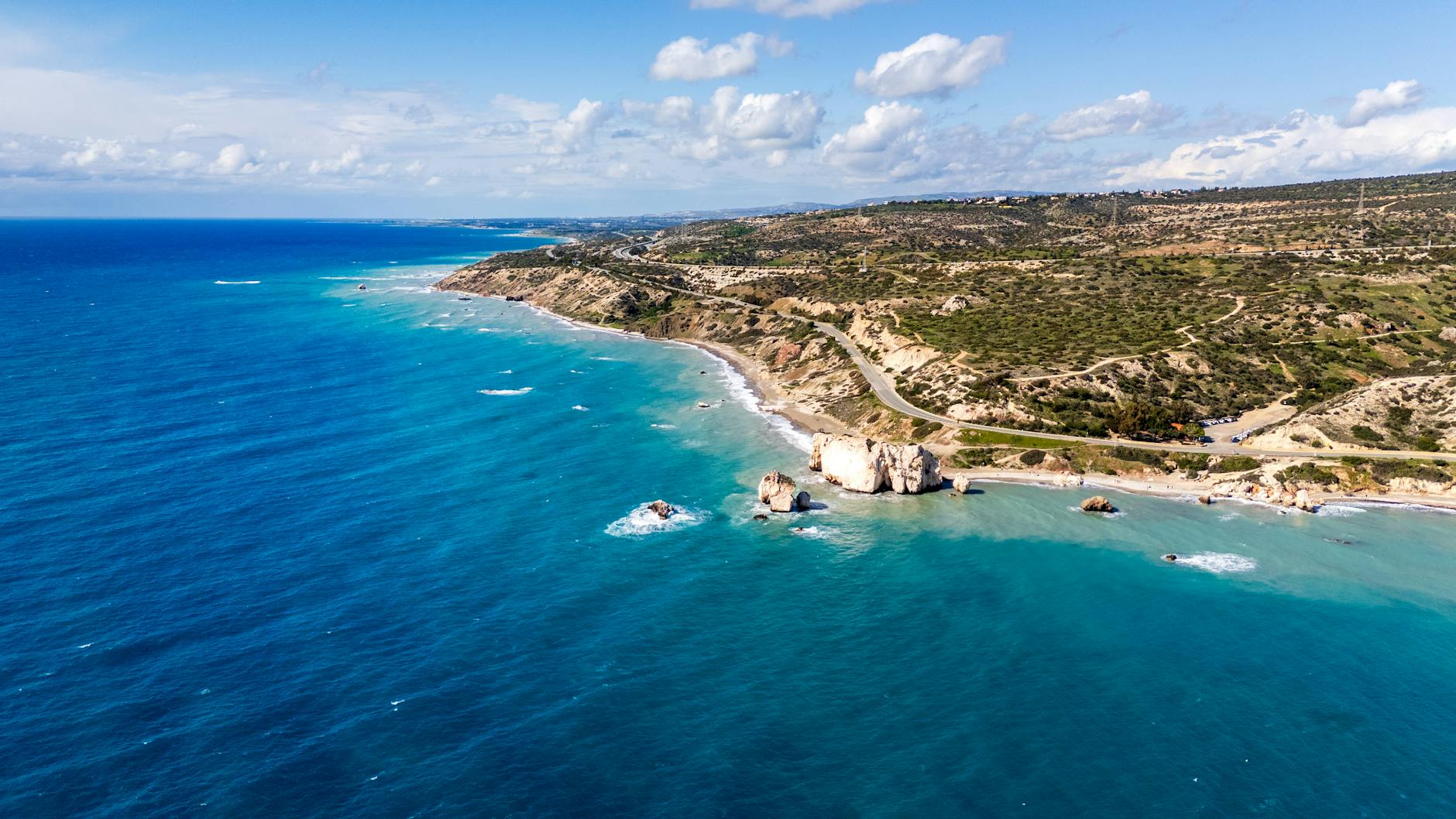
Le littoral chypriote varie énormément. La côte est signifie Ayia Napa—sable blanc, eau claire, vie nocturne. Protaras juste à côté offre des plages familiales sans ambiance festive.
Paphos et Limassol sur la côte sud/sud-ouest apportent des criques rocheuses, des ports antiques et une baignade toute l'année (eau à 18-28°C).
La péninsule d'Akamas dans le nord-ouest reculé reste le littoral le plus sauvage de Chypre. La baie de Lara est un site de nidification des tortues marines—protégé, vierge, difficile d'accès. En vaut la peine.
Les plages Blue Flag partout signifient eau propre et bonnes installations. La Méditerranée reste chaude avril-novembre.
La culture de plage mélange bain de soleil européen, sports nautiques et tavernas en bord de mer servant du poisson frais.
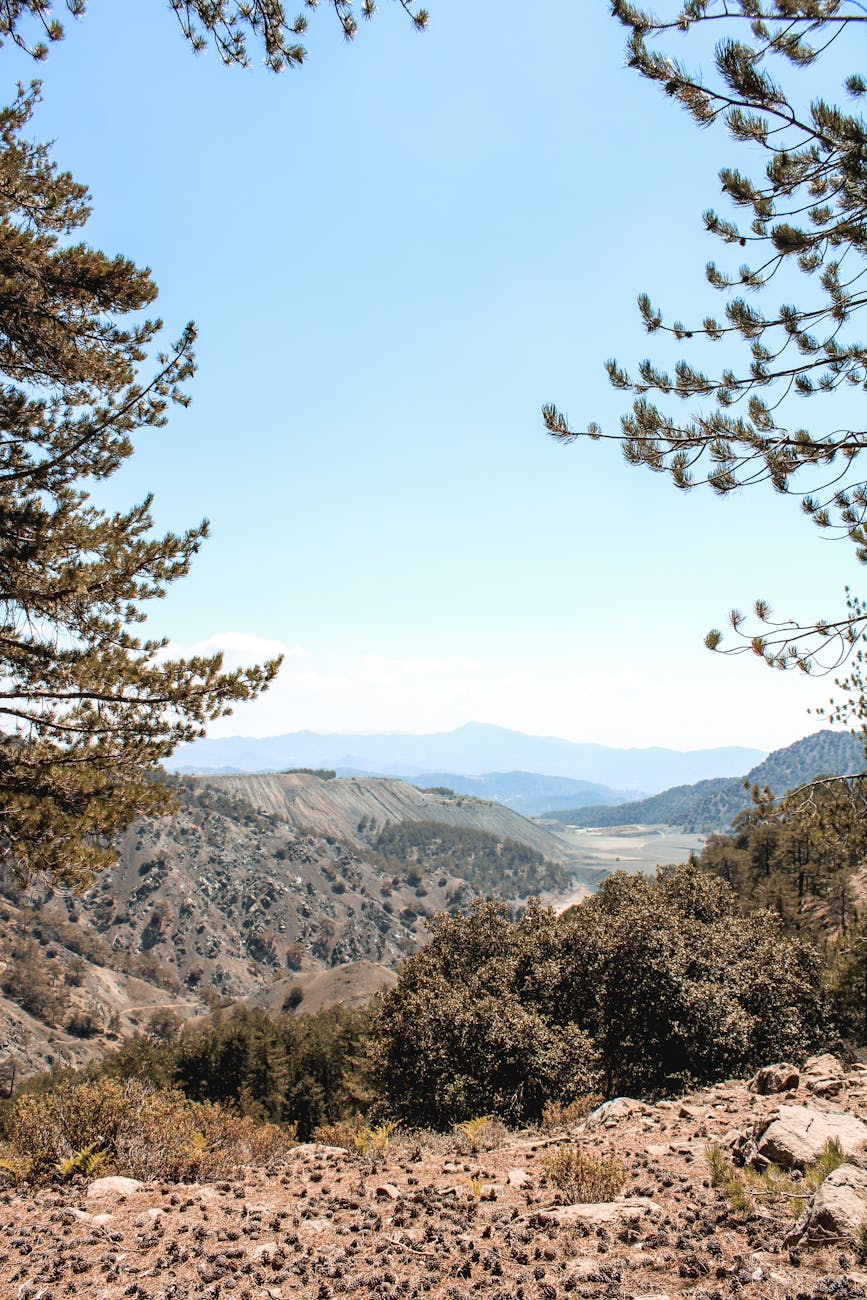
Les montagnes du Troodos forment une arête accidentée au centre de l'île. La température est 5-10°C plus froide qu'à la côte. Les villages aux parfums de pin offrent une échappatoire estivale à la chaleur des plages.
Les villages montagnards comme Omodos, Kakopetria et Platres maintiennent une architecture traditionnelle en pierre. Rues étroites, tavernas couvertes de vignes, rythme lent.
Les régions viticoles entourent les montagnes—Commandaria est le plus ancien vin nommé au monde (depuis 800 av. J.-C.). Les caves offrent des dégustations. Les variétés locales incluent Xynisteri (blanc) et Maratheftiko (rouge).
Les églises byzantines disséminées dans les montagnes contiennent des fresques inscrites à l'UNESCO. L'itinéraire de l'église peinte relie dix églises avec un art médiéval extraordinaire.
Le mont Olympus (1 952 m) offre la randonnée en été, occasionnellement de la neige en hiver. Seule station de ski de Chypre opérée ici janv.-mars—petite mais unique.
Le parc archéologique de Paphos contient des mosaïques romaines incroyables—vieilles de 1 800 ans, dépeignant la mythologie grecque dans un détail complexe. Entrée €4,50. Vaut des heures.
Tombes des rois (nécropole du 4e siècle av. J.-C.) creusées dans la roche souterraine. Pas de vrais rois—citoyens riches. Échelle impressionnante. Chaud en été—apportez de l'eau.
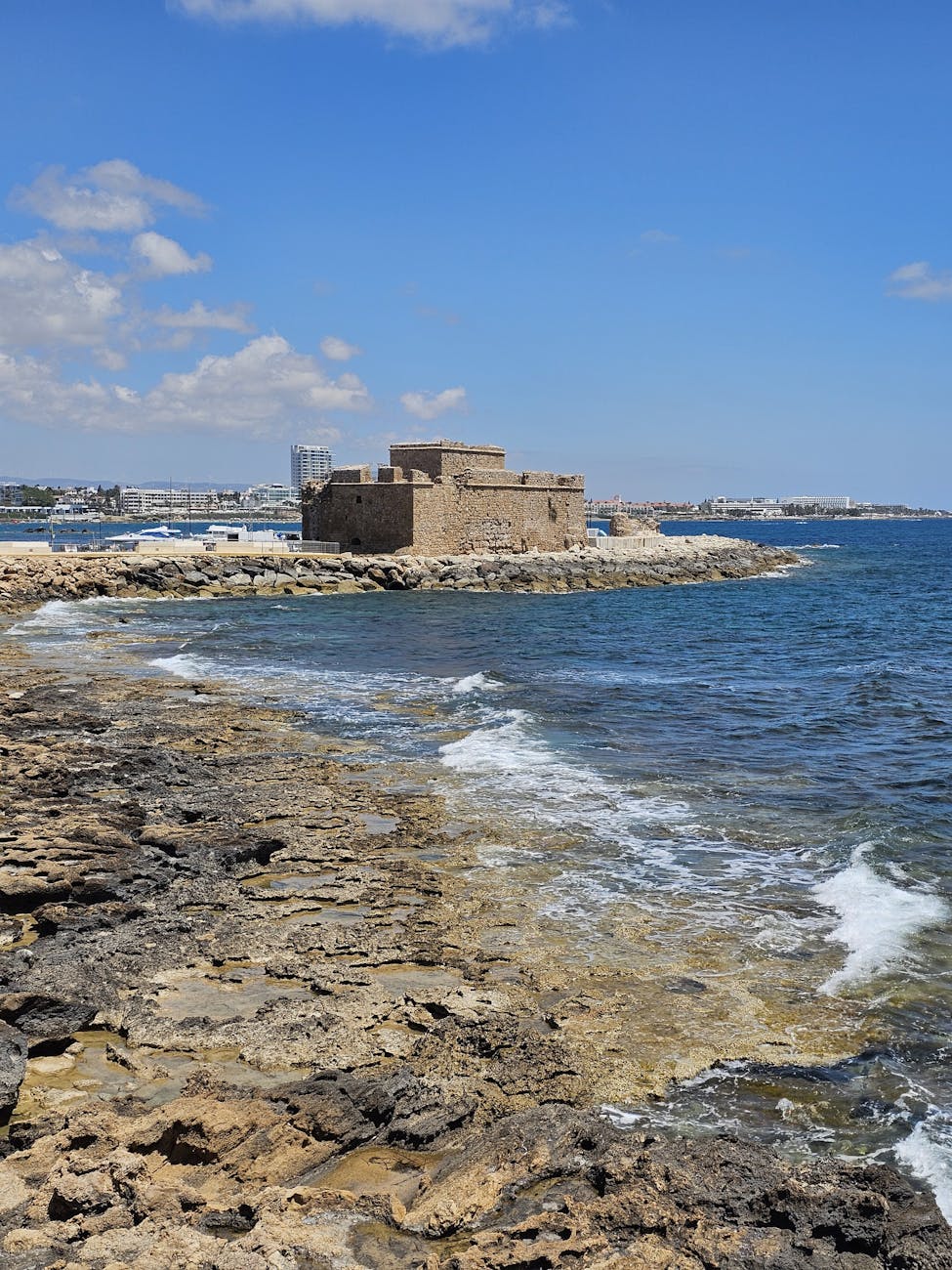
Le port de Paphos apporte un fort médiéval, des restaurants en bord de mer, des excursions en bateau. Axé sur les touristes mais charmant. Fruits de mer frais, vues au coucher du soleil.
Le Kourion ancien près de Limassol présente un amphithéâtre gréco-romain sur falaise. Toujours utilisé pour les performances estivales. Le décor méditerranéen est spectaculaire.
L'histoire de Chypre s'épaissit—grec, romain, byzantin, croisé, ottoman, britannique. Chaque époque a laissé des monuments. La fatigue du musée est réelle—allez-y progressivement.
Nicosie se divise entre le sud chypriote grec et le nord chypriote turc. La « ligne verte » divise la ville depuis 1974. La zone tampon de l'ONU traverse la vieille ville.
Vous pouvez traverser entre le nord et le sud—apportez un passeport. Découvrez deux cultures, deux devises (euro au sud, livre turque au nord), deux cuisines dans une seule ville.
La vieille ville au sud apporte des bâtiments restaurés, le musée de Chypre (meilleure collection archéologique de l'île), des artisans traditionnels encore au travail.
Le côté nord (Lefkoşa en turc) offre l'architecture ottomane, la mosquée Selimiye (ancienne cathédrale gothique), des prix plus bas, une énergie différente.
La situation politique est sensible—évitez les opinions fortes. Les deux côtés croient avoir raison. La plupart des Chypriotes veulent la réunification mais sont en désaccord sur les modalités.