
Czech Republic Drink Guide
From the terraced limestone vineyards of Moravia to Prague's Gothic wine cellars and the spa town where the world's most famous herbal liqueur was born — Czech drinking culture runs deeper than most visitors ever discover.
Most travellers come to the Czech Republic for beer — and rightly so. But behind Bohemia's golden lagers lies an entirely separate world: the vineyards of South Moravia, stretching across limestone hills along the Austrian and Slovak borders, producing whites of real elegance and reds of genuine character. Fewer than one in ten visitors ever makes it to Mikulov or Znojmo. That is your advantage.
Then there is Becherovka — the bitter-sweet herbal liqueur from Karlovy Vary, made to a recipe of 20 herbs and spices that has never been written down in full. And slivovice, the plum brandy that Moravians treat as practically a food group. Czech drinking culture is layered, regional, and stubbornly its own. Here is where to experience it in person.
This guide contains information about alcoholic beverages and is intended for adults of legal drinking age in their country.
Wine — Vineyards & Cellars
Moravia accounts for 96% of Czech wine production, concentrated in four sub-regions along the southern border. The Mikulovská produces elegant mineral whites from limestone soils; the Znojemská is the kingdom of Grüner Veltliner and Sauvignon Blanc. Neither is well known outside Central Europe — which is why the wines here still offer real value and genuine discovery.
Mikulovská — Pálava Hills & Valtice
The Mikulovská sub-region wraps around the Pálava protected landscape area — a ridge of dramatic white limestone cliffs rising above the flatlands north of the Austrian border, with Mikulov's Baroque castle visible from vineyards across the valley. The limestone soils here produce wines of aromatic intensity and refreshing mineral acidity: Pálava (a uniquely Czech grape born from a cross of Traminer and Müller-Thurgau), Riesling, Welschriesling, and Pinot varieties. The nearby town of Valtice, inside the UNESCO-listed Lednice–Valtice cultural landscape, is home to the National Wine Centre — the single most important destination for understanding what Czech wine can be.
Key grapes: Pálava · Riesling · Welschriesling · Grüner Veltliner · Pinot Blanc · Pinot Gris
Sonberk Winery
Popice, Mikulovská
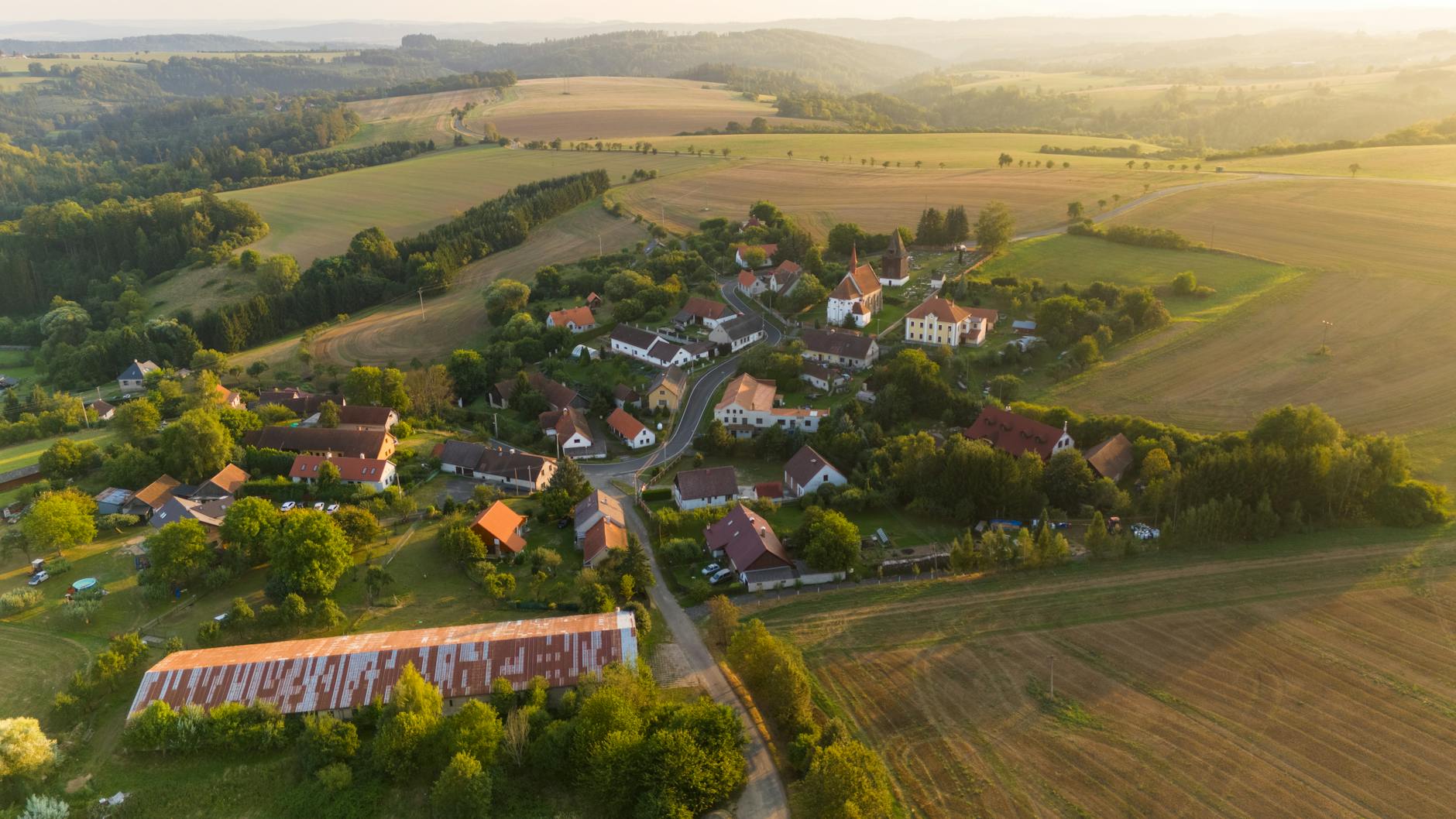
The most architecturally striking winery in the Czech Republic — a sweeping modern building perched on a hilltop above Popice village, with floor-to-ceiling glass framing the Pálava hills and the Mikulov castle skyline beyond. Sonberk farms 64 hectares of vineyards around the estate, producing a full range of Moravian varieties across multiple quality tiers: from entry-level varietals to their prized single-vineyard Terroir series. The estate is particularly respected for its Pálava, Riesling, and Pinot Gris. The tasting room operates year-round and offers tastings by appointment or walk-in during opening hours; the hilltop terrace is one of the most beautiful settings in Moravian wine country. Their wine tourism programme includes cellar tours, seasonal events, and the April Wine Festival.
⏱ Tasting room open year-round · 📍 Popice 279, near Mikulov · 📅 Book via sonberk@sonberk.cz or +420 777 630 434
Visit Sonberk → Reviews and book →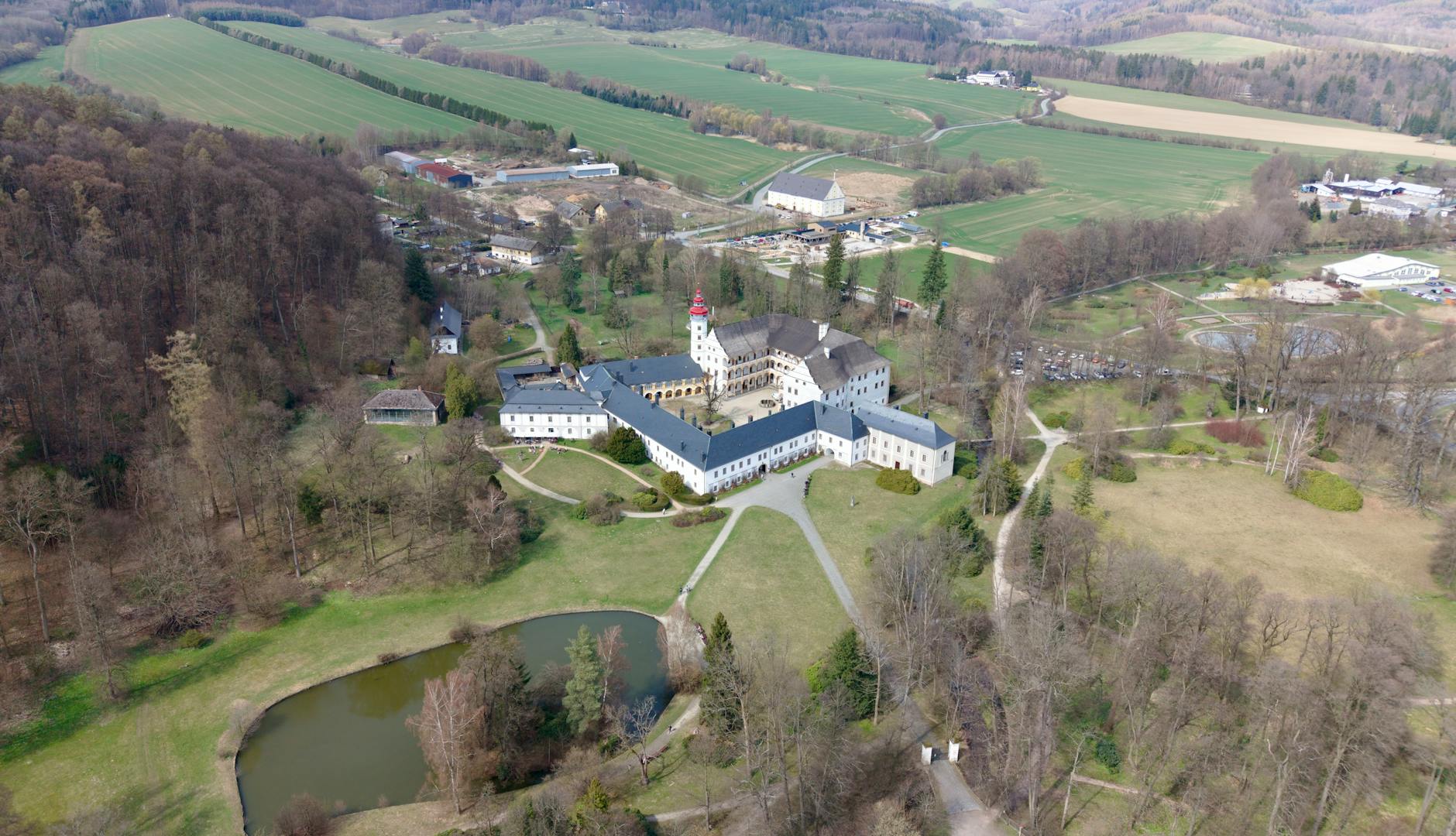
National Wine Centre — Salon vín ČR
Valtice Chateau, Mikulovská
The most important wine destination in the Czech Republic — a permanent tasting exhibition housed in the vaulted cellars of Valtice State Chateau, part of the UNESCO Lednice–Valtice cultural landscape. Every year the National Wine Centre (Národní vinařské centrum) conducts the Salon vín ČR competition, selecting the 100 best wines from across Moravia and Bohemia. Those wines are then displayed in the cellars for a year-round public tasting: 100 bottles, 61 wineries, all from the current vintage cycle, with visitor voting open throughout the season. It's a uniquely Czech institution — systematic, democratic, and genuinely useful for navigating a wine culture that most visitors arrive knowing nothing about. The 2026 edition features 69 white wines, 26 reds, 3 sparkling, and 2 rosé across 25 grape varieties. Buy tickets online in advance for a small discount.
⏱ Tue–Thu 10:30–17:00, Fri–Sat 10:30–19:00 · 💰 Tickets with tasting available online · 📍 Valtice State Chateau, Valtice · ⚠️ Closed January
Visit National Wine Centre → Reviews and book →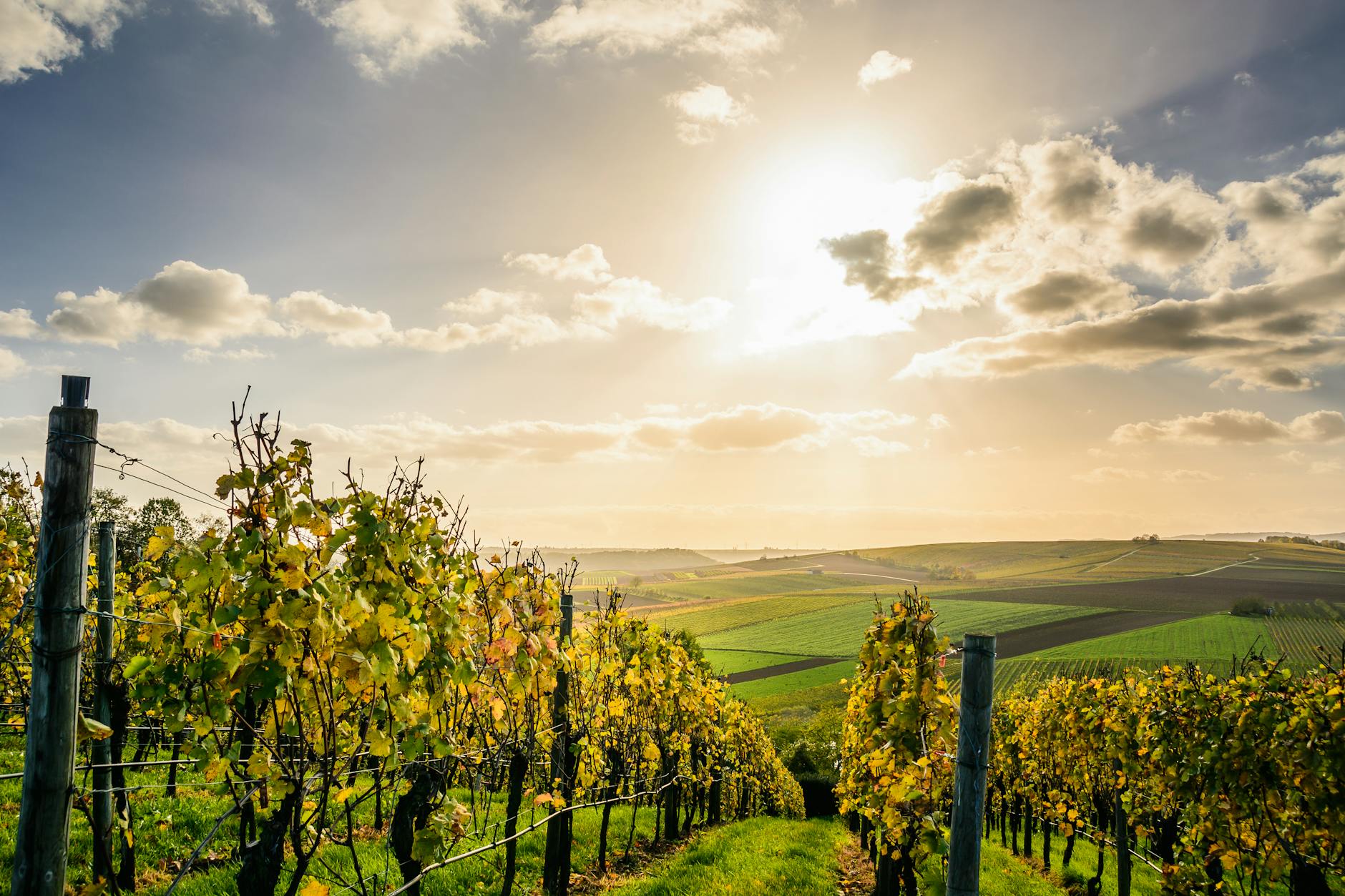
Winery Volařík
Mikulov, Mikulovská
A family winery rooted in the heart of Mikulov town, producing single-vineyard wines from the Mikulovská sub-region's limestone-rich hillsides. Volařík is known for its Pálava — a grape that almost no other country grows — alongside Riesling, Pinot varieties, and selected reds from the Velké Pavlovice area. Their tasting experience is genuinely personal: the cellar is in a historic Mikulov building, and visits here feel nothing like a tourist operation. Eleven wine samples are always available at the reception during opening hours without advance booking. The winery also operates the U Čápa wine shop in Mikulov's old town centre — a good starting point if you arrive without a reservation. Guided tastings with catering, dulcimer music, and cellar access can be arranged for groups in advance.
⏱ Walk-in tasting at reception · 🎻 Group tastings with dulcimer by arrangement · 📍 Mikulov, South Moravia
Visit Winery Volařík → Reviews and book →Znojemská — The Grüner Veltliner Kingdom
The Znojemská sub-region stretches along the Dyje (Thaya) river valley near the Austrian border, centred on the ancient fortified town of Znojmo. This is Czech wine's most aromatic quarter: fresh, mineral whites dominated by Grüner Veltliner (called Veltlínské zelené here), Riesling, and Sauvignon Blanc — grape varieties that thrive in the region's cooler temperatures and loess-over-granite soils. The Šobes vineyard, a protected medieval site inside the Podyjí National Park, is among the most geologically distinctive vineyard sites in Central Europe. Znojemská has been quietly producing wines that match quality-for-quality with their neighbours across the Austrian border for decades — usually at considerably lower prices.
Key grapes: Grüner Veltliner · Riesling · Sauvignon Blanc · Welschriesling · Traminer · Frankovka
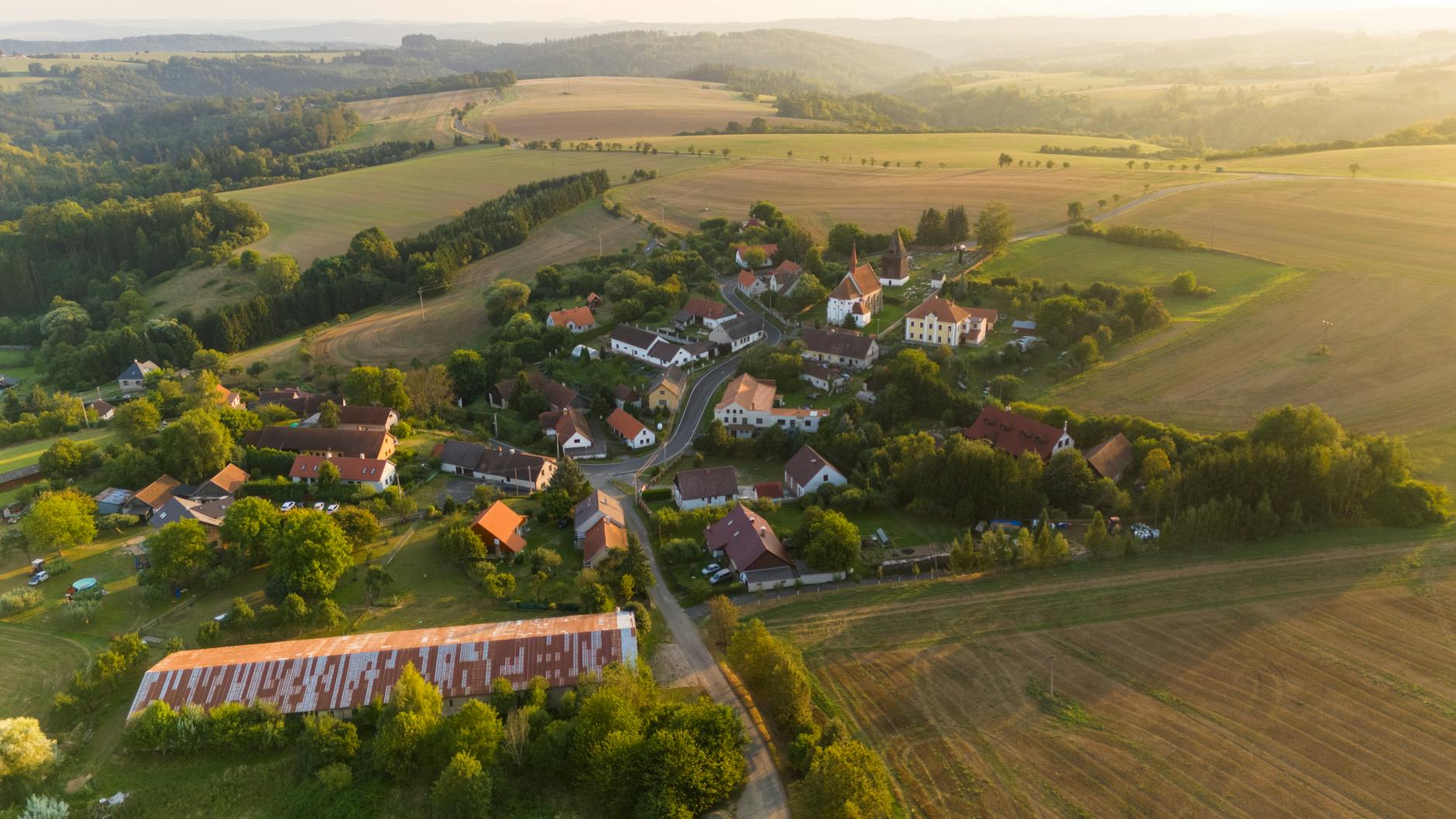
Vinařství THAYA
Znojmo, Znojemská
Named after the Thaya/Dyje river that winds through the Podyjí National Park immediately below the vineyard, Vinařství THAYA has built one of the most complete wine tourism destinations in the Czech Republic — winery, restaurant, and hotel combined in a single estate. The winery was named Winery of the Year by the Wines from Czech Republic organisation (recognised by Falstaff), and their Grüner Veltliner, Riesling, and Sauvignon Blanc reflect exactly what the Znojemská is capable of when grown on the right granite-and-loess soils with care. Restaurant APRI serves traditional Znojmo cuisine modernised with European technique — one of the most serious restaurant kitchens in the region. The hotel makes this an ideal overnight base for exploring the Znojemská wine sub-region and the national park on foot or by bike. Tastings for groups (10+ people) can be arranged in advance.
⏱ Restaurant Tue–Sat 12:00–22:00, Sun 12:00–20:00 · 🏨 Hotel on site · 📍 Znojmo area, South Moravia
Visit Vinařství THAYA → Reviews and book →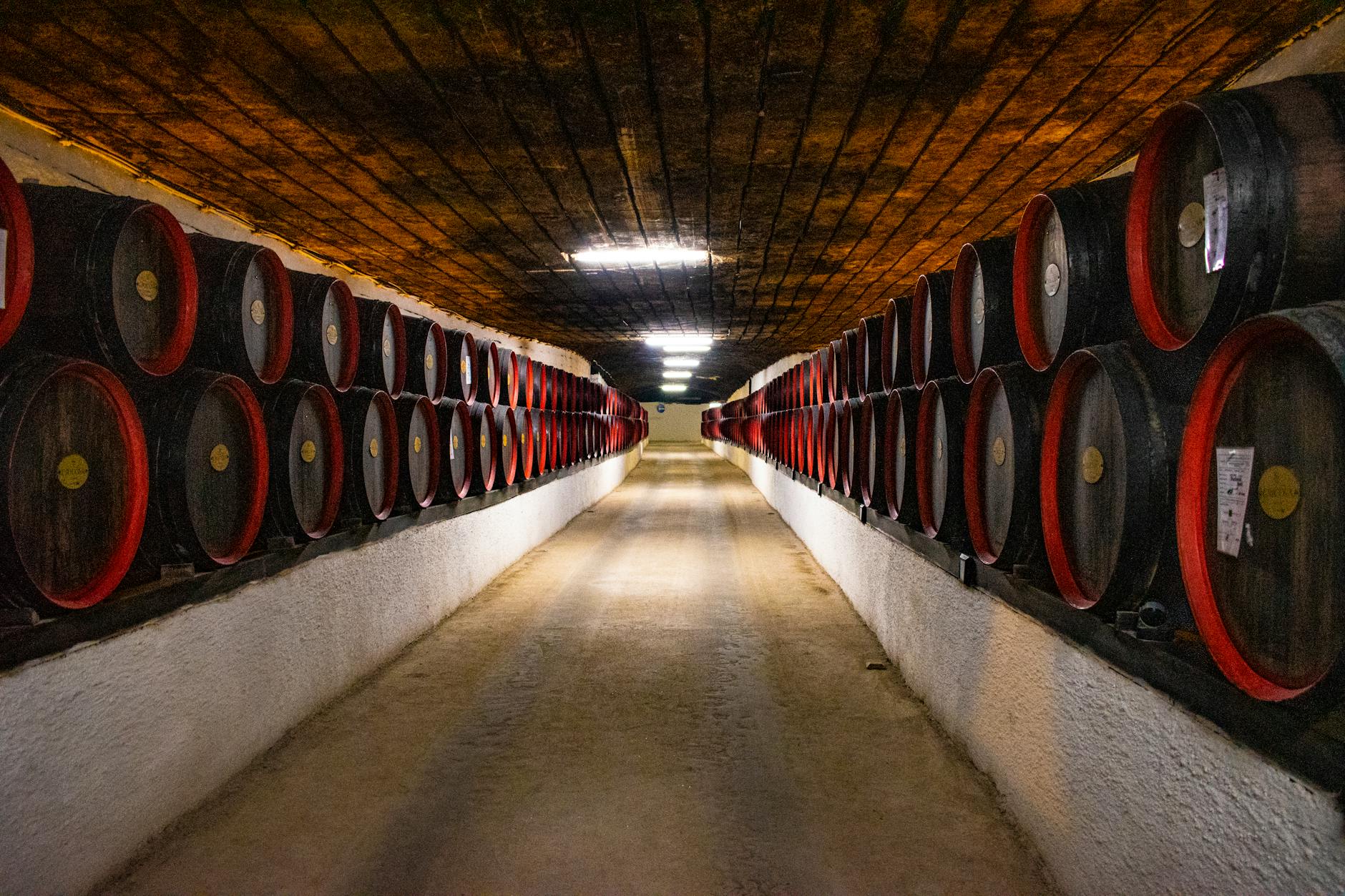
Znovín Znojmo
Šatov, Znojemská
The largest winery in the Znojemská sub-region — managing over 500 hectares of vineyards including the legendary Šobes site, a narrow medieval vineyard peninsula inside the Podyjí National Park where vines have been cultivated since at least the 14th century. Znovín Znojmo produces around 4 million bottles annually across a wide range of varietal wines, including the Terroir collection from single vineyard sites and their Ještěrka zelená (Little Green Lizard), Ledňáček říční, and Rosnička zelená popular quality tiers — each named after local wildlife found in the Šobes vineyard area. The primary visitor experience is at the historic Loucký Monastery in Znojmo, which houses a visitors' centre, event spaces, and art exhibitions alongside wine tastings. The Moravian Cellar in Šatov contains an extensive wine archive for more serious exploration.
⏱ Visitors' centre at Loucký Monastery, Znojmo · 🏛️ Historic cellar tours · 📍 Šatov 404, Znojemská · 📞 +420 515 266 620
Visit Znovín Znojmo → Reviews and book →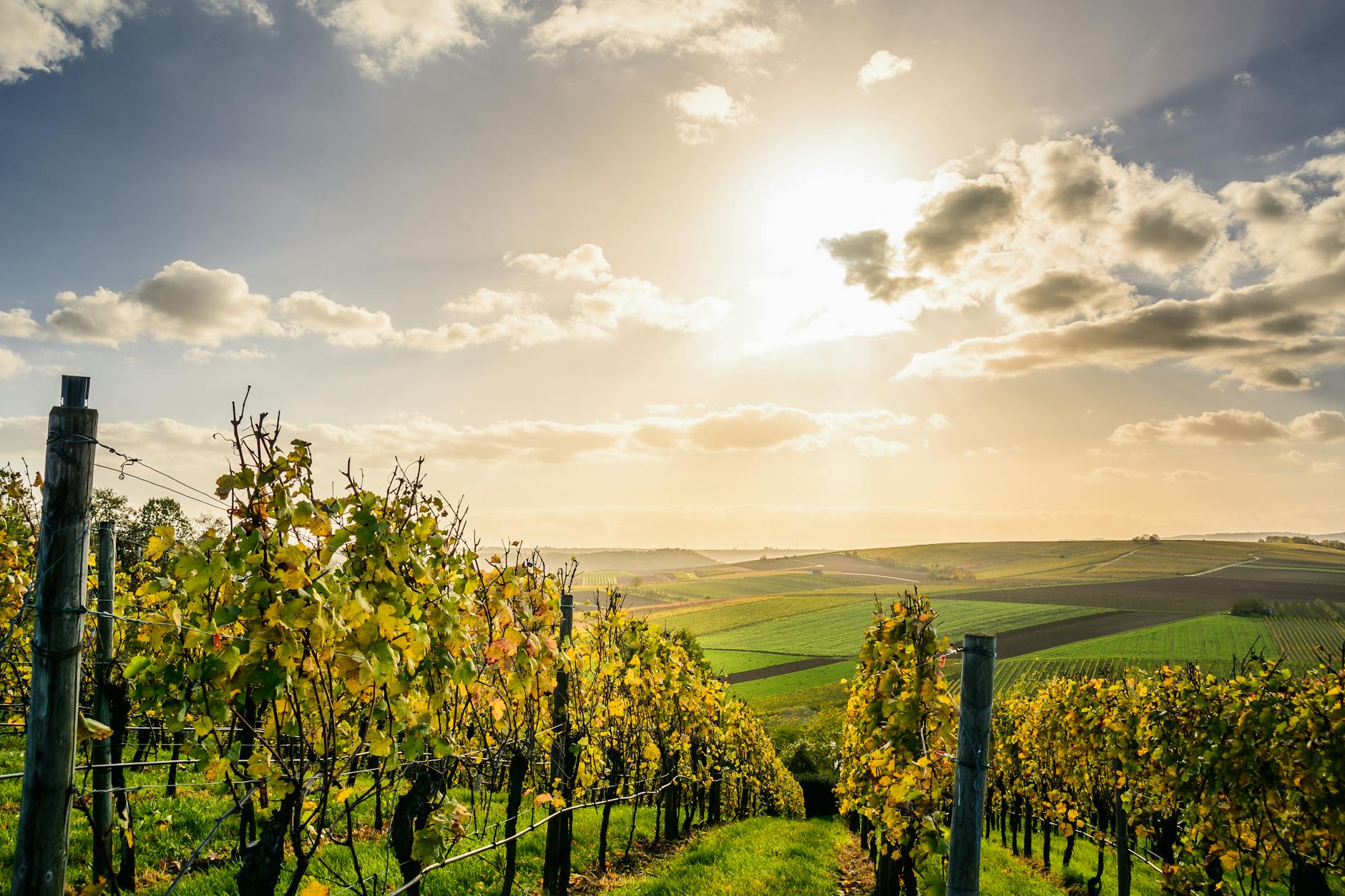
Vinařství LAHOFER
Dobšice, Znojemská
The most architecturally striking winery building in the Znojemská sub-region — a bold new headquarters designed by Brno-based architectural studio Chybík+Krištof, completed in 2020 on a gentle vineyard slope near Znojmo. The building itself is worth visiting for its design alone: a dramatic concrete and glass structure embedded into the hillside at the U Hájku vineyard site, with a public tasting room and wine shop open to walk-in visitors. Behind the architecture is a serious wine operation: 430 hectares of owned vineyards in the Znojemská sub-region, producing 800,000 bottles of quality wine annually, specialising in the region's signature varieties — Riesling, Grüner Veltliner, Welschriesling, and Sauvignon Blanc. The Vinný hrádek Lampelberg — a seasonal hilltop wine pavilion — offers an extraordinary backdrop for wine tasting with Znojmo views. Check their website for current opening hours and seasonal events.
⏱ Tasting room & shop open to walk-ins · 🏗️ Award-winning architecture · 📍 Dobšice (near Znojmo), Znojemská
Visit LAHOFER → Reviews and book →🍷 Practical Wine Tips
- The best time to visit Moravian wine country is May–June (blossoming vineyards, warm days) or September–October (harvest season, open cellar events). The annual Open Cellars weekend (Otevřené sklepy) in April sees dozens of small producers open their cellars simultaneously — one of the best wine weekends in Central Europe
- Mikulov is 2.5 hours from Prague by train (change in Brno) or a 50-minute drive from Brno — plan at least two nights to properly explore the Mikulovská and make day trips to Valtice and the wine villages of Pavlov and Dolní Dunajovice
- The Moravian Wine Trail (Moravská vinná stezka) is a 1,200 km cycling network through all four sub-regions — rental bikes are available in Mikulov and Znojmo; the flat sections around Valtice and the Pálava are the most accessible for casual riders
- Czech wine law uses a classification based on harvest ripeness: "pozdní sběr" (late harvest), "výběr z hroznů" (selected harvest), "výběr z bobulí" (selected berry harvest). The highest level, "Ledové víno" (ice wine) and "Slámové víno" (straw wine), are produced in tiny quantities and rarely exported — they're Czech wine's most exclusive secret
- Pálava is a grape variety unique to the Czech Republic, created in 1977 by crossing Traminer and Müller-Thurgau — it produces intensely aromatic wines with floral and peach notes. If you see it on a list, try it: you genuinely cannot get this anywhere else in the world
- Wine bought directly from Moravian estates (Ab-Hof) typically costs 30–50% less than the same bottles in Prague shops or restaurants
Wine Bars & Vinotéky
Czech wine bar culture has quietly matured into something genuinely exciting — particularly in Prague and Brno, where a new generation of wine professionals has moved Moravian wine from local curiousity to serious offering. The best places pour both Czech and international wine with real knowledge.
Vinograf
Senovážné náměstí, Prague 1
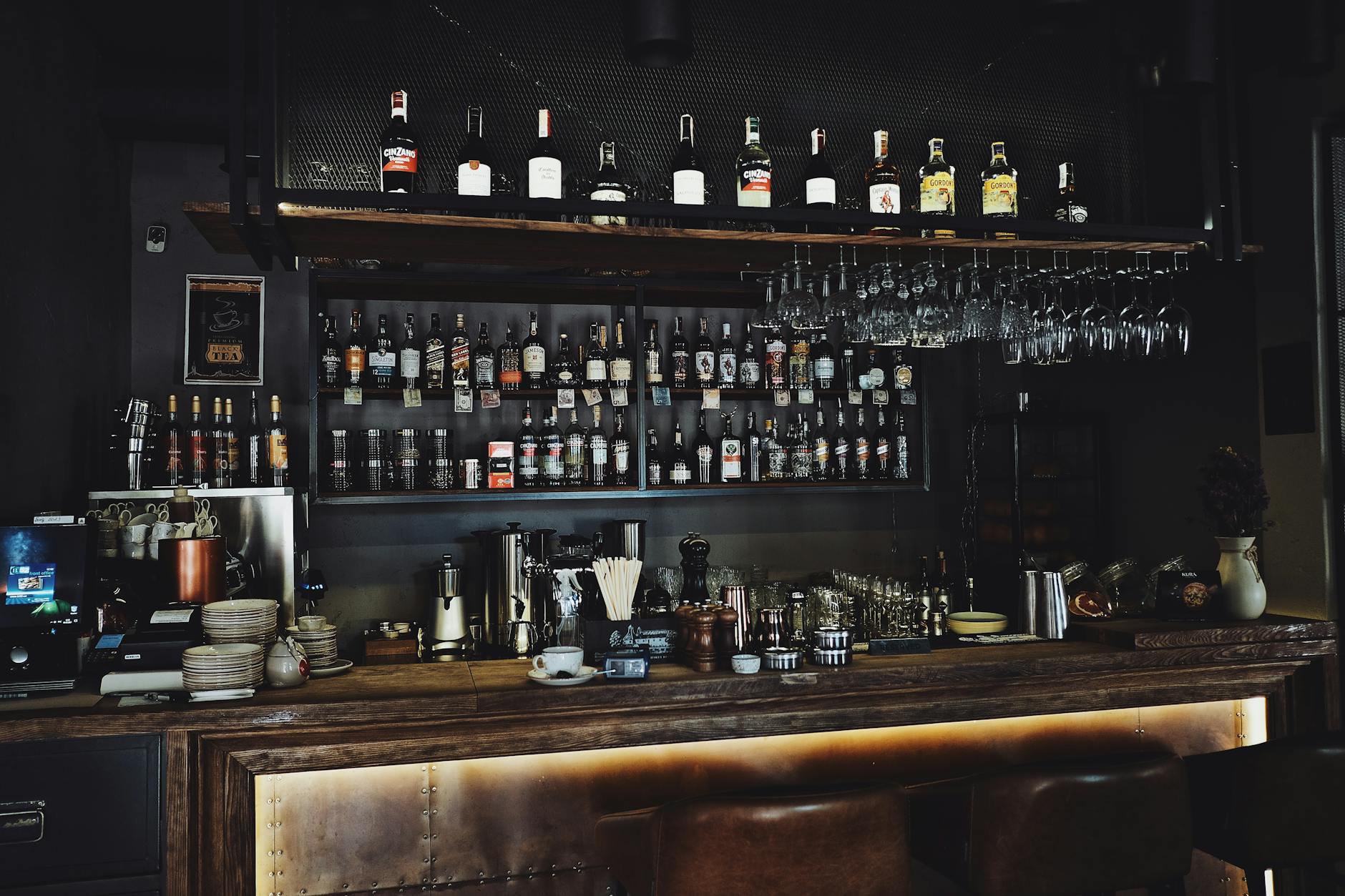
Prague's most respected wine bar — and one of the few in the Czech Republic that operates at the level of a serious European wine destination. The Senovážné náměstí flagship combines a full restaurant kitchen with an outstanding wine list spanning Czech, European, and New World producers, overseen by sommeliers who have trained in Michelin-starred environments. The kitchen draws inspiration from Italian, French, and Spanish cuisine, with each course designed to pair with a specific wine recommendation. Vinograf's Czech selection is particularly strong: they pour Moravian wines you genuinely cannot find elsewhere in Prague, sourced directly from small producers who sell little outside the region. Open Monday to Saturday (closed Sunday); dinner reservations strongly recommended for weekends. The bar section seats walk-ins for wine-by-the-glass from mid-afternoon.
⏱ Mon–Fri 11:30–00:00, Sat 16:00–00:00 · 🍽️ Full kitchen · 📍 Senovážné náměstí 23, Prague 1 · 📞 +420 739 653 153
Visit Vinograf → Reviews and book →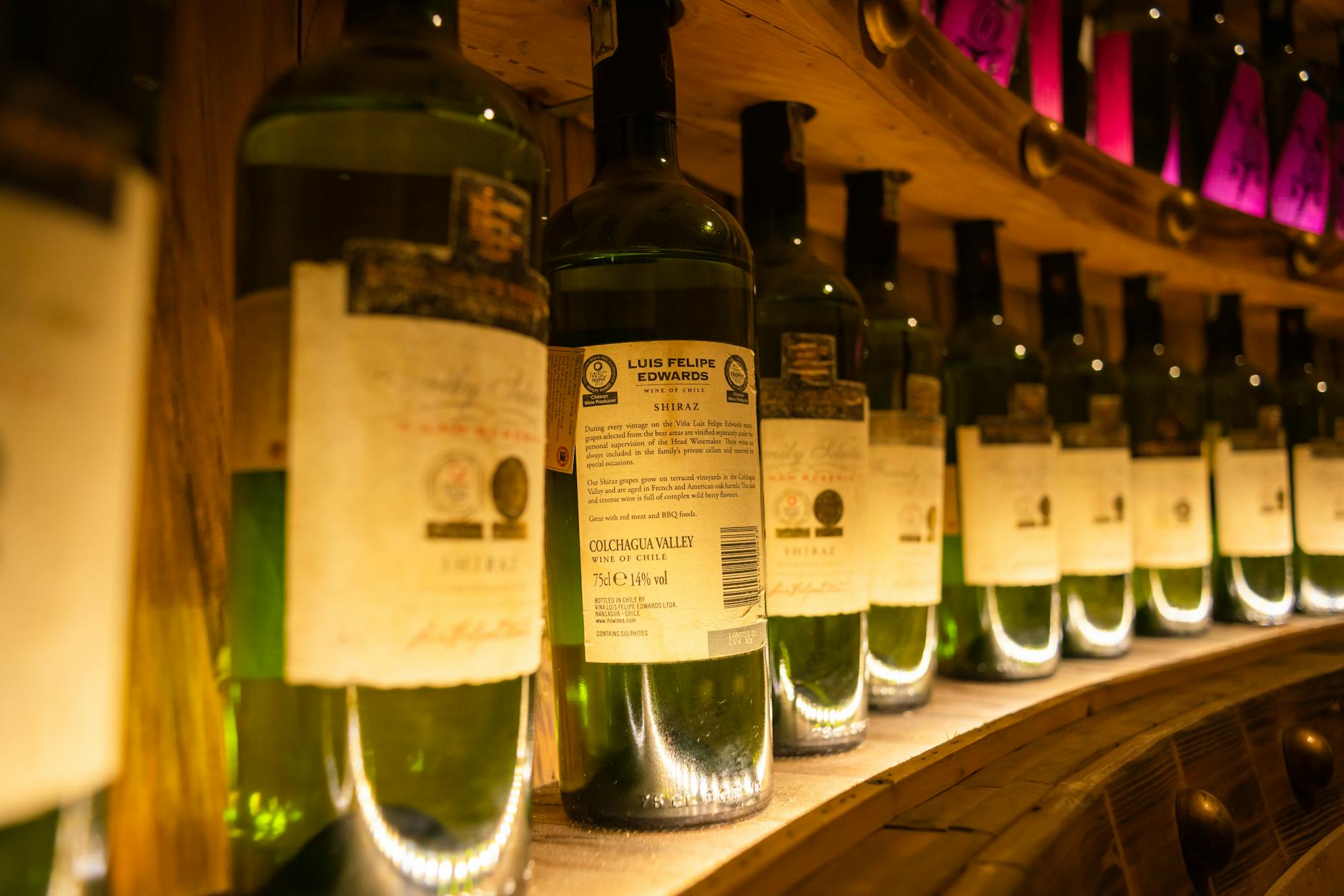
justWINE
Multiple locations, Brno
The wine bar group that changed Brno's drinking culture — now operating across multiple locations in the city with a focus on natural, biodynamic, and minimal-intervention wines from Moravia and beyond. justWINE was founded by passionate sommeliers with a specific mission: to make serious wine accessible without formality or pretension. The Dvořákova and Kotlářská locations each have their own character — Dvořákova is lively and social; Kotlářská is quieter with a seasonal garden terrace and a coffee-and-wine shop hybrid format that works from morning onwards. The JUNGLE by justWINE is the most intimate venue: 30 seats, natural wine focus, and a curated selection from small Moravian producers who rarely reach Prague. If you are spending time in Brno — the city 50km from the heart of Moravian wine country — justWINE is the first place to go.
⏱ Multiple locations with varying hours · 🌿 Natural & biodynamic wine focus · 📍 Dvořákova 24/1 & Kotlářská 26, Brno
Visit justWINE → Reviews and book →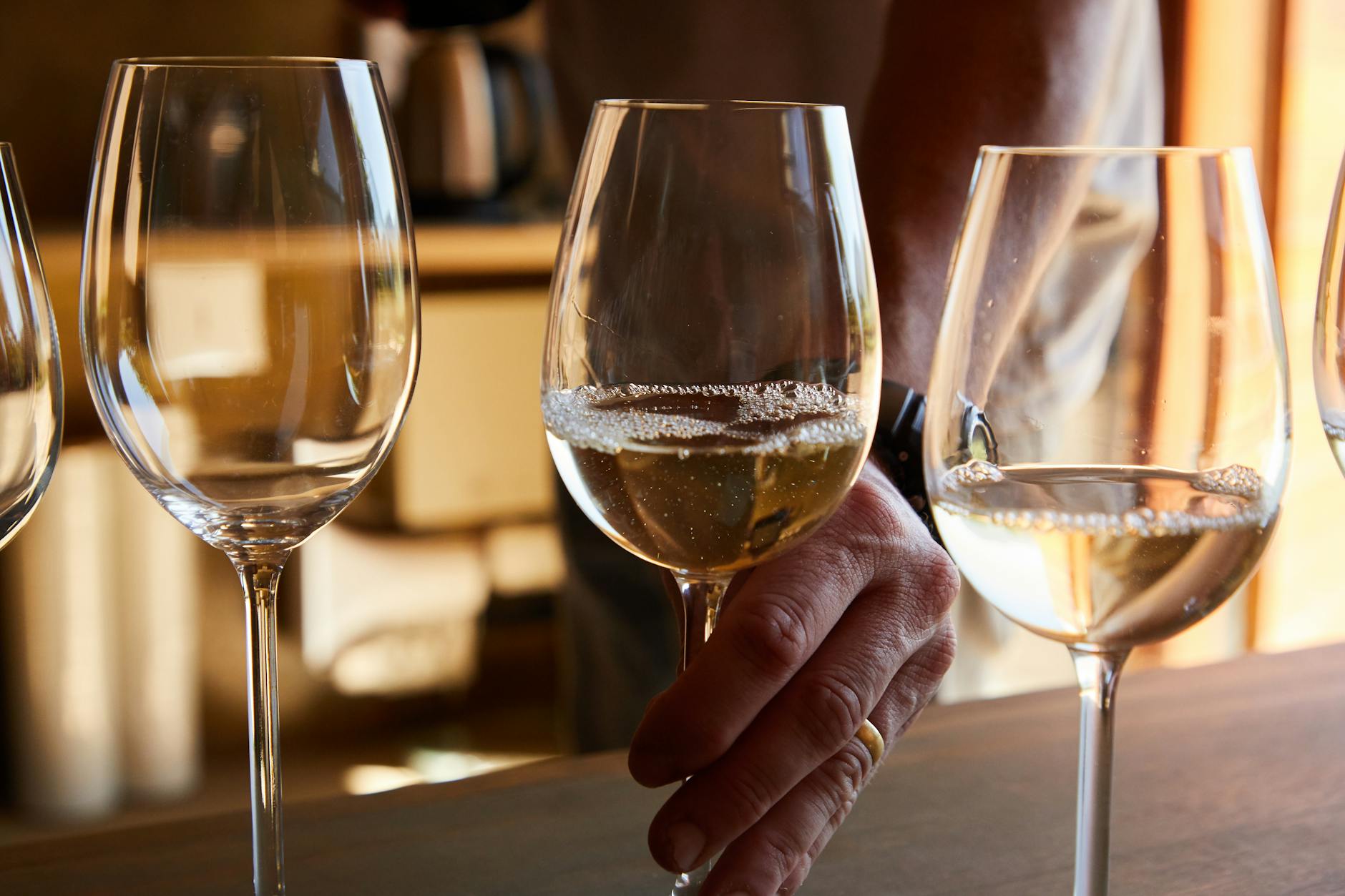
Czech Wine Tasting, Prague
Prague, Bohemia
If you are in Prague and want a structured introduction to Moravian wine — what the sub-regions taste like side by side, why Pálava is different from Welschriesling, what Frankovka actually is — a guided tasting is the most efficient and enjoyable way to get there. Several operators in Prague run small-group Czech wine tastings (typically 4–8 wines from different regions) with a knowledgeable guide, often including food pairings with traditional Czech accompaniments: nakládaný hermelín (pickled Camembert), párek (frank), and local charcuterie. Tastings typically last 90–120 minutes. Look for experiences that focus specifically on Czech and Moravian wines rather than generic "European wine" tastings — the domestic options are always more interesting and rarely expensive.
⏱ Various operators · ⏱ 90–120 minutes typical · 🍷 Czech & Moravian wine focus
Find wine tastings in Prague →🍇 Know Your Czech Wine
Czech wine is produced almost entirely in Moravia — a world of aromatic whites, mineral Rieslings, and gentle reds that few people outside Central Europe know about. Understanding the basics before a cellar door visit makes the experience significantly more rewarding.
Pálava
A grape variety unique to the Czech Republic, created in 1977 at the Lednice breeding station by crossing Traminer and Müller-Thurgau. It produces some of the most intensely aromatic wines in Czech viticulture — floral, peachy, with exotic spice notes — and is made in dry, off-dry, and botrytised sweet styles. You cannot find this variety outside Czech Republic. Order it whenever you see it.
Veltlínské zelené (Grüner Veltliner)
The most widely planted grape in the Znojemská sub-region, producing fresh, mineral whites with a characteristic white pepper note on the finish. Czech Grüner Veltliner is lighter and more aromatic than the Austrian equivalent — excellent with food, particularly fish, asparagus, and Czech cuisine. The sub-region's VOC Znojmo designation protects the finest single-vineyard expressions of this variety.
Frankovka (Blaufränkisch)
Czech Republic's finest red grape — grown primarily in the Velkopavlovická sub-region, where warmer temperatures ripen it to dark fruit and genuine structure. At its best, Moravian Frankovka rivals Burgenland Blaufränkisch from Austria at a fraction of the price. Look for single-vineyard or "pozdní sběr" (late harvest) selections from the Velké Pavlovice and Bzenec areas.
Quality Classification
Czech wine law classifies wines by harvest ripeness in ascending quality order: Zemské víno (country wine, basic) → Jakostní víno (quality wine) → Jakostní víno s přívlastkem (quality wine with special attribute). Within the "přívlastek" category: Kabinetní víno → Pozdní sběr (late harvest) → Výběr z hroznů (selected harvest) → Výběr z bobulí (berry selection) → Výběr z cibéb (noble rot selection) → Ledové víno (ice wine) → Slámové víno (straw wine). The top three levels are produced in tiny quantities and rarely leave the region.
VOC (Vína originální certifikace)
The Czech Republic's emerging appellation system for premium terroir wines — a voluntary certification that guarantees wines come from a specific named sub-region and meet strict quality criteria. VOC Znojmo (Grüner Veltliner and Riesling) and VOC Mikulov (Pálava, Riesling, and Welschriesling) are the most established. A VOC designation on a Czech wine label is a reliable quality indicator.
Four Moravian Sub-regions
Mikulovská: limestone hills, Pálava and Riesling, elegant mineral whites. Znojemská: granite and loess, Grüner Veltliner and Sauvignon Blanc, fresh aromatic wines. Velkopavlovická: warmer, red wine territory — Frankovka, Zweigelt, St. Laurent. Slovácká: the easternmost sub-region, traditional winemaking culture, good Welschriesling and Müller-Thurgau.
Useful vocabulary: "Vinařství" = winery, "Vinotéka" = wine shop/bar, "Sklep" = wine cellar, "Degustace" = wine tasting, "Pozdní sběr" = late harvest, "Suché" = dry, "Polosuché" = off-dry, "Polosladké" = semi-sweet, "Sladké" = sweet. When in doubt, "Máte něco místního?" (Do you have something local?) will always take you somewhere interesting.
Spirits — Becherovka, Slivovice & Beyond
The Czech Republic's spirit culture runs from Karlovy Vary's iconic herbal liqueur to the Wallachian valleys of eastern Moravia where plum brandy has been distilled for centuries. Two very different traditions, both deeply embedded in Czech identity — and both available to visit in person.
Czech Spirits Heritage
The Czech Republic produces three spirits with genuine national character: Becherovka, the bitter-sweet herbal liqueur produced exclusively in Karlovy Vary since 1807; slivovice, the plum brandy of Moravian tradition made from the first-frost plums of Wallachia and the Carpathian foothills; and Tuzemák, a domestic spirit distilled from sugar beets — a uniquely Czech category with EU protected geographical indication status, beloved for warming winter teas and glögg-style drinks. All three are deeply specific to this country and difficult to experience authentically anywhere else.
Styles to try: Becherovka · Slivovice (plum brandy) · Hruškovice (pear brandy) · Tuzemák · Fernet Stock
The Home of Becherovka
Karlovy Vary, West Bohemia
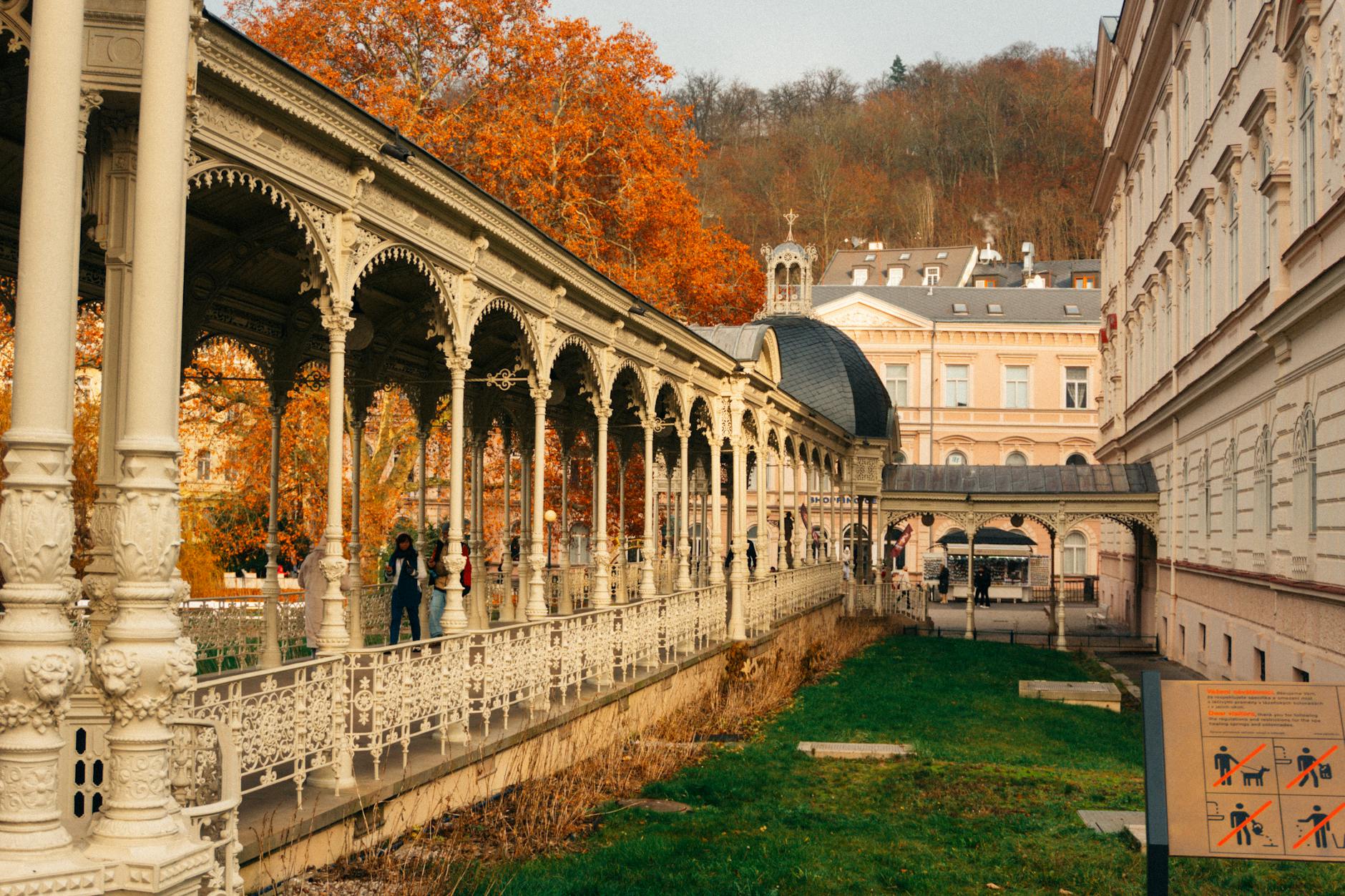
The most famous Czech spirit has a single birthplace: the spa town of Karlovy Vary, where English physician Dr. Christian Frobrig and local pharmacist Josef Vitus Becher formulated the original herbal recipe in 1807. The precise blend of 20 herbs and spices — including cinnamon, anise, and a further 18 ingredients known only to two people at any given time — has never changed. The Home of Becherovka visitor centre occupies the historical building where the liqueur was produced for over 140 years before the factory moved in 2010. Guided tours (45 minutes, from 290 CZK) take visitors through the interactive and historical exhibition, covering the Becher family archives, historical bottles, and VR experiences, finishing with a portfolio tasting of 4 Becherovka expressions. The BeTon (Becherovka and tonic) is the cocktail to try — it has been the Czech national cocktail since the 1960s. Factory tours (120 minutes, 1,600 CZK, limited to 10 people) are available on specific weekdays by advance reservation only.
⏱ Tue–Sun 9:00–17:00 · 💰 From 290 CZK (guided tour) · 📍 T. G. Masaryka 282/57, Karlovy Vary · 📅 Factory tour: book 14 days ahead at +420 359 578 142
Visit The Home of Becherovka → Reviews and book →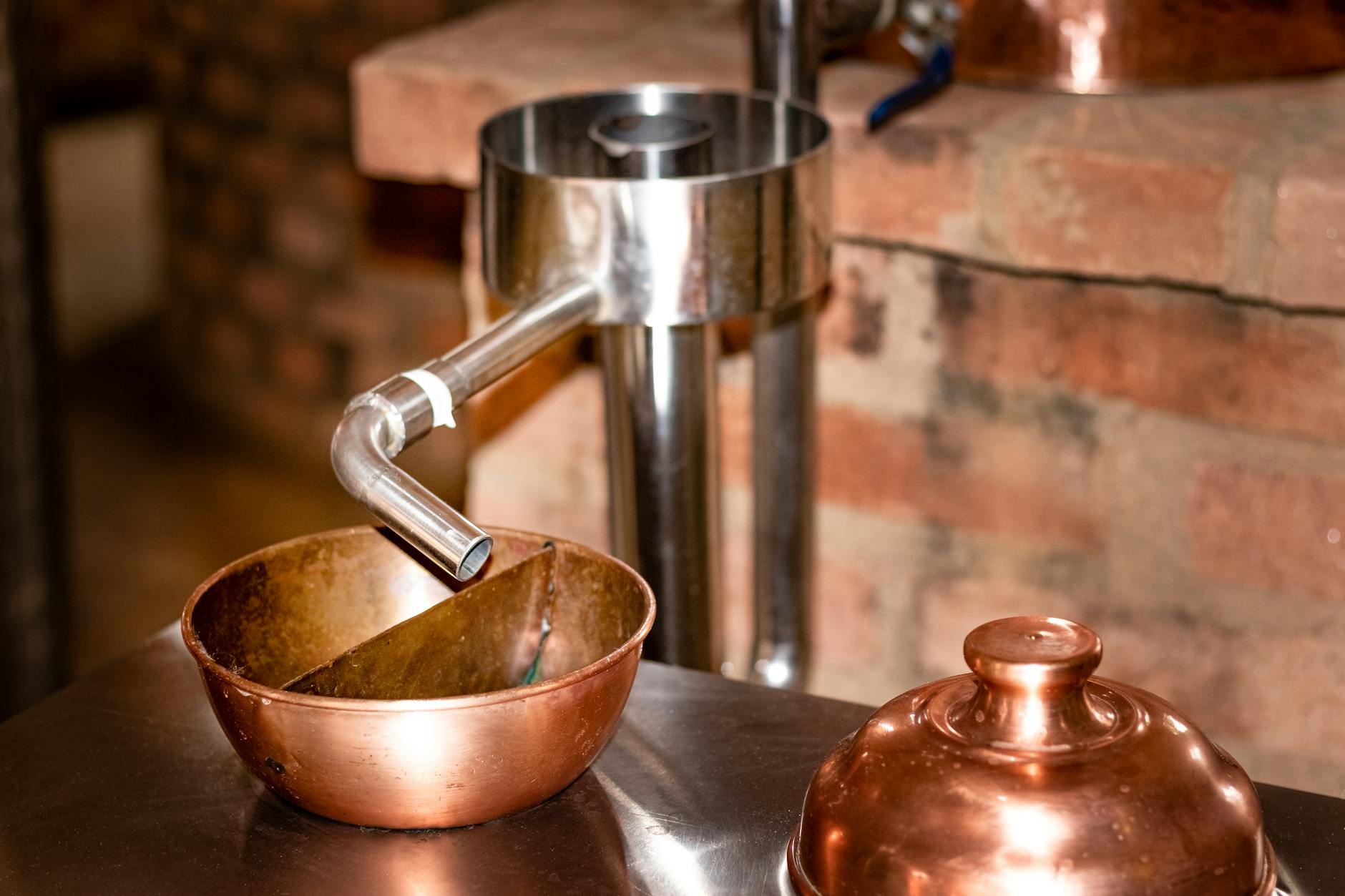
R. JELÍNEK Slivovitz Museum
Prague 1, Malá Strana
Rudolf Jelínek has been distilling fruit spirits in Vizovice, in the Wallachian region of eastern Moravia, for over 400 years — making them the oldest and most decorated producer of Czech slivovice. Their Prague museum, located in Malá Strana at U Lužického semináře 116, brings the full story of Czech fruit brandy to the city: an interactive, self-guided 55-minute tour covering the history of distillation in Wallachia, the production process from plum orchard to copper still, and the traditions of life in the Wallachian highlands, culminating in a tasting of 3 R. JELÍNEK products alongside traditional Wallachian finger food. Tours run every 15 minutes (capacity: 12 people) with audio guides available in Czech, English, German, Russian, French, Italian, Spanish, Japanese, Chinese, Hebrew, Korean, and Polish. Tickets are 490 CZK standard (with tasting of 3 products) or 590 CZK for the premium kosher selection. Children under 15 enter free (tasting not included).
⏱ Tours every 15 min · 💰 490–590 CZK · 📍 U Lužického semináře 116, Prague 1 (Malá Strana) · 🌍 Audio guides in 11 languages
Visit Slivovitz Museum → Reviews and book →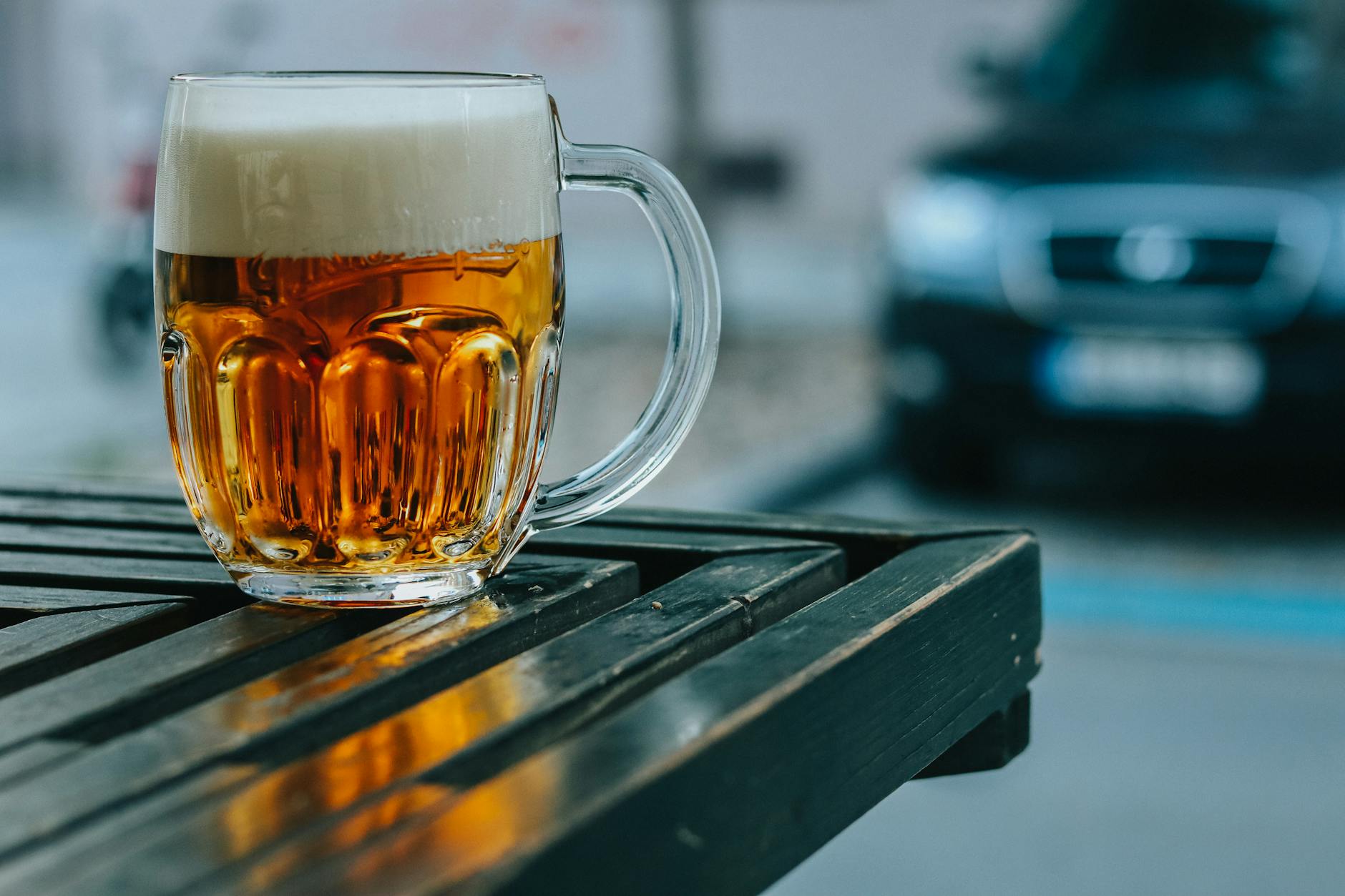
What to Drink Beyond Becherovka
Czech Republic-wide
Slivovice — Czech plum brandy — is the spirit Moravians consider their own, produced from the late-autumn "trnka" (blackthorn plum) harvest in the Wallachia and Slovácko regions. Homemade slivovice is a Moravian tradition stretching back centuries; commercial versions range from the polished R. JELÍNEK to rustic farm-distilled productions available at village markets and wine festivals. Fernet Stock — Czech Republic's bitter herbal spirit — is wildly popular mixed with tonic ("Bavorák" or "Bavarian" as it's nicknamed) and is one of the country's best-selling spirits despite being almost unknown outside its borders. Tuzemák is Czech domestic rum: made from sugar beet molasses rather than cane, it has a distinctively sweet, slightly vanilla character and is the traditional base for "Grog" — hot tea with lemon and Tuzemák — drunk at ski resorts and mountain huts throughout winter. All three are available in any supermarket; the better versions are found in specialist spirits shops (pálenka shops) in Brno and Prague.
🥃 Slivovice · Fernet Stock · Tuzemák · 🛒 Find in supermarkets and specialist shops nationwide
Czech drinks & breweries →🥃 Czech Spirits — What to Know
- Becherovka is always served cold — ideally at 6°C — as a digestif, or as a BeTon (Becherovka + tonic + ice + lemon). It is not a mixer for cocktails that expect sweet liqueur; it is a complex bitter-herbal spirit that dominates whatever it's combined with
- Slivovice comes in two very different forms: commercial and homemade. Commercial versions (R. JELÍNEK, Stock, Žufánek) are clean, professionally distilled, and consistent. Homemade slivovice from Moravian farms can be extraordinary or unreliable — always ask how it was distilled before accepting a glass from a stranger
- Žufánek is a small-batch distillery in Strání (eastern Moravia) that has become a cult producer among Czech spirits enthusiasts — their slivovice, pear brandy, and gin are distributed mainly through direct orders and specialist shops in Brno and Prague
- "Na zdraví!" (nah ZDRA-vee) is the Czech toast. Always make eye contact when you clink glasses; it is considered bad luck and rude to look away. For a table of more than two, clink with everyone individually
- Becherovka is an EU geographically protected product — it can only be produced in Karlovy Vary. Any "Becherovka" produced elsewhere is not the real thing
Beer — The Birthplace of Pilsner
The Czech Republic consumes more beer per capita than any other country on Earth — approximately 130 litres per person per year. It also gave the world the Pilsner style: pale, golden, bottom-fermented lager, invented in Plzeň in 1842. This is where that story began, and where it still tastes best.
Plzeň, Prague & Beyond
The Czech beer landscape runs from the Pilsner Urquell brewery in Plzeň — where Josef Groll produced the first pale lager on 5 October 1842 — to Prague's network of historic brewpubs, monastery breweries, and craft operations. Czech beer culture is social, unhurried, and distinctly different from German beer tradition: softer water, lower hopping rates, a focus on creamy texture and long conditioning rather than bitterness. The Czech pub (hospoda) is a cultural institution that functions as much as a community meeting space as a drinking venue.
Styles to know: Czech Pilsner · Světlý ležák (pale lager) · Tmavý ležák (dark lager) · Polotmavý (amber) · Nepasterovaný (unpasteurised, tank beer)
Pilsner Urquell Brewery
Plzeň, Bohemia
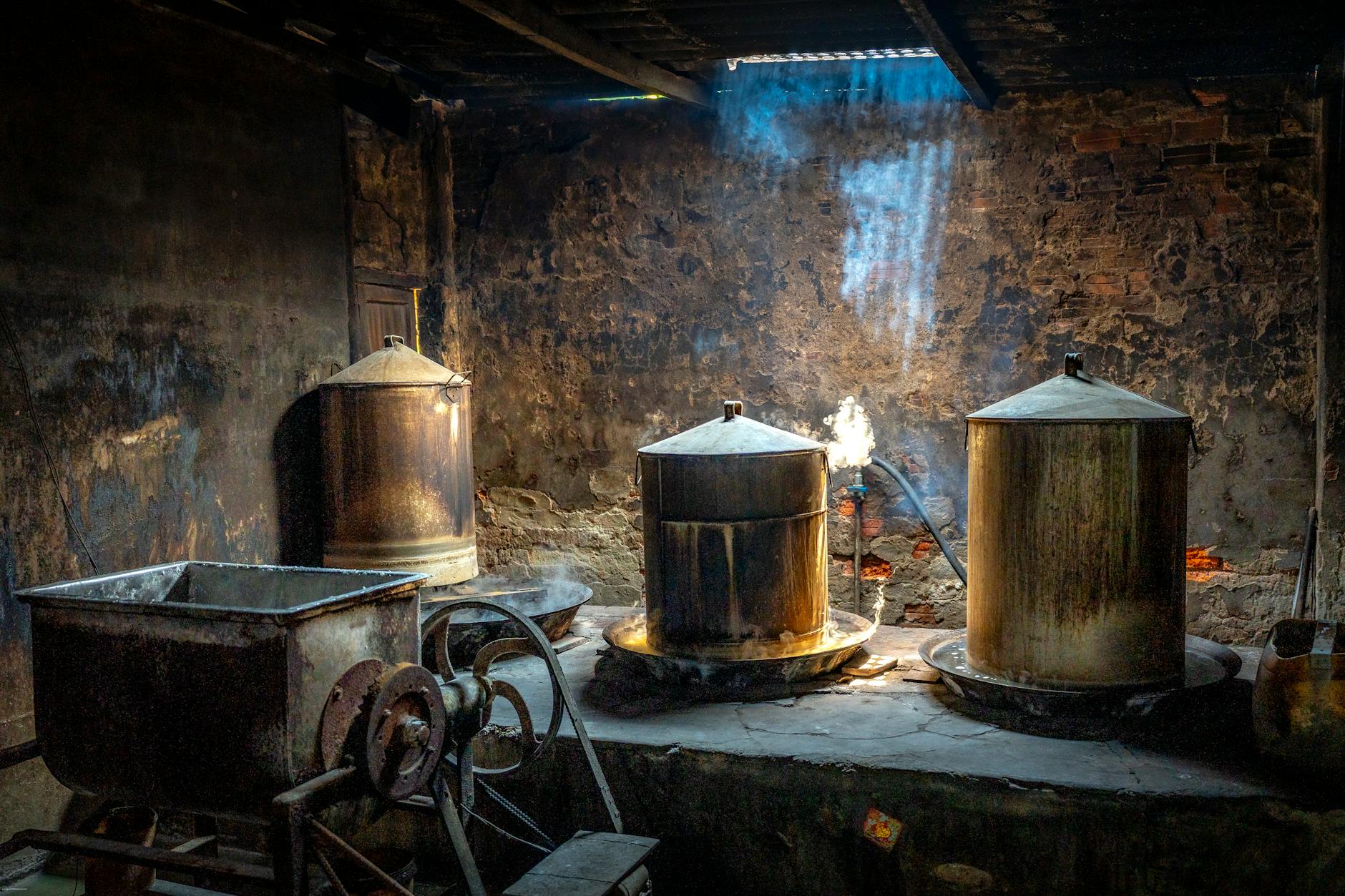
The brewery that changed the world — not an exaggeration, but a historical fact. On 5 October 1842, Bavarian brewer Josef Groll used Plzeň's exceptionally soft water, locally grown Saaz hops, and floor-malted Bohemian barley to produce a beer of unprecedented clarity and golden colour: the first pale lager in history, the style that now accounts for the majority of beer consumed worldwide. The brewery tour (100 minutes, 430 CZK) takes visitors through the modern bottling plant, the 2025-added Ingredients Exhibit (touchable malt, hops, and yeast), the original 19th-century brewhouses, and 9 kilometres of chalk-hewn underground lager cellars — ending with a tasting of unfiltered, unpasteurised Pilsner Urquell poured directly from an oak barrel in the cellars, a taste unavailable anywhere else in the world. Named Best Brewery Tour in Europe for 2024. Book online in advance — tours regularly sell out, especially at weekends.
⏱ 100 minutes · 💰 430 CZK · 📍 U Prazdroje 64/7, Plzeň · 📅 Book online in advance (often sells out)
Book Pilsner Urquell Tour → Reviews and book →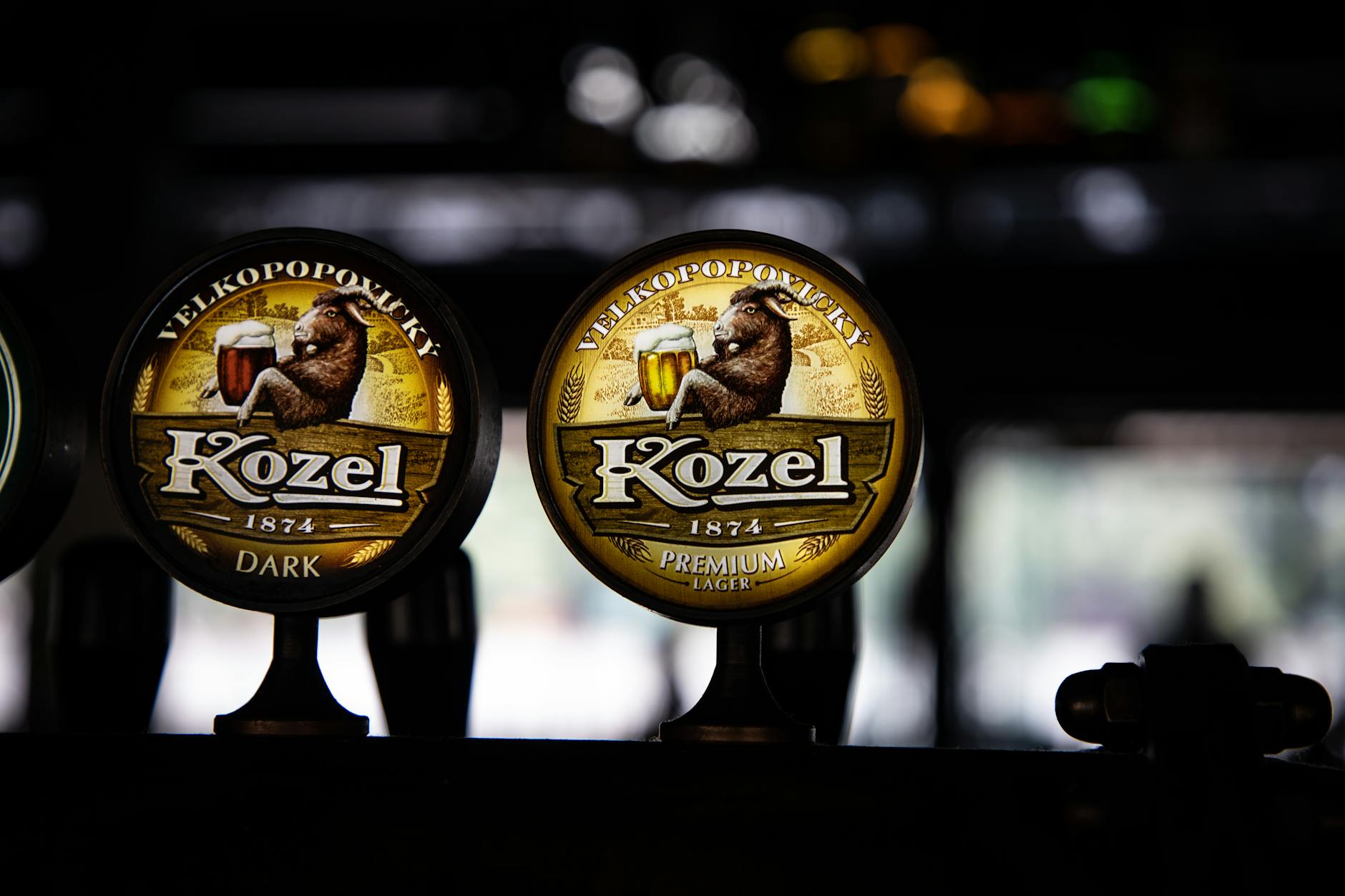
Klášterní Pivovar Strahov
Strahov Monastery, Prague 1
Brewing has happened on the grounds of Strahov Monastery since the Premonstratensian Order founded the institution in 1142 — making this site one of the oldest continuously inhabited brewing locations in Bohemia. The modern microbrewery (restored in 2000) operates from a beautiful courtyard complex steps from Prague Castle, brewing unfiltered and unpasteurised St. Norbert beer entirely on-site. The current range includes an Amber Lager, Dark Lager, and IPA alongside a rotating programme of seasonal specials — American Pale Lager, Hazy IPA, Smoked Porter, Triple IPA — that change throughout the year. Ninety-five percent of what they brew is consumed right here, in the two-storey restaurant and summer courtyard garden. Open daily 10:00–22:00. The copper brewing kettles are visible from the dining hall — a rare opportunity to eat and drink in working brewery architecture. Reservations recommended for dinner and weekends.
⏱ Daily 10:00–22:00 · 🍺 Unfiltered, unpasteurised St. Norbert beer · 📍 Strahovské nádvoří 301, Prague 1 · 📅 Reservations recommended
Visit Klášterní Pivovar Strahov → Reviews and book →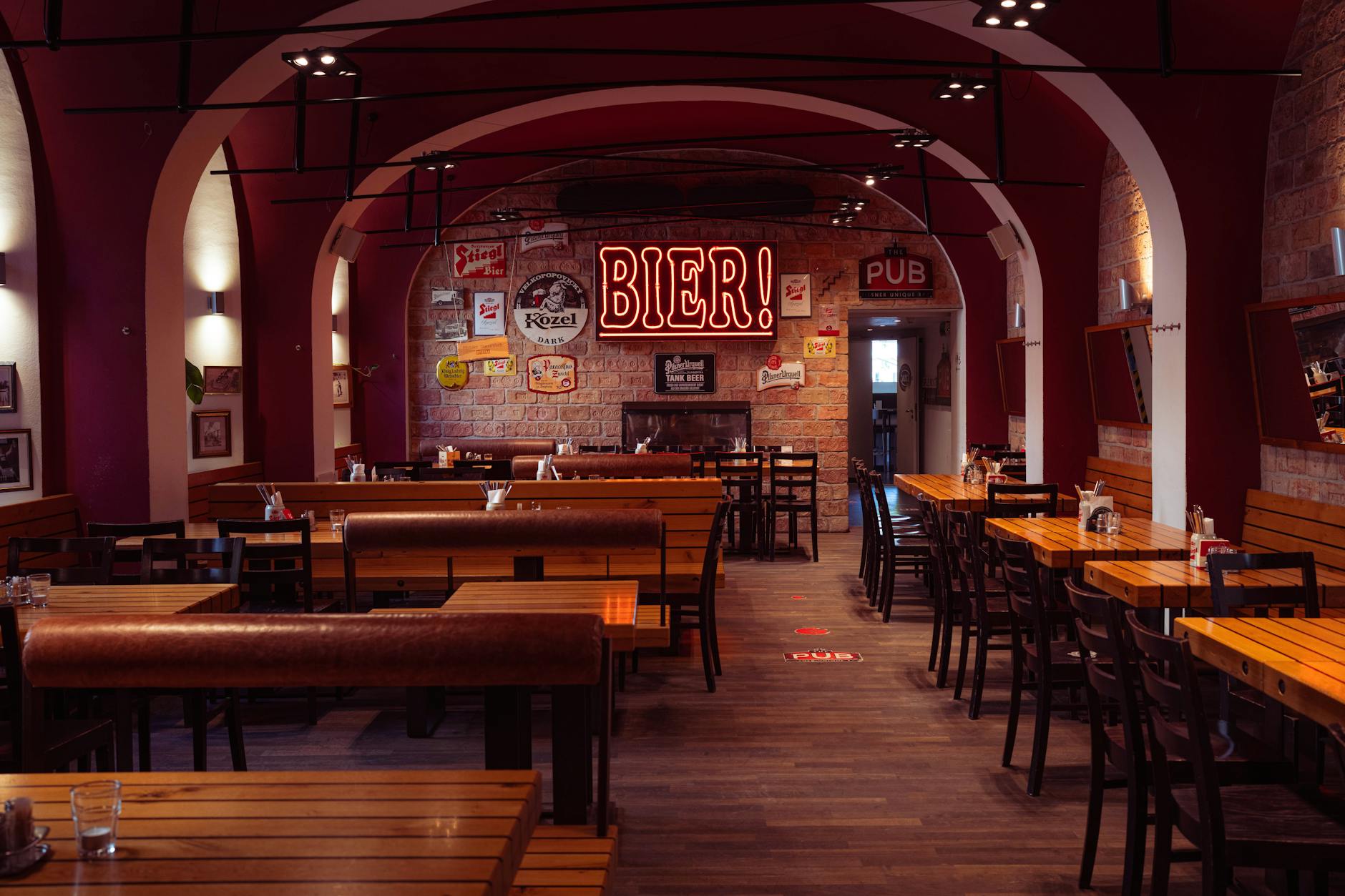
Pivovar U Fleků
Nové Město, Prague 1
The oldest continuously operating brewpub in Prague — and one of the oldest in Europe. The first written record of U Fleků dates to 1499, when the house on Křemencova was purchased by maltster Vít Skřemenec. The building has been brewing since then without interruption: nationalized after World War II, returned to the Brtník family in 1991, and still producing its own beer on-site today. U Fleků produces a single house beer — the 13° Flekovský Tmavý Ležák, a copper-dark lager of distinctive malty richness and gentle bitterness — poured from century-old copper taps in eight halls and a garden that together seat over 1,000 guests. The brewery museum in the former malt house is open to visitors. The atmosphere is unambiguously tourist-facing and loud; the beer, however, is genuine, historically significant, and only available here. Come for one dark lager and the experience, not for a quiet evening.
⏱ Open daily · 🍺 13° dark lager brewed on-site since 1499 · 📍 Křemencova 11, Nové Město, Prague 1 · 🏛️ Brewery museum on-site
Visit U Fleků → Reviews and book →💡 Good to Know
- 🍺 Czech beer comes in two main categories by original gravity: "desetistupňové" (10°, lighter, often 4% ABV) and "dvanáctistupňové" (12°, the standard, typically 4.6–5%). A "ležák" is always a full 12° lager. The degree symbol refers to Balling degrees of original extract, not alcohol content — a common source of confusion
- 🍺 "Nefiltrované" (unfiltered) and "Nepasterované" (unpasteurised) tank beer — served directly from conditioning tanks — is the freshest possible form of Czech lager and only available in certain pubs. Order it if you see it; it's noticeably different from bottled versions
- 🥂 In Czech restaurants and wine bars, it is perfectly acceptable to ask for "víno sklenka" (a glass of wine) without specifying variety — the house selection is usually Moravian and usually honest. If you want something specific, Czech wine menus list wines by sub-region, not by producer country
- 🥃 "Slivovice" (slih-VOH-vee-tseh) — the plum brandy — is traditionally drunk as a shot glass (padesátka, 50ml) between courses or at the end of a meal. Do not mix it. Do not drink it slowly. Do say "Na zdraví!" and look your companion in the eye
- 🍷 The Lednice–Valtice cultural landscape, a UNESCO World Heritage Site covering 283 km², contains wineries, Baroque chateaux, and 25 km of allée-lined roads — make it a full day combining the National Wine Centre with the chateau park and, in summer, boat trips on the lakes
- 🍺 Plzeň is 90 minutes from Prague by train (direct, regular service from Praha Hlavní nádraží). Combine the Pilsner Urquell tour with a walk through Plzeň's historic centre and the Plzeň Underground — 9 km of medieval cellars beneath the old town, unconnected to the brewery but equally extraordinary
- 🌿 The Vizovické Trnkobraní festival in Vizovice (eastern Moravia), usually held in August, is the largest annual celebration of Czech fruit spirits — music, food, and unlimited slivovice tasting, attended by around 300,000 people over four days. It is aggressively local, aggressively fun, and completely off the tourist radar
Coffee Culture & Prague's Grand Cafés
Prague's café culture runs parallel to Vienna's — not as well documented, but equally deep. The grand cafés of Národní třída, Smetanovo nábřeží, and Old Town were gathering places for writers, dissidents, and thinkers for over a century. Franz Kafka, Albert Einstein, and Václav Havel all had their regular tables. Post-Velvet Revolution, the restored interiors are as extraordinary as the history contained in them.
Prague's Historic Coffeehouses
The Czech coffeehouse tradition shares its DNA with Vienna's — unhurried, literary, and built on the right to sit for as long as you need. Prague's surviving grand cafés were closed or repurposed during the Communist era and methodically restored after 1989. The interiors are spectacular. The coffee is serious. The history is unavoidable.
Café Louvre
Národní 22, New Town, Prague
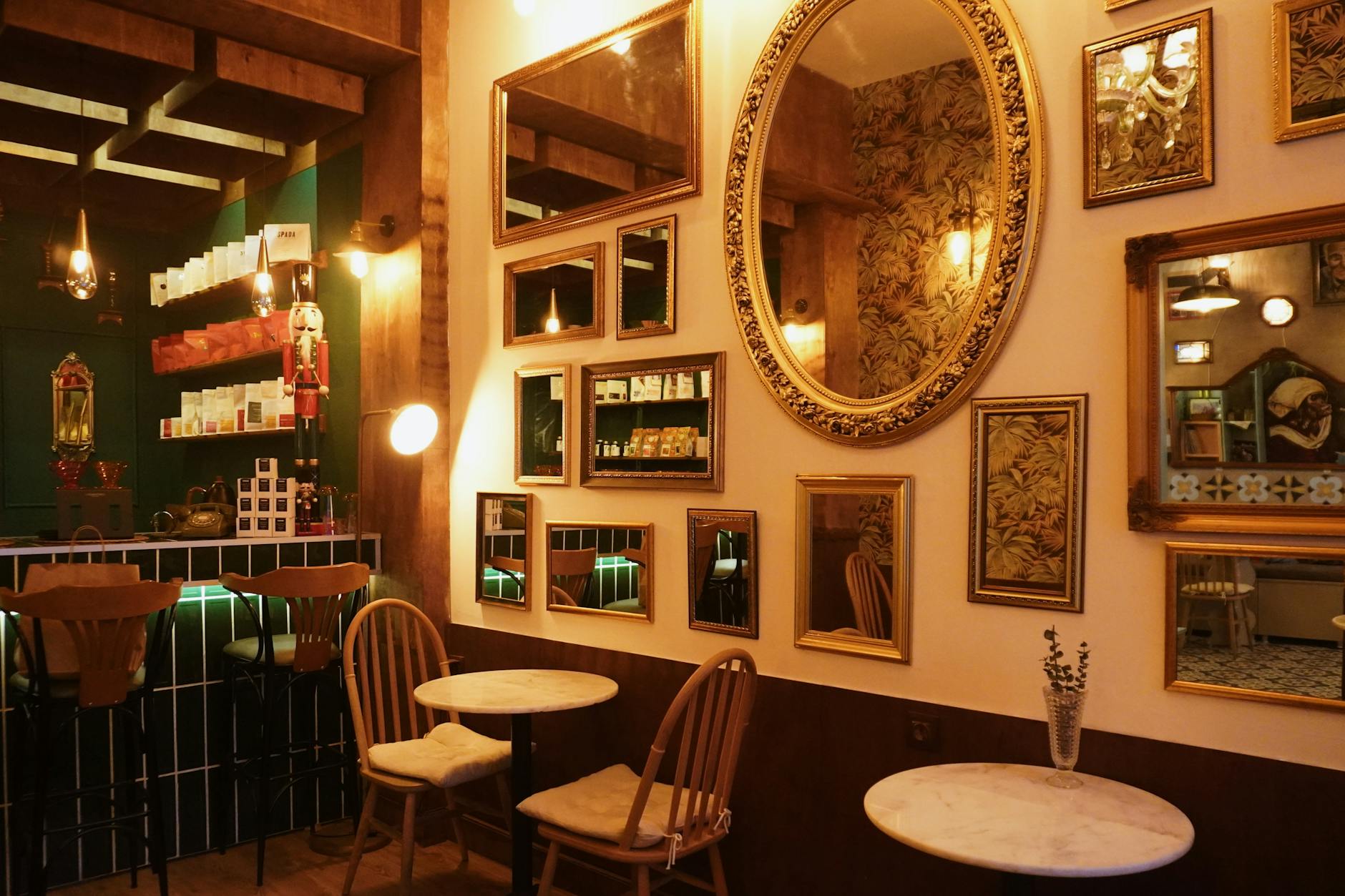
The most storied café in Prague — opened on Národní třída in 1902 and immediately became the intellectual centre of the city. Albert Einstein held a regular discussion group here while teaching in Prague in 1911–1912. Franz Kafka came. Max Brod came. The café was the first in Prague lit by electric light. After decades of Communist-era closure, it was restored and reopened in 1992 with the original billiard hall intact. Café Louvre operates as a full-service restaurant from breakfast through dinner — the Viennese-style menu runs from eggs to Svíčková (sirloin with cream sauce) — but the point is the room: high ceilings, marble tables, large windows overlooking the street, and an atmosphere that hasn't changed much in a century. The billiard hall (separate entry) is still in daily use. Open Mon–Fri 8:00–23:30, Sat–Sun 9:00–23:30. Reservations accepted.
⏱ Mon–Fri 8:00–23:30, Sat–Sun 9:00–23:30 · 📍 Národní 22, Prague 1 · ☕ Expect to pay 60–120 CZK for coffee
Visit Café Louvre → Reviews and book →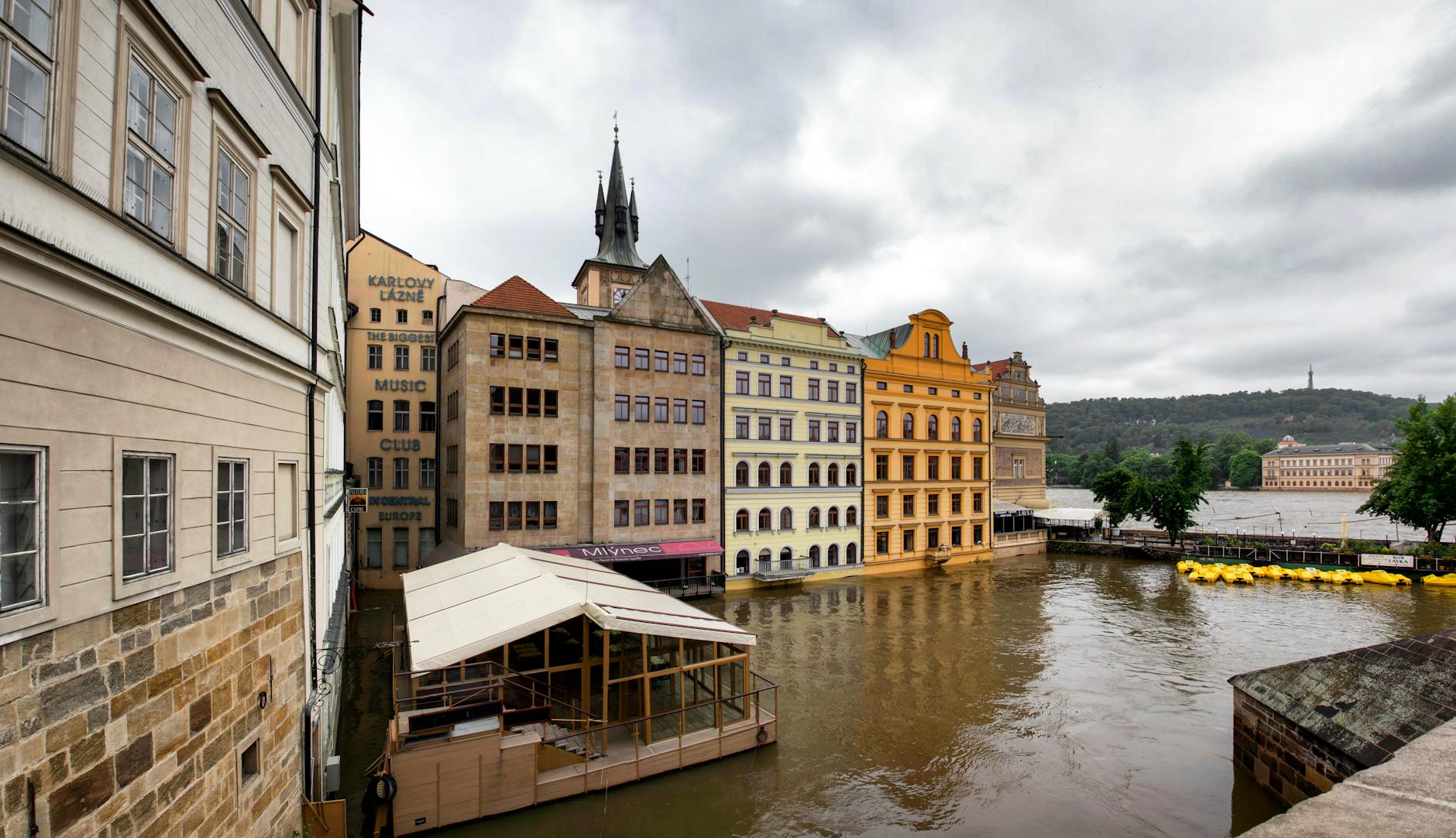
Café Slavia
Smetanovo nábřeží, Old Town, Prague
Prague's oldest continuously operating café sits directly opposite the National Theatre on the Vltava embankment — and the view from the window tables, across the river to Prague Castle, is one of the finest in the city. Café Slavia opened in 1884 and became the unofficial salon of Czech cultural and political dissidence. Václav Havel held planning meetings here during the years before the Velvet Revolution; the dissident community used it as a meeting point precisely because it remained stubbornly open. The Art Deco interior — original curved bar, wood panelling, the famous painting "The Absinthe Drinker" by Viktor Oliva — was restored in the 1990s after the café was temporarily closed and threatened with redevelopment. A professional pianist plays live every evening from 17:00 to 22:00. No reservations required at weekends before 19:00.
⏱ Daily 9:00–23:00 · 🎹 Live piano from 17:00–22:00 · 📍 Smetanovo nábřeží 1012/2, Prague 1
Visit Café Slavia → Reviews and book →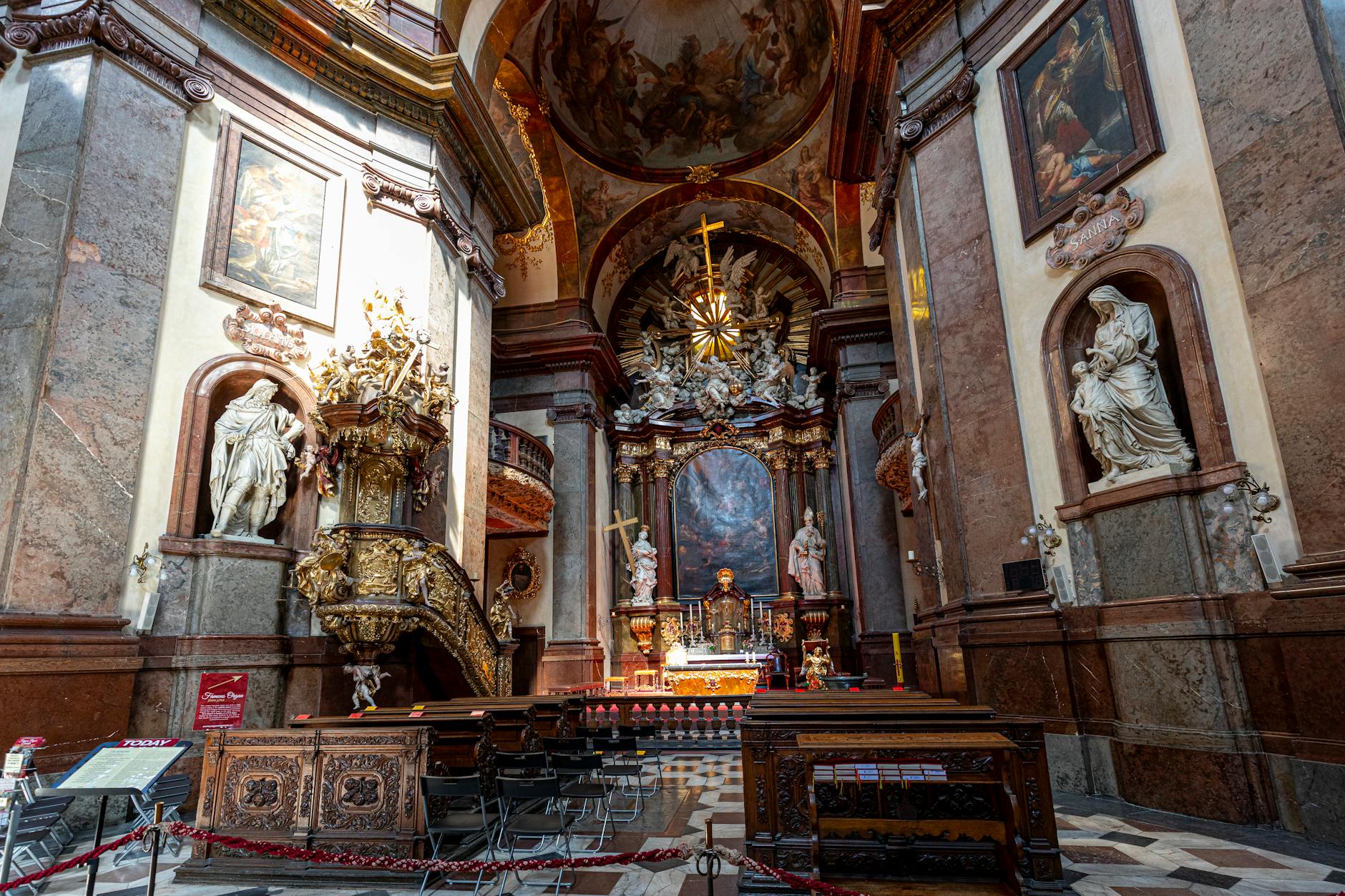
Grand Café Orient
Ovocný trh 19, Old Town, Prague
The world's only surviving Cubist café — a designation that is not marketing but architectural fact. Grand Café Orient occupies the first floor of the House of the Black Madonna (Dům U Černé Matky Boží), the landmark Cubist building designed by architect Josef Gočár and completed in 1912. The interior — angular light fixtures, geometric furniture, the famous Cubist staircase — was designed as a total work of art, in which every element including the coffee cups followed the Cubist principles of fragmented, faceted form. After Communist-era repurposing, the café was meticulously restored and reopened in 2005. The building's upper floors house the permanent collection of Czech Cubist art. Order coffee and stay to look: the light through the tall windows at different times of day dramatically changes how the angular interior reads. Open Mon–Fri 9:00–21:00, Sat–Sun 10:00–21:00.
⏱ Mon–Fri 9:00–21:00, Sat–Sun 10:00–21:00 · 📍 Ovocný trh 19, Prague 1 · 🏛 Cubist architecture museum above
Visit Grand Café Orient → Reviews and book →☕ Prague Coffee — What to Know
- Czech coffee culture distinguishes between the grand historic cafés (kavárna) and the newer third-wave specialty coffee shops that have opened throughout Prague since 2010. Both are excellent and serve completely different purposes — the grand cafés for atmosphere and history, the specialty shops for precision coffee
- In Czech, "káva" (coffee) without specification usually means a small black coffee. "Espresso" is universally understood. "Cappuccino" is common. To ask for coffee with milk, say "káva s mlékem" — you'll receive a different result in a historic café (likely filtered coffee with hot milk) versus a specialty shop (a proper flat white)
- Café Imperial (Na Poříčí 15) is the most visually spectacular of the Prague grand cafés — the 1914 ceramic tile interior, covering the walls and vaulted ceiling in cream and Moorish mosaic, is genuinely extraordinary. Chef Zdeněk Pohlreich's menu is serious Czech cooking. Book in advance
- Café Savoy (Vítězná 5, Malá Strana) is the quietest of the grand cafés and the best for breakfast — the Neo-Renaissance interior dates from 1893, the artisan bakery produces genuinely excellent pastries, and it sits in a neighbourhood that most tourists never reach
- Prague's specialty coffee scene is concentrated in Vinohrady, Žižkov, and Holešovice. Notable roasters include Rebelbean, Doubleshot, and EMA Espresso Bar — all operating to the same standards as the best café bars in Berlin or Amsterdam