

Bulgaria Drink Guide
From the ancient vineyards of Melnik and the Thracian Valley to Sofia’s new wave wine bars — Bulgaria is one of Europe’s oldest wine nations, and one of its best-kept secrets.
The vines have been growing here for 8,000 years. Thrace — which covers much of southern Bulgaria — was the mythological birthplace of Dionysus, god of wine, and archaeological evidence confirms that wine was being produced on this soil long before the Greeks arrived. Bulgaria sits at the same latitude as Tuscany and Bordeaux, and its five wine regions produce indigenous grape varieties found nowhere else on earth: Mavrud, Shiroka Melnishka Loza, Dimyat, Rubin. These are not obscure curiosities — they are grapes of genuine character, capable of producing wines that age for decades.
Before wine, there is rakia. The national spirit of Bulgaria — distilled from grapes, plums, quinces, or whatever fruit the season offers — is poured before every meal, at every celebration, and in times of both joy and grief. Sofia’s wine bar scene has emerged quietly over the past decade: small rooms, serious sommeliers, Bulgarian bottles from producers that never export. Here is where to find it.
This guide contains information about alcoholic beverages and is intended for adults of legal drinking age in their country.
Wine — Wineries & Tasting Rooms
Bulgaria has five wine regions and more than 30 indigenous grape varieties. The country produces almost entirely for the domestic market — which means that the wines reaching the outside world are a fraction of what actually exists. Come here and drink what the world is missing.
Melnik & Struma Valley — Bulgaria’s Wine Jewel
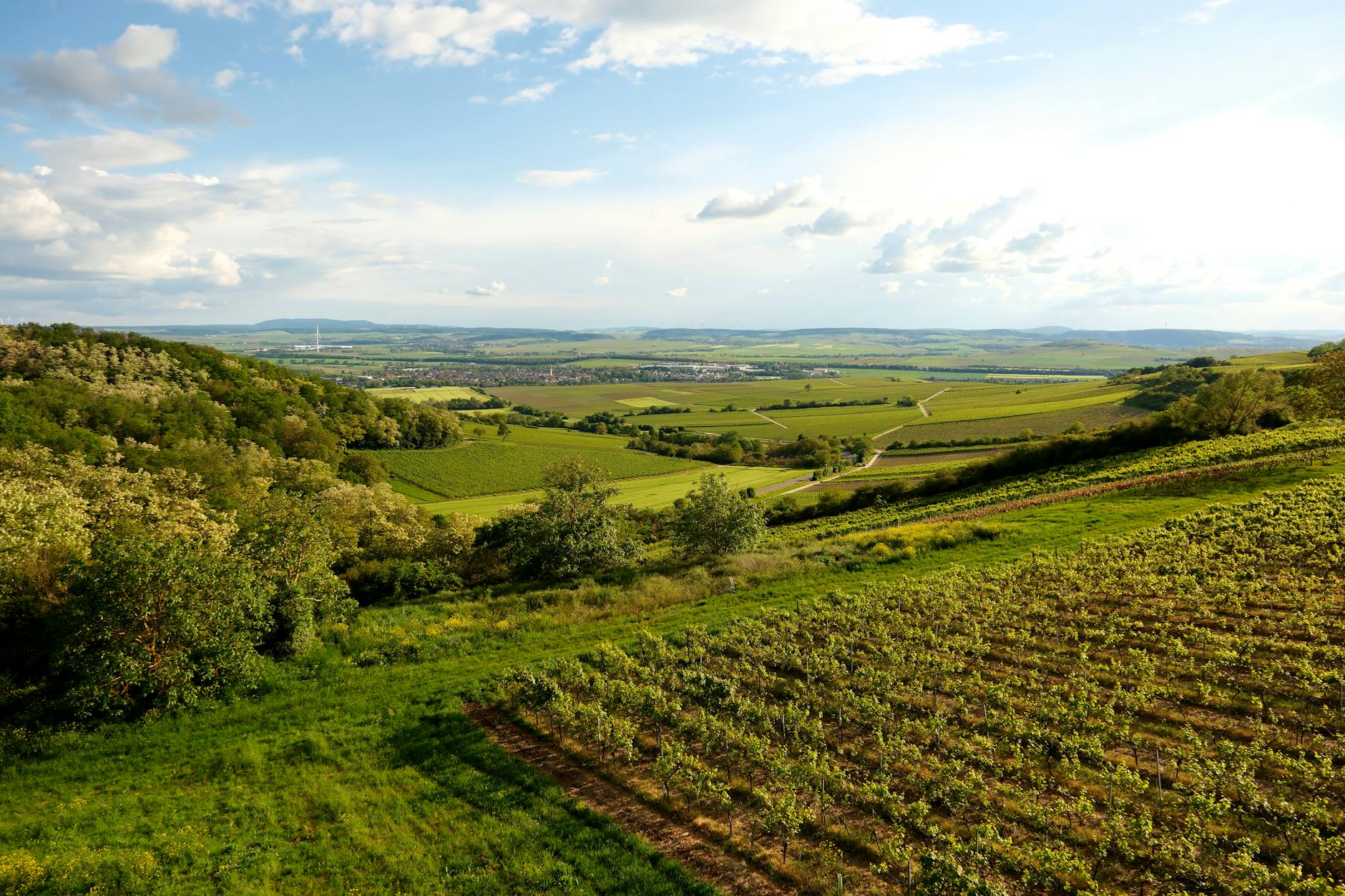
The southwestern corner of Bulgaria, where the Struma River carves through the Pirin foothills, produces some of the country’s most distinctive wines. The climate here is Mediterranean — warm, dry summers, mild autumns — channelled northward through the Rupel Gorge from the Aegean. Sandy, mineral-rich soils give the wines of this region a distinctive texture that no winemaker has yet managed to replicate elsewhere. Melnik’s old houses are built into sandstone pyramids; its wine has been famous since the Byzantine era.
Key grapes: Shiroka Melnishka Loza (Broadleaf Melnik) · Melnik 55 · Mavrud · Tamyanka · Sandanski Misket
Villa Melnik
Harsovo village, Melnik Region
Founded in 2004 by the Zikatanov family on 30 hectares of sandy hillside vineyards near the village of Harsovo — ranked #39 in the Top 50 World’s Best Vineyards 2020. Villa Melnik grows local varieties (Shiroka Melnishka, Melnik 55, Mavrud, Tamyanka) alongside Viognier, Pinot Noir and Syrah in a gravity-flow winery built into the hillside. Tours and tastings run daily, year-round, in English and Russian — from a 5€ introductory pour to a 35€ vertical tasting in the enoteca vault. The views across the Pirin foothills from the tasting room are exceptional. Just 2.5 hours from Sofia and 1.5 hours from Thessaloniki. Gold medallist at the Balkan International Wine Competition 2025.
⏱ Daily, year-round · 💰 From €5/person · 📍 Harsovo village, 7 km south of Melnik · Book via website
Visit Villa Melnik → Reviews on TripAdvisor →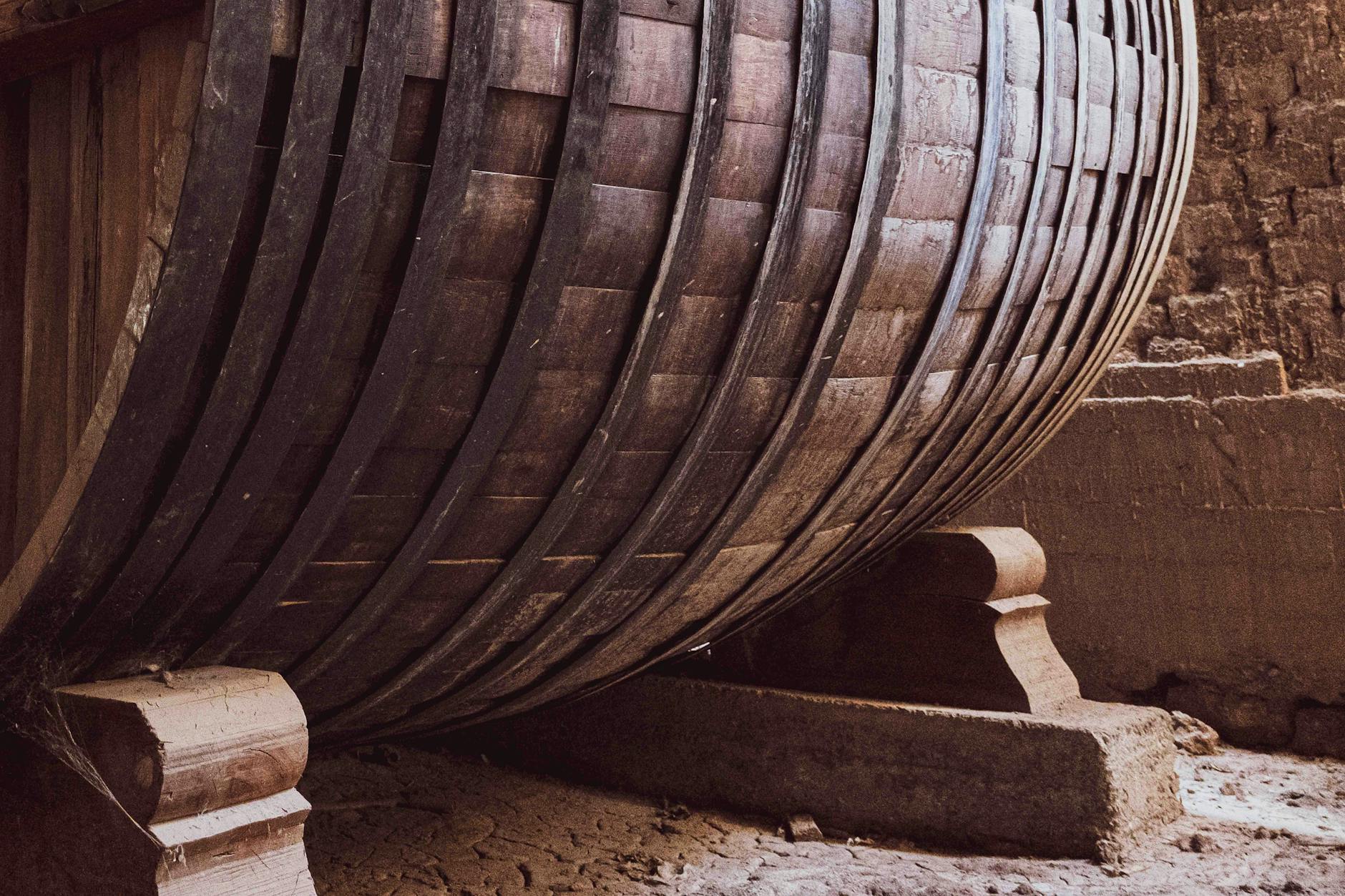
Zornitza Family Estate
Zornitza Village, Melnik Area
Named Best Wine Tourism Winery in Bulgaria 2025 by Travel&Lifestyle magazine and part of the global Relais & Châteaux association — and from 2025, listed in the Michelin Guide. The estate was established in 2011 with 5.6 hectares of vineyards on the hills above Zornitza village, planted with 18 grape varieties including Syrah, Broadleaf Melnik, Merlot, Grenache, Mavrud, and Sangiovese. Production is intentionally small: 12,000 bottles per year. The farm-to-table bistro uses produce from the organic estate farm; villas and a hotel allow for overnight stays. Tastings of 3 wines (€35/person) and 5 wines (€55/person) run daily. One of the most beautiful wine estates in the Balkans.
⏱ Mon–Fri 16:00–20:00, Sat–Sun 11:00–20:00 · 💰 €35–55/person · 📍 Zornitza Village, Melnik Area · Book in advance
Visit Zornitza Estate → Reviews on TripAdvisor →Thracian Valley — Mavrud’s Kingdom
Bulgaria’s largest wine region covers the fertile Upper Thracian Plain between the Balkan Mountains to the north and the Rhodopes to the south. The name Mavrud comes from the Greek “mavro” — black — and the birthplace of this grape is Asenovgrad, where it has been cultivated since at least the 9th century. A mid-October harvest, thick skin, and high tannin give Mavrud wines tremendous ageing potential; the finest examples are compared to Barolo in structure and to Amarone when made in an appassimento style.
Key grapes: Mavrud · Rubin · Cabernet Sauvignon · Syrah · Dimyat · Rkatsiteli
Zagreus Winery
Parvomay, Plovdiv Region (Thracian Valley)
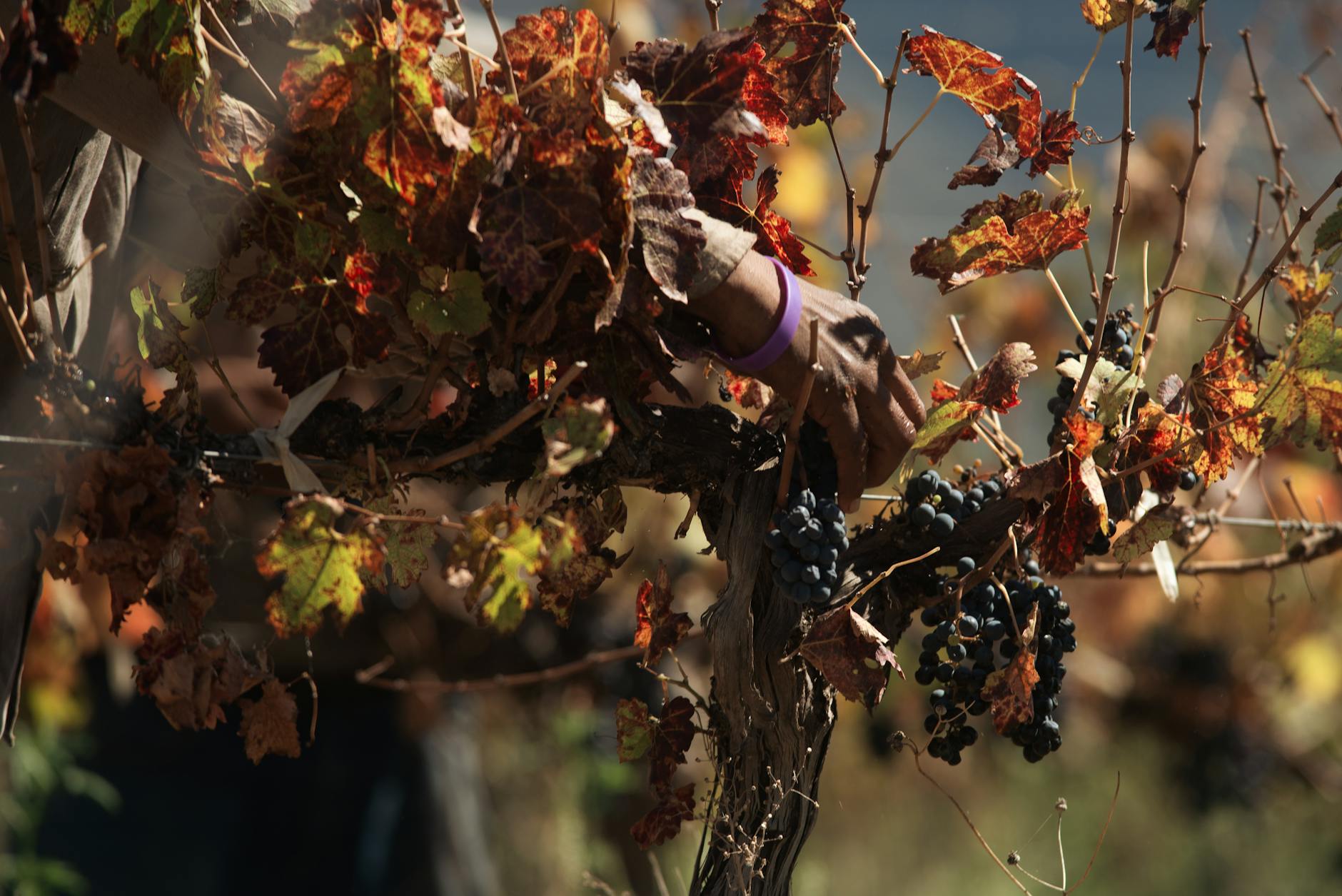
Named after the Thracian deity of the sun who would later become Dionysus in Greek mythology — a fitting name for a winery that has committed entirely to organic and low-intervention winemaking since 2010. Zagreus farms 120 hectares in the fertile Plovdiv Plain with Mavrud, Syrah, Cabernet Sauvignon, Merlot, Dimyat, and Rkatsiteli. Their flagship wine, Vinica, is an appassimento-style Mavrud — grapes dried for 60 days then aged 18 months in oak — consistently ranked among the finest Mavruds in Bulgaria. Guided tastings in the cozy cellar hall or at a gazebo among the vines include homemade charcuterie and bread from their own organic einkorn. A 4.9/5 rating on WineTourism.com with 11 verified reviews.
⏱ Mon–Fri 09:30–16:00 · 📍 Parvomay, 6 km after Popovitsa on the Parvomay road · 1 hr from Plovdiv
Visit Zagreus →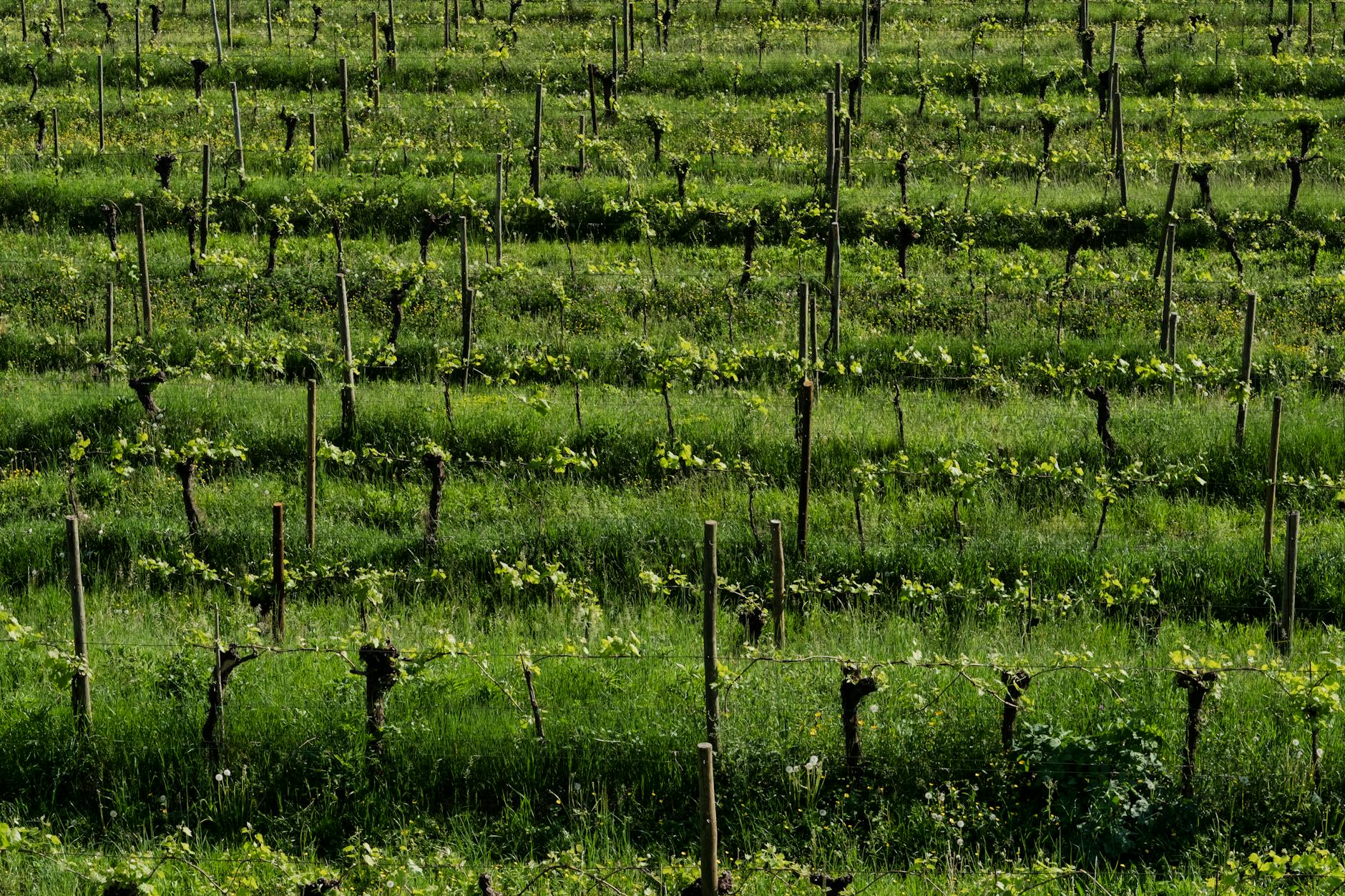
Wine Day Tour from Sofia
Thracian Valley, 1–1.5 hrs from Sofia
The closest wine region to Sofia is the Thracian Valley — at least an hour’s drive south, but worth every minute. Guided wine day tours from Sofia typically visit two boutique wineries in the region (Chateau Copsa, Villa Yustina, Menada, or others depending on the route), with a winery tour and tasting of 5 wines at each stop, a traditional lunch at a local restaurant, and return to Sofia by early evening. This is the most practical way to experience the Thracian Valley if you’re based in Sofia without a car. Private and small-group options available. The Thracian Valley’s Mavrud, Rubin, and Cabernet Sauvignon are the highlights.
⏱ Full-day (9–10 hrs) · 💰 From €120/person · Pickup from Sofia hotels · Wine + lunch included
Book a wine day tour →🍷 Practical Wine Tips
- Melnik is 3 hours from Sofia by car — combine Villa Melnik and Zornitza into a single visit and consider staying overnight in Melnik town to see the remarkable sandstone pyramids at sunrise
- Shiroka Melnishka Loza (Broadleaf Melnik) is Bulgaria’s most iconic indigenous red grape — almost unknown outside the country. Look for it from Villa Melnik and Zornitza; the finest examples age 10+ years with exceptional grace
- Mavrud is best from Asenovgrad and the Plovdiv region — visit in October when harvest season brings the wineries to life and the region is at its most atmospheric
- Book winery visits at least a week ahead for weekends in September and October — harvest season is popular and smaller estates fill up quickly
- The best Bulgarian wines rarely appear on export markets — buy directly at cellar-door prices and take a few bottles home. Check luggage allowances and wrap carefully
- Bulgaria uses the EU PDO (Protected Designation of Origin) system — look for “PDO Melnik” or “PDO Asenovgrad” for the finest regional wines
Wine Bars in Sofia
Sofia’s wine bar scene has grown quietly but seriously over the past decade — driven by a generation of Bulgarian sommeliers determined to show that their country produces wines worth paying attention to. The best bars carry small-producer labels you won’t find anywhere outside Bulgaria.
Grape Central
ul. Tsar Samuil 45, Sofia Centre
One of Sofia’s most respected wine bars — a warm, well-curated room in the city centre with 300+ labels from Bulgaria and beyond, priced and presented in a way that actively encourages exploration rather than intimidation. Monthly wine tasting dinners bring in producers to present their wines directly; the Saturday brunch is one of the few in Sofia combining serious wine with thoughtful food. The monthly rotating “by the glass” selection (10+ wines at any time) changes with seasonality and producer access. Grape Central embodies the new Sofia wine culture: knowledgeable without being precious, serious without being stuffy.
⏱ See website for hours · 📍 ul. Tsar Samuil 45, Sofia Centre · Monthly tasting dinners — book in advance
Visit Grape Central →
Seewines Gallery
106 Bulgaria Blvd, Sofia (foot of Vitosha)
At the foot of Vitosha Mountain, Seewines Gallery has assembled 1,300+ carefully selected wines from Bulgaria and the world — one of the largest curated selections in the country. Professional sommeliers are on hand for personal recommendations at every visit; the team regularly invites winemakers in person for tasting evenings, turning each event into a direct encounter with the people behind the bottles. Wine by the glass, weekly tastings and themed events, gift boxes and corporate wine experiences. Seewines Gallery feels more like a beautifully curated library than a shop — unhurried, warm, and deeply knowledgeable. If you want to understand Bulgarian wine from the ground up, this is the right place to start.
⏱ See website for hours · 📍 106 Bulgaria Blvd, Sofia · Weekly wine tastings — book via website
Visit Seewines Gallery →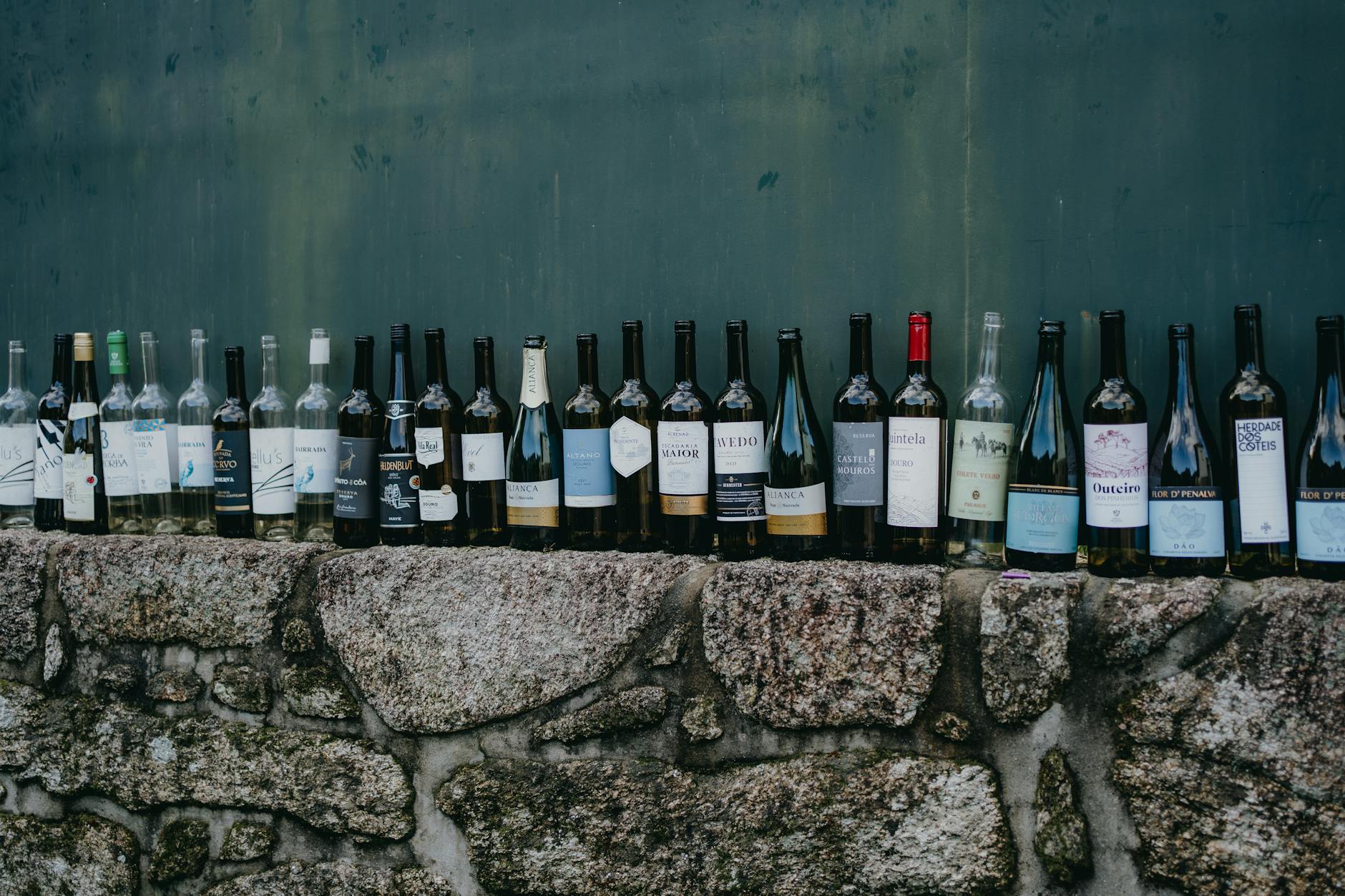
Vineria Wine Bar & Shop
ul. Tsar Asen 19, Sofia Centre
A boutique wine bar and shop on a quiet artistic street in the heart of Sofia — the address of choice for guided wine tastings of small-production Bulgarian labels. Vineria specialises in limited-edition series and small-batch wines from family producers across all five Bulgarian wine regions, many of which are unavailable anywhere outside the country. Their guided tasting experience — five boutique Bulgarian wines paired with local meats, cheeses, bread, and olive oil — has earned a 4.9/5 rating on GetYourGuide and is consistently described as a highlight of Sofia visits. Led in English by knowledgeable hosts, it covers the history of Bulgarian winemaking, the terroir of each region, and the indigenous varieties that make Bulgarian wine genuinely singular.
⏱ Tastings by booking · 💰 From €25/person · 📍 ul. Tsar Asen 19, Sofia Centre · 1 hour · English guided
Book a tasting →Know Your Bulgarian Wine
Bulgaria has five wine regions, more than 30 indigenous grape varieties, and a wine history stretching back 8,000 years. But it’s the unique local varieties — found nowhere else in the world — that make Bulgarian wine irreplaceable on the world stage.
Bulgaria exports less than 10% of its wine production — which means that the best bottles stay in the country. If you find a Bulgarian wine on a restaurant list outside Bulgaria, it was specifically selected for export quality. Come here and drink what the rest of the world doesn’t know exists.
Rakia — Bulgaria’s National Spirit
Before wine and after dinner, there is rakia. Distilled from grapes, plums, quinces, pears, apricots, or whatever the season offers — Bulgaria’s fruit brandy is not merely a drink. It is poured at births and funerals, served before every meal as a welcome, and made at home by families who have passed their recipe through generations. The Bulgarian toast is “Na zdrave!” — to health.
Where to Experience Rakia in Sofia
The most authentic rakia you will drink in Bulgaria is homemade — poured from an unmarked bottle by a host who made it themselves the previous autumn. In Sofia, two addresses offer something close to that experience, with depth of knowledge and breadth of selection that no home cellar can match.
Key spirits: Grozdova rakia (grape brandy) · Slivova rakia (plum brandy) · Mastika (anise spirit) · Menta (mint liqueur) · Rose rakia
Rakia Museum Sofia
22 Patriarh Evtimiy Blvd, Sofia
Born from a personal connection to the Bulgarian tradition of distillation passed down through generations — the Rakia Museum is part cultural exhibit, part tasting room, part spirits library. The collection spans 100+ different rakias from Bulgaria and across Europe; artifacts document the history and craftsmanship of rakia production from ancient distillation methods to modern boutique producers. Four tasting experiences are available: Classic (3 rakias with Bulgarian appetizers), Aged (3 barrel-aged selections), Exhibition Only, and a Cocktails Experience with rakia-based cocktails. Open daily 12:30–19:00; group tours run every hour. No reservation needed — but booking online is recommended at busy times. An essential stop for anyone trying to understand Bulgaria through its national drink.
⏱ Daily 12:30–19:00, tours every hour · 📍 22 Patriarh Evtimiy Blvd, Sofia · Book tickets online
Visit Rakia Museum →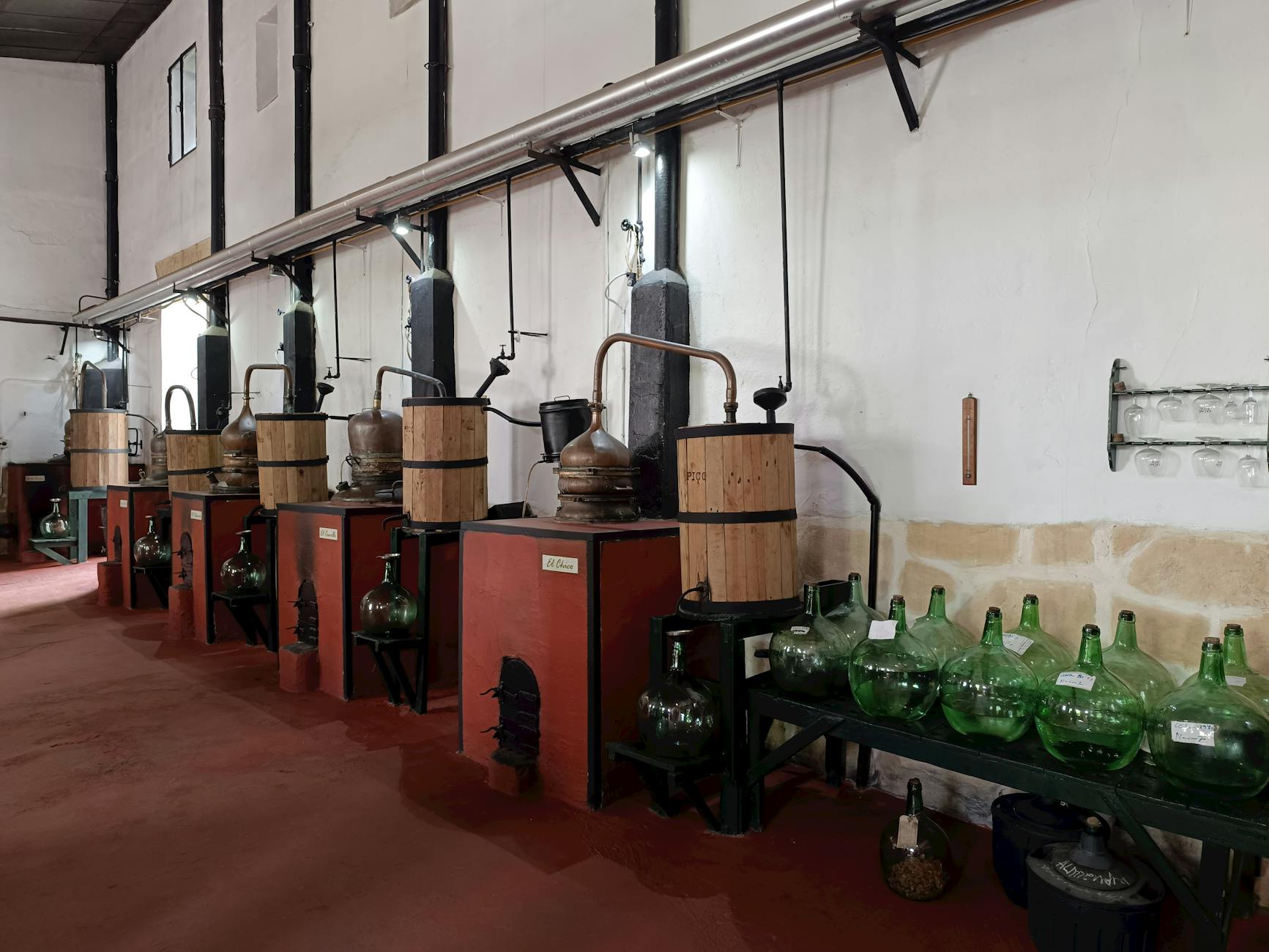
Raketa Rakia Bar
17 Yanko Sakazov Blvd, Zaimov Park, Sofia
Bulgaria’s first dedicated rakia bar — and a place that has become as much a cultural landmark as a drinking venue. Raketa (“Rocket”) occupies a 1954 restaurant site in Zaimov Park, reborn in 2012 as an intentionally retro-socialist space: gramophone records, Soviet-era portraits, vintage radios, and a menu steeped in nostalgia. But the rakia is completely serious: 200+ varieties from classic grape and plum to rose-petal, elderberry, and experimental infusions, served by knowledgeable staff who can guide you through the full range. The food — traditional Bulgarian dishes with a modern reinterpretation — is as good as the drink. One of Sofia’s most consistently praised restaurants with 4.5/5 and 1,000+ reviews on TripAdvisor.
⏱ Mon–Sat 11:00–23:00, Sun 09:00–23:00 · 📍 17 Yanko Sakazov Blvd, Zaimov Park · Reservations recommended weekends
Visit Raketa → Reviews on TripAdvisor →Bulgarian Spirits — What to Know
If a Bulgarian pours you a glass of rakia before you’ve sat down, this is hospitality — not aggression. Accept it, sip slowly, and it will be the beginning of the warmest conversation you’ve had all trip.
“Na zdrave!” (Nah ZDRA-veh) is the Bulgarian toast — it means “to health”. Always make eye contact when you clink glasses. In Bulgaria, looking away during the toast is considered rude. The correct response to being offered rakia in a private home is always to accept — even if you take only a small sip.
Craft Beer — Bars & Breweries
Bulgaria’s craft beer scene is young but growing fast — driven by a community of brewers and bar owners who import the best from Latvia, Scotland, Estonia and Poland while developing their own Bulgarian craft labels alongside. Sofia has a tight cluster of serious craft beer bars within walking distance of the city centre.
Sofia — Where Bulgarian Craft Lives
Sofia’s craft beer bars are concentrated in and around the pedestrian centre — small, knowledgeable spaces with rotating tap lists that span New England IPAs, sours, stouts, and lagers from Bulgarian microbreweries alongside the best of European independent brewing.
Styles to look for: Hazy IPA · NEIPA · Fruited Sour · Czech Pilsner · Imperial Stout · Bulgarian craft lager
Crafter Bar
ul. Hristo Belchev 6, Sofia Centre
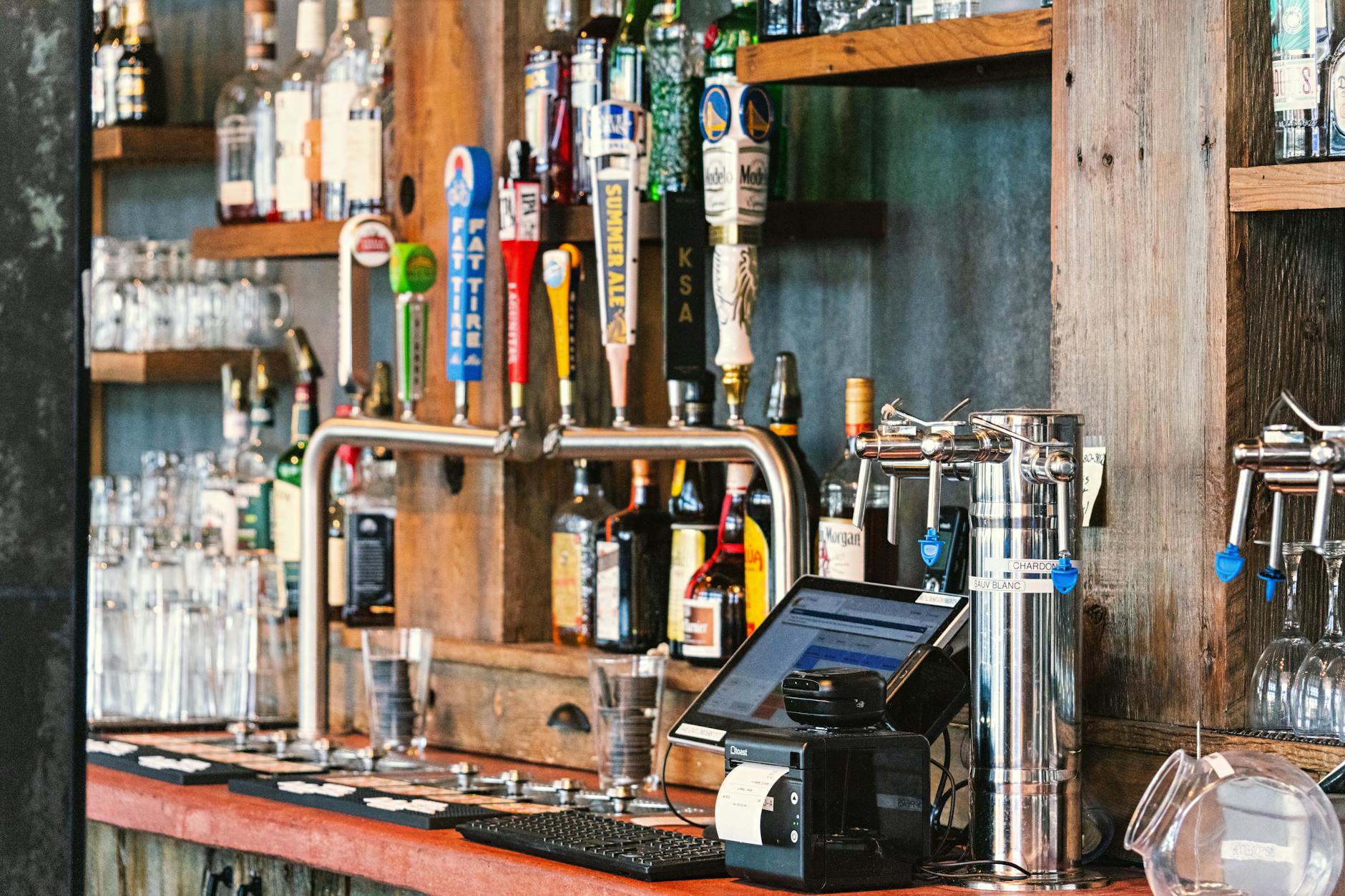
Consistently rated Sofia’s best craft beer bar — 10 rotating taps that span the full spectrum of modern craft styles: Hazy IPAs from Latvia’s Ārpus Brewing, fruited sours from Scotland’s Vault City, West Coast IPAs, Czech pilsners, and Bulgarian craft labels including Sofia Electric Brewing and The Piggy Brewing Company. The staff are genuinely knowledgeable and happy to guide you through the tap list; the selection rotates constantly so the board is always worth checking. Small and always lively — arrive early on weekends. A curated selection of boutique Bulgarian wines is also available for those who want to switch between styles. Monday–Thursday happy hour: 10% off all drafts, 17:00–19:00.
⏱ Sun–Mon 17:00–00:00, Tue–Thu 17:00–01:00, Fri–Sat 17:00–02:00 · 📍 ul. Hristo Belchev 6, Sofia Centre
Visit Crafter Bar →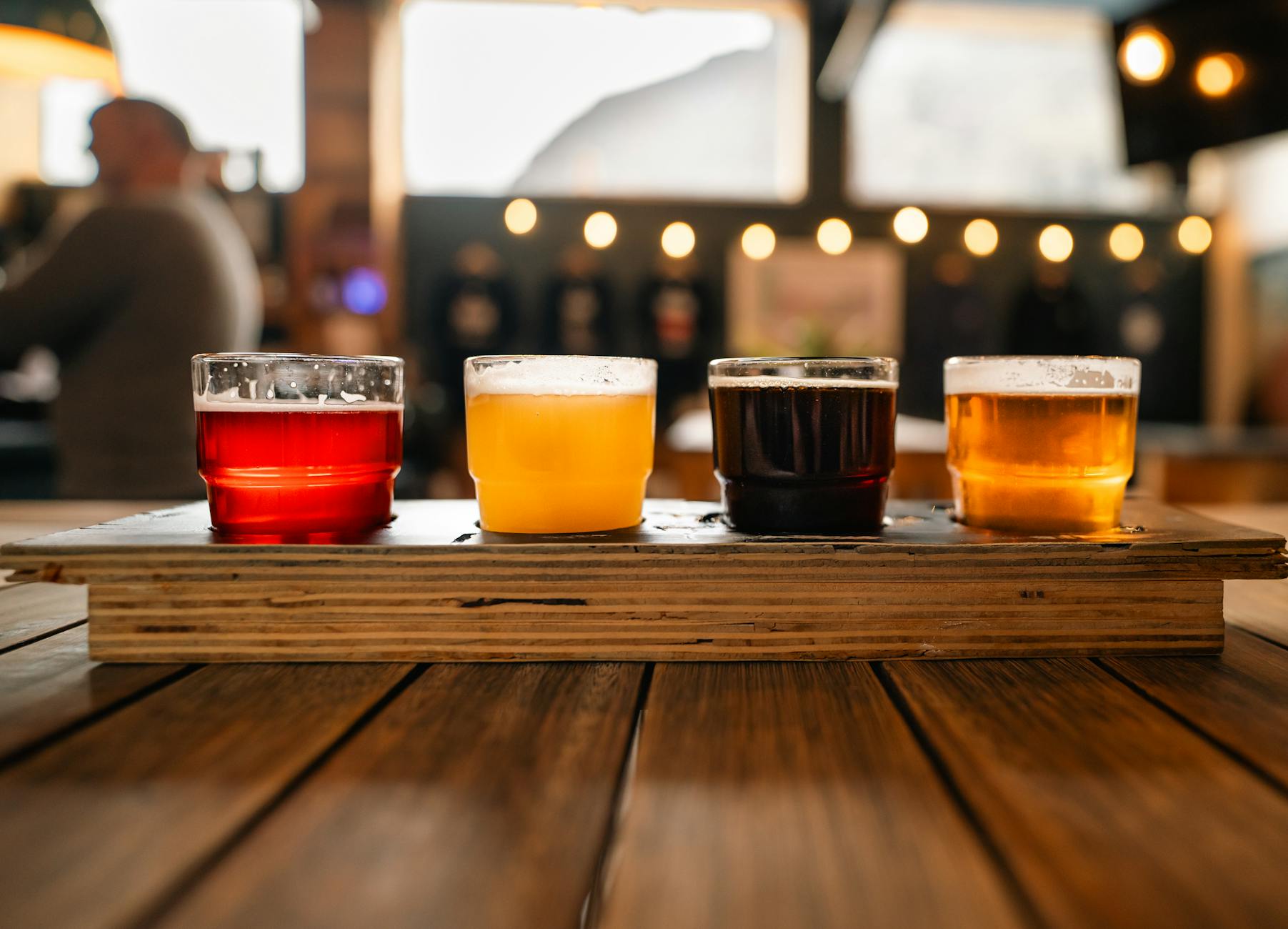
Aubergine
11 Carnegie St, Sofia Centre (near NDK)
Sofia’s only gastropub that systematically pairs a curated Bulgarian craft beer selection with modern European cuisine — draft pours from partners including Prime Time, ID Brew, Meltum, Hala, and White Stork Beer Co., alongside an international bottle list covering over 20 breweries from Bulgaria, Estonia, Poland, Latvia, Italy, and Scotland. The hidden garden — a peaceful outdoor space shaded from the city — is the finest summer drinking spot in Sofia Centre. The food is designed around beer pairing: seasonal dishes, local ingredients, modern Mediterranean influence. Aubergine sits near the National Palace of Culture, a short walk from the central pedestrian zone. Open daily; reservations recommended for the garden in summer.
⏱ Open daily · 📍 11 Carnegie St, Sofia Centre · Garden open in summer · Reservations recommended
Visit Aubergine → Reviews on TripAdvisor →Coffee — The Bulgarian Way
Five centuries under Ottoman rule gave Bulgaria an unbreakable coffee habit. Today that tradition meets a fast-growing specialty scene — and Sofia’s best cafés sit among the most serious in southeast Europe.
Sofia — Where the Coffee Scene Woke Up
Bulgarians drink coffee constantly — at work, in parks, before meals, after meals, between meals. The national habit begins with tursko kafe (Turkish coffee), brewed in a small copper cezve with finely ground beans and simmered slowly until a deep foam forms. Every Bulgarian household owns a cezve. Ordered at any local café, it costs BGN 1.50–2.50 and comes with a glass of water. In the last decade, a third-wave specialty movement has emerged alongside — led by Jordan Dabov and a tight community of baristas who have quietly made Sofia one of Eastern Europe’s most interesting coffee cities.
DABOV Specialty Coffee
ul. Lyuben Karavelov 58, Sofia (+ multiple locations)
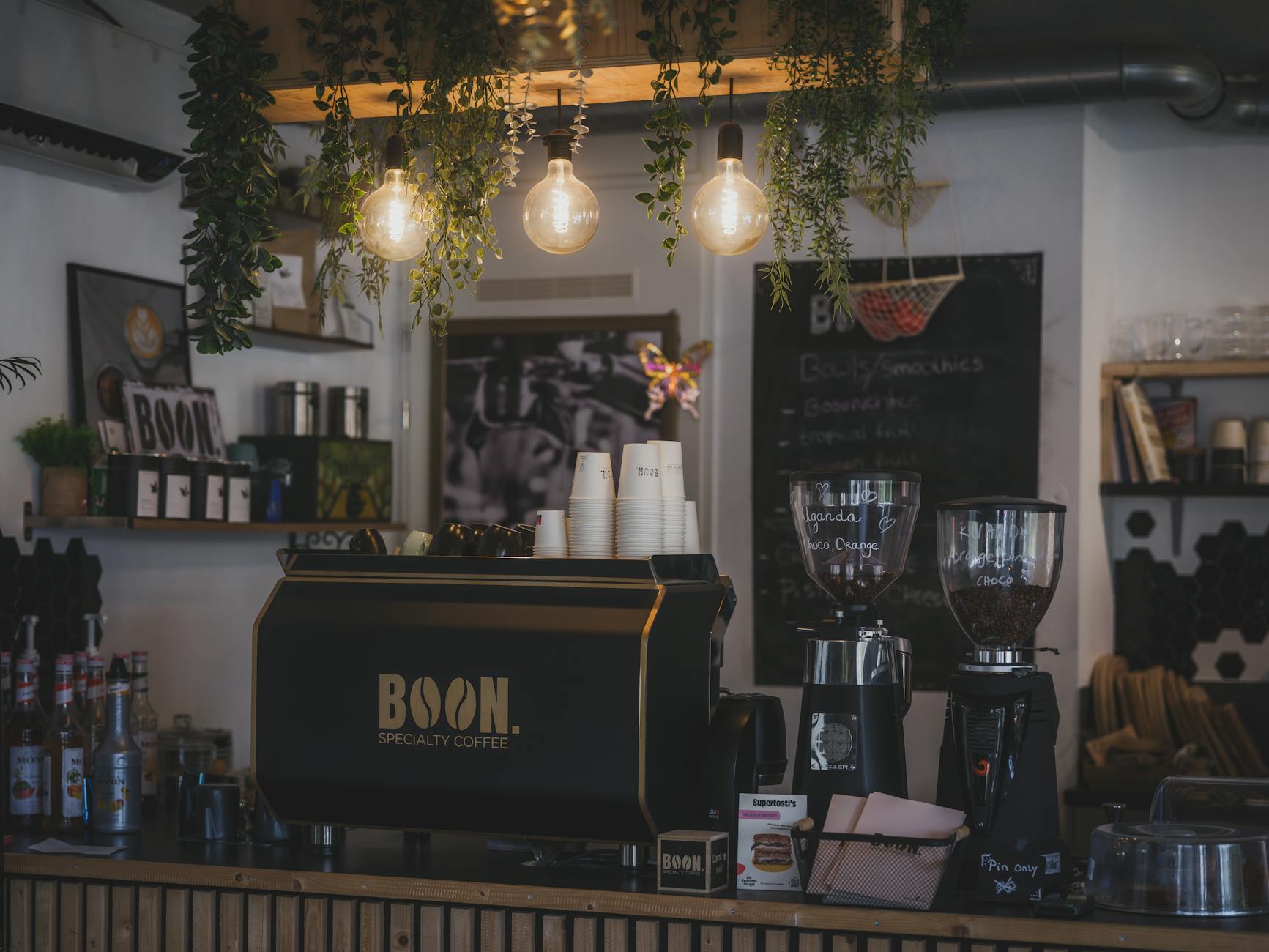
Bulgaria’s most celebrated specialty coffee institution — founded in 2008 by Jordan Dabov, a five-time Cup of Excellence judge who travels over 100 days a year hunting the world’s finest coffee lots. DABOV was the first roastery in Bulgaria to source Cup of Excellence and Best of Panama award-winning coffees, building direct relationships with farms across Ethiopia, Nicaragua, Guatemala, and Brazil. Multiple Sofia locations, each designed as a slow-down space: no rush, no noise, just exceptionally prepared filter and espresso drinks using beans you cannot find elsewhere in Bulgaria. The on-site roastery produces all house coffees in a Loring roaster; the bean selection ranges from accessible everyday blends to competition-grade micro-lots. A tasting session with a barista is available at the flagship — the best way to understand what specialty coffee actually means.
⏱ Check current hours at dabov.coffee · ☕ Espresso, filter, pour-over, competition micro-lots · 📍 ul. Lyuben Karavelov 58, Sofia (flagship)
Visit DABOV → Reviews on TripAdvisor →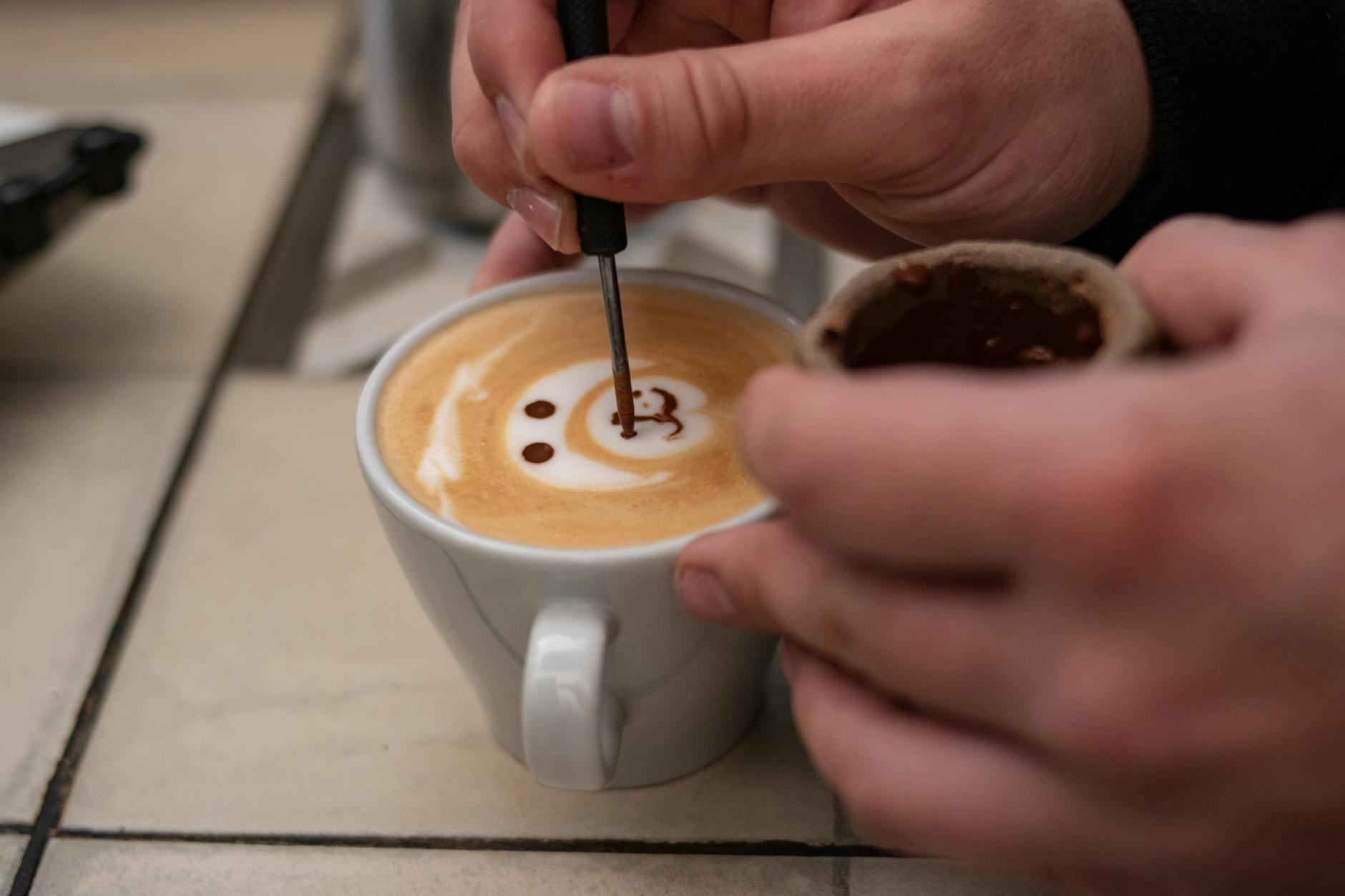
Coffee Syndicate
ul. Moskovska 3, Sofia Centre
Named Best Specialty Coffee in Bulgaria by European Coffee Trip — opened in 2021, Coffee Syndicate serves Friedhats coffee (one of the Netherlands’ most respected specialty roasters) in an industrial-chic interior of recycled materials and large windows onto Moskovska Street. The signature Espresso Fizz has a cult following, alongside matcha latte and a rotating seasonal menu. Handmade éclairs are baked fresh in the second-floor kitchen. Evenings bring signature cocktails and local wine. A second location on Bul. Yanko Sakazov 70 offers a quieter, residential atmosphere. Laptop-friendly, dog-friendly — arrive early on weekends for a window seat. One of the most consistently excellent all-day addresses in Sofia.
⏱ Mon–Wed 08:00–18:00 · Thu–Fri 08:00–22:00 · Sat 09:30–22:00 · Sun 10:00–16:00 · ☕ Espresso Fizz, filter, cocktails, éclairs · 📍 ul. Moskovska 3, Sofia Centre
Visit Coffee Syndicate → Reviews on TripAdvisor →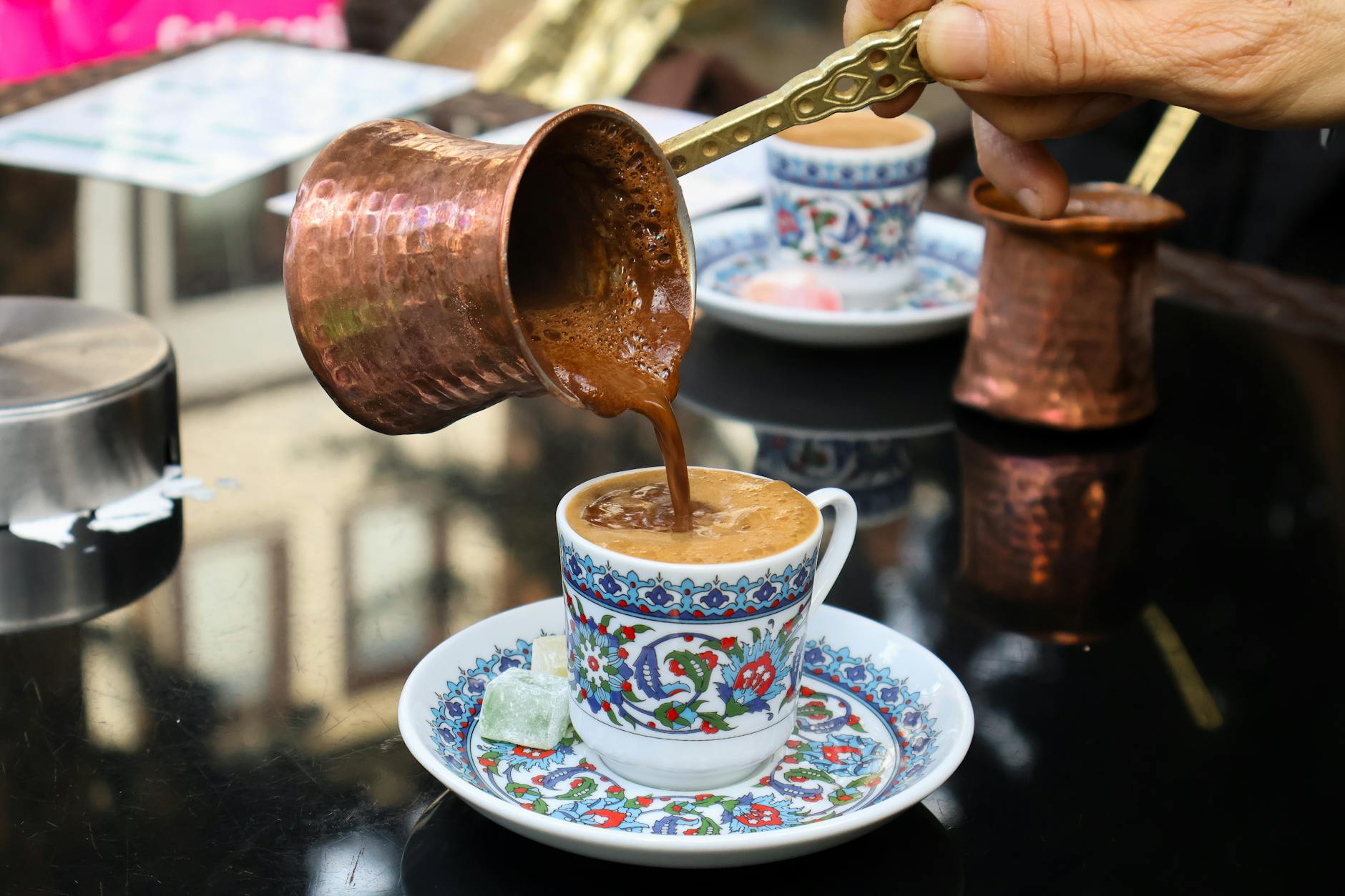
Martines Specialty Coffee
ul. Hristo Belchev 1A, Sofia Centre
One of Sofia’s most innovative specialty coffee roasteries — a family-run operation that roasts every batch to order. Martines was the first café in Sofia to introduce the Paragon Brewing Tool from Nucleus, sparking conversation about precision brewing in the Bulgarian coffee community. Staff are genuinely knowledgeable and happy to guide you through the filter menu; the bean selection changes seasonally. House specialties include single-origin pour-overs and the signature Blend Sofia — a specifically crafted espresso blend using natural aerobic fermentation at 900+ metres. An on-site shop sells whole-bean coffees and brew equipment. A perfect slow mid-morning stop in the Hristo Belchev area, a short walk from Sofia’s central pedestrian zone.
⏱ Mon–Fri 09:00–18:00, Sat–Sun 10:00–18:00 · ☕ Pour-over, espresso, Blend Sofia, seasonal filter · 📍 ul. Hristo Belchev 1A, Sofia Centre
Visit Martines → Reviews on TripAdvisor →💡 Good to Know
- 🍷 “Na zdrave!” (Nah ZDRA-veh) is the Bulgarian toast — always make eye contact when clinking glasses. Looking away is considered bad manners and bad luck
- 🍇 Mavrud is Bulgaria’s answer to Nebbiolo — tannic, age-worthy, deeply coloured, and almost unknown outside Bulgaria. Try it before you leave; the finest examples rival the great Italian reds for structure and complexity
- 🍷 Rakia is an aperitif, not a digestif — poured before the meal, alongside the first dishes. Never shoot it; sip it slowly with bread, cheese, and shopska salad alongside
- 🍇 Melnik is the smallest town in Bulgaria — 200 permanent residents — but one of its most remarkable: sandstone pyramids, Byzantine-era wine culture, and two of the country’s best wine estates within walking distance. Worth an overnight stay
- 🍺 Crafter Bar and Aubergine are both in the Sofia city centre — an easy walk from each other. Combine both in a single craft beer evening for the full range of what Sofia’s independent beer scene offers
- 🍸 If you buy rakia at a Bulgarian market or village stop, look for homemade bottles — often sold in recycled plastic water bottles with handwritten labels. This is the most authentic version and often the best. The strength varies wildly; ask before drinking
- 🍇 The Rose Valley (Kazanlak) is worth a detour in May — when Bulgaria’s rose harvest is underway, the valley is extraordinary. Pick up rose rakia and rose-based spirits directly from producers in the region
- ☕ To order traditional Turkish coffee in Bulgarian, ask for “tursko kafe” — it arrives in a small cup with the grounds at the bottom. Wait a minute before drinking and never stir the cup. A glass of water always comes alongside. Drinking speed is slow; staying time is long.