
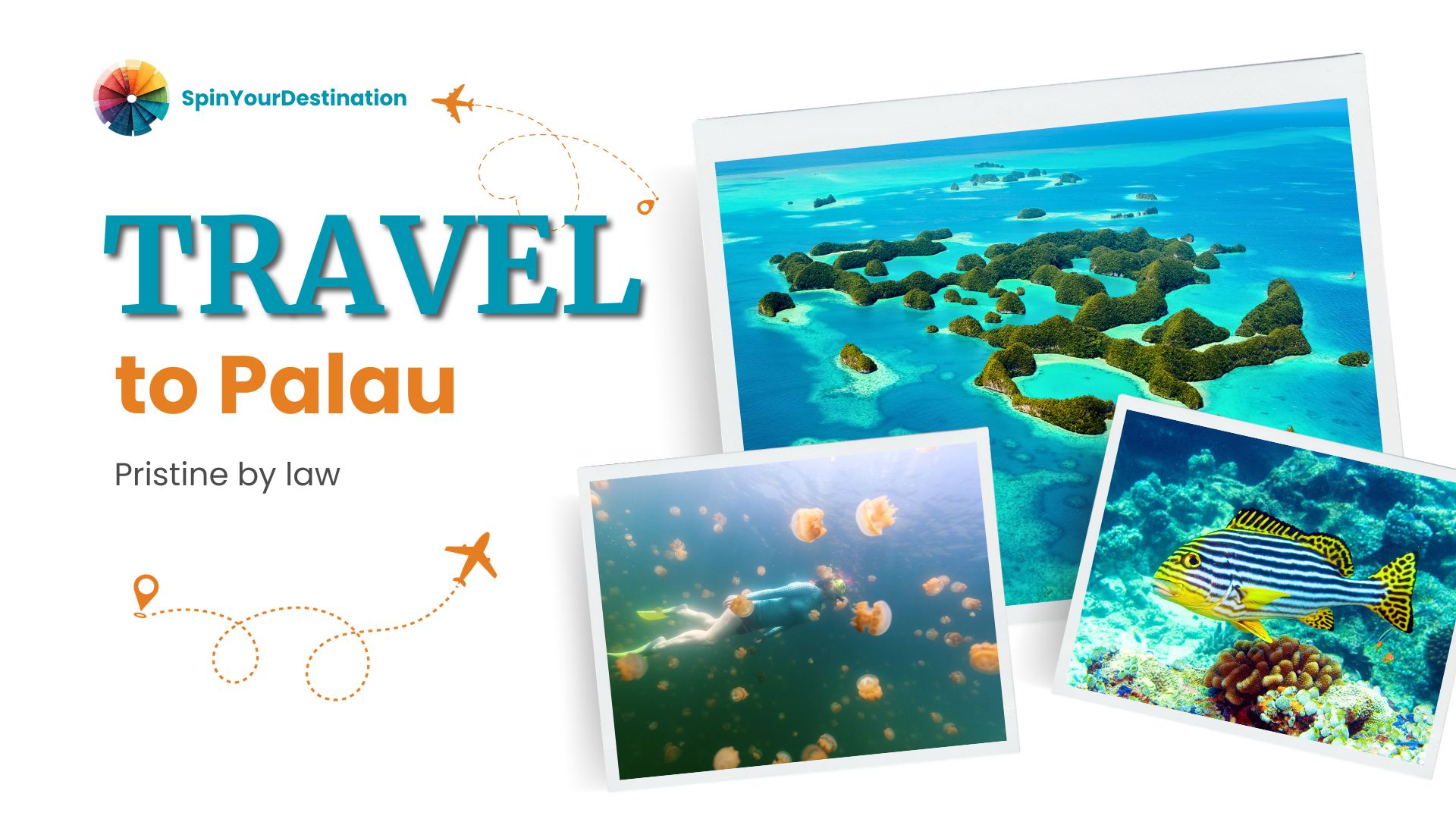
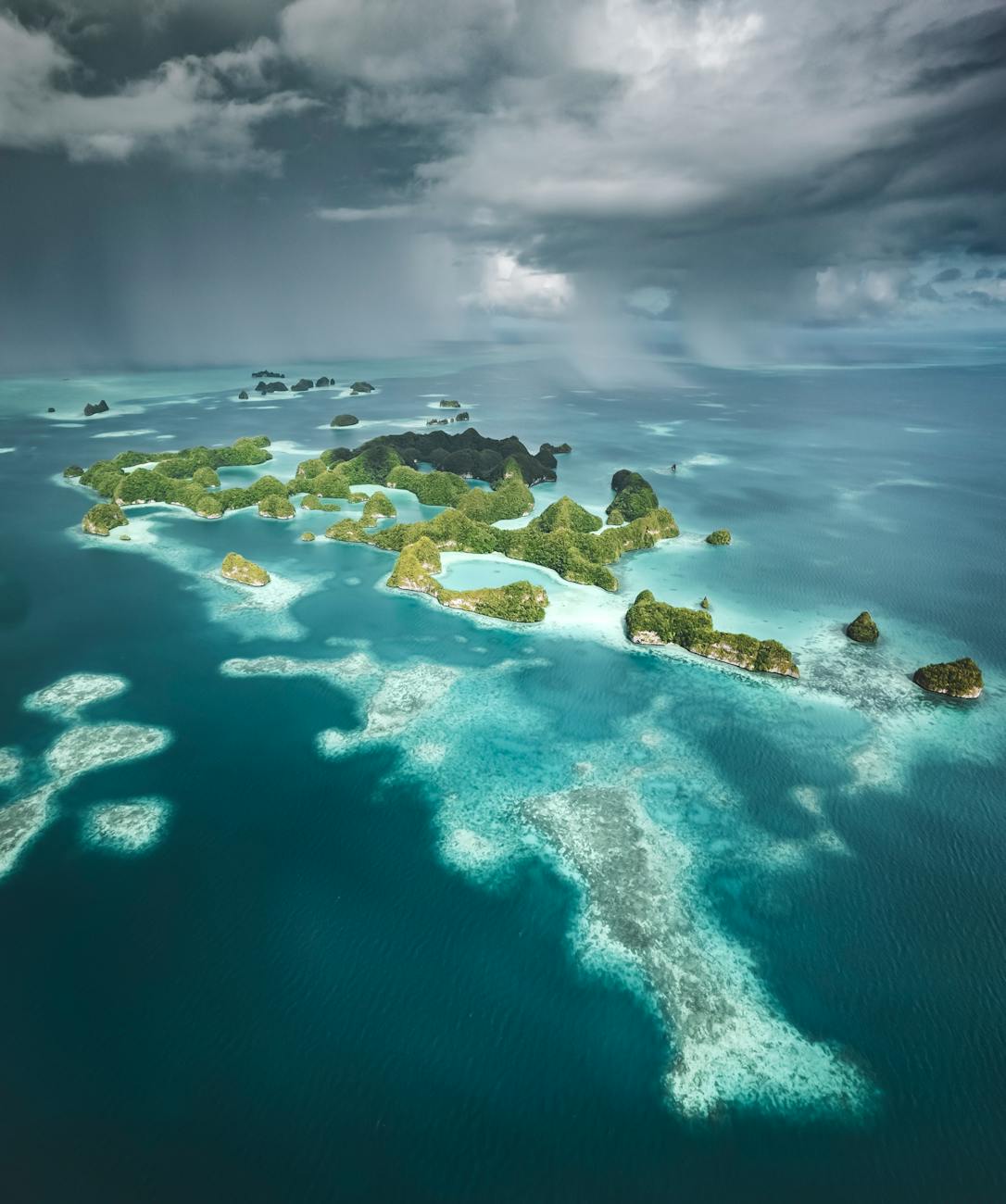
The Rock Islands Southern Lagoon contains more than 400 raised coral limestone formations, each one eroded at the waterline into the distinctive mushroom shape that makes aerial photographs of Palau look like illustrations from a fantasy novel. The lagoon between them runs from pale aquamarine in the shallows to deep cobalt offshore, and the water visibility regularly exceeds 30 metres.
Jellyfish Lake—known in Palauan as Ongeim’l Tketau, meaning Fifth Lake—sits on Eil Malk island, about 45 minutes by speedboat from Koror. It is one of approximately 70 marine lakes in the Rock Islands, isolated enough from the open ocean that the golden jellyfish inside evolved over millennia to lose their stinging ability. Millions of them migrate horizontally across the lake each day, following the sun. Entry requires a Koror State permit (US$100, valid five days). Note that the golden jellyfish population has declined significantly in recent years; check current conditions before building your itinerary around the lake alone.
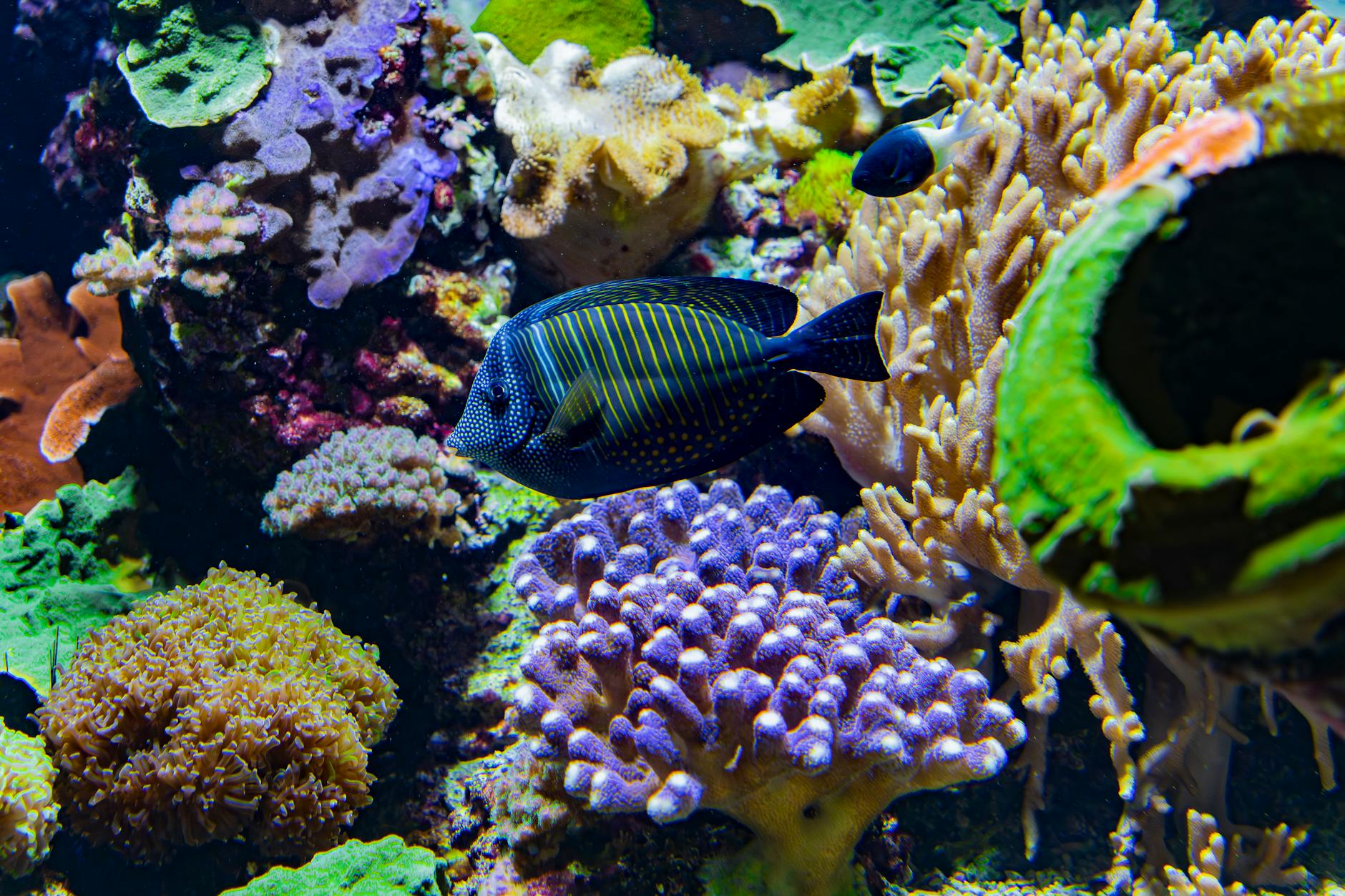
Blue Corner is consistently ranked among the top ten dive sites in the world. A sheer reef wall in Palau’s southern lagoon, it produces strong currents that divers ride using reef hooks while grey reef sharks, eagle rays, Napoleon wrasse, and schools of barracuda wheel in the blue water alongside them. Water temperature holds around 28°C year-round. Visibility regularly exceeds 30 metres. The German Channel nearby is a cleaning station for oceanic manta rays.
The Milky Way lagoon—a shallow pool between two Rock Islands—has a floor of fine white limestone sediment that locals have long used as a natural skin treatment. Boat tours typically combine it with Blue Corner, snorkelling on the outer reefs, and a stop at a deserted beach. Day trips run from around US$120 per person from Koror and are the standard way to see the Rock Islands.
A Palau Green Fee of US$50 per person (valid 10 days) is charged on entry and funds conservation across the protected areas. The dry season from December through April brings the calmest seas and clearest water. The wet season from June through October brings more rain but still warm temperatures of 25–30°C and fewer visitors at the dive sites.
Koror is the main urban centre of Palau—not the capital (that is Ngerulmud on Babeldaob island) but the commercial and logistical hub where most visitors stay. It sits on a small island connected by bridge to the larger Babeldaob and to the Rock Islands access points by boat. Dive operators, hotels, restaurants, and the Palau International Airport—airport code ROR—are all within easy reach.
Flights arrive from Guam (United Airlines, the most frequent connection), Tokyo-Narita (United Airlines, year-round), Taipei (China Airlines, year-round), Manila (Philippine Airlines and United Airlines), Hong Kong, and Brisbane. There are no direct flights from Europe; most European travellers connect through Tokyo, Seoul, or Manila. Flight time from Tokyo is around three and a half hours; from Guam, just under two.
The Palau International Coral Reef Center in Koror operates as both a research station and aquarium, displaying the marine species visitors are likely to encounter on the reefs. The Belau National Museum holds Palauan cultural artefacts, traditional money, and historical records from the German, Japanese, and American administration periods. Both are within walking distance of the main hotel strip.
Accommodation in Koror ranges from guesthouses at around US$80–120 per night to mid-range dive resorts at US$150–250. A handful of boutique properties on private islands command US$400 and above. Booking several months ahead is advisable for the December–April dry season peak.
Peleliu island, two hours south of Koror by speedboat, was the site of one of the most intense and costly battles of the Pacific Theater in World War II. In September 1944, US Marines and Army troops fought for over two months to take an island measuring just 13 km² from a Japanese garrison that had orders to hold it to the last man. The battle cost more than 10,000 American and approximately 10,900 Japanese lives.
The island today is largely uninhabited jungle, with rusted Japanese tanks, artillery pieces, blockhouses, and cave systems still visible in the vegetation. The Peleliu War Memorial is maintained by Japanese veterans’ organisations and serves as the focal point for commemoration services. The airfield, over which the fighting was concentrated in the first days, still exists as a grass strip. Walking the battlefield is one of the more sobering travel experiences in the Pacific.
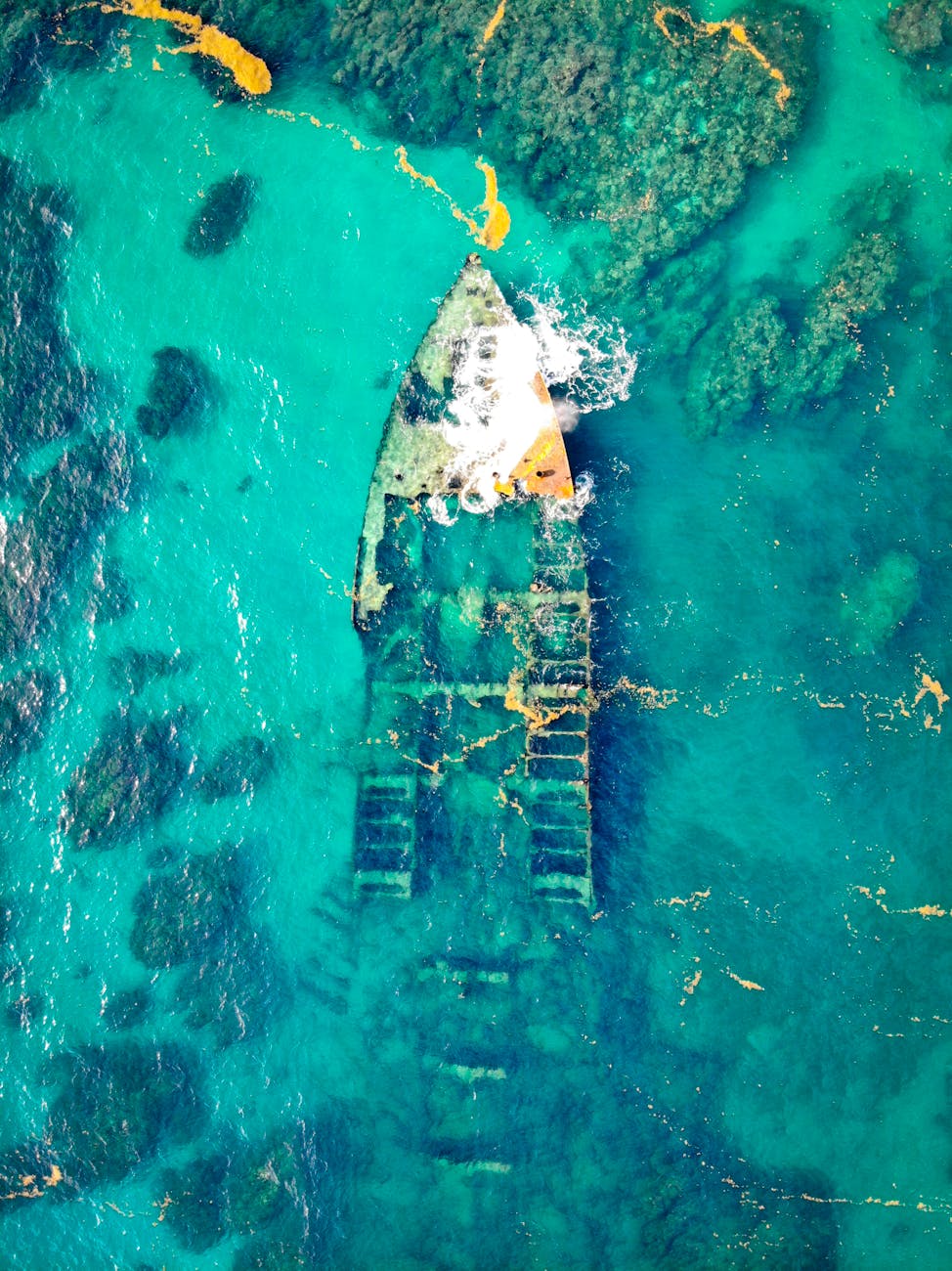
Beneath Peleliu’s surface, the war left behind a different kind of history. Wrecked Japanese and American aircraft and vessels lie scattered through the lagoon and across the reef slope, now encrusted with coral and inhabited by fish. Diving the wrecks here requires a local guide; several Koror operators run overnight trips combining Peleliu diving with the battlefield visit.
Palau’s culture is matrilineal—clan identity, land rights, and traditional wealth pass through the mother’s line. The bai, a traditional community meeting house built from hardwood and thatch without a single nail, was historically the centre of political and social life. The decorated gable panels of the bai depicted mythological stories, historical events, and moral lessons. Replicas can be seen at the Belau National Museum; original bais survive in some villages on Babeldaob.
On Babeldaob, the largest island, the Badrulchau Stone Monoliths stand on a hillside in the north of the island. Fifty-two weathered basalt megaliths are arranged in two rows and are believed to have served as the foundation pillars of an ancient bai large enough to serve the whole island. The site sits in open grassland with views across the surrounding hills and is accessible by the road that now encircles Babeldaob.
Every visitor to Palau is asked to sign the Palau Pledge—a statement printed in the passport on arrival, committing to act responsibly toward the natural environment. It is the first country in the world to have introduced such a mandatory commitment. The pledge is part of a broader pattern: Palau’s conservation laws are among the strictest in the Pacific, and the Palauan understanding of responsible stewardship of the ocean is not a recent development but a principle embedded in traditional governance for centuries.
Palauan food centres on fish, taro, and coconut. Fruit bat is a traditional delicacy, still available in some restaurants in Koror. The Palauan stone money—large carved discs quarried from limestone on distant islands and transported by canoe—remains a symbol of wealth and is used in traditional exchange ceremonies. Contemporary Koror has a mix of local diners, Japanese restaurants (reflecting decades of Japanese influence), and resort dining overlooking the water.